Quick answer
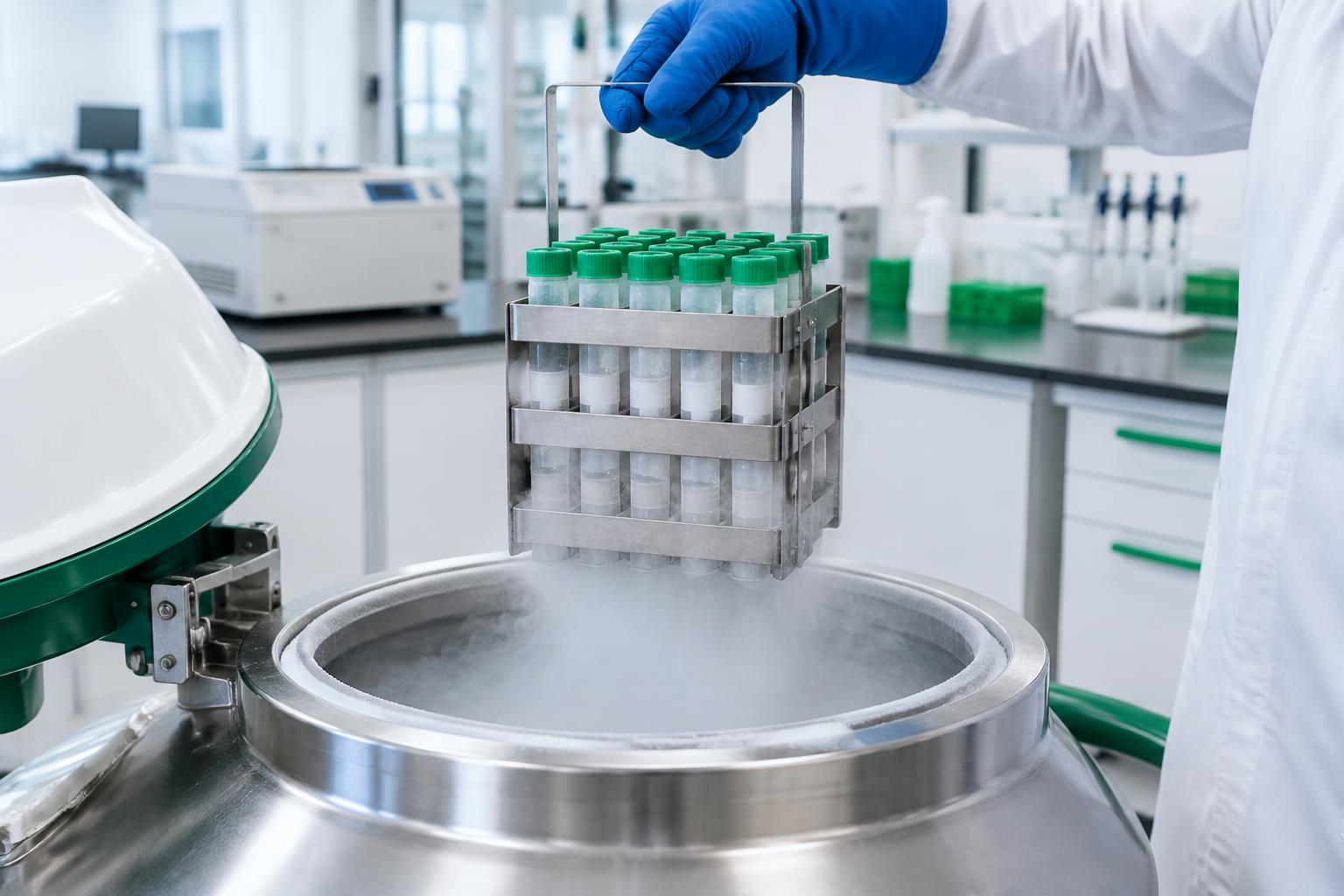
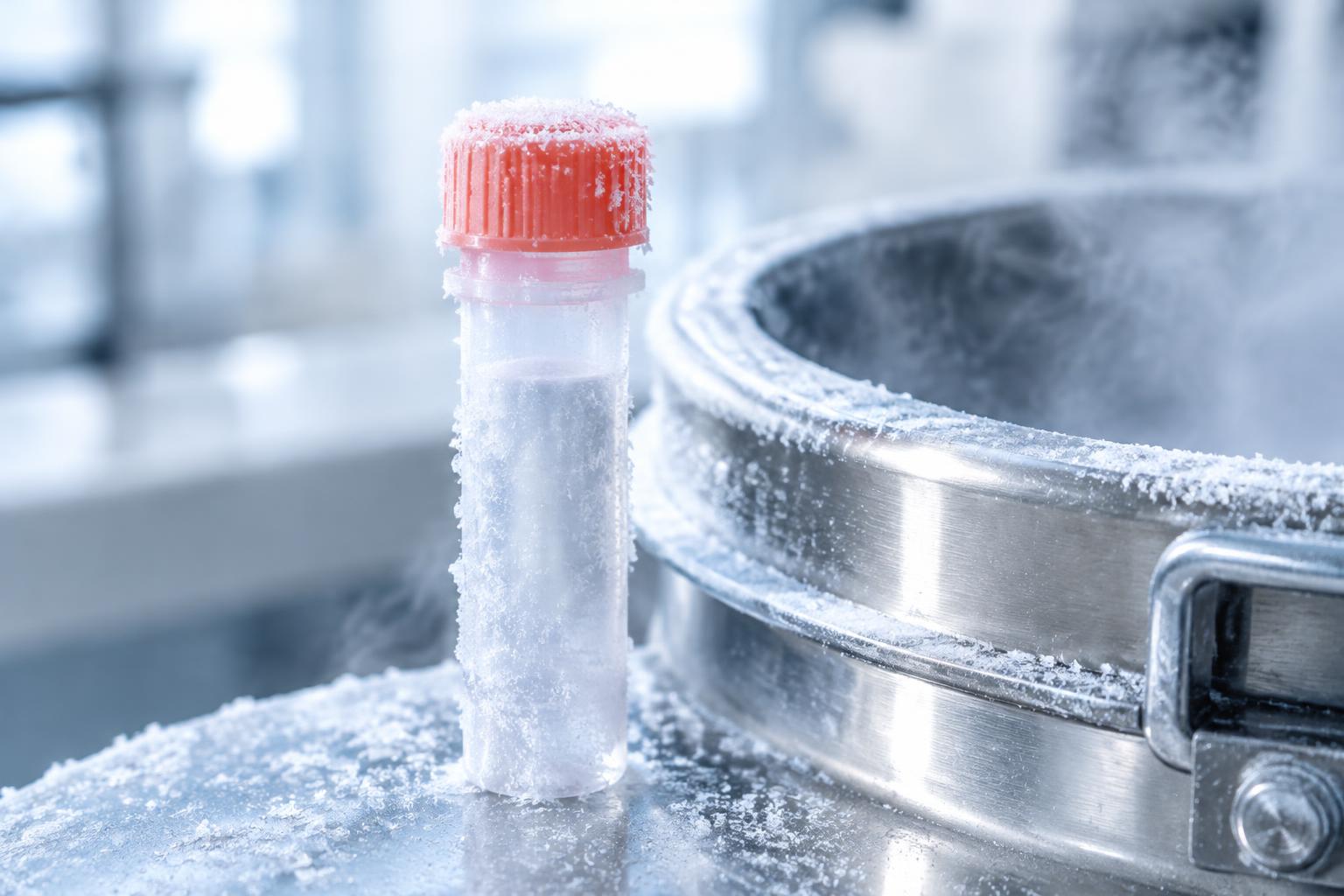
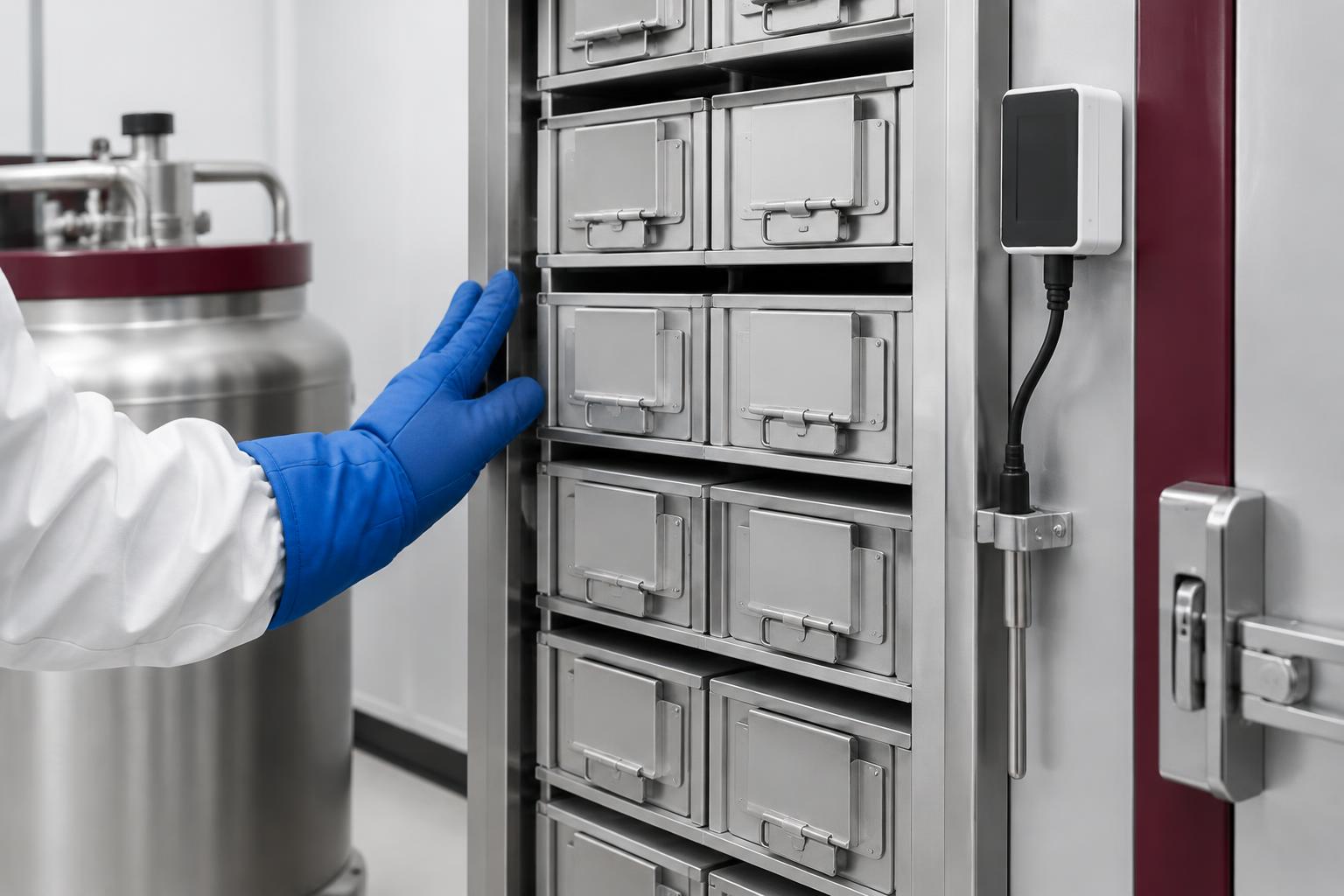
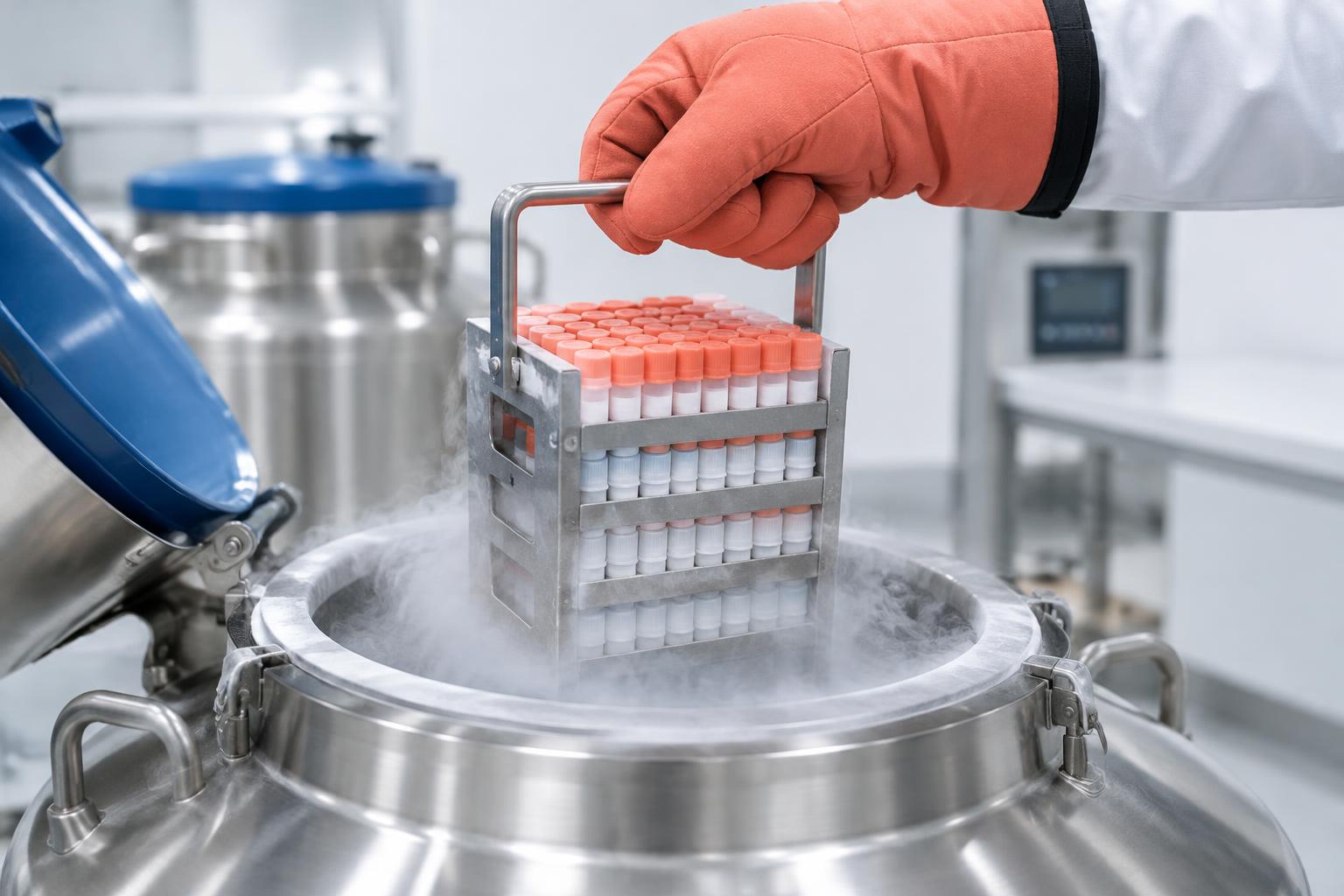
Under EHL BIO standards, cells are preserved in liquid nitrogen at -196°C using advanced cryopreservation technology. This ensures excellent cell viability and performance for future clinical use, based on EHL team assessments.
Key takeaways
- Stored at a critical temperature of -196°C to maintain cell integrity.
- Capability to process and store up to 6,000 lots annually under regenerative health standards.
- Banking adipose-derived stem cells (ADSC) offers high yield and stable growth.
- Exclusive cryopreservation techniques reduce the need for multiple cell collections.
Cryopreservation Technology for Long-term Health Restoration
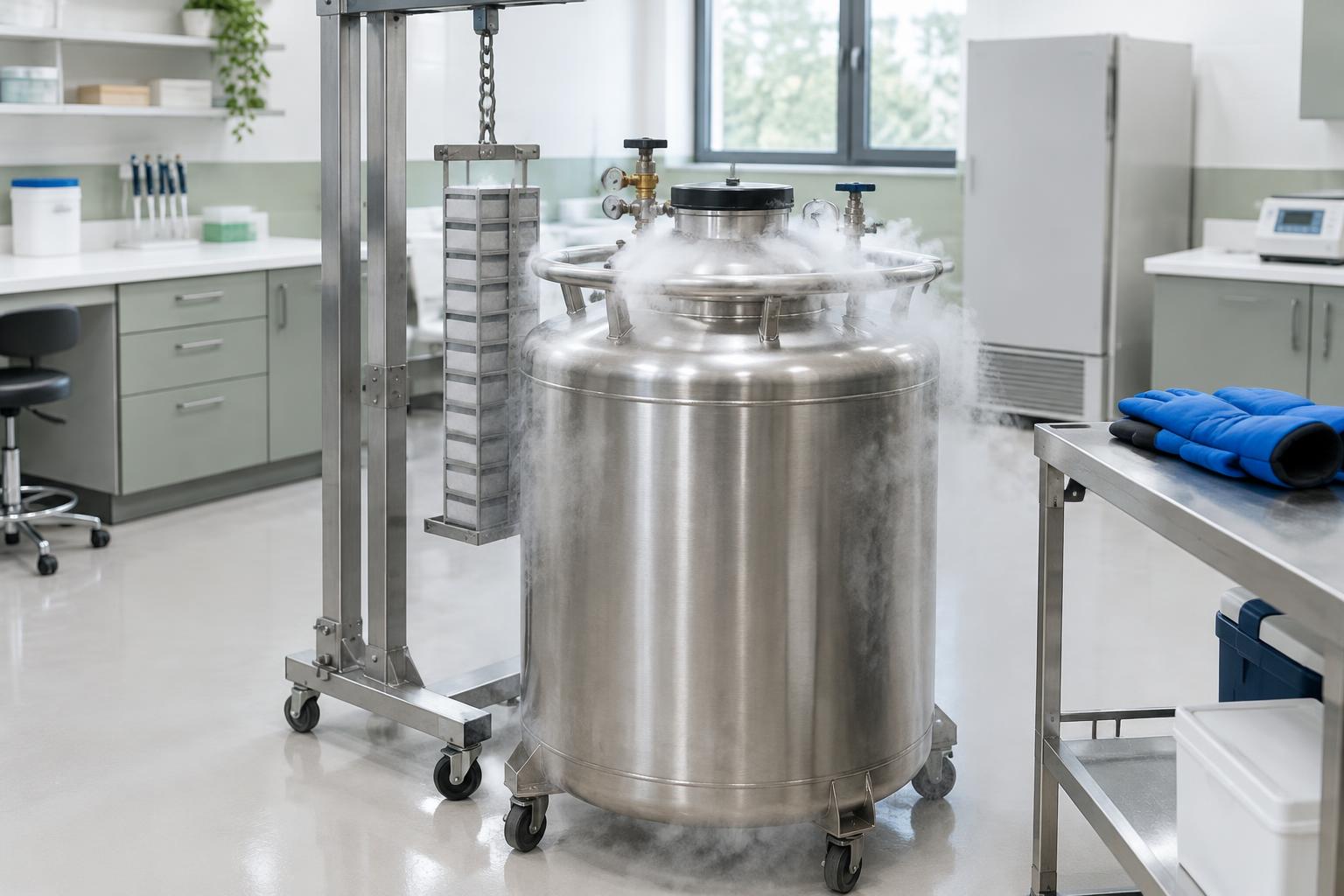
Cell banking for stem cells and immune cells is a cornerstone of Advanced Regenerative Medicine. At EHL BIO, we utilize liquid nitrogen storage at -196°C, a state where biological activity is suspended while maintaining full multipotential capabilities for future cell division and differentiation.
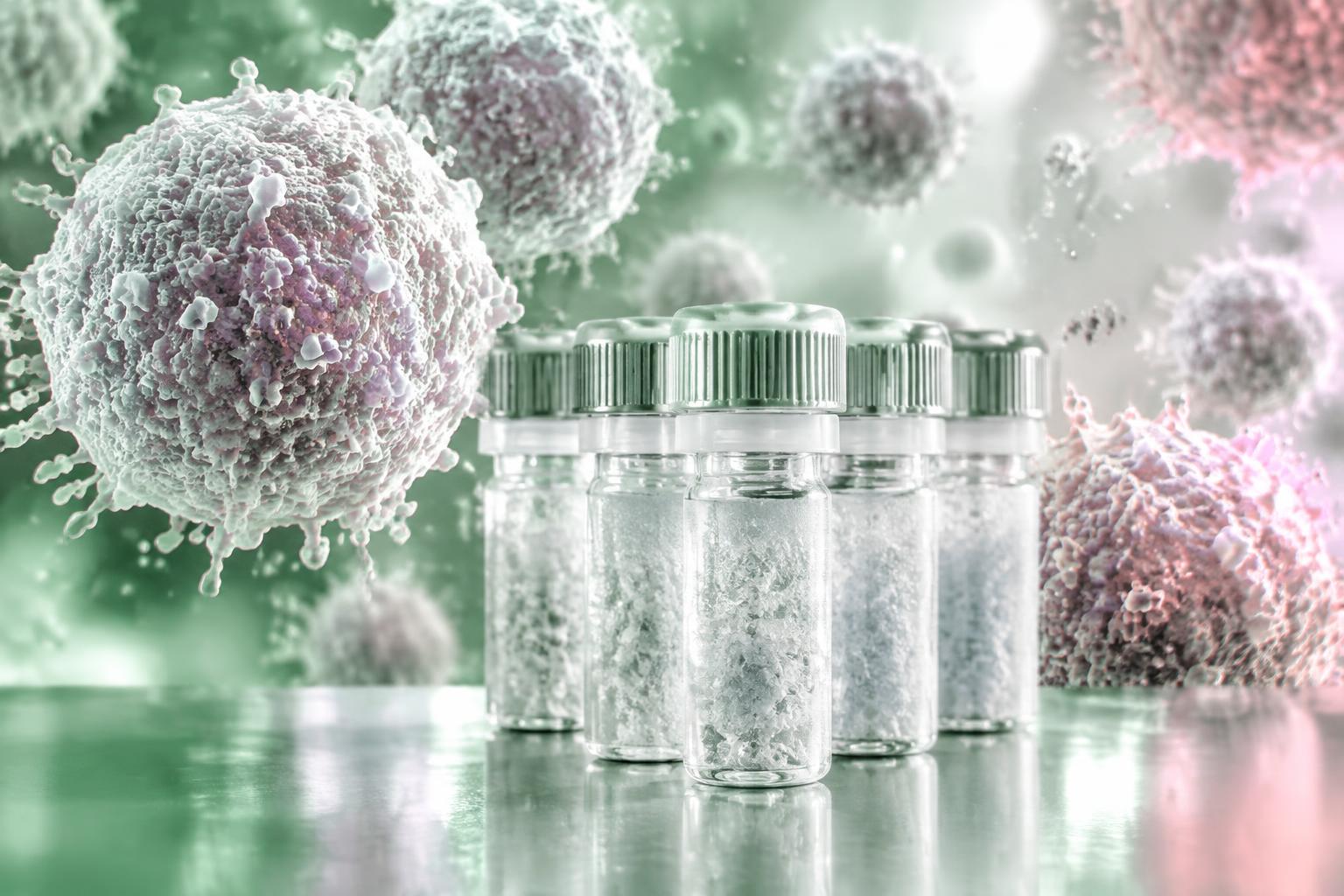
This process allows individuals to preserve their cells while they are healthy, particularly adipose-derived stem cells (ADSC) which are easy to extract and highly abundant. It also includes immune cells like NK and T cells that support long-term quality of life. Maintaining cells at these ultra-low temperatures ensures high viability when re-cultured within our quality-certified facilities.
Class 100 Safety Standards and Quality Management
EHL BIO prioritizes the maximum safety of stored cells. Our Cell Processing Centers (CPC) utilize Class 100 clean rooms equipped with high-efficiency HEPA filters and Advanced Air Handling Units (AHU) to prevent undesirable effects during isolation and freezing.
With a production capacity of 6,000 lots per year and over 85 dedicated research personnel, we lead the biotechnology sector, trusted by partner hospitals in Korea. Our cell management systems are strictly regulated under regenerative protocols, ensuring every stored cell is systematically monitored and ready for use based on expert team assessments.
Banking your cells today is an investment in restoration goals and quality of life that allows you to step into the future with confidence.
Advantages of Immune Cell Cryopreservation
EHL BIO’s unique innovation in Immune Cell Therapeutics involves a single blood draw via Apheresis, which can yield 30 times more cells than standard methods. These cells are then cultured and partitioned for long-term storage through cryopreservation.
This approach significantly reduces the need for repeated blood collection, as one session can provide enough cells for multiple future uses. Furthermore, freezing preserves the quality of various immune cells, such as Dendritic and iNKT cells, maintaining their efficiency in managing aged cells—a key factor for 'Aging Well' and achieving effective regeneration goals.

From Lab to Clinic: The Process of Re-utilizing Cells
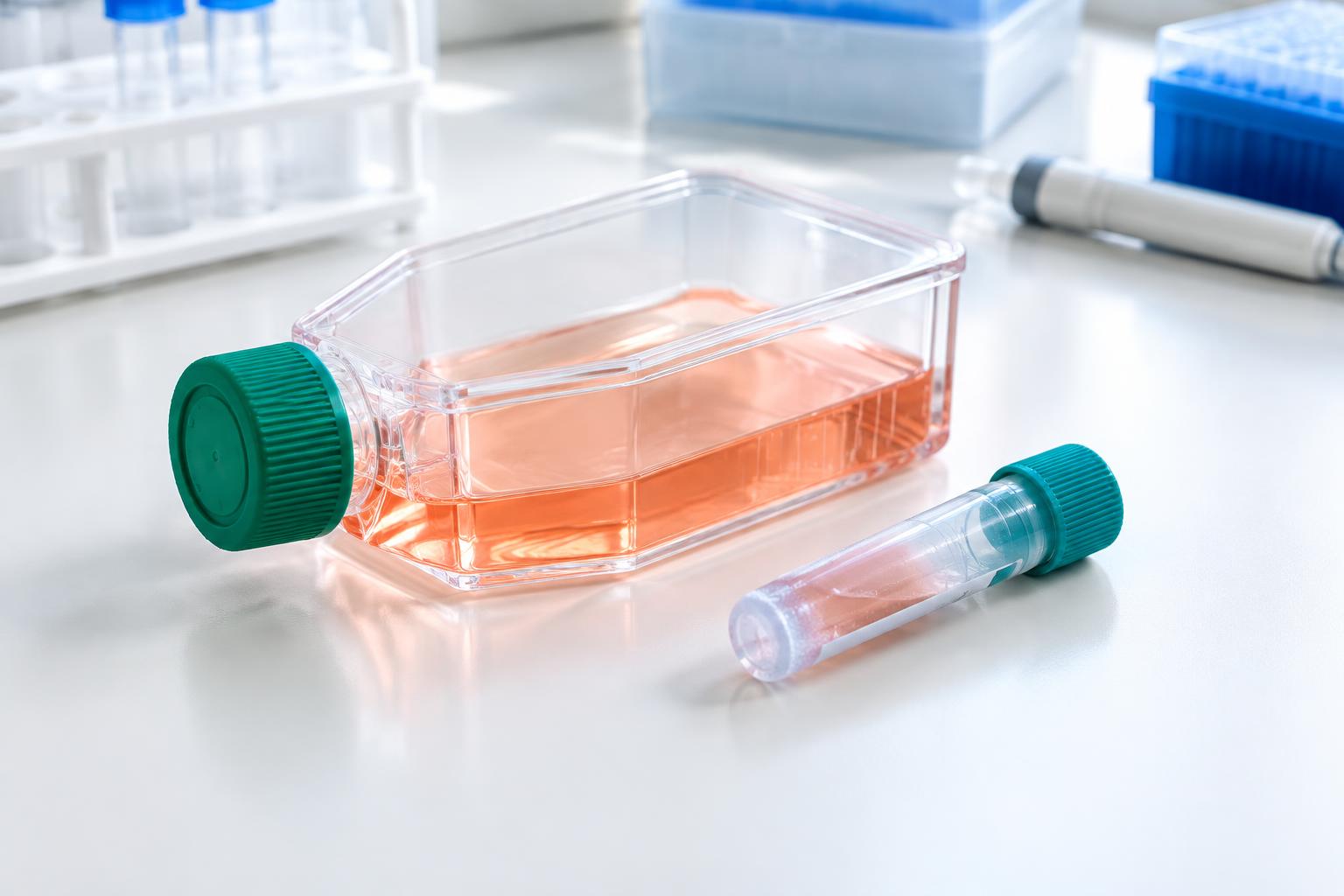
When the time comes to utilize stored cells, EHL BIO follows a rigorous protocol starting with evaluation and restoration planning by the specialist team. The cryopreserved cells are re-cultured and expanded under safety standards to achieve the ideal quantity and high purity.
We hold patents for specialized cell isolation and cultivation from adipose tissue and urine, including intensive quality checks. Whether for joint health or quality of life restoration goals, our focus is on maximum effectiveness. EHL Thailand coordinates and follows up closely to ensure an improved quality of life.
Frequently asked questions
Does cryopreservation affect cell quality?
EHL BIO’s -196°C cryopreservation technology is designed to maintain cell viability and efficacy as close to the initial state as possible, according to team assessments.
What types of cells can be stored?
We provide banking services for adipose-derived stem cells (ADSC), urine-derived stem cells, and various immune cells such as NK and T cells.
What are the restoration goals for using stored cells?
The goal is health restoration and long-term quality of life improvement. Services are available at EHL Cell Clinic in Seoul, South Korea, with EHL Thailand coordinating all arrangements.
Related conditions
Based on EHL BIO information: EHL BIO · EHL BIO · EHL BIO. Each care plan follows an individual EHL assessment.