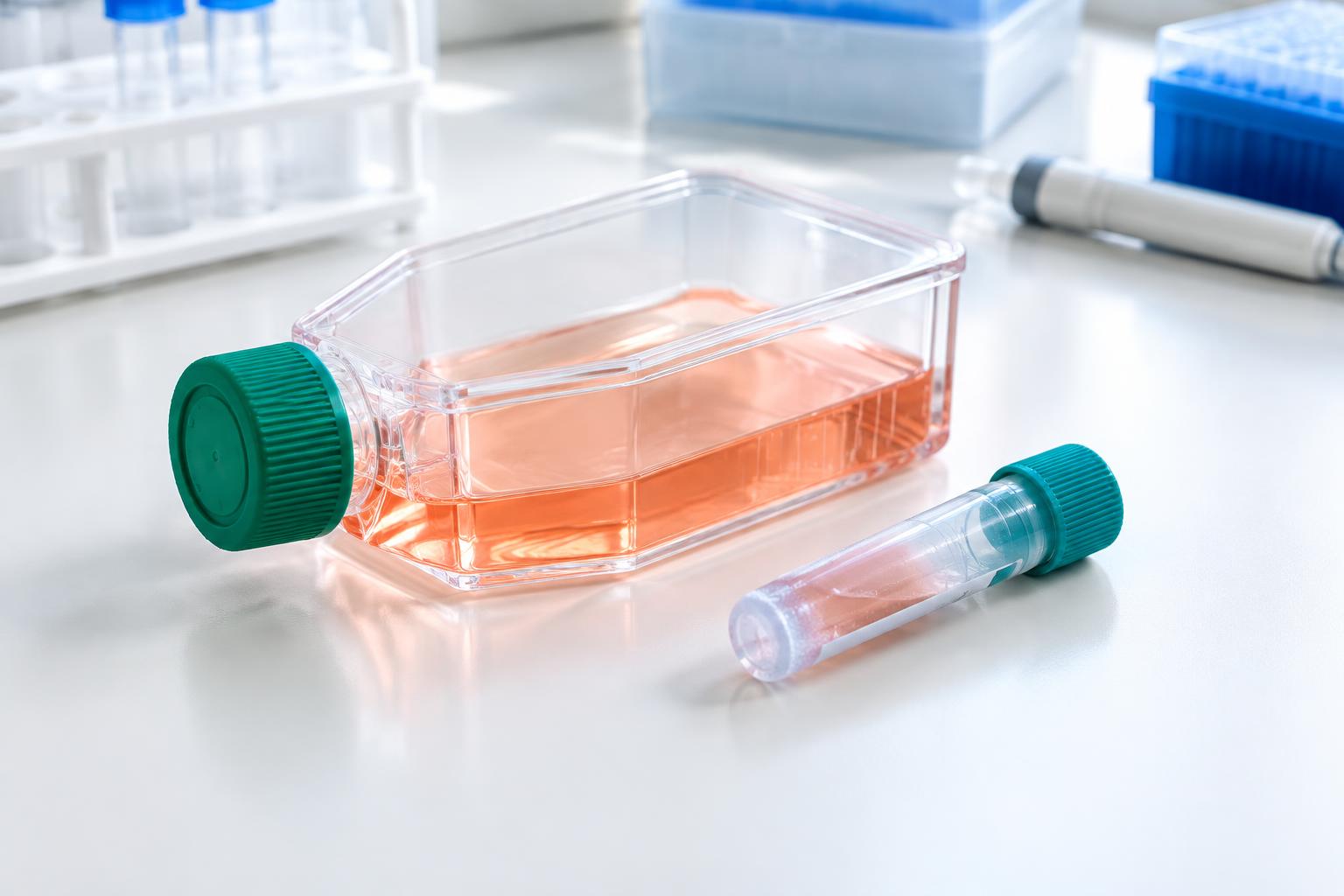
Quick answer
The cell banking process at EHL BIO involves six key steps: initial consultation, medical evaluation, travel planning, sample collection at EHL Cell Clinic in Korea, GMP-certified cultivation, and secure cryogenic storage at -196°C, followed by professional post-service monitoring.
Key takeaways
- Operated under maximum safety standards of Class 100 and GMP certification.
- Utilizes cryogenic storage at -196°C to preserve cell viability and quality.
- Dedicated Thai coordination team supporting the entire process from consultation to follow-up.
- Production capacity supports up to 6,000 lots per year for regional patients.
The Importance of Future-Proof Cell Banking
EHL BIO focuses on banking Stem Cells and Immune Cells to provide future options for health restoration and improved quality of life. We believe that preserving cells while the body is healthy is crucial. Stem cells possess the unique ability to differentiate into various tissues, such as brain, cartilage, and muscle, and utilize the Homing Effect to repair damaged areas efficiently.
Furthermore, immune cell banking is a cornerstone of modern regenerative medicine, aiding in balancing the body's defense mechanisms. EHL BIO is committed to developing technologies that maximize cell viability, ensuring that banked cells remain at peak quality, ready for personalized treatment plans whenever they may be needed in the future.
The 6-Step Journey at EHL BIO
The cell banking process begins with an initial inquiry through EHL Thailand, supported by a dedicated Thai coordination team. The second step involves medical professionals evaluating health documents to determine suitability. The third step focuses on travel planning to the Republic of Korea, where the center provides detailed preparation guidance.
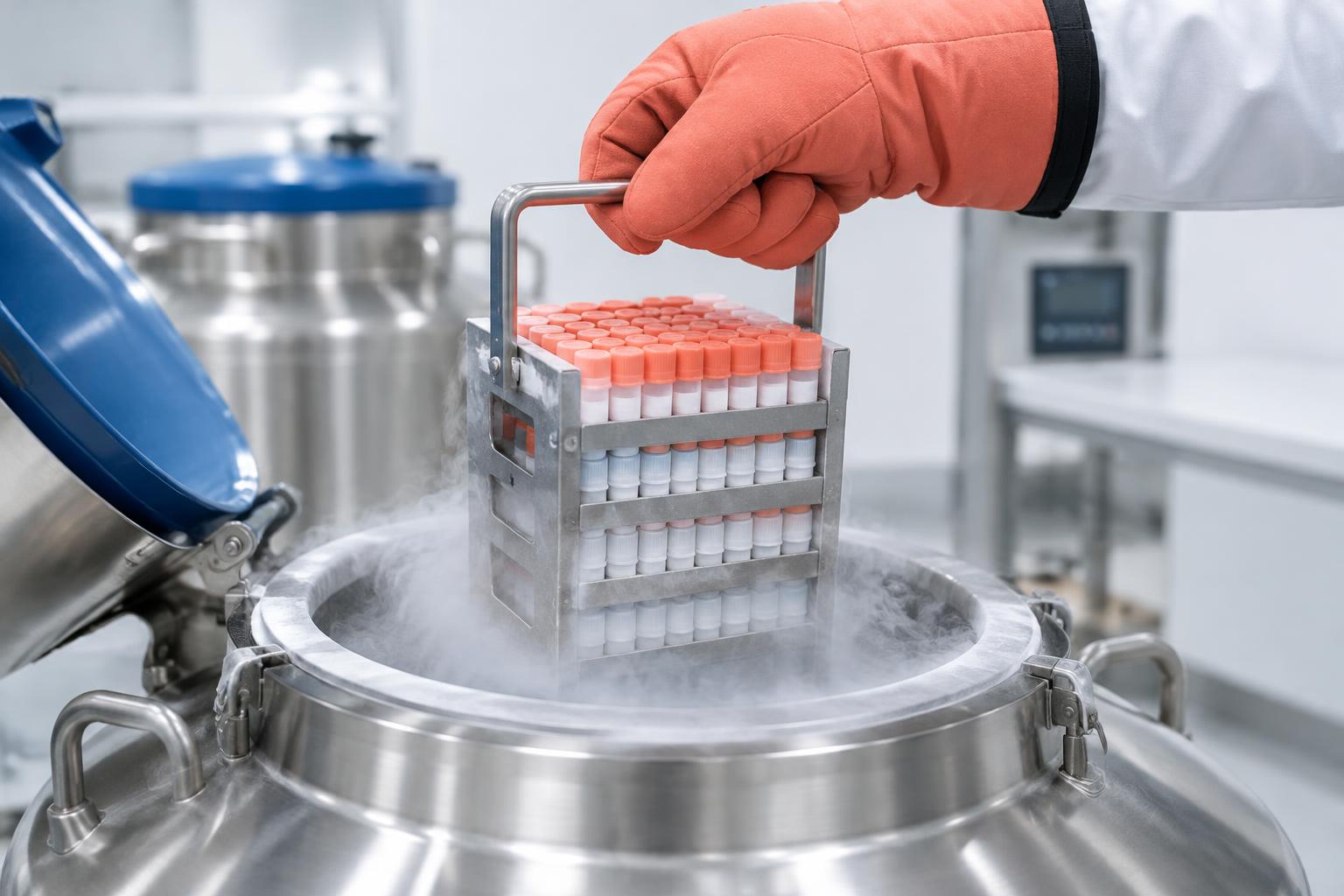
Upon arrival in Korea, the fourth step includes a physical examination and sample collection (such as adipose or blood) at the EHL Cell Clinic in Apgujeong. The fifth step is the cultivation process in GMP-certified laboratories with Class 100 cleanliness, capable of expanding cells up to 1,000 times more than usual while maintaining strict quality control and cryogenic storage at -196°C. Finally, the sixth step involves post-service monitoring once the patient returns to Thailand to ensure long-term efficacy.
Innovation for Life and the Future: Cell cultivation technology delivering 1,000 times higher yield under the highest safety standards.
Safety Standards and GMP Innovation
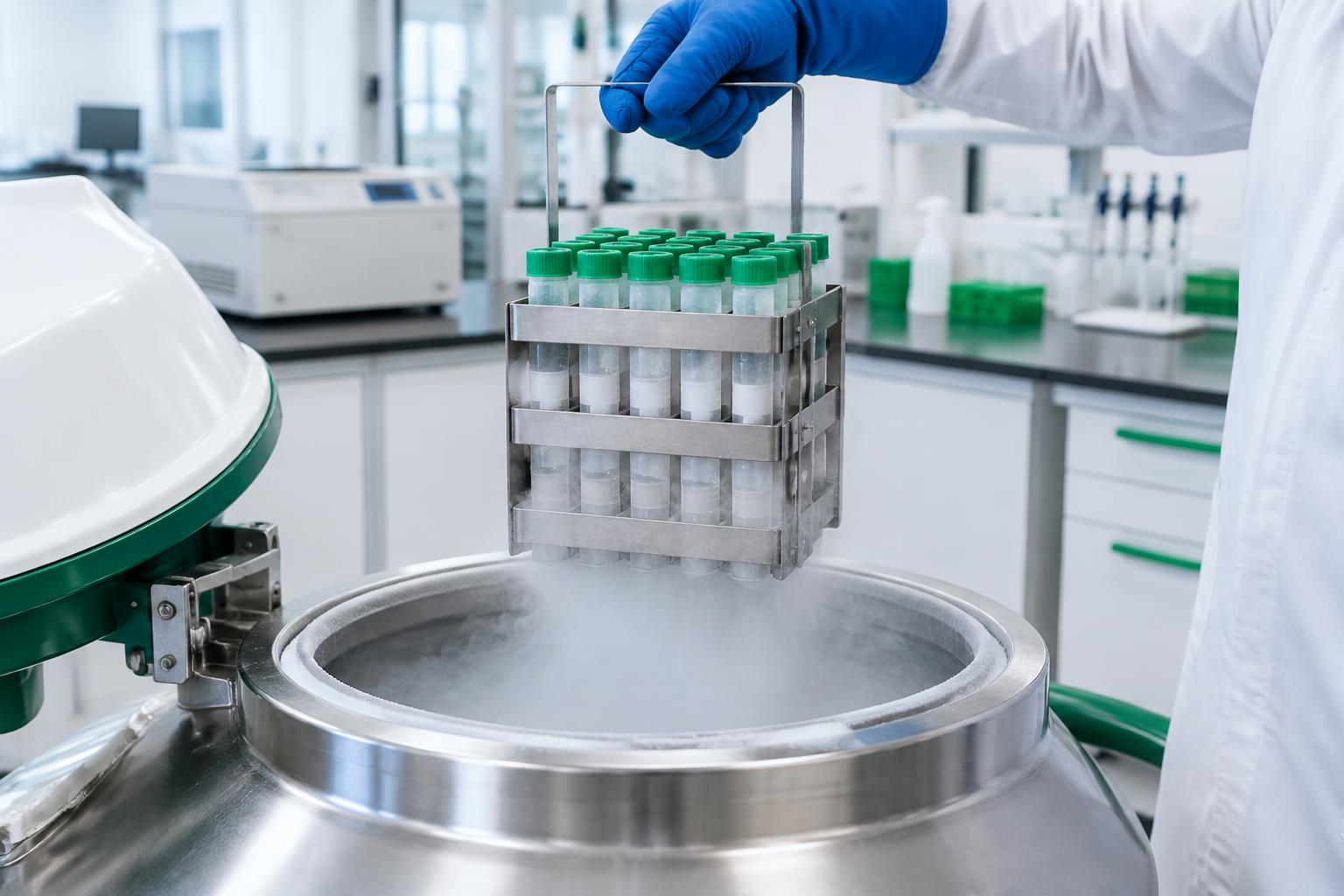
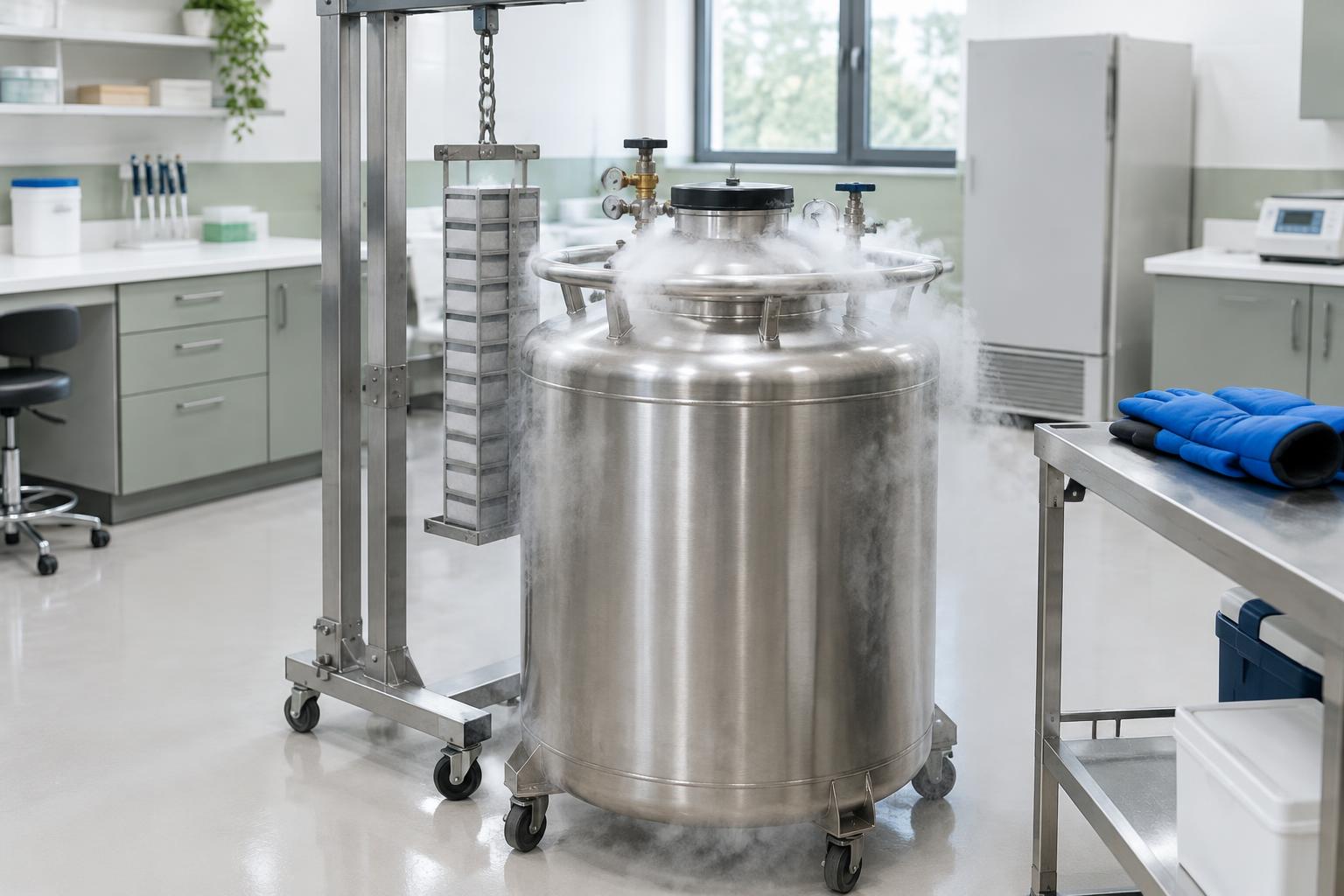
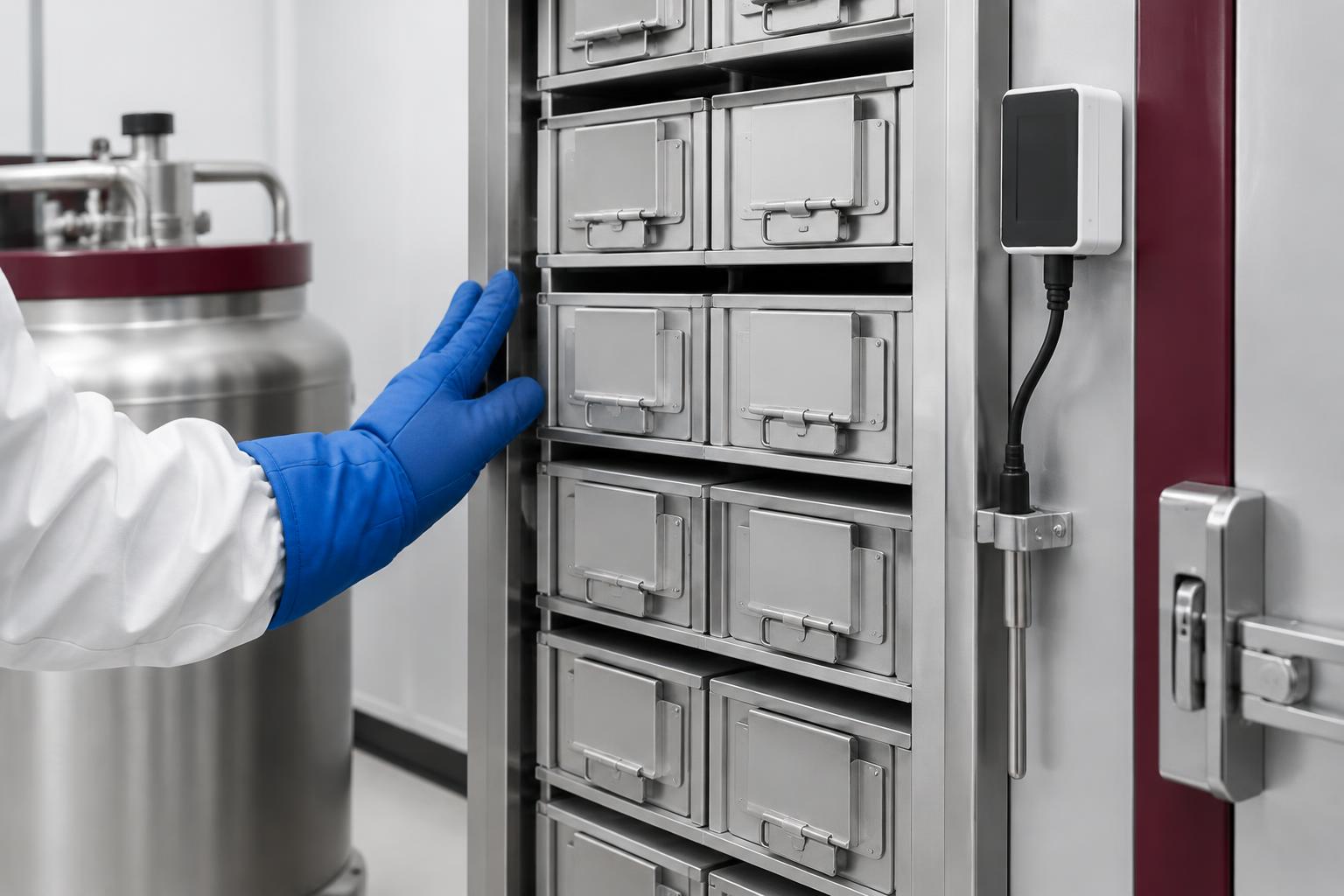
At the heart of EHL BIO is our cell production facility that meets Good Manufacturing Practices (GMP) and was the first in Korea to be licensed as a 'Human Cell Management Business'. Our facilities are equipped with high-end technology, including Biological Safety Cabinets (BSC), AHU air management systems with HEPA filters, and liquid nitrogen tanks for long-term cryogenic storage.
With over 85 research personnel and the capacity to cultivate 6,000 lots per year, we prioritize quality control to ensure that cell therapy products are safe and retain their full biological properties. The entire cultivation and storage process is governed by Korea’s Advanced Regenerative Bio Act, maintaining high regulatory standards.
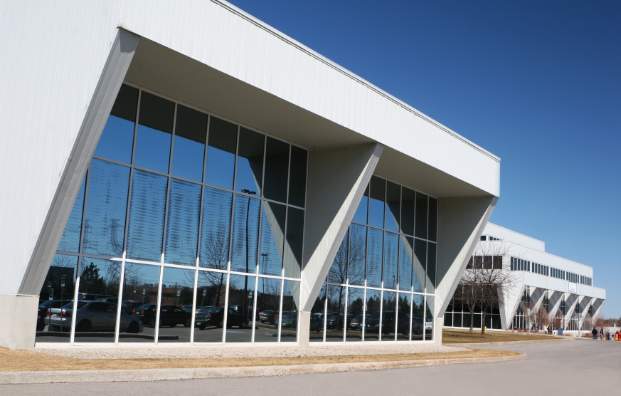
Professional Network and Expertise
EHL BIO is a Korean research institute with a network of over 100 partner hospitals in Korea and coordination in Thailand. Strategic collaborations with leading universities, such as Chungnam National University Hospital and Gangnam Severance Hospital, ensure continuous progress in clinical research.
Whether developing Adipose-derived Stem Cells (ADSC) or Urine-derived Stem Cells—which earned the prestigious Jang Young-shil (IR52) Award—this expertise is applied during the banking process to ensure that harvested cells remain highly pure and effective for recovery as evaluated by the EHL team. Integrating medical and pharmaceutical technology is the ultimate goal of CEO MD Hong-gi Lee, aiming to deliver longevity and optimal health to patients.
Frequently asked questions
What are the goals for recovery and quality of life through cell banking?
The primary goal is to use high-quality cells for restoration and maintenance of various tissues as evaluated by the EHL team, promoting better quality of life and supporting long-term natural repair mechanisms.
How long do I need to stay in Korea for cell banking?
The cell collection process is generally brief. However, the travel plan will be determined by the EHL medical team after the initial health evaluation to best suit each individual's condition.
How long can the stored cells be kept?
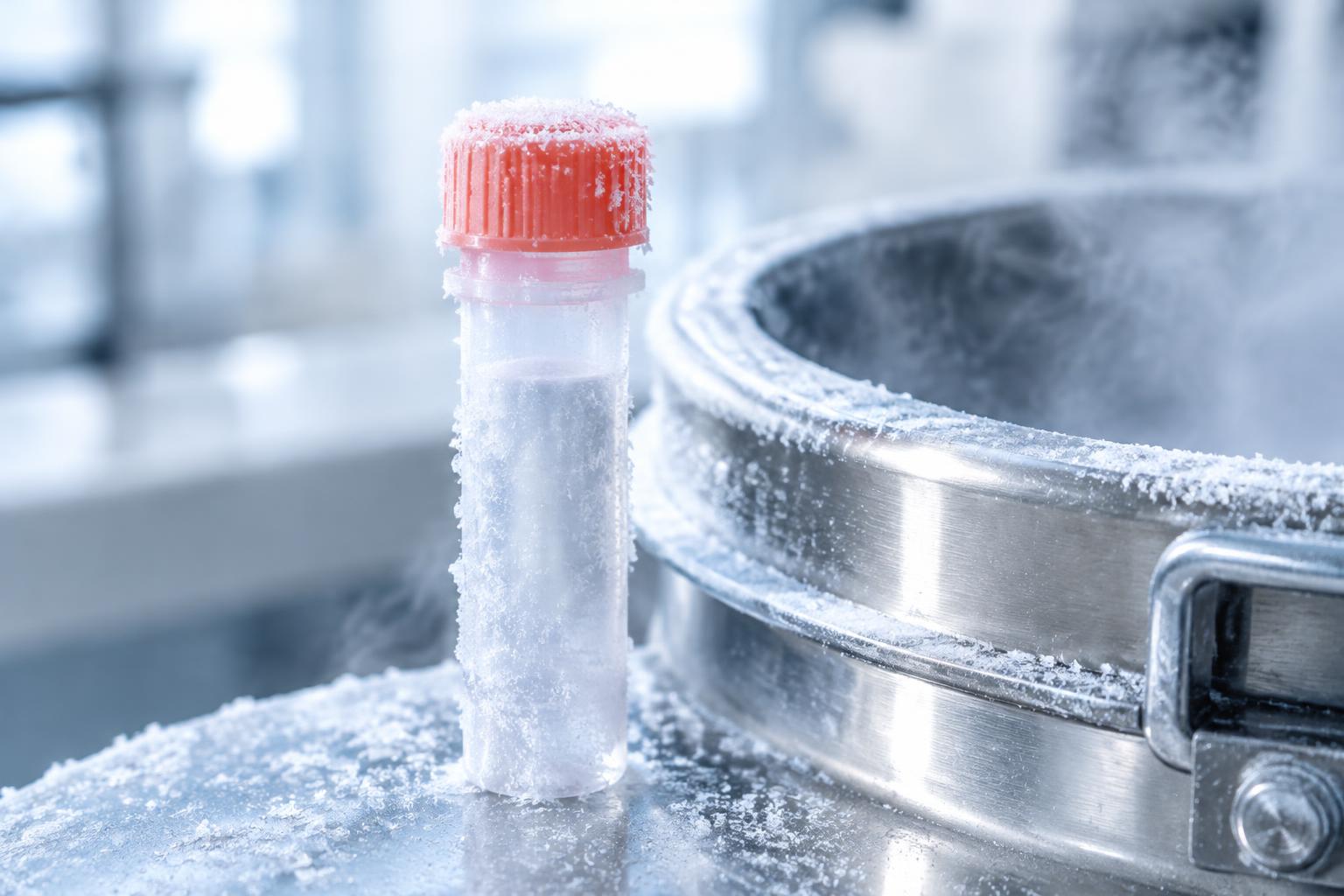
EHL BIO utilizes cryogenic storage at -196°C (Liquid Nitrogen), a technology that preserves cell quality for the long term under strict GMP supervision.
How safe is using one's own (Autologous) cells?
Using autologous cells is a high-safety positive option as it minimizes immune rejection. At EHL, every step follows strict quality control in accordance with Korean standards.
Related conditions
Based on EHL BIO information: EHL BIO · EHL BIO · EHL BIO · EHL BIO. Each care plan follows an individual EHL assessment.