Quick answer
Storing cells at −196°C using liquid nitrogen is a technology that completely halts biological activity, ensuring that the cells' self-renewal and multipotential capabilities remain identical when needed for future treatments.
Key takeaways
- Preserving cell quality in a state of cryopreservation.
- Maintains the same regenerative potential as the day of collection.
- EHL BIO's proprietary freezing technology under GMP standards.
- Supports multiple treatment cycles from a single collection.
The Science of Ultra-Low Temperature Storage
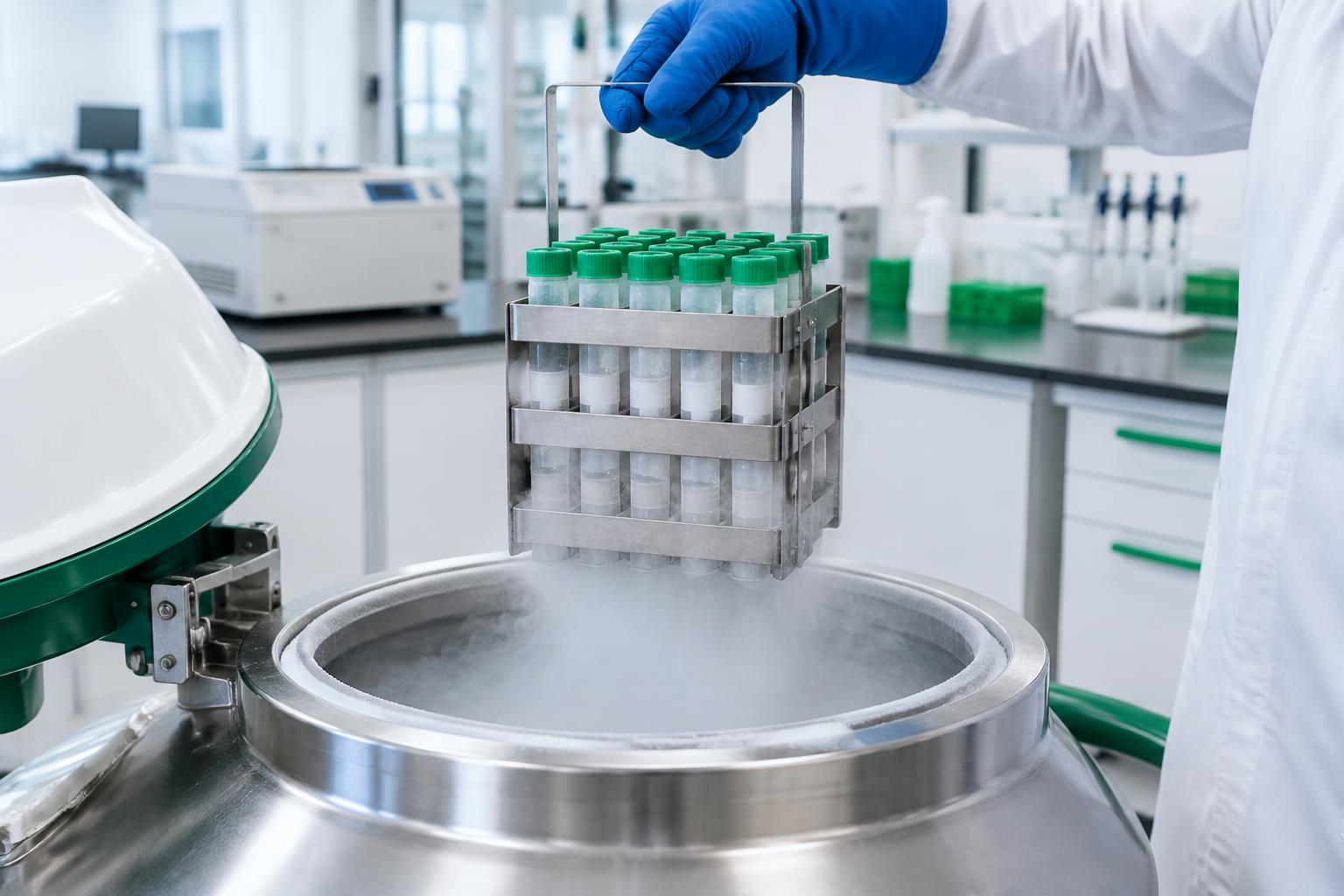
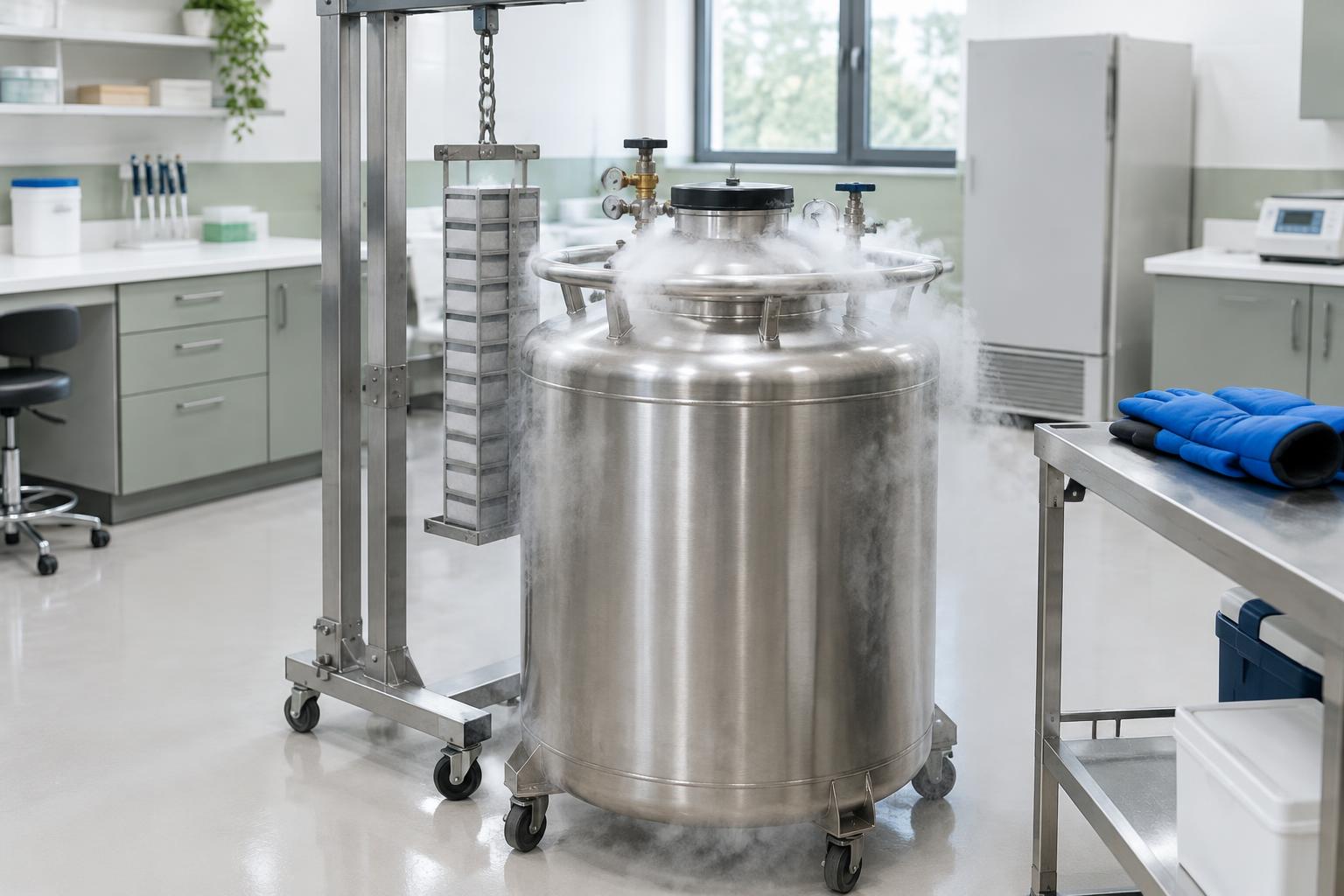
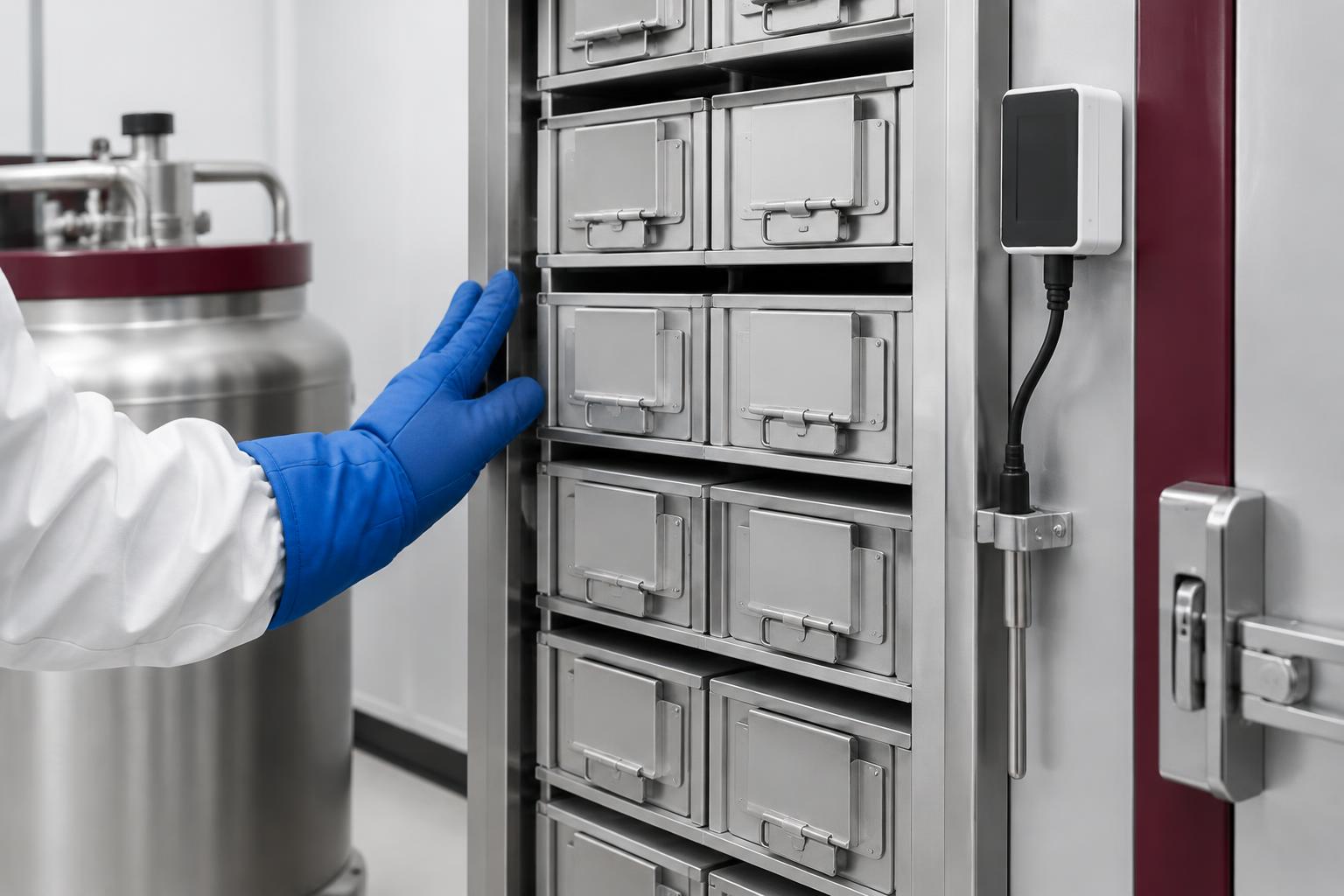
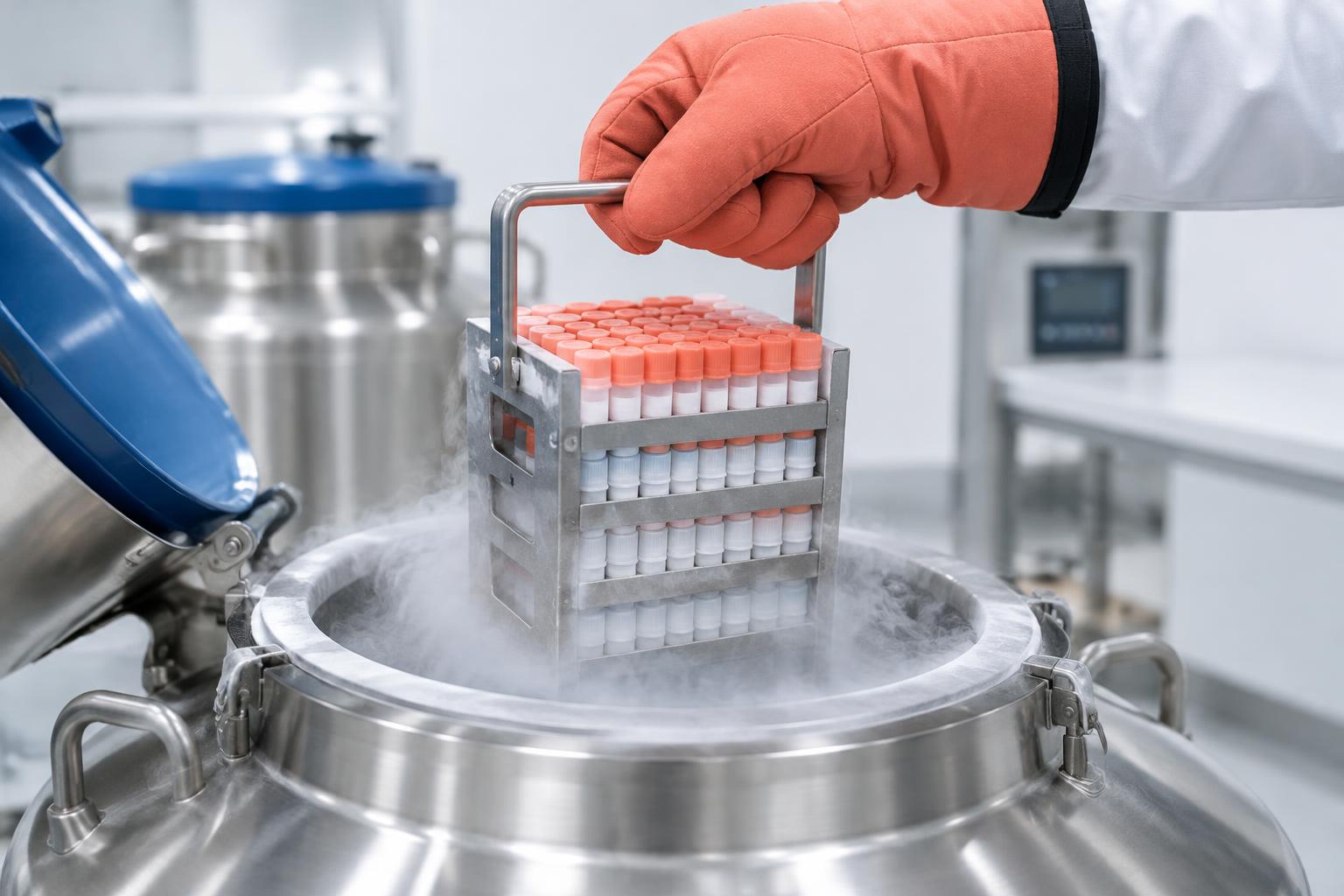
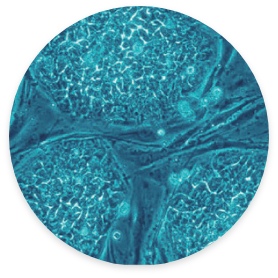
Stem cells possess the unique ability to repair the body through Homing Effects and differentiation into various tissues. However, these cells naturally decline in quality with age. Cryopreservation at −196°C in liquid nitrogen tanks is the standard for halting cell aging. At this extreme temperature, all biological activity and metabolism within the cell are suspended, preserving its youthful state and self-renewal potency indefinitely.
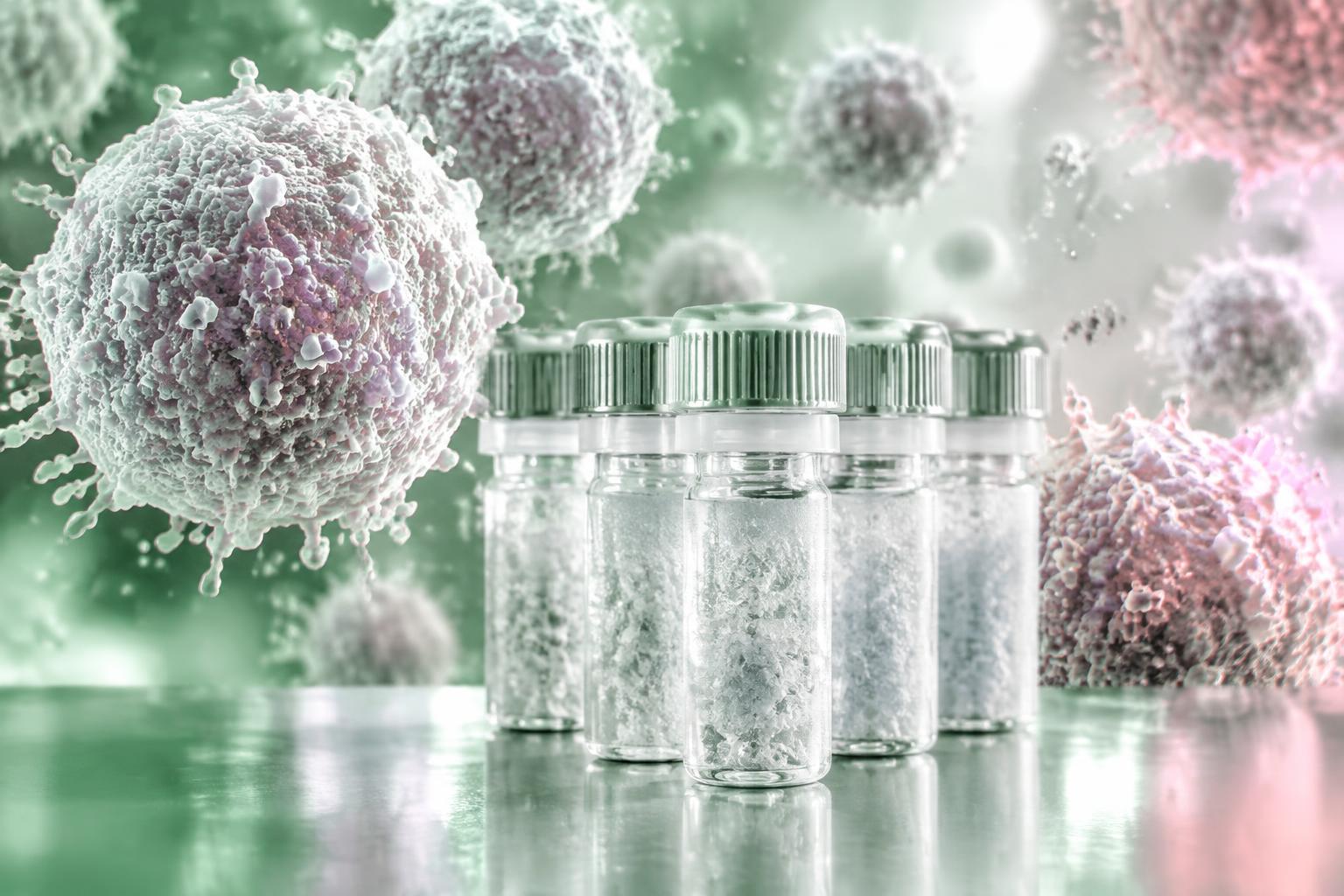
At EHL BIO, we prioritize maintaining cell quality within Class 100 environments. This ensures that adipose-derived stem cells (ADSC) or immune cells remain highly viable and ready for cultivation in regenerative medicine whenever the body requires repair in the future, according to EHL team assessments.
Why Exactly −196°C?
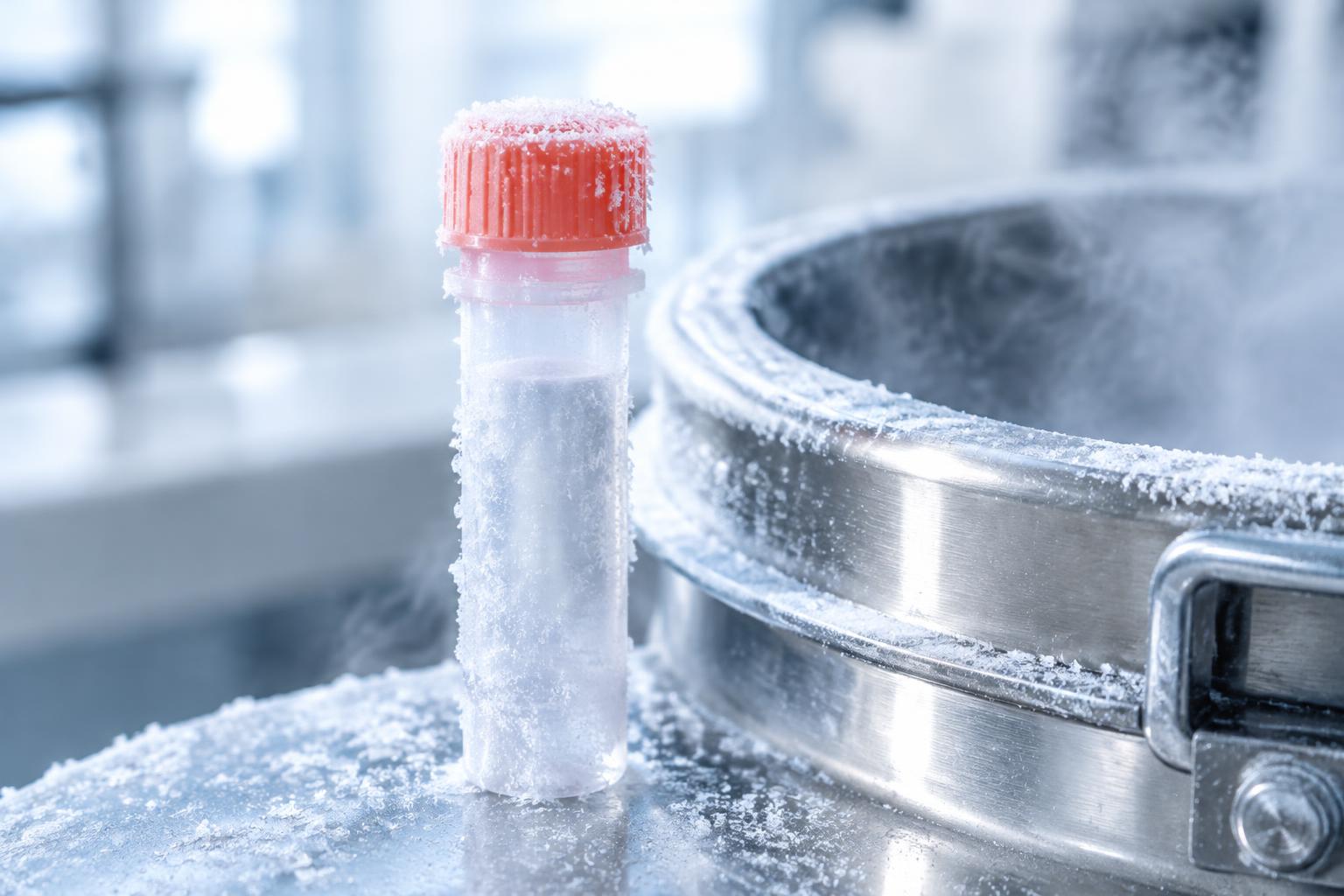
−196°C is the boiling point of liquid nitrogen, providing the ideal environment for long-term biological storage. Maintaining this specific temperature prevents the formation of internal ice crystals that could affect cell membranes and organelles. Storing at even slightly higher temperatures might allow enzymatic activities that lead to the loss of multipotentiality, which is essential for transforming into cartilage, muscle, or nerve tissues.
Choosing EHL BIO's storage facilities, which hold CPC (Cell Processing Center) certifications from Korea, ensures that your stored cells are monitored under strict quality control systems 24/7 to maintain the most stable temperature possible.
Storing cells at −196°C is not just freezing; it is preserving the opportunity for future health restoration with excellent quality.
Storage Innovation for Aging Well
EHL BIO’s primary goal is to enhance quality of life through the 'Aging Well' concept. Storing cells while healthy is akin to 'freezing time' for your biological health. Our storage technology allows a single collection of blood or fat to be divided, cultured, and used for several restoration sessions, significantly reducing the patient's burden of repeated procedures.
Furthermore, our GMP-certified production facility can handle cultivation to support the quality of life, covering both stem cells and immune cells like NK and T cells. This prepares patients for future restoration and immune support. Our research team is dedicated to perfecting cryopreservation and thawing techniques to meet EHL performance standards.
Service Steps and Safety Standards from Korea
Cell banking at EHL BIO operates under Korean standards. Clients from Thailand receive systematic care, starting with consultations via the EHL Thailand team and expert medical evaluation. Patients then travel to the EHL Cell Clinic in Korea for fat or blood collection.
Samples enter a high-cleanliness separation and cultivation process before being stored at −196°C. When restoration is required, the cells are expanded under safety standards to ensure they are high-quality and ready for effective recovery and quality of life goals.
Frequently asked questions
How long can cells be stored at −196°C?
Under EHL BIO’s liquid nitrogen storage technology, cells remain in a state of biological suspension, which theoretically allows them to be stored for decades while maintaining their original quality.
Will freezing impact the cells?
EHL BIO utilizes precise temperature-controlled freezing techniques to maintain cell structure, with quality checks performed before and after freezing to ensure high cell viability according to EHL team assessments.
What are the goals for recovery and quality of life in cell storage?
Since stem cells decrease in both number and quality with age, storing them while healthy is a key goal for future recovery and enhancing quality of life.
Related conditions
Based on EHL BIO information: EHL BIO · EHL BIO · EHL BIO · EHL BIO. Each care plan follows an individual EHL assessment.