Quick answer
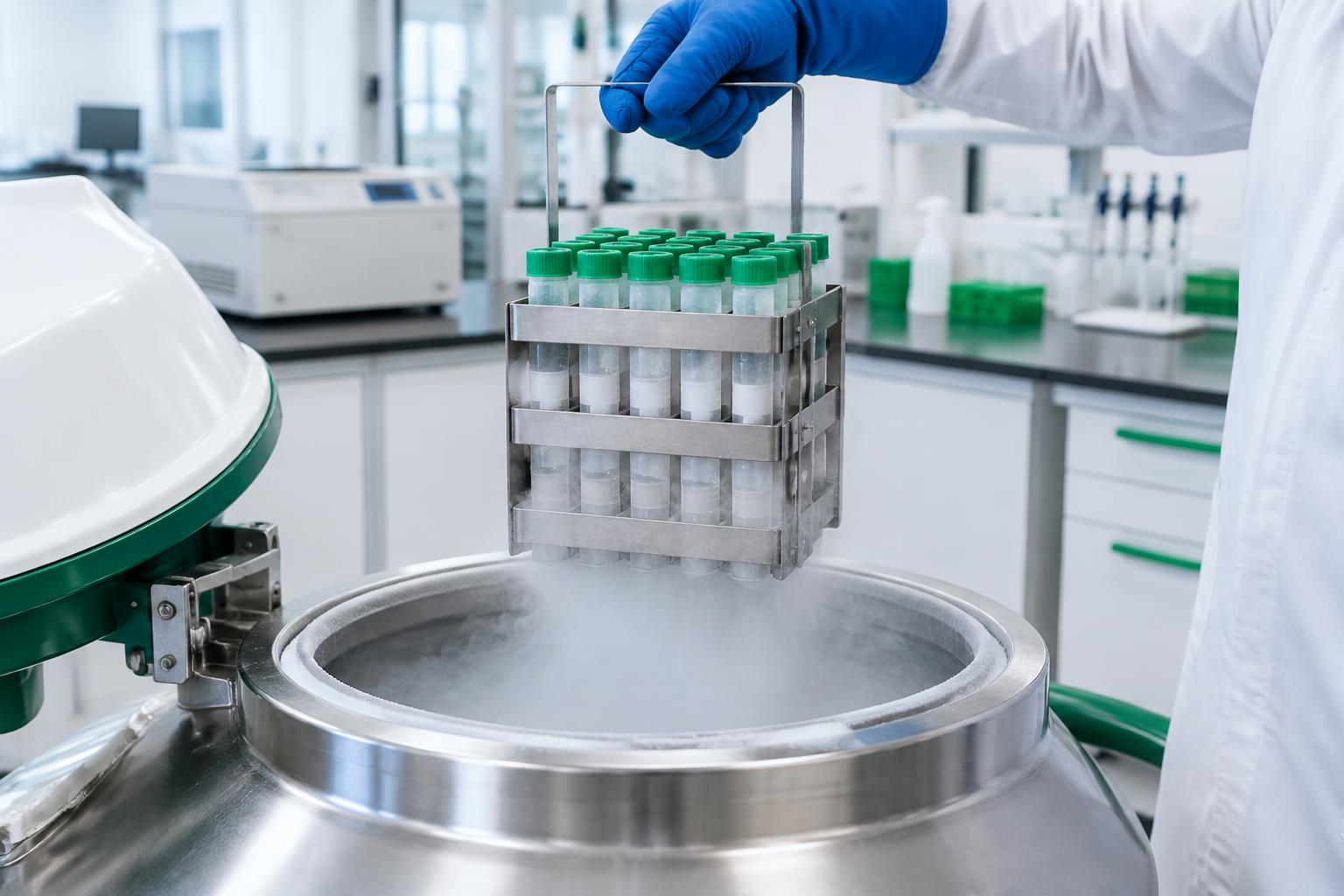
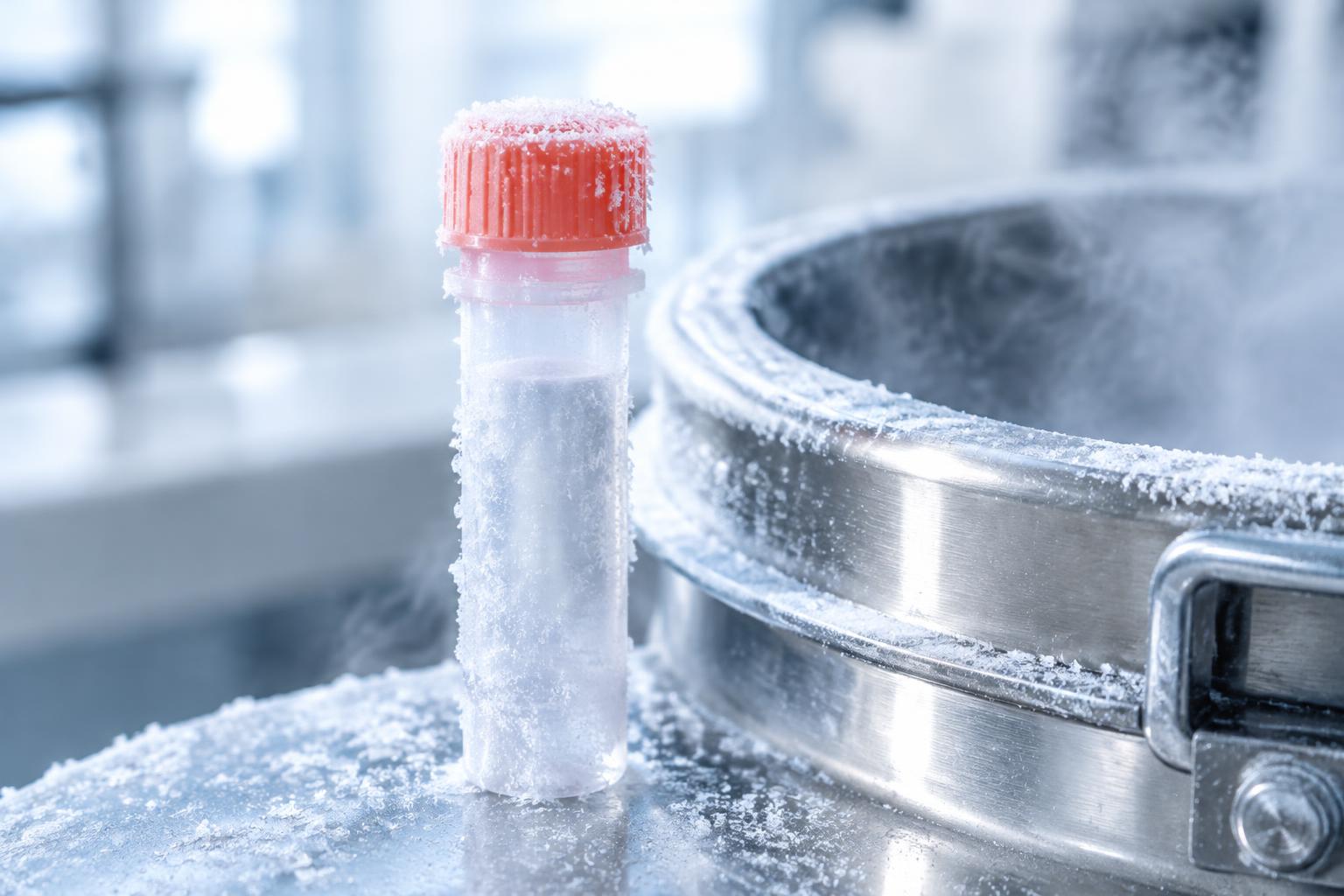
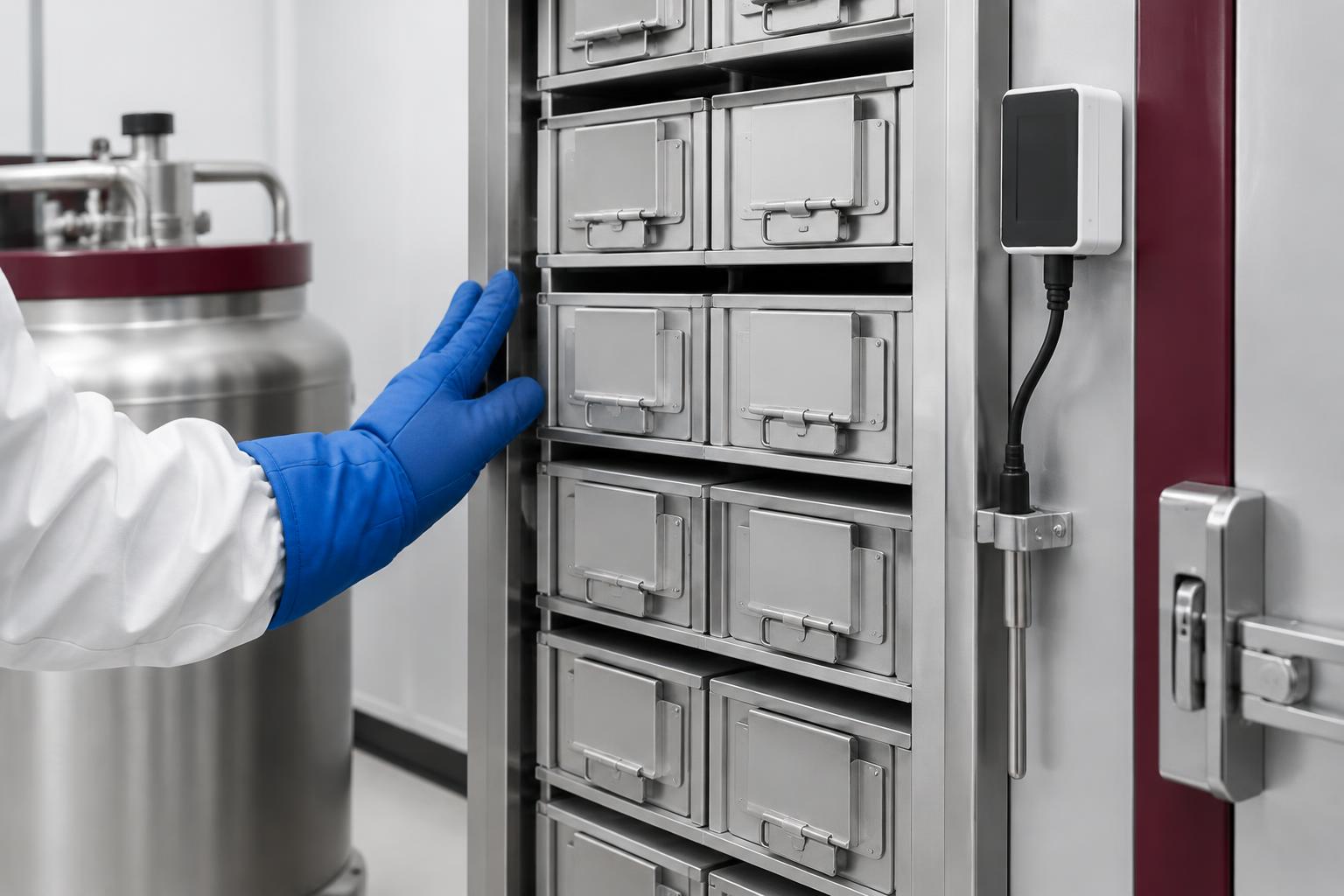
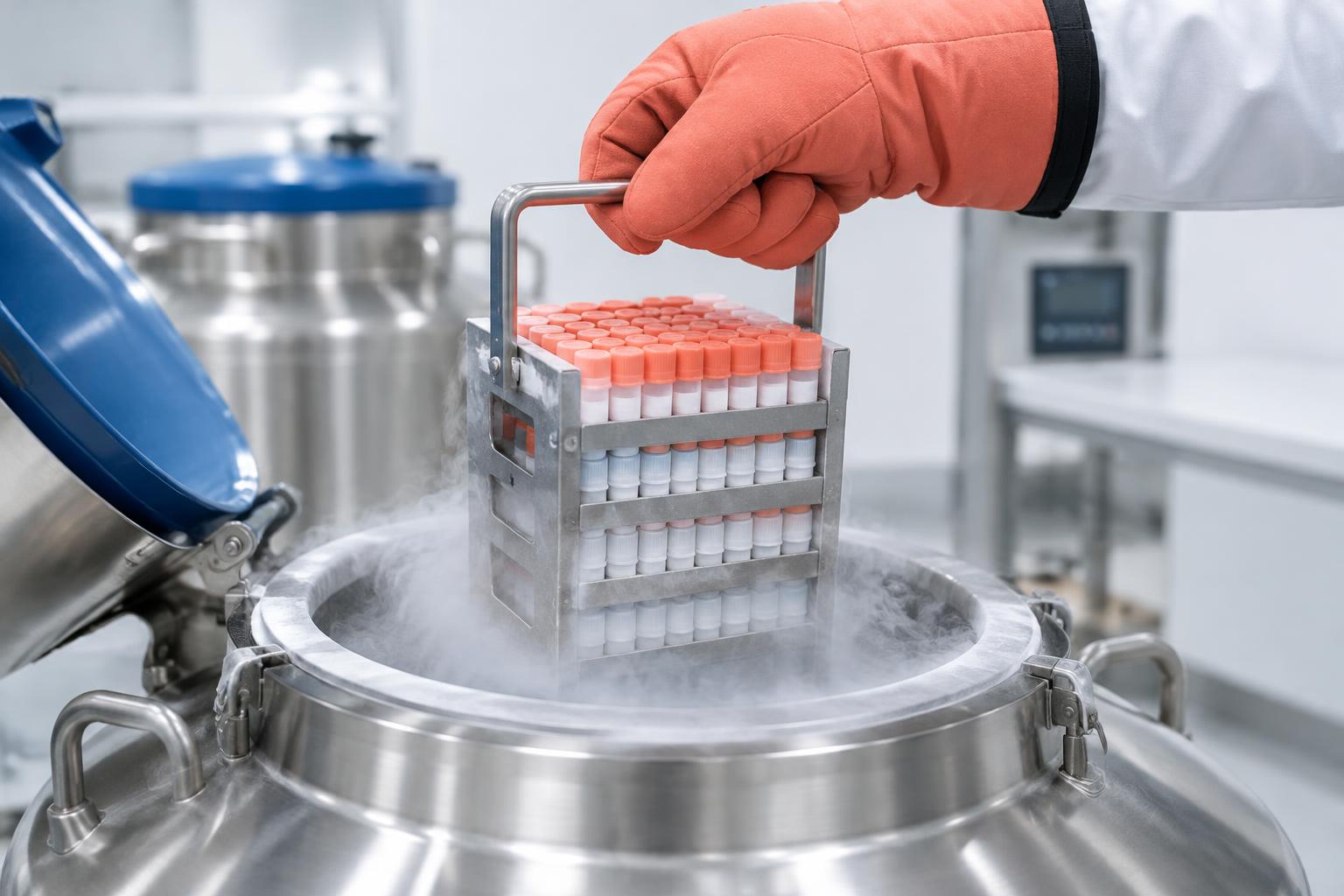
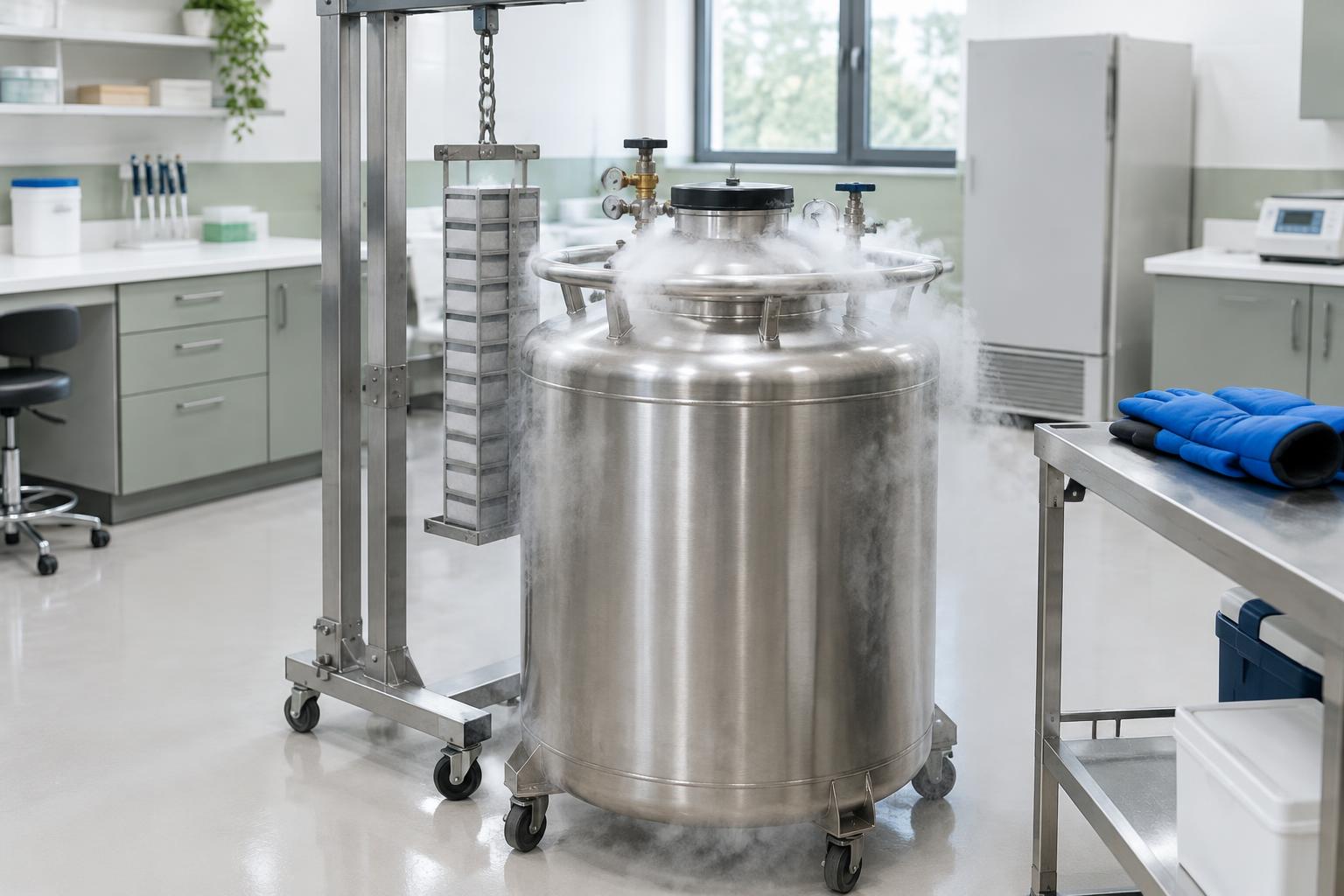
Utilizing liquid nitrogen at temperatures as low as -196°C is the cornerstone of Cell Banking to halt biological activity while maintaining peak cellular condition. At EHL BIO, we employ high-standard liquid nitrogen storage tanks and GMP-certified cryopreservation systems to preserve the efficacy of stem and immune cells for future use.
Key takeaways
- Cells are stored at a critical temperature of -196°C to preserve self-renewal capabilities.
- Storage processes are GMP-certified, supporting a production capacity of up to 6,000 lots annually.
- EHL BIO's cryopreservation technology ensures excellent cell survival rates.
- Supports storage for adipose-derived stem cells, urine-derived stem cells, and specialized immune cells.
The Importance of -196°C for Cell Preservation
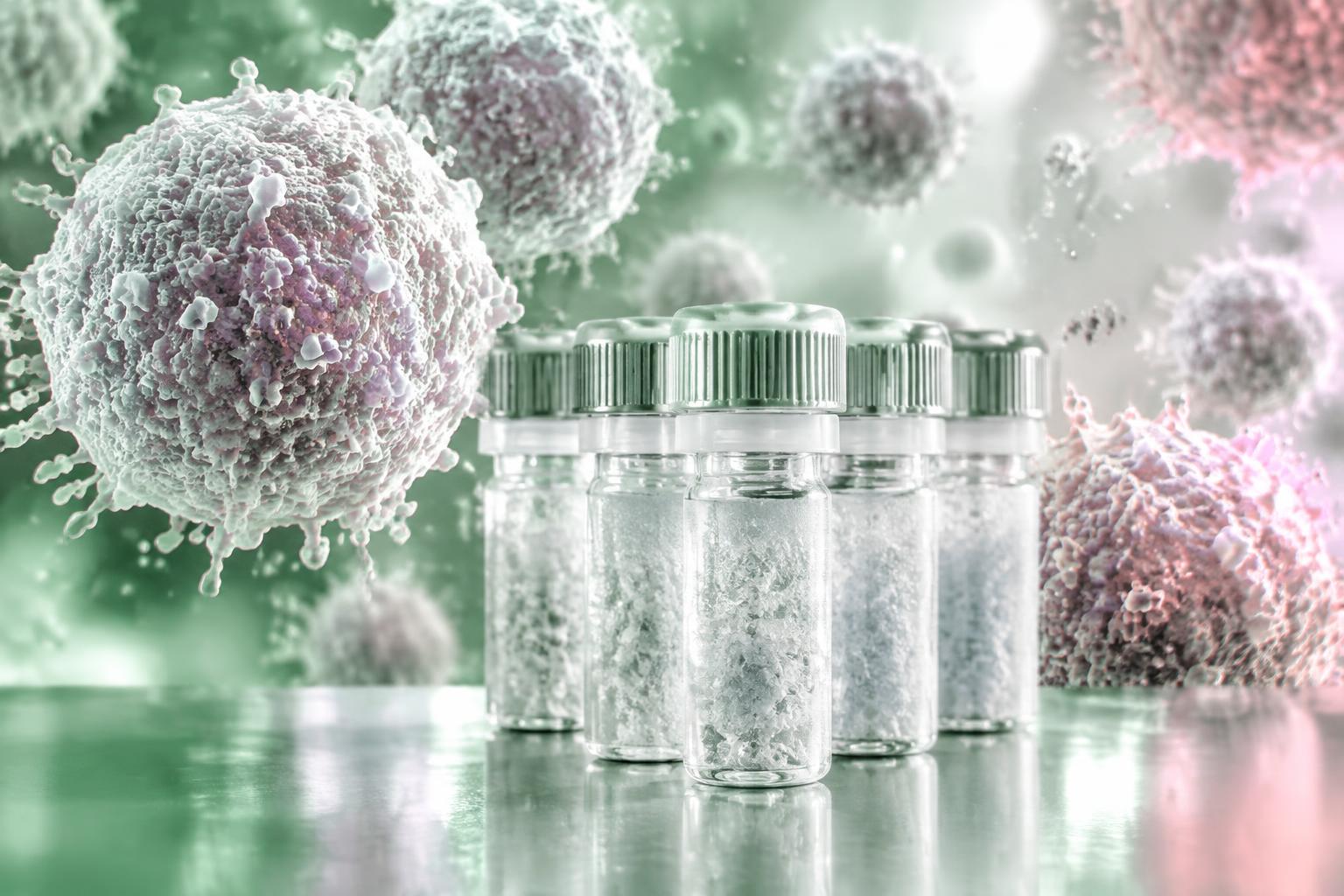
Stem cells and immune cells possess unique properties such as self-renewal and multipotentiality. To maintain these characteristics for as long as possible, halting molecular activity through deep freezing with liquid nitrogen is essential.
At EHL BIO, we prioritize maintaining a stable temperature to prevent changes to cellular structures. Storing cells in liquid nitrogen tanks within our GMP facility—equipped with high-efficiency air handling systems and HEPA filters—ensures cells remain in the most complete state possible. This process eliminates contamination risks and ensures cells are ready for future expansion and use in restoring conditions like osteoarthritis or kidney degeneration, based on individual medical assessments by the EHL team.
GMP Standards and EHL BIO’s Cell Storage Innovation
EHL BIO is a biotechnology leader specializing in stem cell isolation and cultivation, achieving excellent cell viability. Our production standards meet Class 100 cleanroom requirements under the supervision of relevant authorities in Korea. We are also licensed for Human Cell Management Business in Korea.
Our liquid nitrogen storage system goes beyond simple freezing. We integrate advanced medical equipment, including Biological Safety Cabinets (BSC) and controlled-rate cooling systems, to prevent cellular shock during temperature reduction. This ensures the quality of immune cells, such as NK cells and T cells, which are vital for immune system restoration and future therapies.
Storing cells at -196°C is like freezing time for your health, waiting for the day your body needs restoration.
Safety and Efficacy in Cell Retrieval
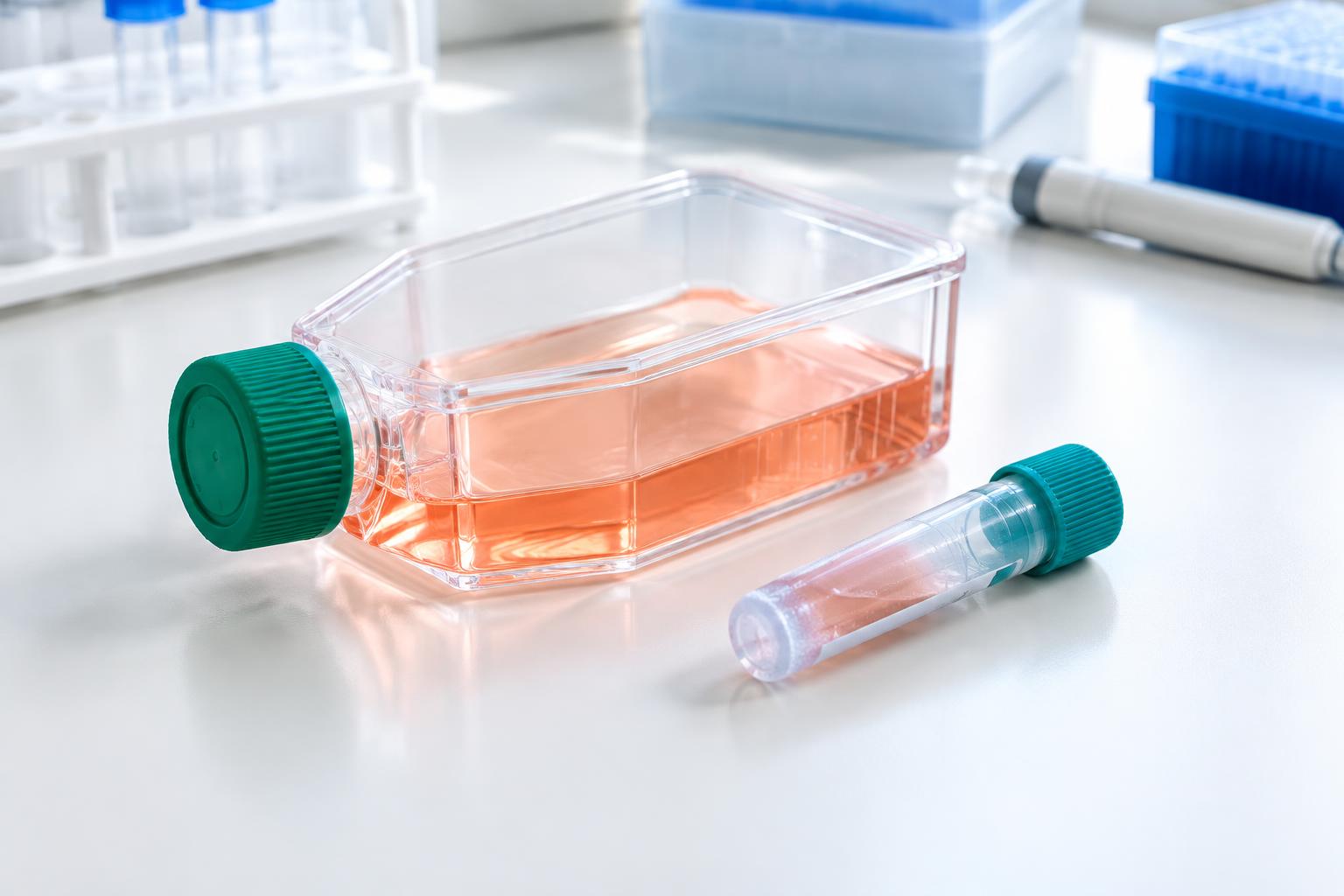
A primary advantage of using autologous cells stored in liquid nitrogen is the high safety profile, as it minimizes immune rejection risks. When a patient requires restoration, the EHL medical team retrieves the cryopreserved cells for expansion under strictly controlled conditions.
This process supports both adipose-derived stem cells and urine-derived stem cells—a unique patented technology by EHL BIO used for kidney degeneration (KDSTEM). Currently, these treatments are in the medical development stage and have received funding from the Korean government. Banking cells while the body is healthy acts as biological health insurance, ensuring the goal of restoration and a better quality of life in the future.
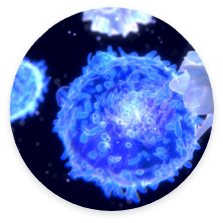
Service Protocol of EHL BIO
EHL BIO operates a medical network of partners in Korea, including EHL Thailand's coordination team for Thai clients. The journey begins with a consultation for medical record evaluation and restoration planning, followed by a visit to EHL Cell Clinic in Seoul, for cell collection.
Extracted cells are sent to our GMP center for expansion and isolation using patented SVF kits before being cryopreserved in liquid nitrogen at -196°C. Every step is governed by relevant regulations in Korea, ensuring that clients receive the highest standards of safety and quality throughout the process.
Frequently asked questions
What is the goal of restoration with stored cells in the future?
The goal is to maintain cells in their best condition to restore bodily efficiency and enhance quality of life, based on EHL team assessments.
Will freezing in liquid nitrogen affect cell viability?
The storage process is well-managed, as we use controlled-rate freezing technology and cryoprotectants to ensure high cell viability and maintain excellent efficacy.
How long can cells be stored?
Theoretically, storage at -196°C allows cells to be preserved for several decades without losing their biological properties.
Related conditions
Based on EHL BIO information: EHL BIO · EHL BIO · EHL BIO · EHL BIO. Each care plan follows an individual EHL assessment.