Quick answer
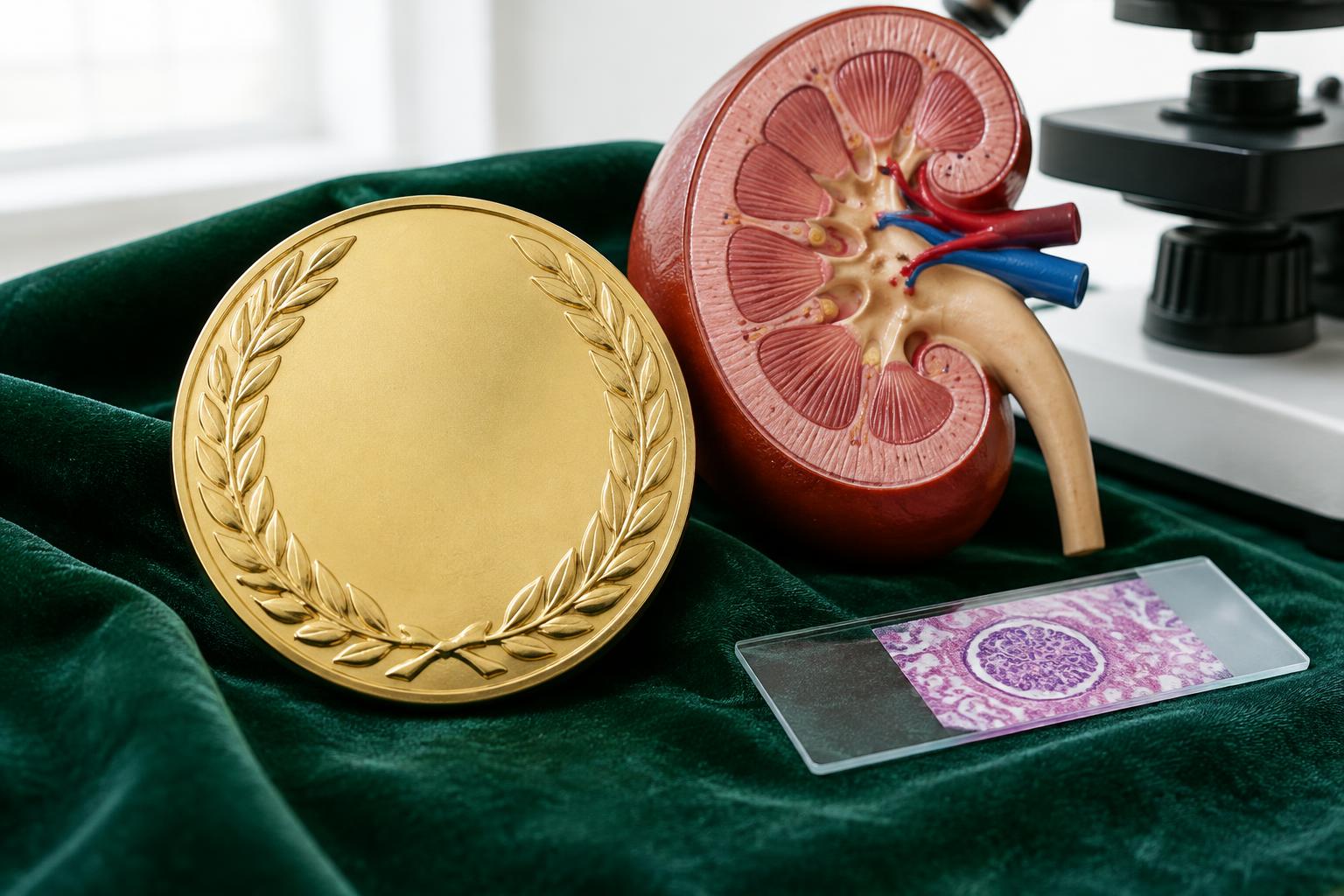
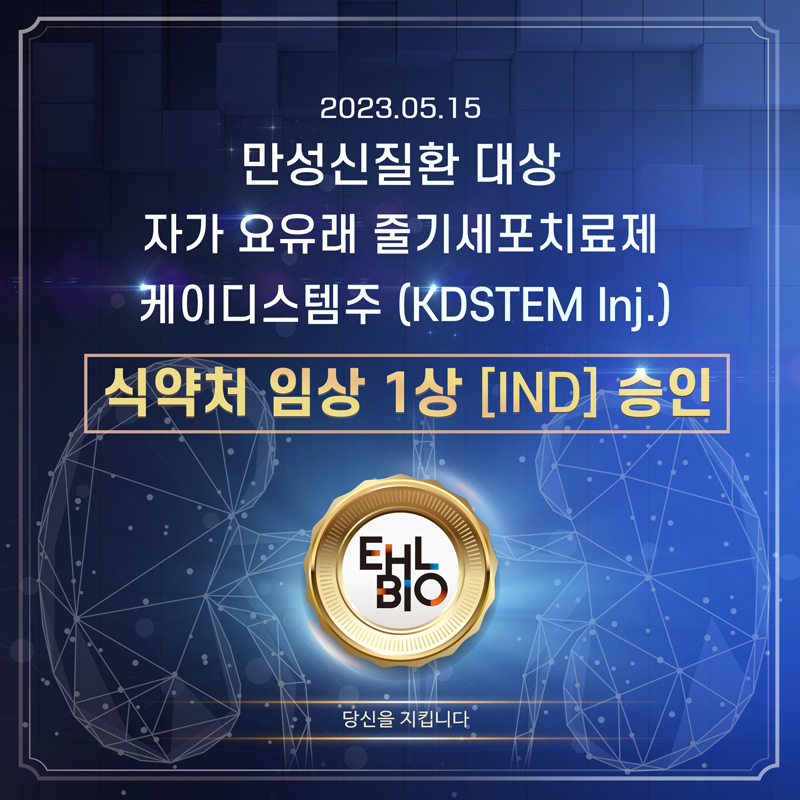
The IND Phase 1 approval for KDSTEM by the Korean MFDS validates the clinical trial protocol to assess the safety of autologous urine-derived stem cells in Chronic Kidney Disease patients, marking a specific advancement for this cell source in kidney therapy according to EHL team assessment.
Key takeaways
- Approved for IND Phase 1 clinical trials by the Korean MFDS.
- Utilizes non-invasive Urine-Derived Stem Cell (UDSC) isolation technology.
- Targeting Chronic Kidney Disease recovery goals and quality of life by inhibition of renal fibrosis.
- Innovative therapy featuring Klotho protein secretion to combat cell aging.
Success in KDSTEM IND Approval
EHL BIO, a leading regenerative medicine company in South Korea, has achieved a significant milestone with the Ministry of Food and Drug Safety (MFDS) approving the Investigational New Drug (IND) Phase 1 application for KDSTEM Inj. This product utilizes autologous urine-derived stem cells for Chronic Kidney Disease (CKD) recovery goals. Currently, CKD management options are focused on symptom control, dialysis, or organ transplantation. The IND approval reflects confidence in EHL BIO's innovative technology and safety standards according to EHL team assessment.
The primary objective of this Phase 1 trial is to evaluate safety and therapeutic feasibility. KDSTEM has been developed under the support of the Korean Fund for Regenerative Medicine (KFRM), aiming to enhance the competitiveness of Korea's biotech industry. Moving into human clinical trials follows extensive pre-clinical research and animal studies that demonstrated potential in regenerating renal tissues and improving kidney function markers.
Urine-Derived Cell Innovation: Safe and Non-Invasive
KDSTEM stands out from other cell therapies by utilizing Urine-Derived Stem Cells (UDSC). EHL BIO holds exclusive patents for the high-purity isolation and cultivation of these cells. A major advantage of this approach is the non-invasive nature of sample collection; unlike bone marrow aspiration or liposuction, urine collection eliminates pain for the patient. Furthermore, since these cells naturally originate from the urinary system, they possess potential for targeted renal tissue regeneration.
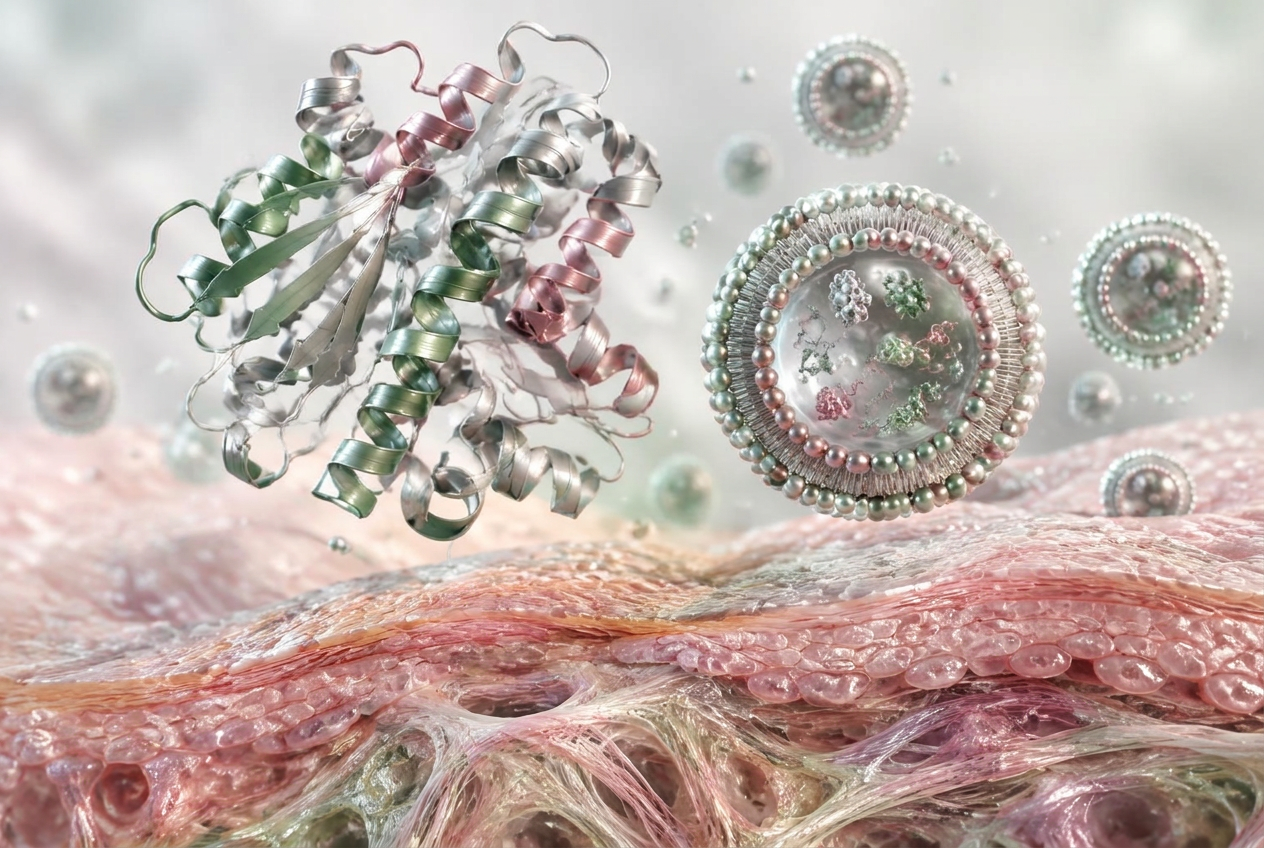
Pre-clinical studies in mouse models have demonstrated KDSTEM's ability to secrete Klotho protein, known for its antioxidant properties and effectiveness in inhibiting renal fibrosis. While this innovation remains in the medical development stage, these findings provided the foundational evidence for the MFDS to authorize human trials. The goal is to enhance the quality of life for CKD patients through advanced regenerative techniques monitored by EHL BIO's expert medical team.
KDSTEM utilizes urine-derived cells for renal recovery goals, aiming to elevate the standard of care for Chronic Kidney Disease.
GMP Standards and Quality Control
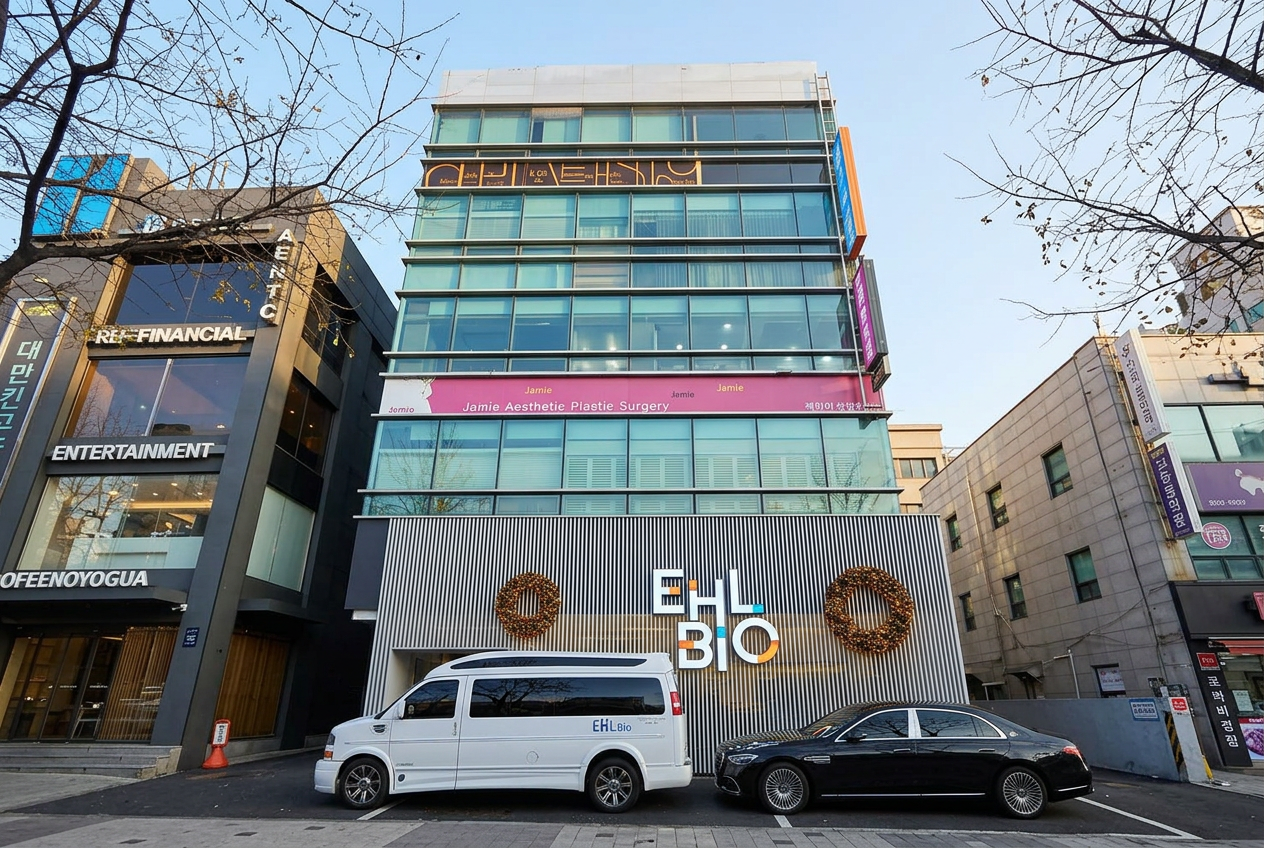
The IND approval is partly attributed to EHL BIO's robust manufacturing infrastructure. Our Cell Center operates under strict GMP (Good Manufacturing Practices) standards, verified by the Korean MFDS. Featuring Class 100 cleanroom facilities and an advanced cryogenic storage system at -196°C, we ensure high cell viability and stability. This ensures that every batch of KDSTEM used in clinical trials maintains consistent quality.
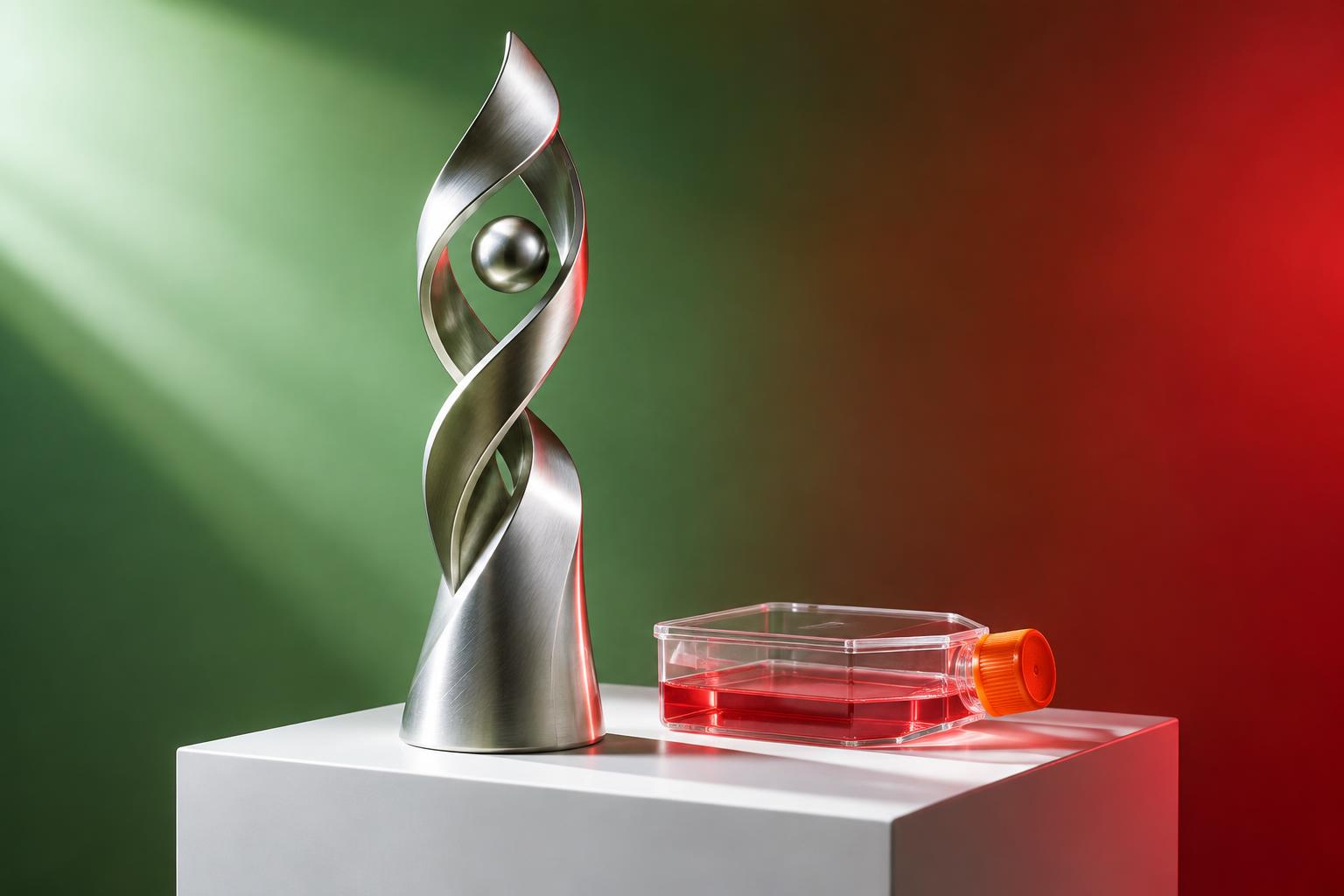
EHL BIO's cultivation technology yields high cell production, earning the prestigious 'IR52 Jang Young-shil' Award for Technological Innovation in 2025 for the development of KDSTEM. This honor confirms our industrial progress and quality management standards. These factors are crucial in accelerating the clinical trial process while maintaining safety protocols for all participants.
Moving Towards Phase 2 and New Hope for Patients
Following the official IND Phase 1 approval, EHL BIO plans to enroll the first patient in the latter half of 2023. The subsequent goal is to gather robust safety data to transition into Phase 2 clinical trials. This project offers new hope for healthcare systems as CKD prevalence continues to rise. Developing innovations aligns with our 'Aging Well' vision, aiming to enhance public health.
For patients from Thailand, EHL Thailand provides a dedicated coordination team to assist with initial consultations and travel arrangements to the EHL Cell Clinic in Seoul. The entire process—from medical document review and GMP cell cultivation to post-treatment follow-up—is conducted systematically under the Korean Advanced Regenerative Bio Act. We are committed to providing personalized recovery plans that adhere to regulatory and ethical standards.
Frequently asked questions
What is KDSTEM and what are its recovery goals?
KDSTEM is an autologous stem cell product derived from urine, developed for recovery goals and quality of life in patients with Chronic Kidney Disease.
What are the advantages of using urine-derived cells?
It offers high safety and is non-invasive, avoiding surgery for sample collection. The cells also secrete Klotho protein, which helps reduce renal fibrosis according to EHL team assessment.
What stage is the process currently in?
It has received IND Phase 1 approval from the Korean MFDS and is currently in the clinical research stage to evaluate safety and recovery efficacy.
Related conditions
Based on EHL BIO information: EHL BIO · EHL BIO · EHL BIO · EHL BIO. Each care plan follows an individual EHL assessment.