Quick answer
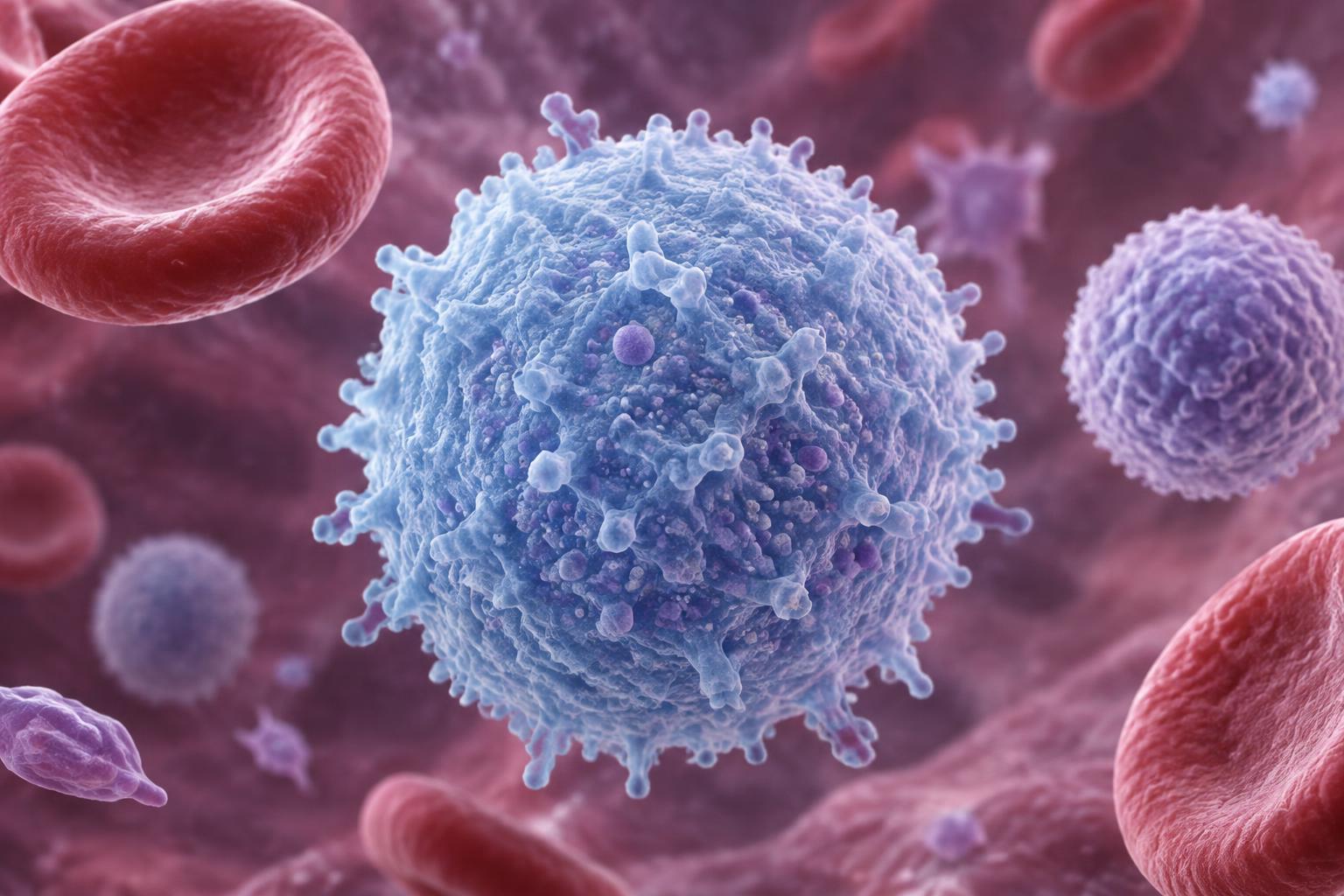
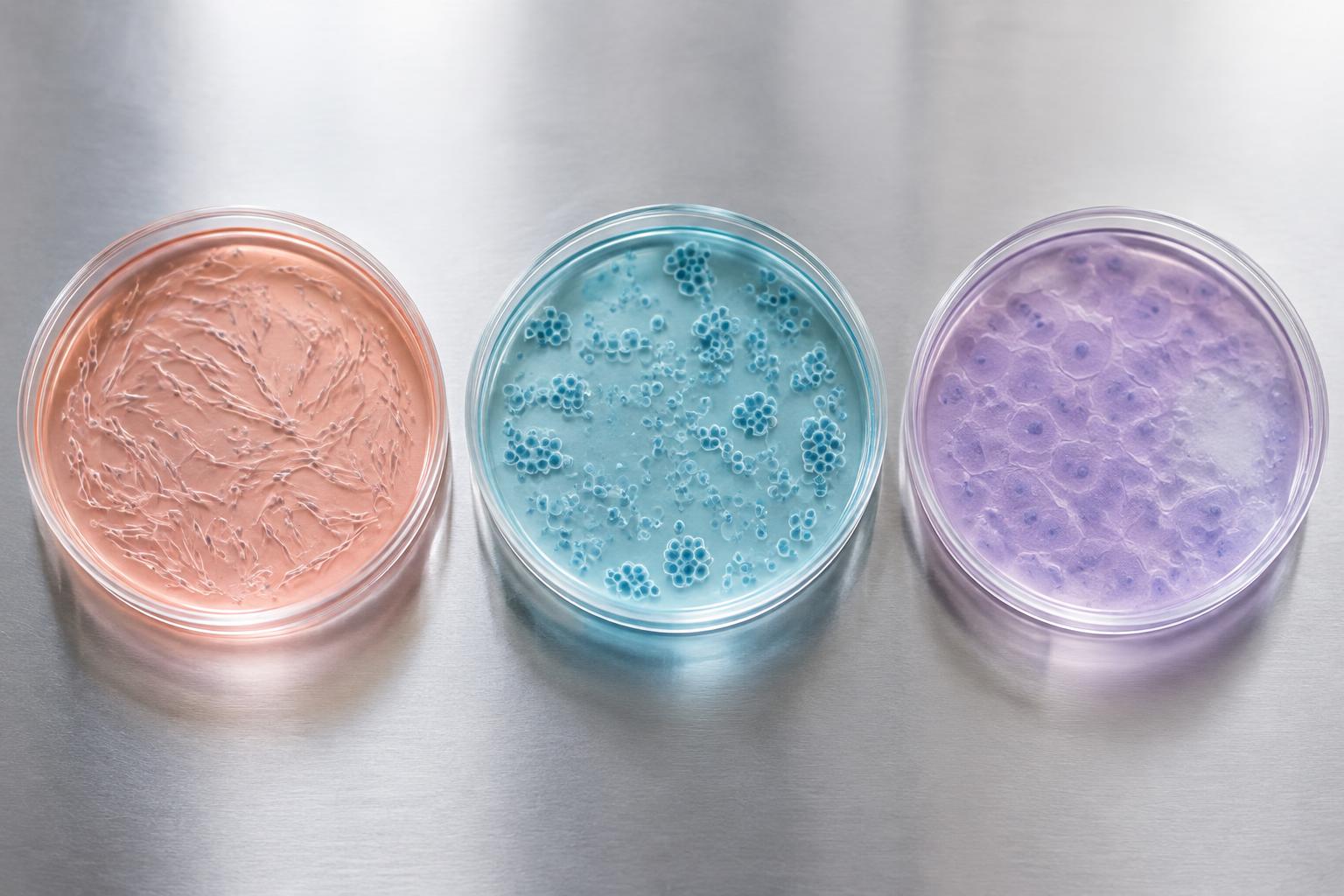
Stem cells are primarily classified into three categories based on their origin: Embryonic Stem Cells, Adult Stem Cells (including adipose-derived and cord blood cells), and Induced Pluripotent Stem Cells. Each type possesses unique capabilities for developing into various tissues to support medical treatments.
Key takeaways
- Embryonic Stem Cells have the potential to differentiate into nearly any tissue type in the body.
- Adult Stem Cells are found in various tissues, including bone marrow, adipose tissue, and umbilical cord blood.
- EHL BIO specializes in autologous adipose-derived stem cells to minimize the risk of immune rejection.
- Stem cells possess 'Self-Renewal' capability, allowing them to replicate while maintaining their original properties.
Definition and Importance of Stem Cells
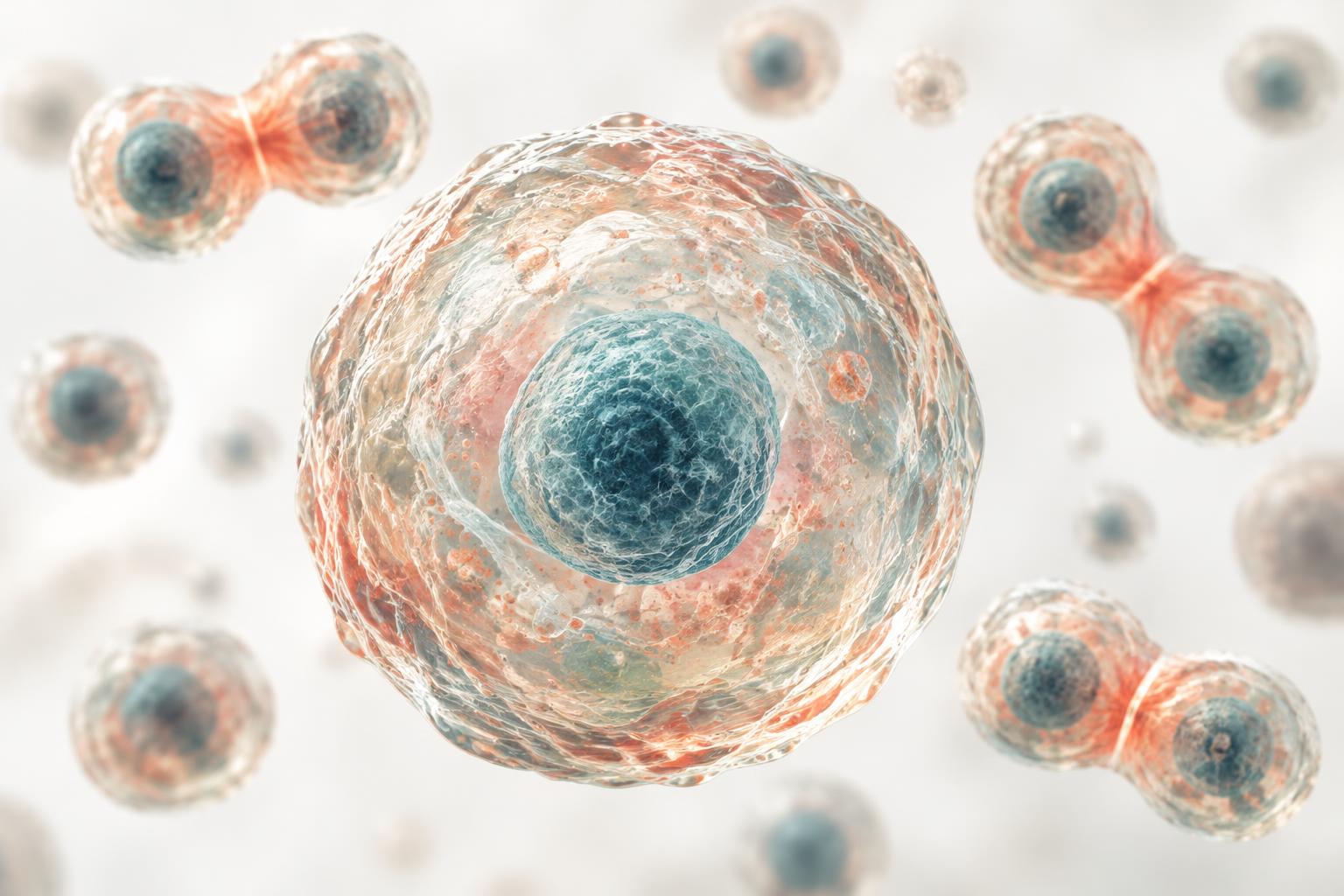
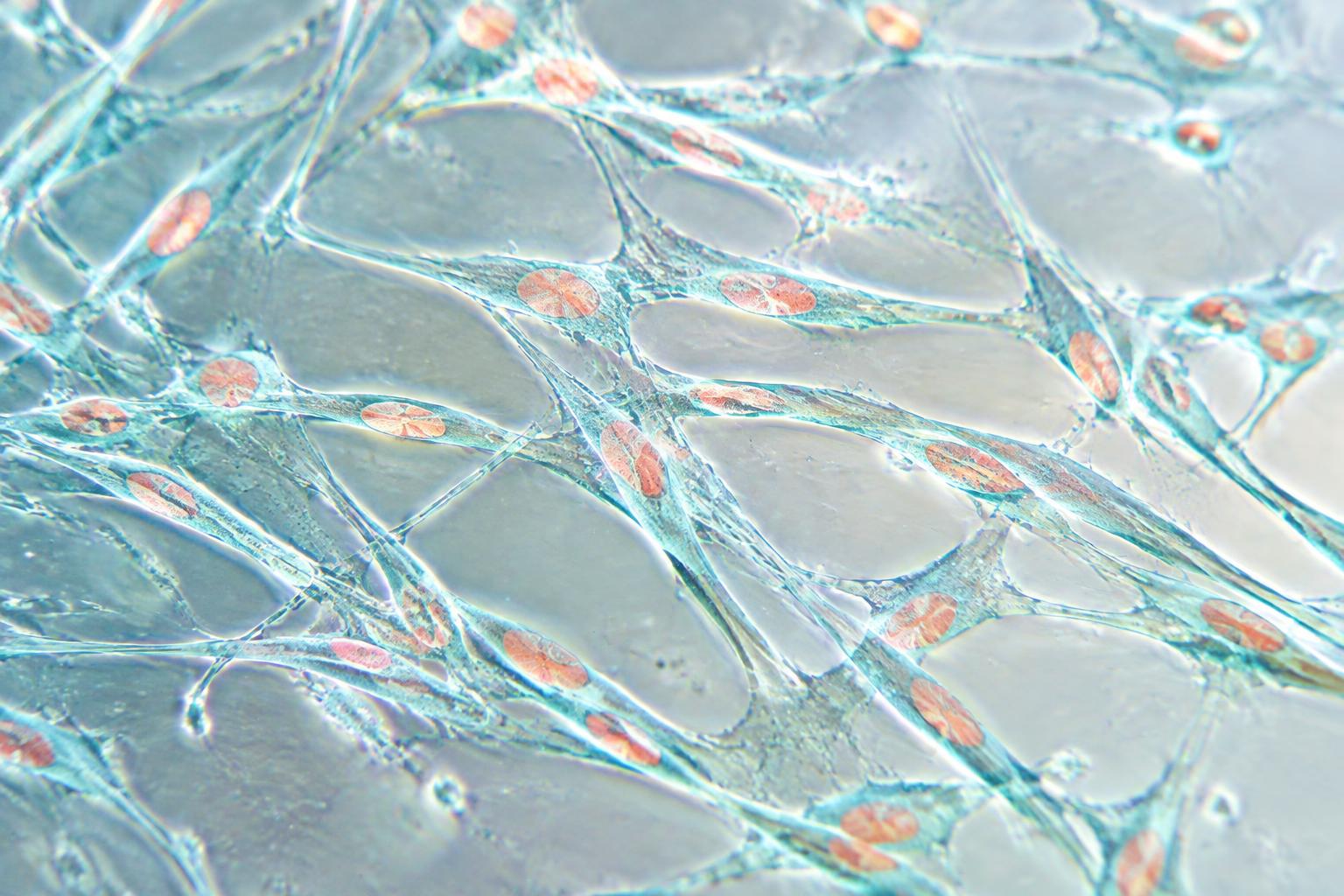
Stem cells are cells that have not yet fully differentiated into specialized cells, granting them the unique ability to divide and transform into various tissue cells, such as those in the brain, skin, cartilage, bone, nerves, and muscles. Due to these properties, stem cells have become the cornerstone of regenerative medicine, focusing on repairing damaged areas and restoring the body from age-related degeneration.
At EHL BIO, we focus on researching and utilizing the potential of these cells to support body restoration from various conditions, including neurological diseases, osteoarthritis, and immune disorders. Our primary goal is to promote recovery and enhance the quality of life under high safety and cleanliness standards.
Major Categories of Stem Cells
In modern medicine, stem cells are classified into three main types: 1. Embryonic Stem Cells: Derived from embryos less than 14 days old, these have the ability to develop into almost any tissue type. 2. Adult Stem Cells: Found in adult human tissues such as bone marrow, fat, and cord blood, offering high safety profiles when used autologously. 3. Induced Pluripotent Stem Cells: Created by reprogramming adult somatic cells back into a state where they can differentiate into various cell types.
The choice of cell type depends on management objectives and the medical team's discretion, following EHL's assessment for personalized recovery.
At EHL BIO, we don't just culture cells; we create new hope through high-purity adipose-derived stem cell technology for the goal of recovery and a better quality of life.
Advantages of Adipose-Derived Stem Cells (ADSC)
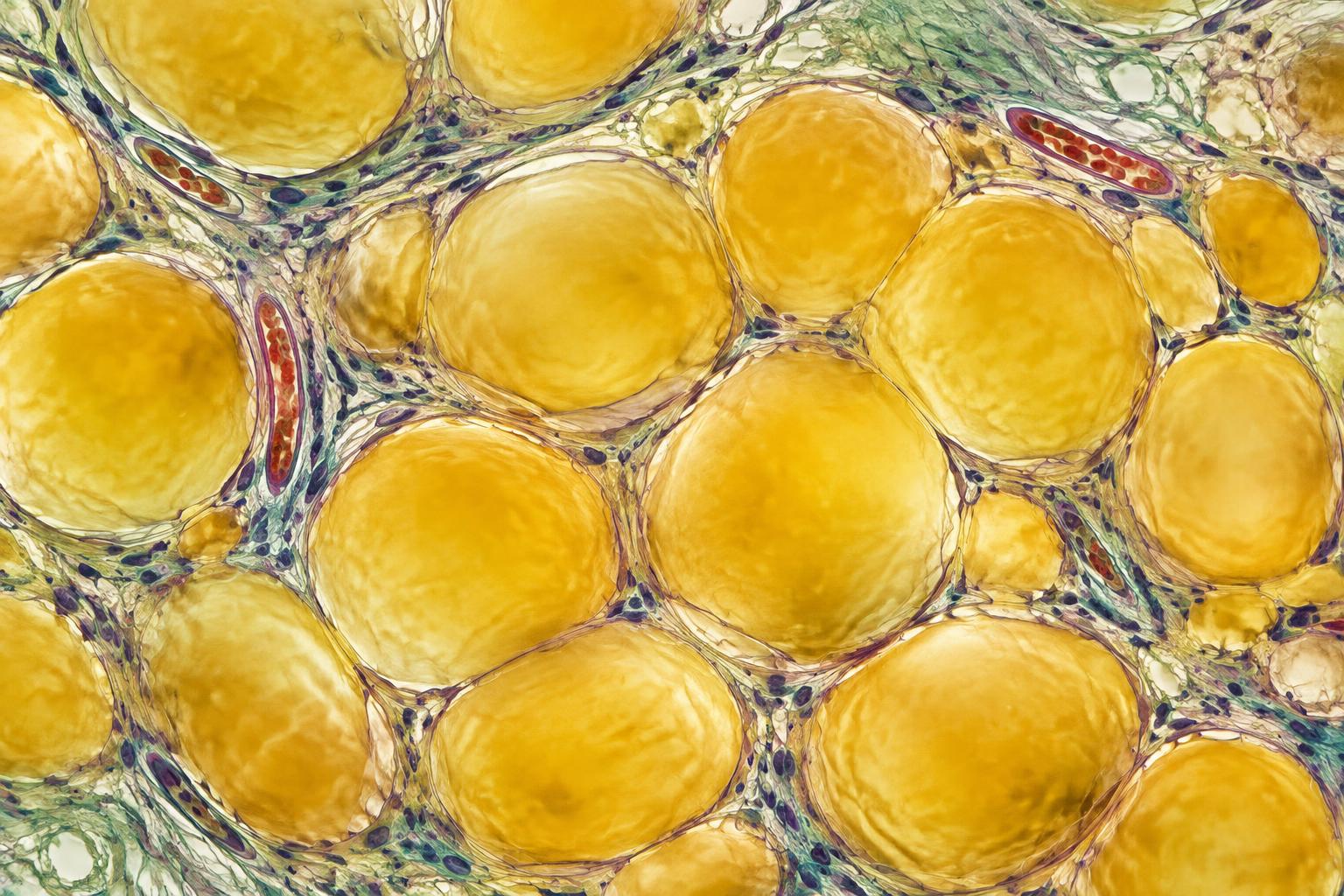
EHL BIO specializes in Adipose-derived Stem Cells (ADSC) because fat is an abundant and easily accessible source. These cells maintain a stable growth rate and possess the potential to differentiate into nearly all tissue types.
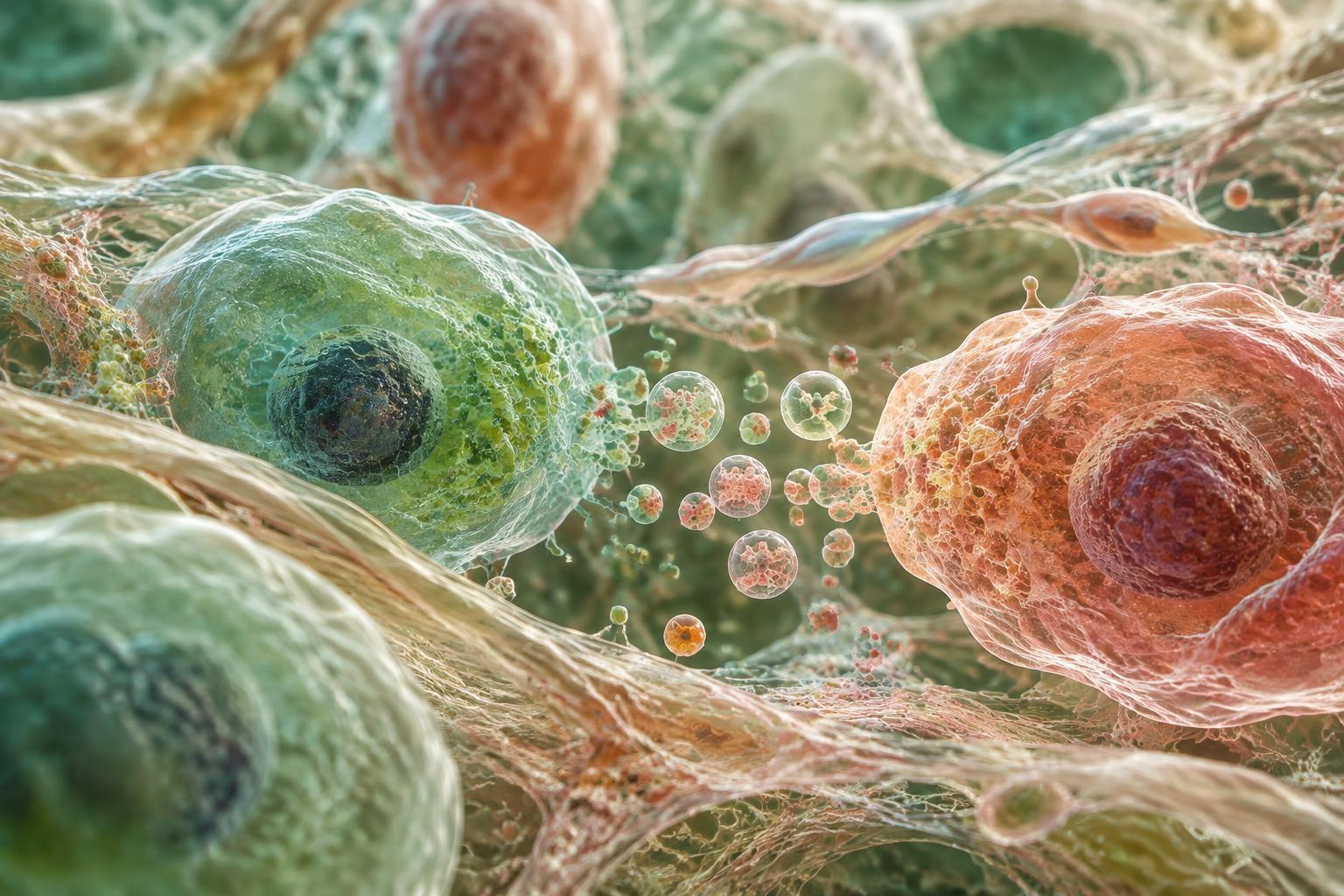
Furthermore, using autologous (self-derived) cells significantly reduces the risk of immune rejection, ensuring high safety. These cells also feature the 'Homing Effect,' the ability to identify and migrate to areas in need of support within the body for precise repair. We have developed technology that enhances cell yield significantly higher than conventional methods.
Manufacturing Standards and Innovation at EHL BIO
Cell quality and safety are EHL BIO's top priorities. We operate GMP-certified facilities located in South Korea with the capacity to serve a large number of clients annually.
Our process ranges from cell isolation using patented technology to cryopreservation at -196°C to maintain excellent cell viability. Every step is overseen by a professional research team to ensure that the cell therapies provided to clients are of high quality and ready for body restoration.
Frequently asked questions
What are the advantages of adipose-derived stem cells for recovery?
Adipose-derived stem cells are easier to harvest and available in larger quantities, making them ideal for culture and regenerative purposes according to EHL's assessment.
How safe is it to use your own cells?
It is extremely safe because autologous cells come from your own body, significantly reducing the risk of immune rejection.
What are the recovery and quality of life goals for using stem cells?
The primary goal is to utilize the potential of stem cells to repair and restore degenerated tissues, helping the body function better and promoting long-term quality of life, according to EHL's assessment.
Related conditions
Based on EHL BIO information: EHL BIO · EHL BIO · EHL BIO · EHL BIO. Each care plan follows an individual EHL assessment.