Quick answer
Autologous stem cells are primary cells extracted from a patient's own tissues, such as fat or urine, which are then isolated and cultured under GMP standards for regenerative purposes. This method offers safety by minimizing immune rejection since the cells originate from the patient's own body.
Key takeaways
- Safety: Reduced risk of immune rejection as the cells are sourced from the patient's own body.
- Diverse Sources: Can be extracted from adipose tissue (ADSC) or even urine.
- GMP Standards: Cultivation processes performed under Class 100 quality control environments.
- Homing Effect: The ability of cells to travel directly to areas needing care for recovery.
Defining Autologous Stem Cells
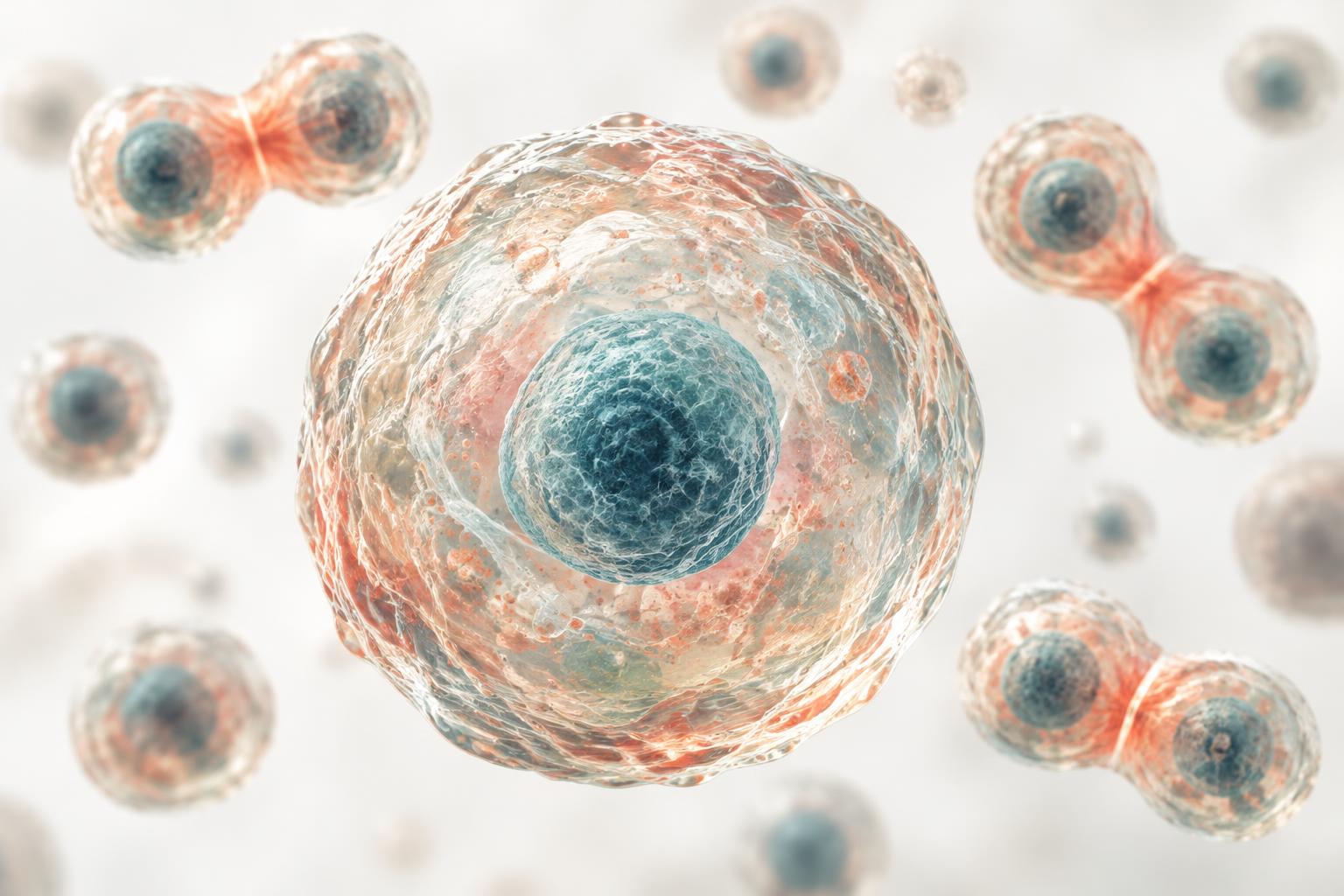
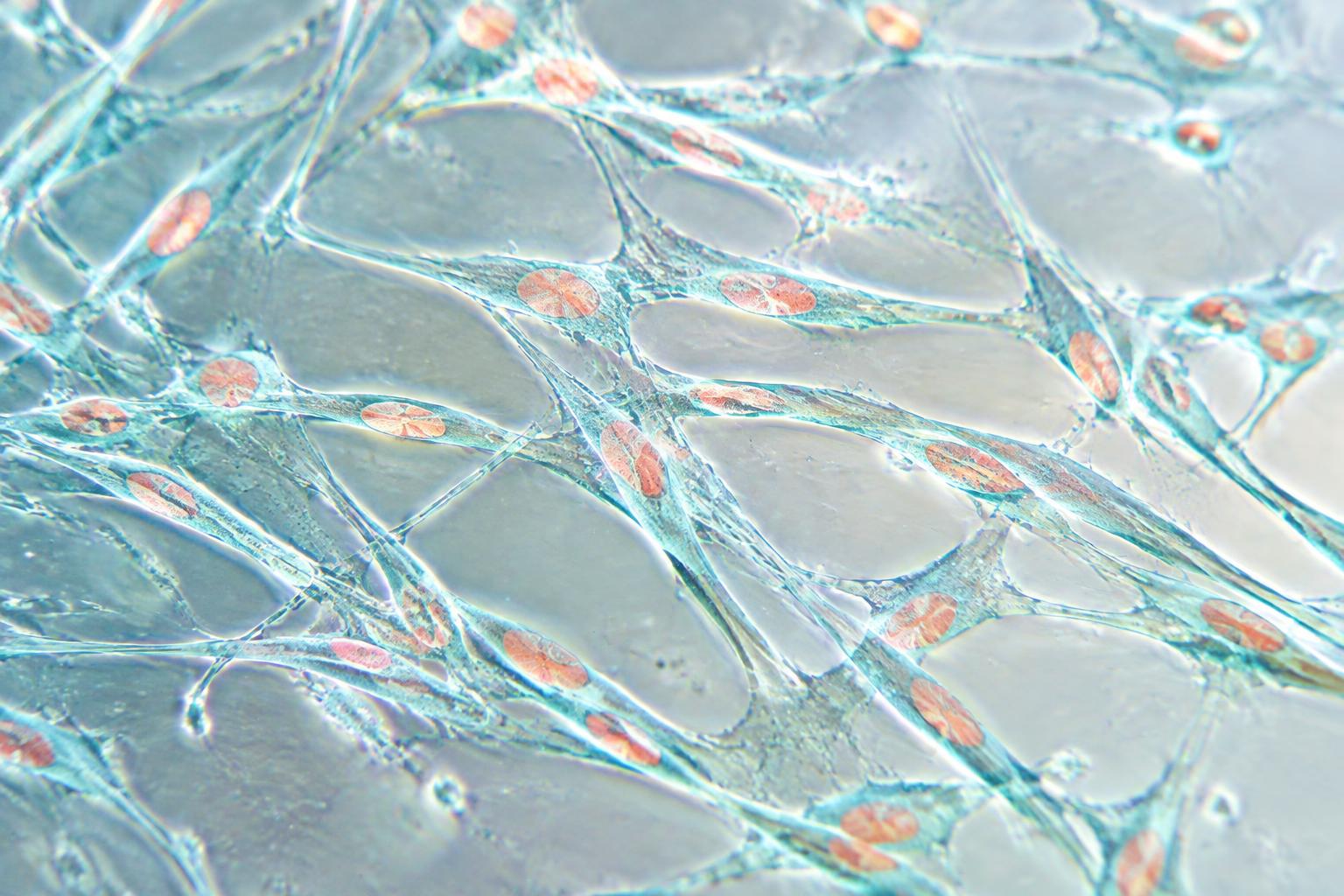
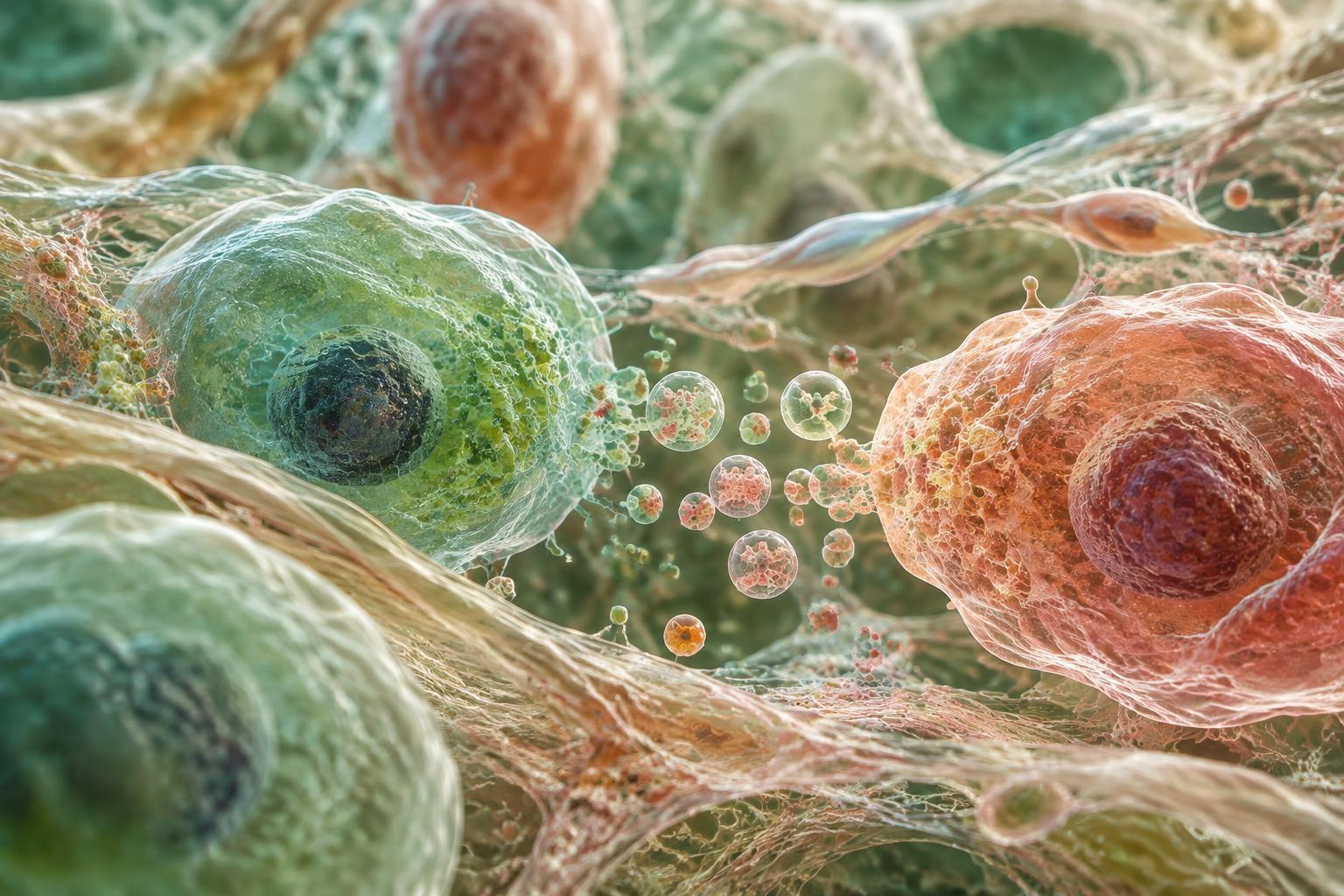
Autologous stem cells refer to the use of a patient's own primary cells for medical benefits. These cells possess unique properties, including the ability to divide and maintain their original characteristics (Self-Renewal) and the potential to develop into various specialized tissues (Multipotential), such as cartilage, muscle, or nerves.
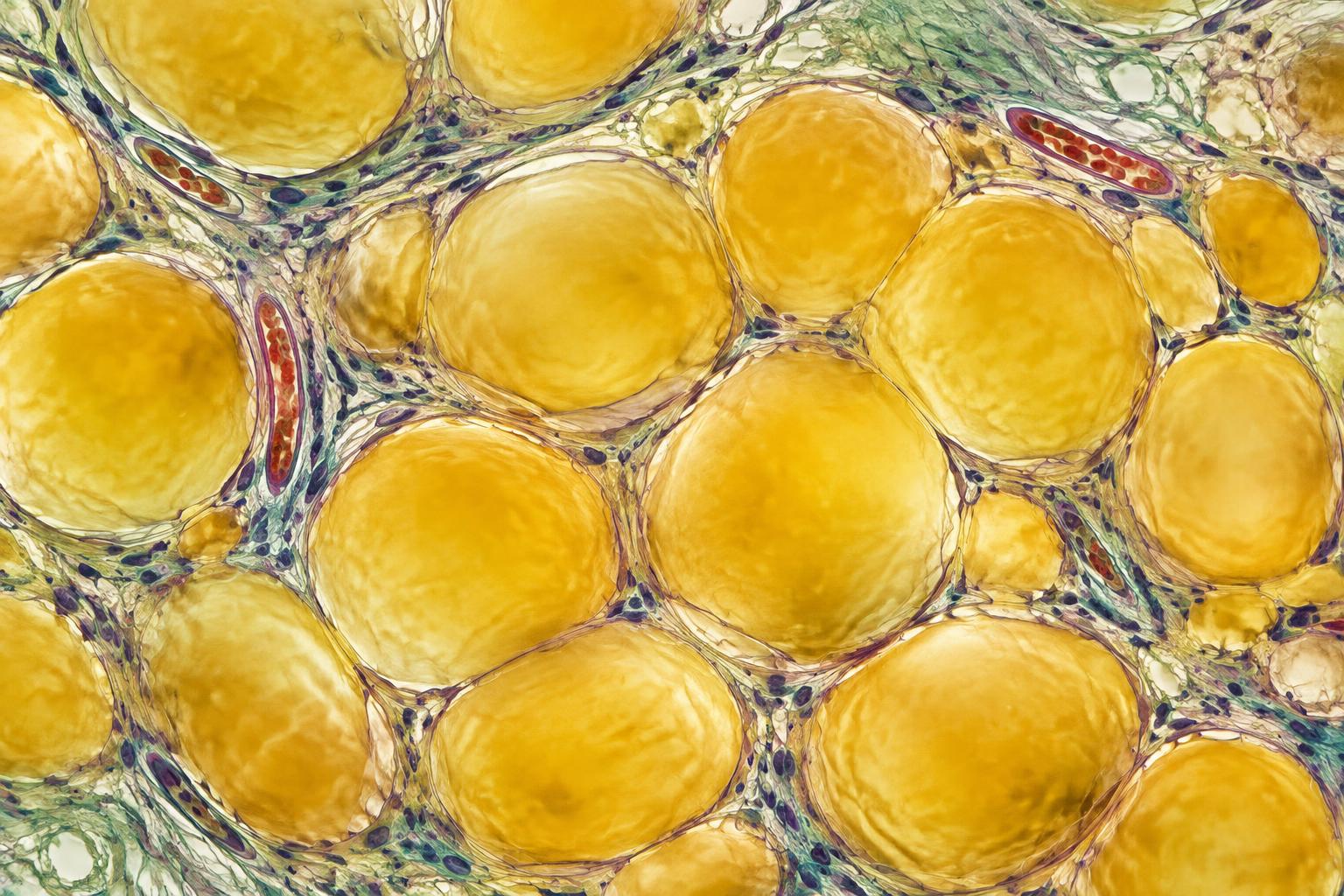
At EHL BIO, we focus on Adult Stem Cells extracted from adipose tissue (Adipose-derived stem cells) or urine. These sources allow for easier extraction and provide a sufficient volume for large-scale cultivation to effectively support regeneration and quality of life.
Why Use Your Own Cells? Advantages and Safety
The significant advantage of using autologous stem cells is safety. Because the cells are part of the patient's own body, the risk of immune rejection is significantly reduced. Furthermore, the risk of cross-infection from others is zero.
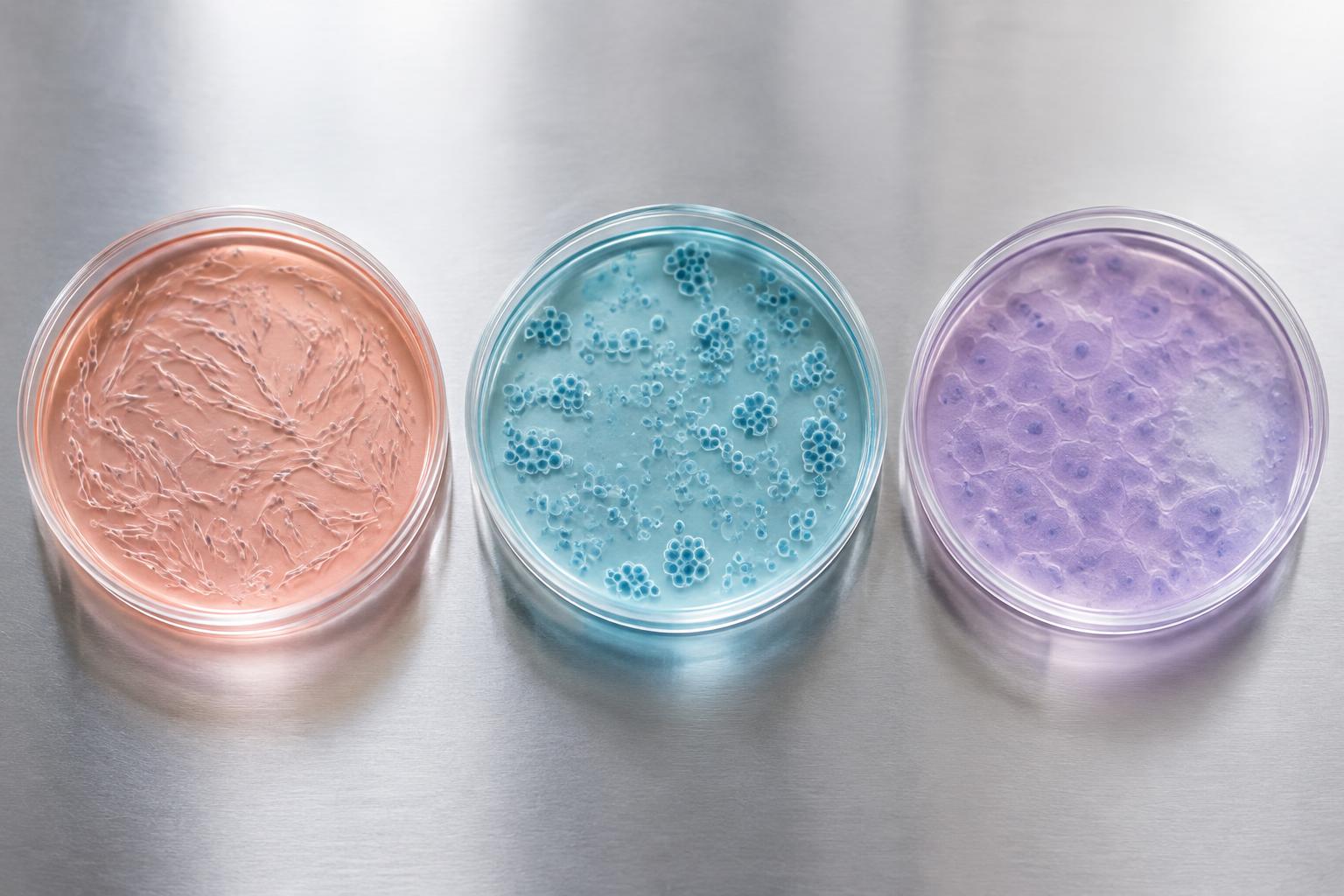
The process at EHL BIO begins with a minor extraction, followed by cultivation in a state-of-the-art GMP center. Our specialized technology maintains excellent cell survival rates and achieves yields up to 1,000 times higher than conventional methods, ensuring patients receive high-quality, safe cell therapy according to South Korean and Thai medical standards.
Our goal is to utilize cell therapy technology for recovery and quality of life by merging medical and pharmaceutical innovations.
Homing Effect Innovation and Body Regeneration
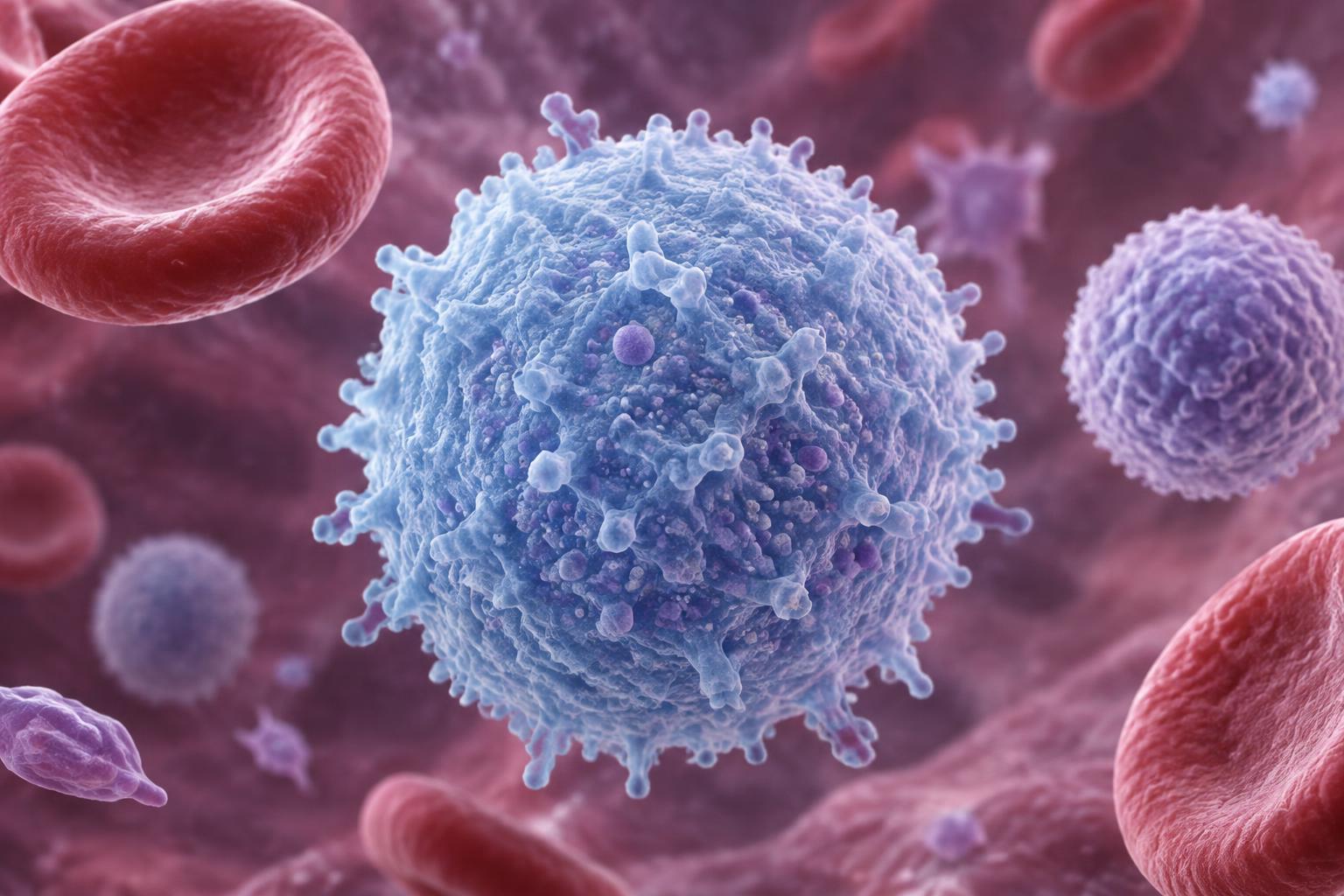
Autologous stem cells possess a natural mechanism known as the Homing Effect, acting like an intelligent navigation system. When cells are re-introduced into the body via intravenous injection, they have the ability to identify and travel to tissues needing care to initiate direct recovery according to EHL team assessments.
This property makes stem cells a vital tool in regenerative medicine, whether addressing osteoarthritis, neurological recovery, or immune balance. EHL BIO continuously develops research to harness this recovery power to enhance quality of life, supervised by a team of over 85 specialized doctors and scientists.
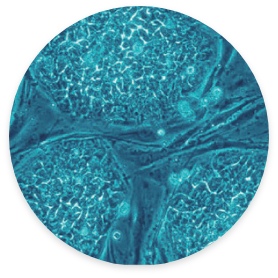
GMP Production Standards and EHL BIO Technology
To ensure your own stem cells provide the best results, EHL BIO prioritizes international production standards. Our GMP center is certified by South Korean authorities, featuring Class 100 cleanroom facilities.
We utilize a comprehensive cell storage system at -196°C to maintain maximum cell integrity, with a production capacity of 6,000 lots per year. This supports the development of new cell therapies, such as ADSTEM for skin care and KDSTEM for kidney care, all of which align with our 'Aging Well' vision.
Frequently asked questions
How are autologous stem cells collected?
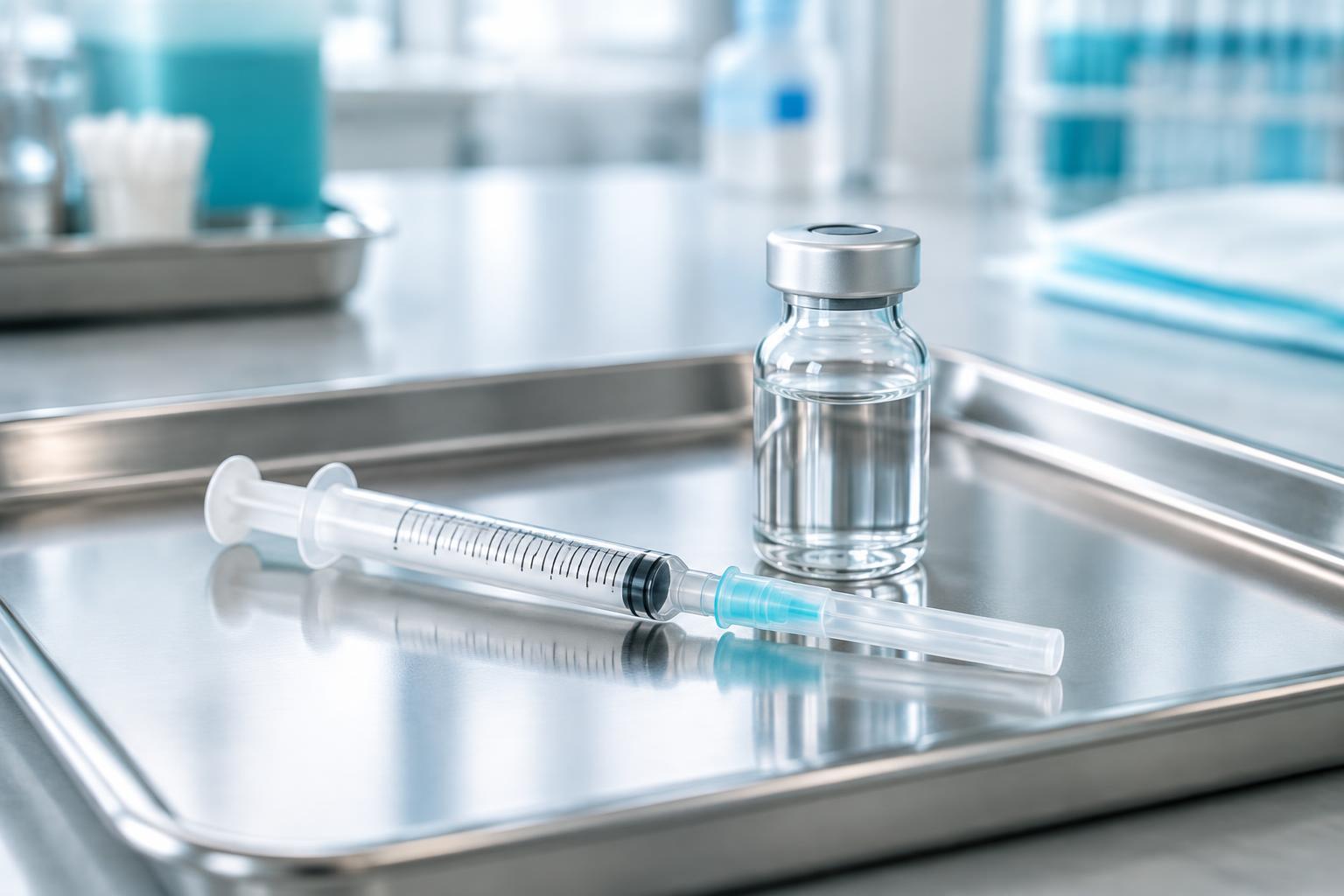
They can be extracted from the patient's own adipose tissue (SVF) or urine, methods that are convenient and safe.
How do autologous stem cells differ from donor cells?
Cells from oneself do not trigger immune rejection, making them safe and eliminating the need for immunosuppressant drugs.
What are the recovery goals for stem cell therapy?
The main goal is to restore health and promote the quality of life of the recipient according to EHL team assessments, allowing the body to become more balanced and stronger.
Related conditions
Based on EHL BIO information: EHL BIO · EHL BIO · EHL BIO · EHL BIO. Each care plan follows an individual EHL assessment.