Quick answer
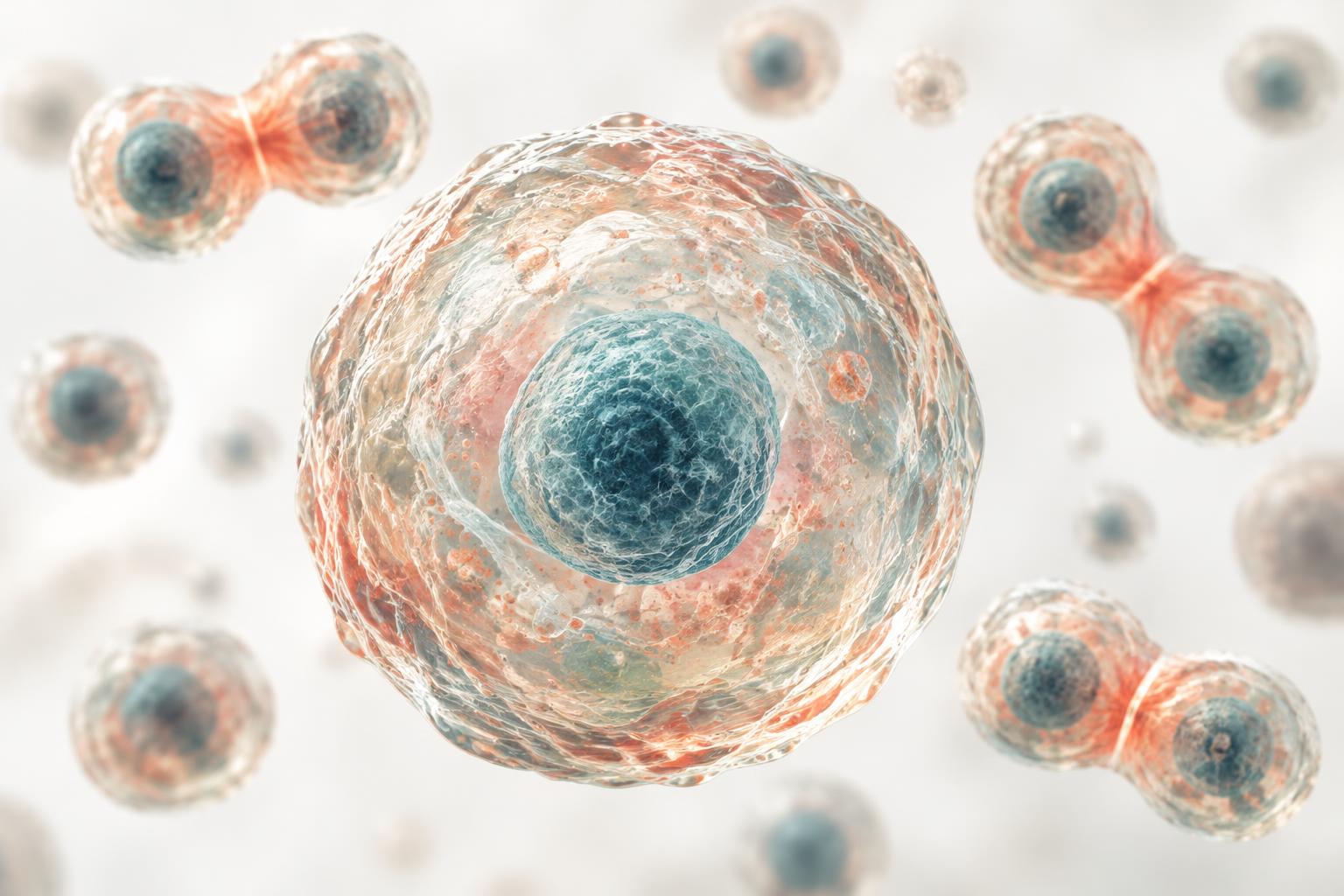
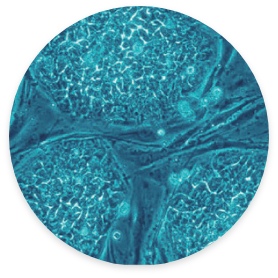
Stem cells are undifferentiated cells capable of self-renewal and differentiating into various specialized tissues such as cartilage, skin, or nerves. Through the 'Homing Effect,' they can identify and repair damaged areas within the body, offering a promising path for regenerative medicine and improved quality of life.
Key takeaways
- Capability of self-renewal and multiplication while maintaining original properties.
- Potential to differentiate into various specialized tissues like cartilage and muscles.
- Homing Effect: The ability to target and repair damaged areas within the body directly.
- EHL BIO's advanced technology yields 1,000 times more cells than competitors.
Definition and Importance of Stem Cells
Stem cells represent the fundamental building blocks of life, characterized by their remarkable regenerative capabilities. Their primary distinction lies in being undifferentiated, meaning they possess the potential to transform into specialized cells such as brain, liver, or heart cells. When the body undergoes injury or age-related degeneration, these cells act to repair and reconstruct damaged tissues.
At EHL BIO, we focus on research and development to harness these properties for regenerative medicine. Our goal is to overcome degenerative diseases and promote 'Aging Well.' Utilizing specialized isolation and cultivation techniques, we ensure high-quality cell yields for clinical applications.
Three Core Characteristics of Stem Cells
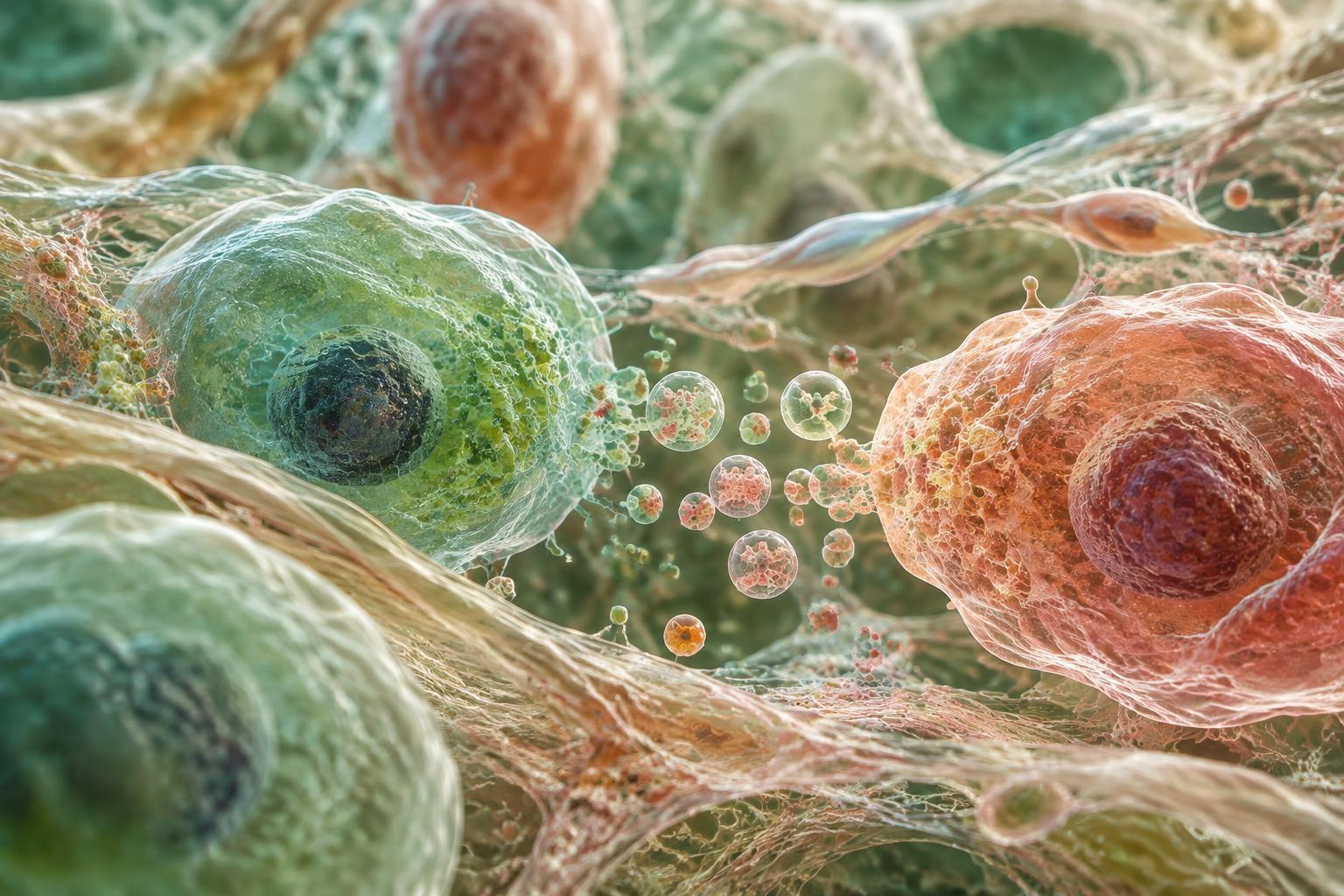
Stem cells possess three pivotal characteristics: 1. Self-renewal, the ability to divide and multiply while maintaining their original stemness. 2. Multipotential, the capacity to develop into various tissues such as cartilage, skin, and muscle. 3. Homing Effect, which functions like an intelligent navigation system, guiding cells through the bloodstream to sites of inflammation or injury for direct repair.
These traits make intravenous administration highly effective, as the cells can accurately reach their targets, helping to mitigate damage across various systems, including the nervous system, joints, and internal organs.
Stem cell innovation is the new hope for health restoration and longevity, driven by high-yield cultivation technology and global standards.
Safety and EHL BIO Technology
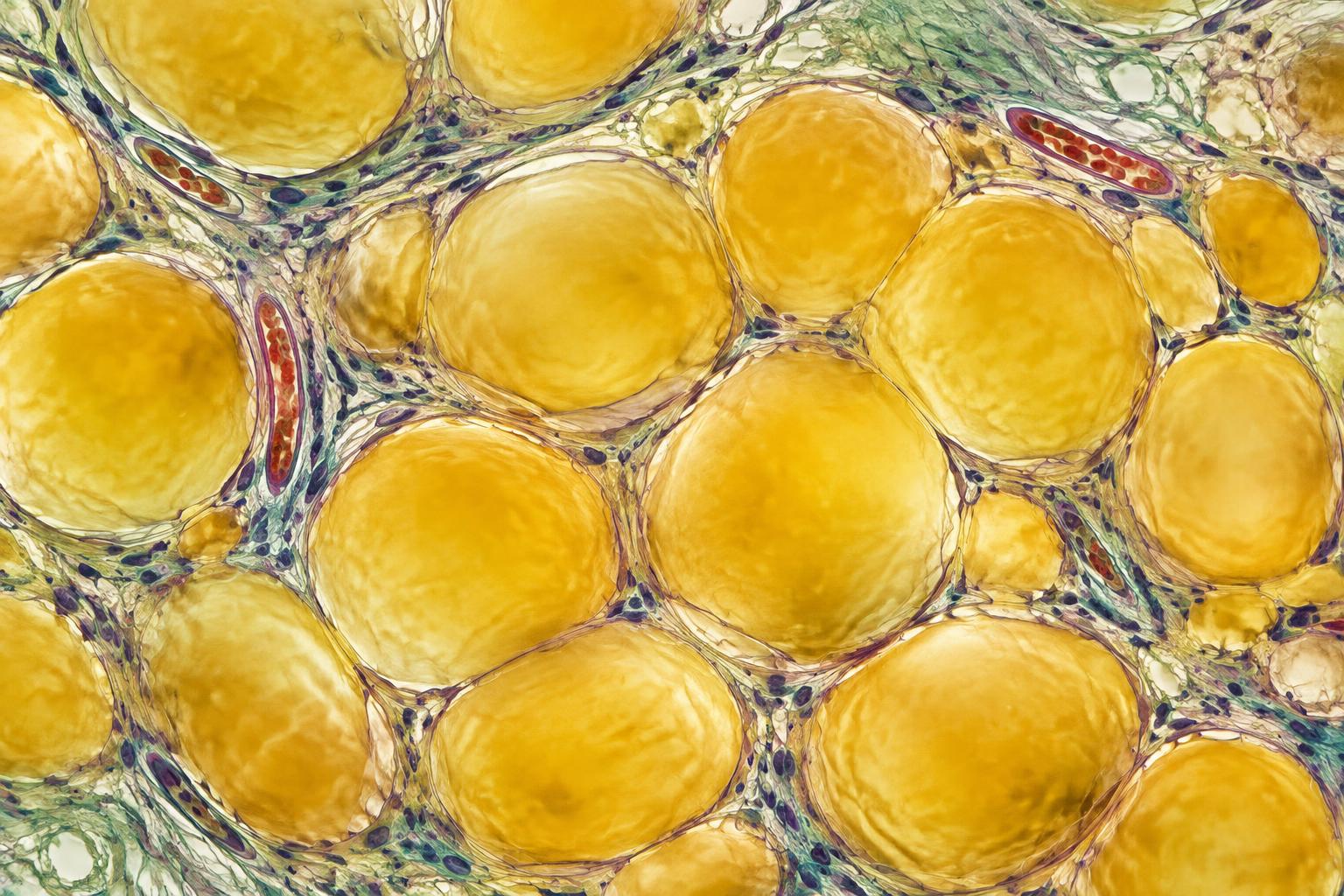
EHL BIO prioritizes safety and the highest quality standards. We specialize in Autologous Adipose-derived Stem Cells, which significantly reduces the risk of immune rejection. Located in Apgujeong, South Korea, our research center features Class 100 cleanroom facilities and a comprehensive cell storage system.
Our proprietary cultivation technology enables us to produce 1,000 times more cells than standard methods while maintaining exceptional cell viability. Our production processes are certified under GMP (Good Manufacturing Practices) by the Korean MFDS, and we are the first facility in Korea authorized for human cell management business.
Standard Service Process in Korea
Receiving services at EHL BIO begins with a consultation supported by a dedicated Thai coordination team. The process involves: 1. Consultation inquiry. 2. Medical document evaluation by physicians. 3. Travel planning. 4. Health screening and cell collection at EHL Cell Clinic. 5. Cultivation in our global-standard GMP facility with rigorous quality control. 6. Post-service follow-up.
Our goal is to deliver a better quality of life through advanced medical innovation. Currently, products under development, such as ADSTEM for atopic dermatitis and KDSTEM for chronic kidney disease, are undergoing clinical trials to establish new therapeutic standards.
Frequently asked questions
What are the benefits of adipose-derived stem cells?
They are easily harvested and isolated in large quantities, have stable growth rates, and offer high safety with minimal immune rejection risks when using autologous cells.
How is EHL BIO's stem cell cultivation different?
We possess stable technology that yields 1,000 times more cells than competitors while maintaining excellent cell viability under GMP standards.
What can stem cells help with?
They assist in regenerating various systems, including the nervous system (Alzheimer's), skeletal system (osteoarthritis), atopic dermatitis, and anti-aging.
Related conditions
Based on EHL BIO information: EHL BIO · EHL BIO · EHL BIO · EHL BIO. Each care plan follows an individual EHL assessment.