Quick answer
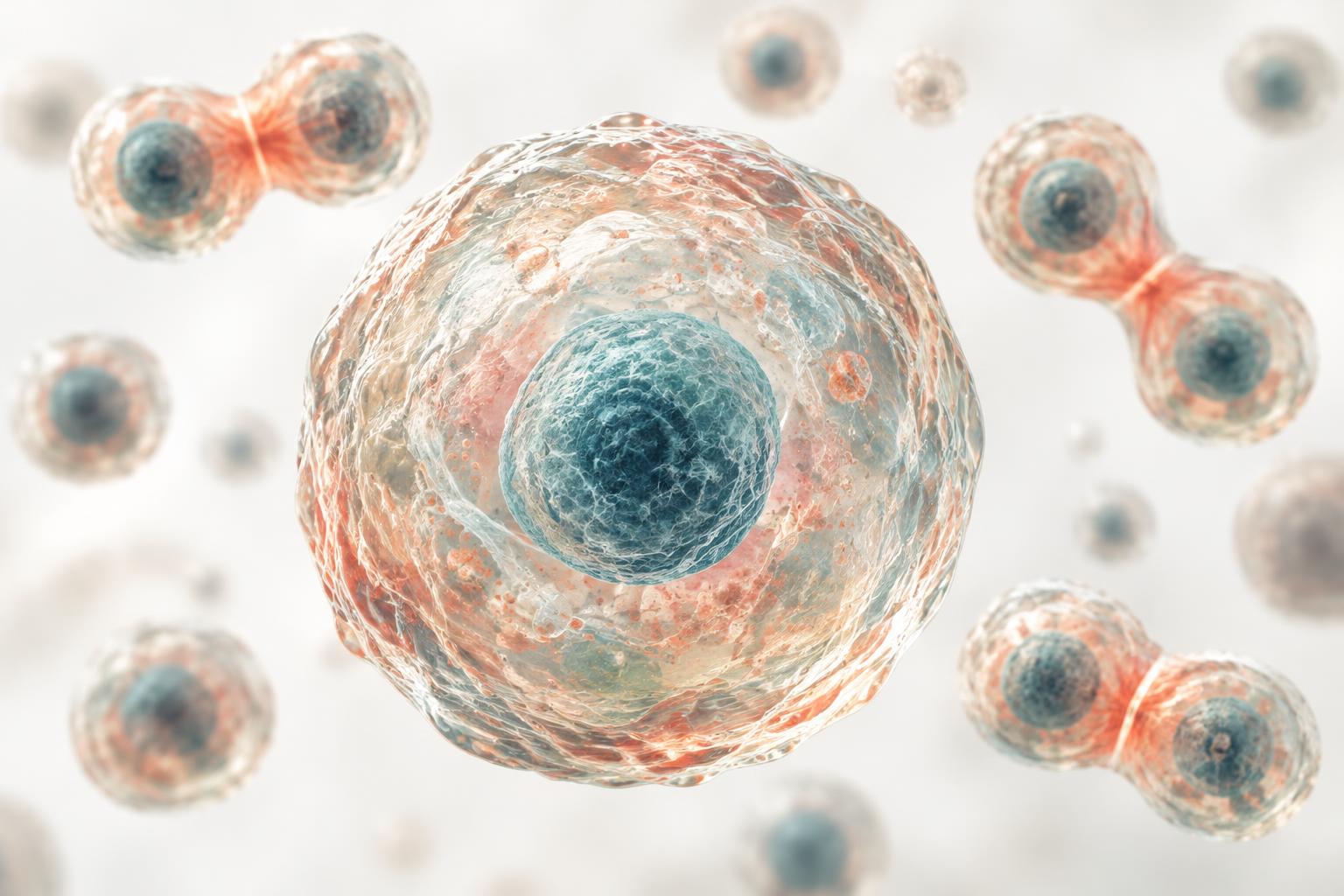
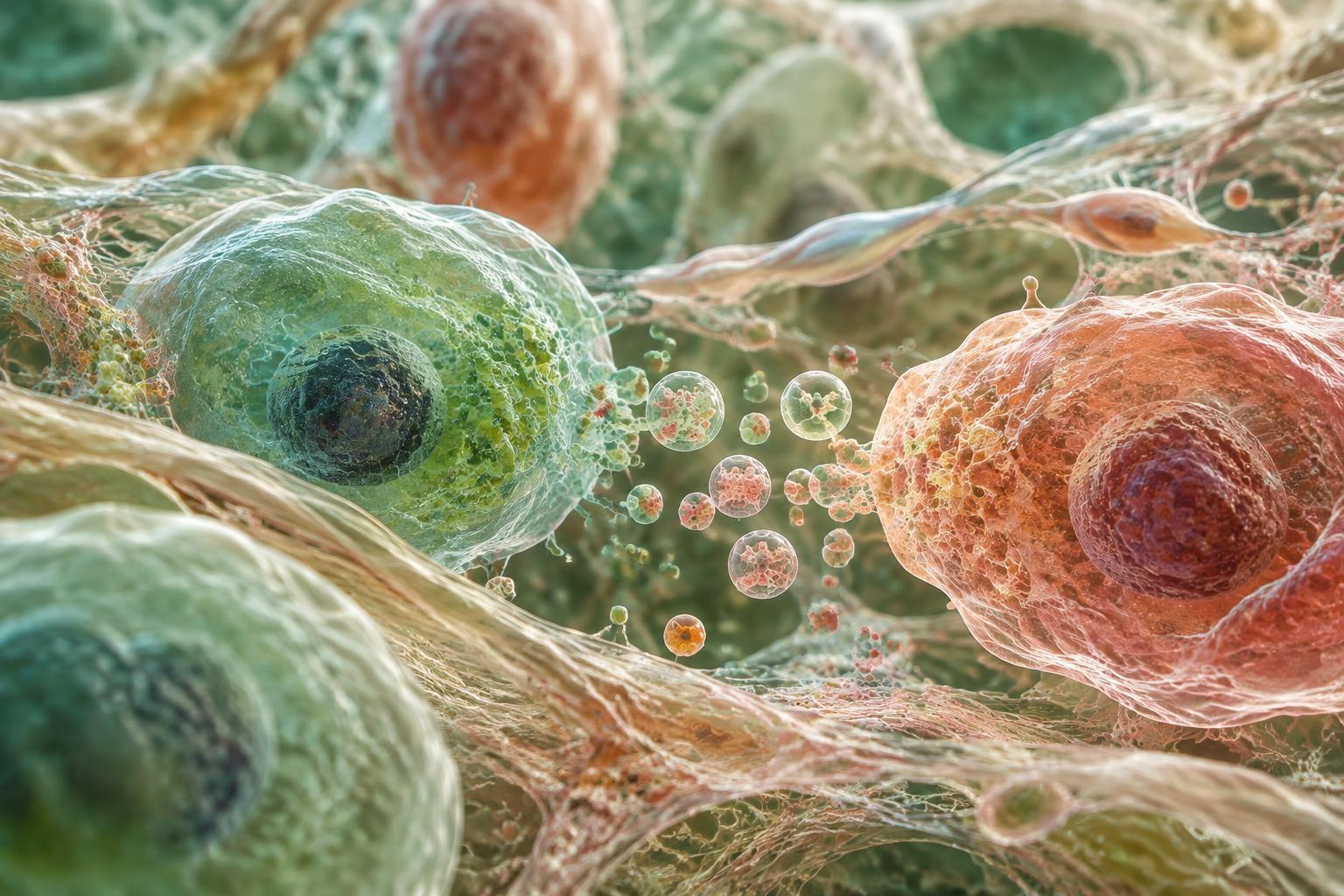
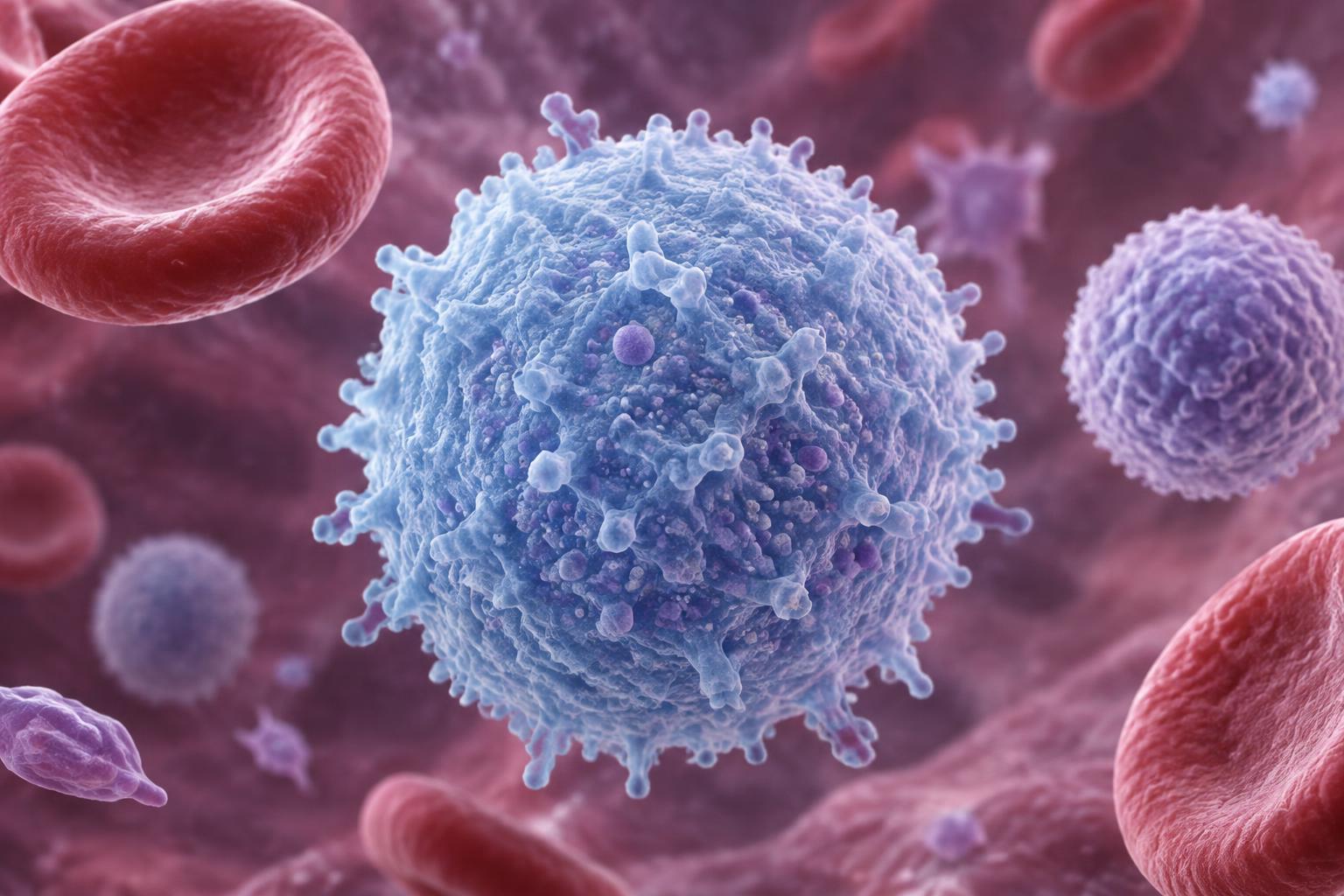
Mesenchymal Stem Cells (MSCs) are adult stem cells capable of self-renewal and differentiation into various tissues, such as bone, cartilage, muscle, and nerves. Their key feature is the 'Homing Effect,' which enables them to target and repair damaged or inflamed areas within the body.
Key takeaways
- Self-Renewal: The ability to replicate and increase in number while maintaining original properties.
- Multipotential: The capacity to differentiate into various tissues, including brain, skin, and liver.
- Homing Effect: The automatic ability to identify and repair damaged areas within the body.
- Autologous Safety: Using one's own adipose-derived cells minimizes the risk of immune rejection.
Definition and Characteristics of MSCs
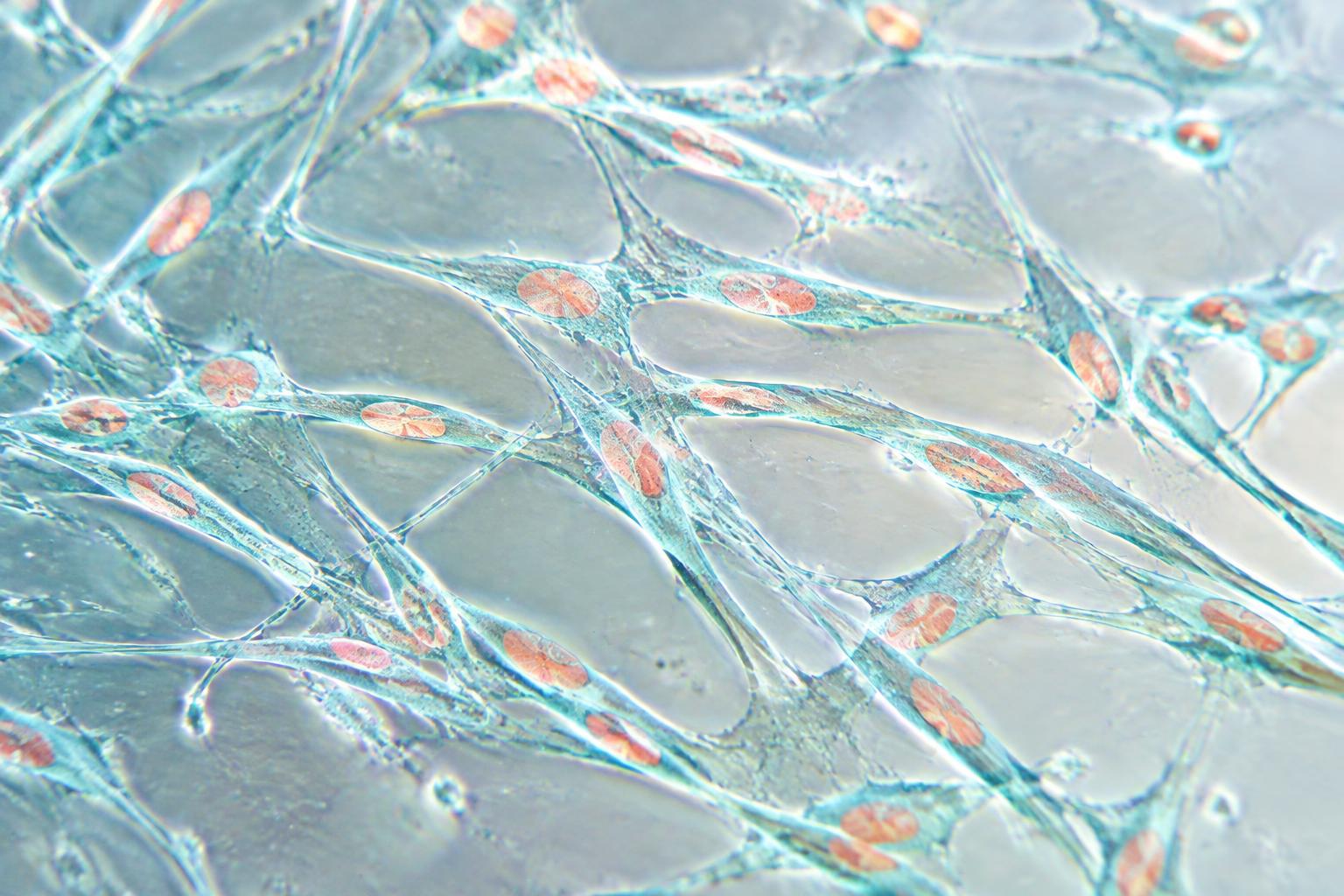
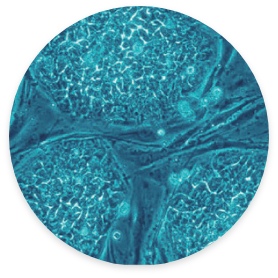
Mesenchymal Stem Cells (MSCs) are classified as adult stem cells found in various human tissues, including fat, bone marrow, and urine. These cells are not yet fully differentiated, granting them the unique ability for self-renewal and the potential to transform into specific tissues such as cartilage, nerves, and muscles.
The distinct advantage of MSCs utilized by EHL BIO is their role as an internal repair system. Through the 'Homing Effect,' these cells act like a navigation system, migrating towards damaged or inflamed tissues to stimulate regeneration and create new tissue to replace those degenerated by age or illness.
Sources and Benefits of Adipose-Derived Stem Cells
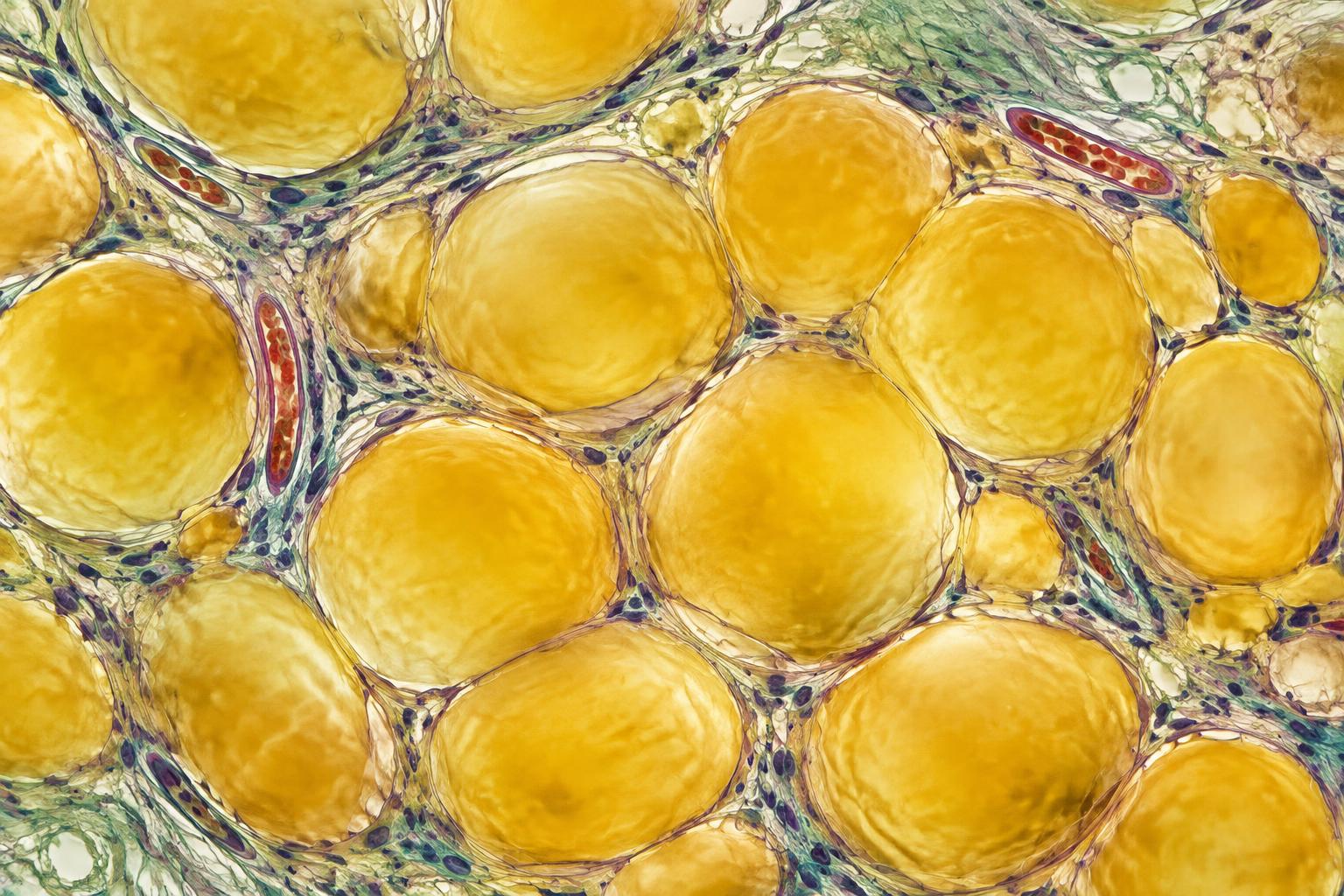
Currently, EHL BIO prioritizes the research and development of Adipose-derived Stem Cells (ADSCs) because fat tissue is a source that allows for easy extraction of high-volume cells. With over 5,000 fat extraction experiences, we ensure mastery in the production process. Adipose-derived stem cells exhibit stable growth rates and the potential to differentiate into nearly all types of cells.
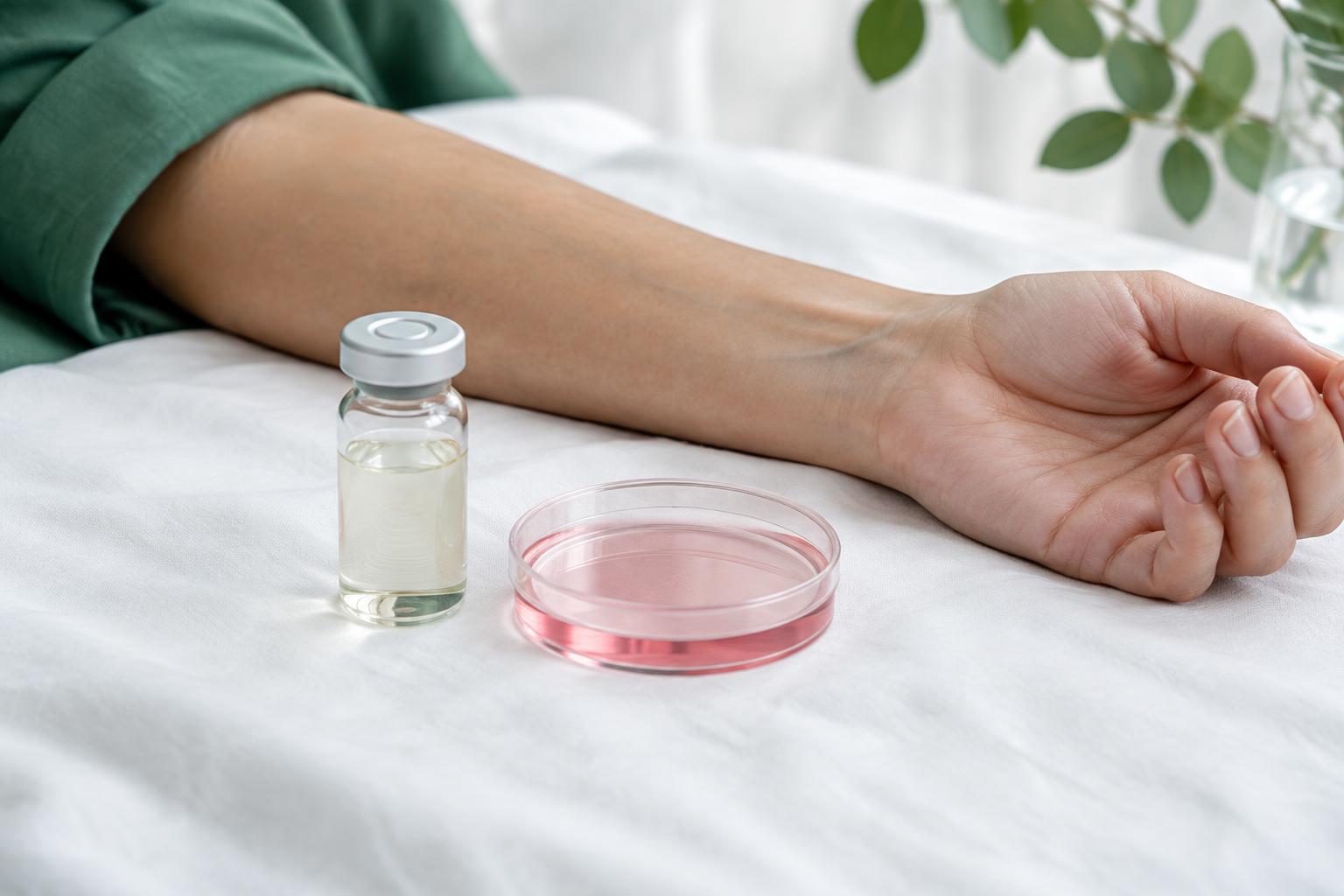
Utilizing autologous stem cells—cells derived from the patient’s own body—is a cornerstone of safety, as it significantly reduces the risk of immune rejection. Furthermore, EHL BIO's proprietary cultivation technology ensures excellent cell survival rates under international standards.
Stem cells hold the potential to be a restorative choice for the body, ensuring a high quality of life alongside longevity.
Innovative Cell Cultivation under EHL BIO Standards
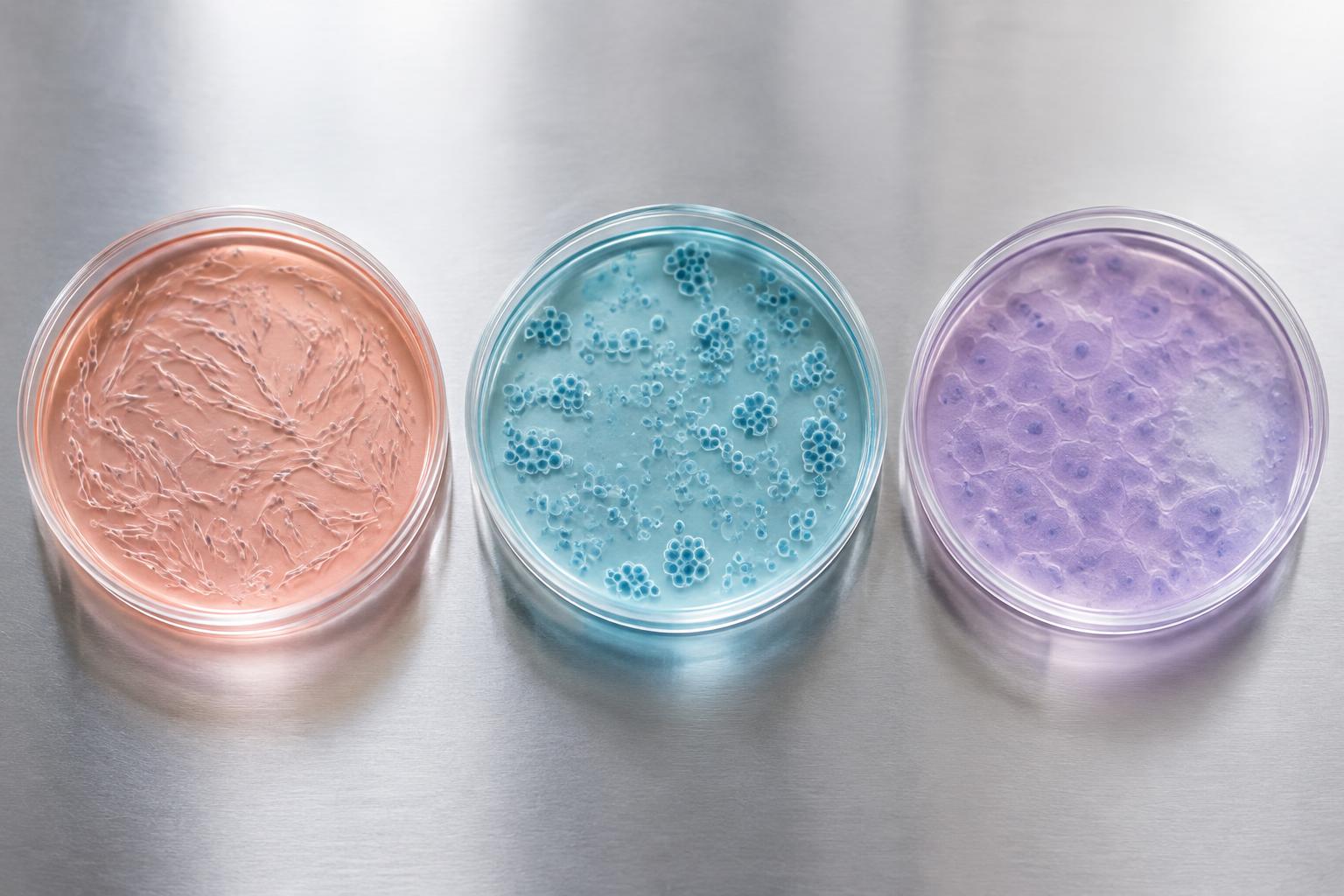
Success in MSC therapy depends on both cell quality and quantity. EHL BIO possesses robust technology for isolating and culturing stem cells, yielding up to 1,000 times more cells than competitors. These processes occur within our GMP facilities, featuring Class 100 clean rooms and advanced equipment like Biological Safety Cabinets and HEPA filtration to ensure optimal cell conditions.
Our production system supports up to 6,000 lots per year, supervised by over 85 research personnel. Every step, from isolating the Stromal Vascular Fraction (SVF) to long-term storage in liquid nitrogen at -196°C, is patented and verified according to EHL team assessments and Korean authorities.
The Future Direction of Regenerative Medicine
The potential of MSCs is not limited to cell therapy alone but extends to cultivation byproducts like Conditioned Media and Exosomes, which are rich in beneficial growth factors and cytokines. EHL BIO is currently conducting multi-phase clinical trials to apply MSCs with the goal of rehabilitation and quality of life in various conditions, including Rheumatoid Arthritis (RASTEM), Chronic Kidney Disease (KDSTEM), and Atopic Dermatitis (ADSTEM).
EHL BIO’s ultimate goal is to utilize advanced regenerative medicine to extend lifespan and enhance quality of life (Aging Well). Through a network of partner hospitals in Korea and Thailand, we remain committed to human-centric research and future-oriented medical standards.
Frequently asked questions
Is using autologous MSCs safe?
Using your own cells (autologous) is highly safe as it minimizes immune rejection risks. At EHL BIO, we ensure quality control within our laboratories according to EHL team assessments.
What makes EHL BIO's technology stand out?
We possess cultivation technology that produces up to 1,000 times more cells and are licensed as a Human Cell Management Business in Korea.
What are the rehabilitation goals for using MSCs?
MSCs are in the medical development stage focusing on rehabilitation for osteoarthritis, atopic dermatitis, chronic kidney disease, and various age-related degenerations, subject to medical evaluation.
Related conditions
Based on EHL BIO information: EHL BIO · EHL BIO · EHL BIO · EHL BIO. Each care plan follows an individual EHL assessment.