Quick answer
GMP stands for Good Manufacturing Practices, a quality control system essential for patient safety. At EHL BIO, we operate Class 100 laboratories under GMP standards to ensure all cells maintain consistent quality as regulated by the Korean Ministry of Health and MFDS, according to EHL team evaluations.
Key takeaways
- GMP is a mandatory minimum standard required to maintain consistent quality in manufacturing and distribution.
- EHL BIO utilizes Class 100 facilities and an integrated cell storage system certified by the Korean MFDS.
- Equipped with a production capacity of 6,000 lots per year, managed by a research team of over 85 specialists.
- Production under GMP promotes cleanliness and ensures cell viability rates according to EHL team evaluations.
Defining GMP in the Biotechnology Industry
Good Manufacturing Practices (GMP) represent a rigorous quality control system established by authorities such as the Korean Ministry of Food and Drug Safety (MFDS) for the production and distribution of medical products, including stem cells and immune cells. This standard is the cornerstone of regenerative medicine, ensuring that every step—from tissue collection to final cell delivery—is safe and consistent in quality.
At EHL BIO, we strictly adhere to GMP guidelines to assure patients that the cells reintroduced into their bodies are of high purity and possess restorative potential according to EHL team evaluations. Maintaining quality under this system ensures manufacturing process integrity, positioning stem cell therapy as a standardized, safe medical alternative.
Class 100 Laboratory Technology and Innovations at EHL BIO
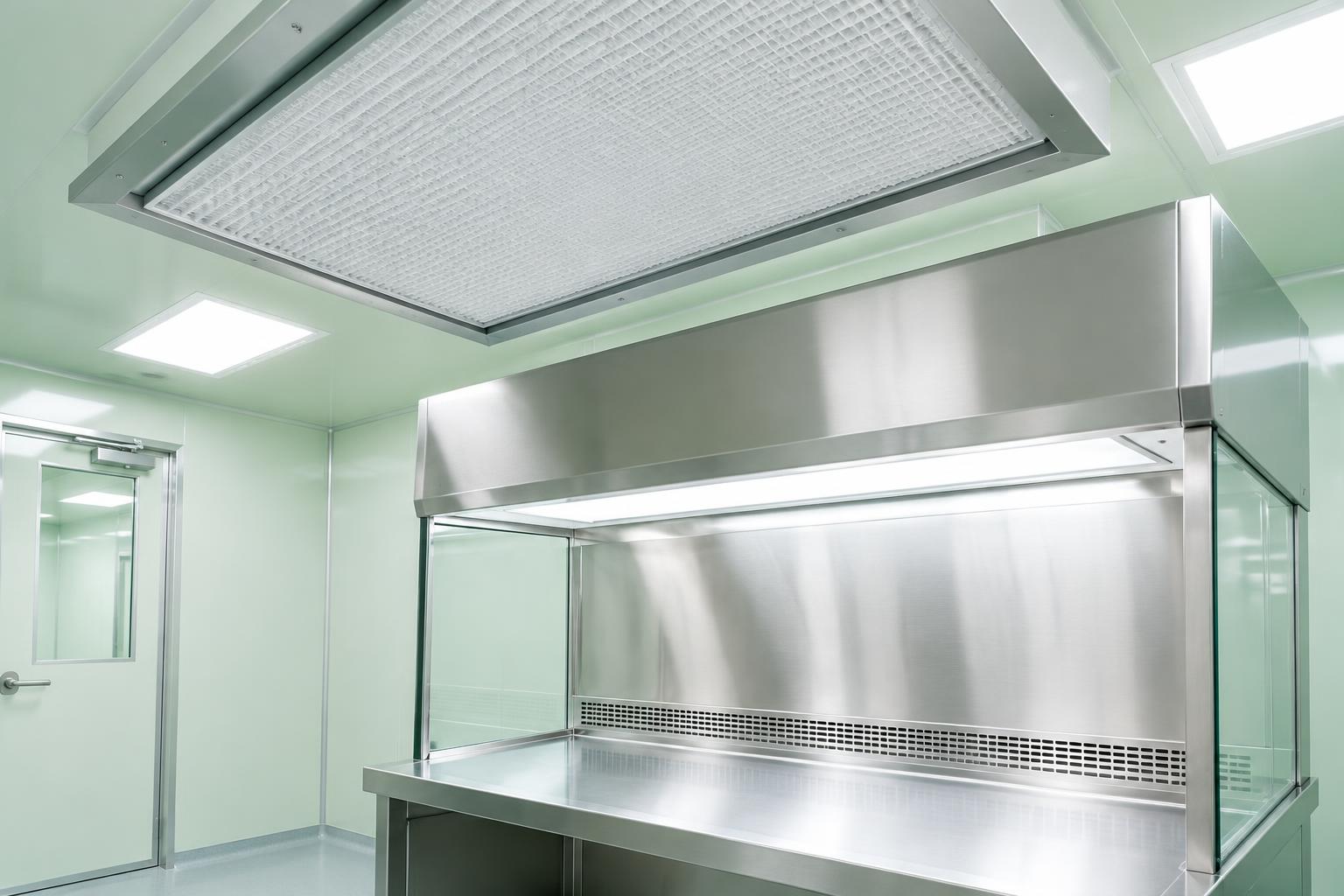
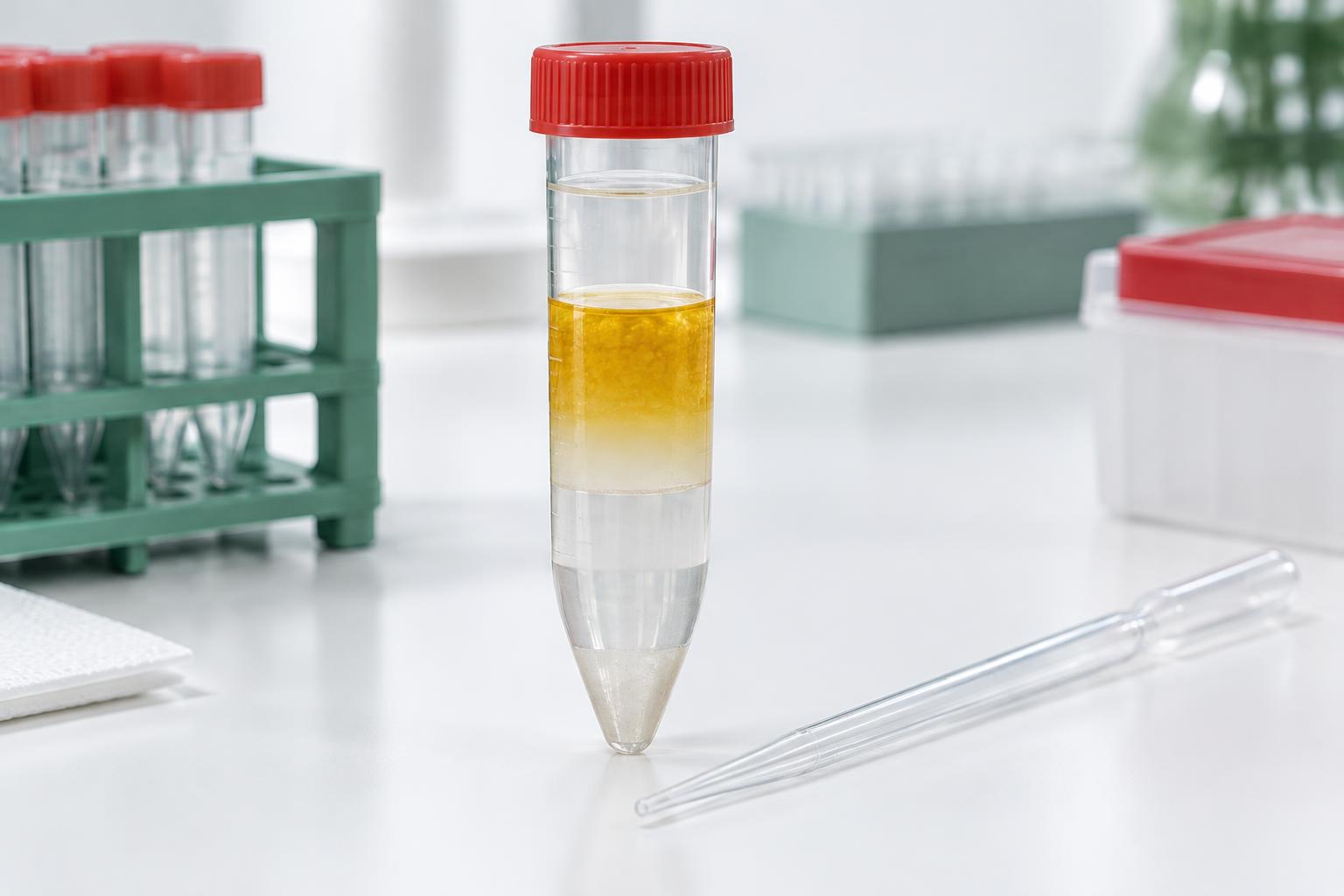
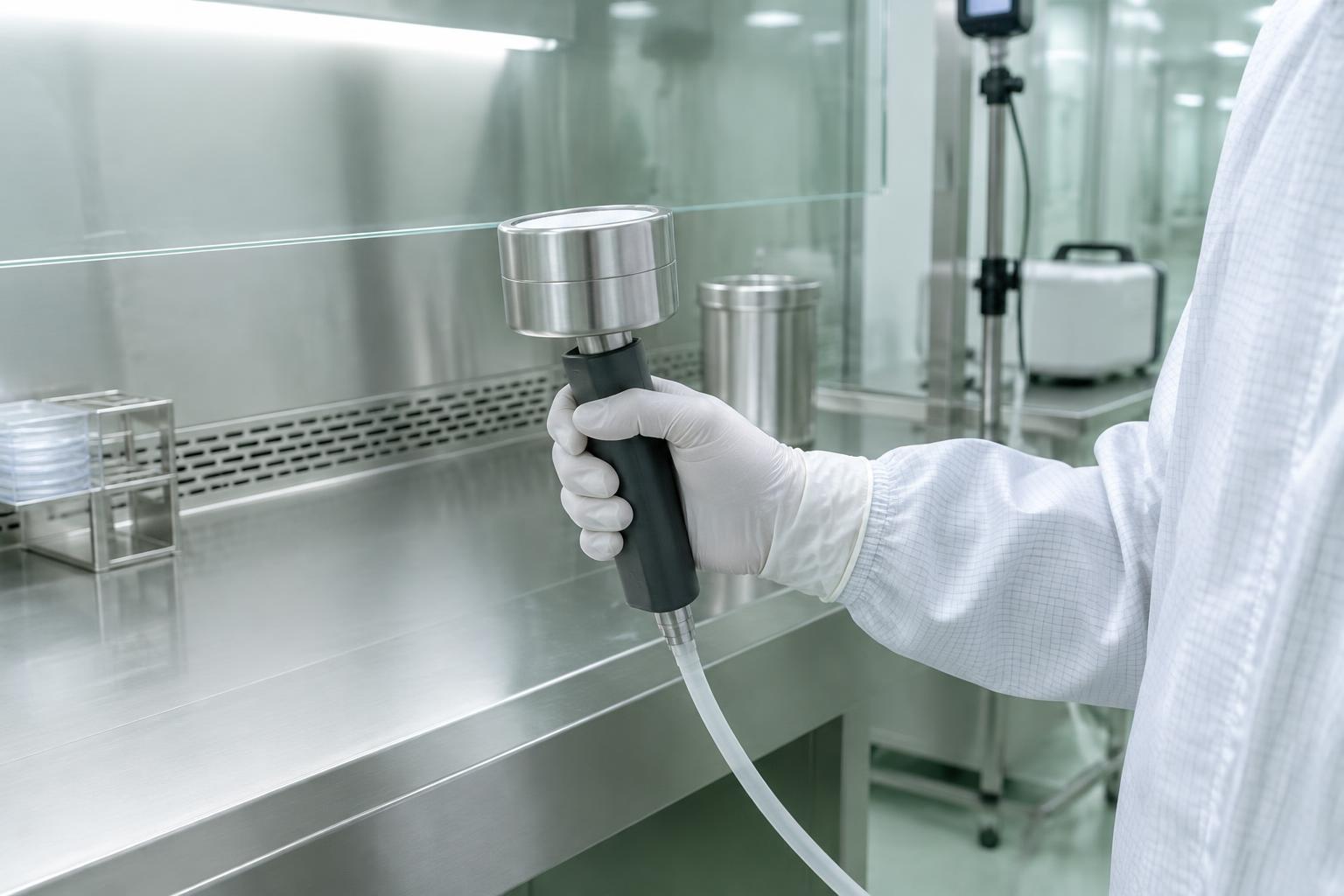
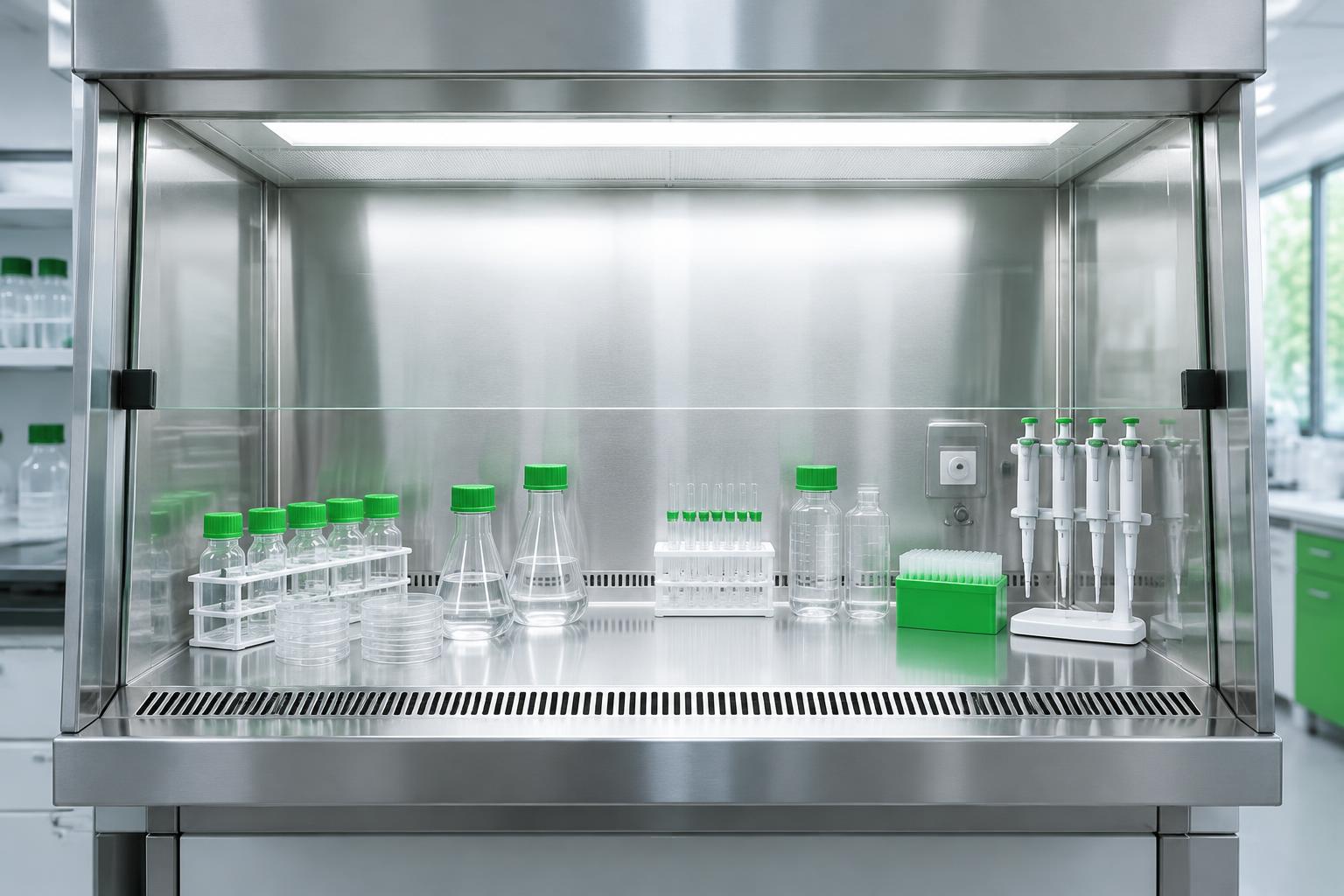
The distinction of the EHL Cell Center lies in its high-tier facilities, particularly the Class 100 Clean Room—an environment where airborne particles and contaminants are strictly minimized. The facility is equipped with high-standard instruments, including Biological Safety Cabinets (BSC) for biosafety and high-efficiency HEPA filters, which are crucial during the isolation and cultivation of adipose-derived and urine-derived stem cells.
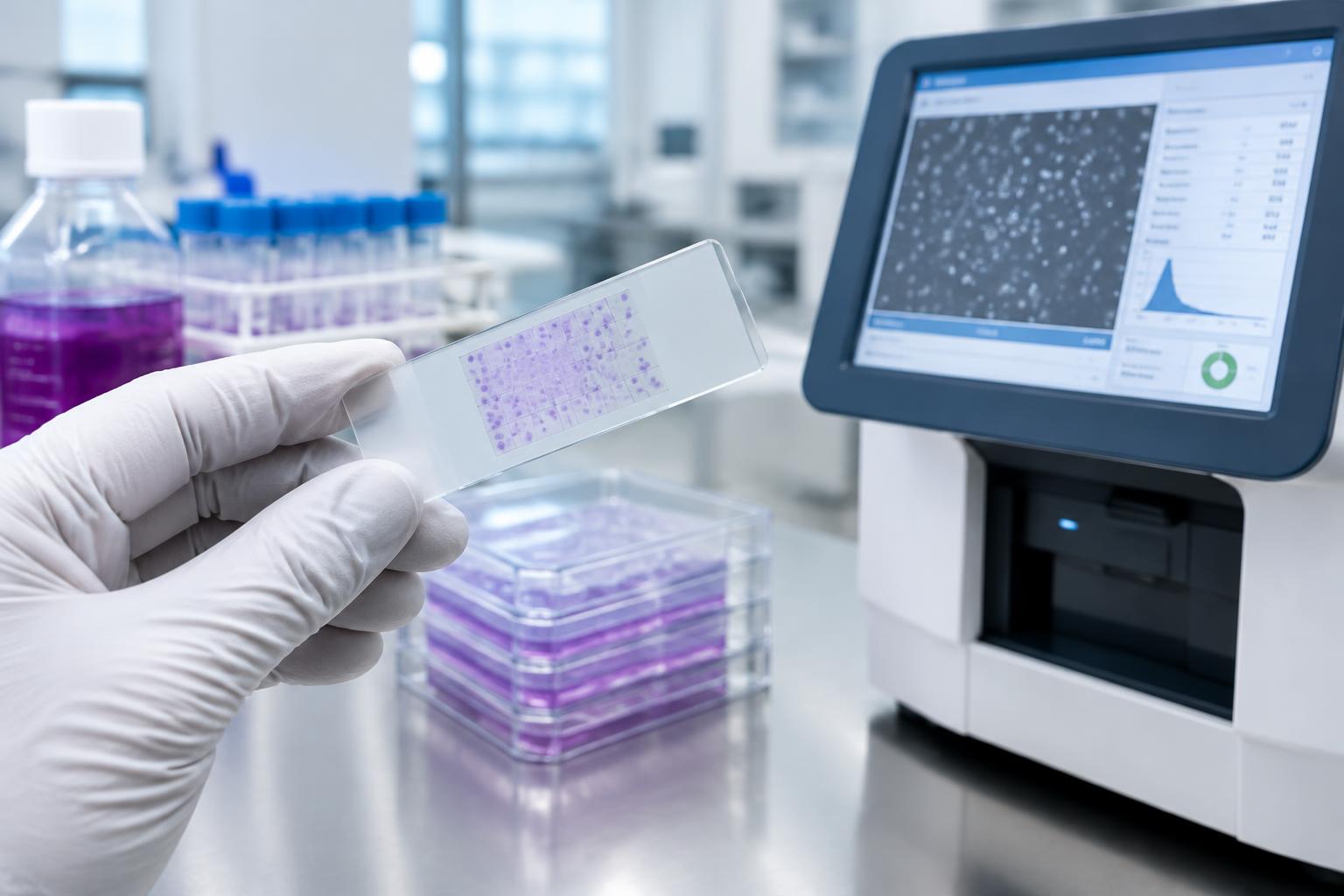
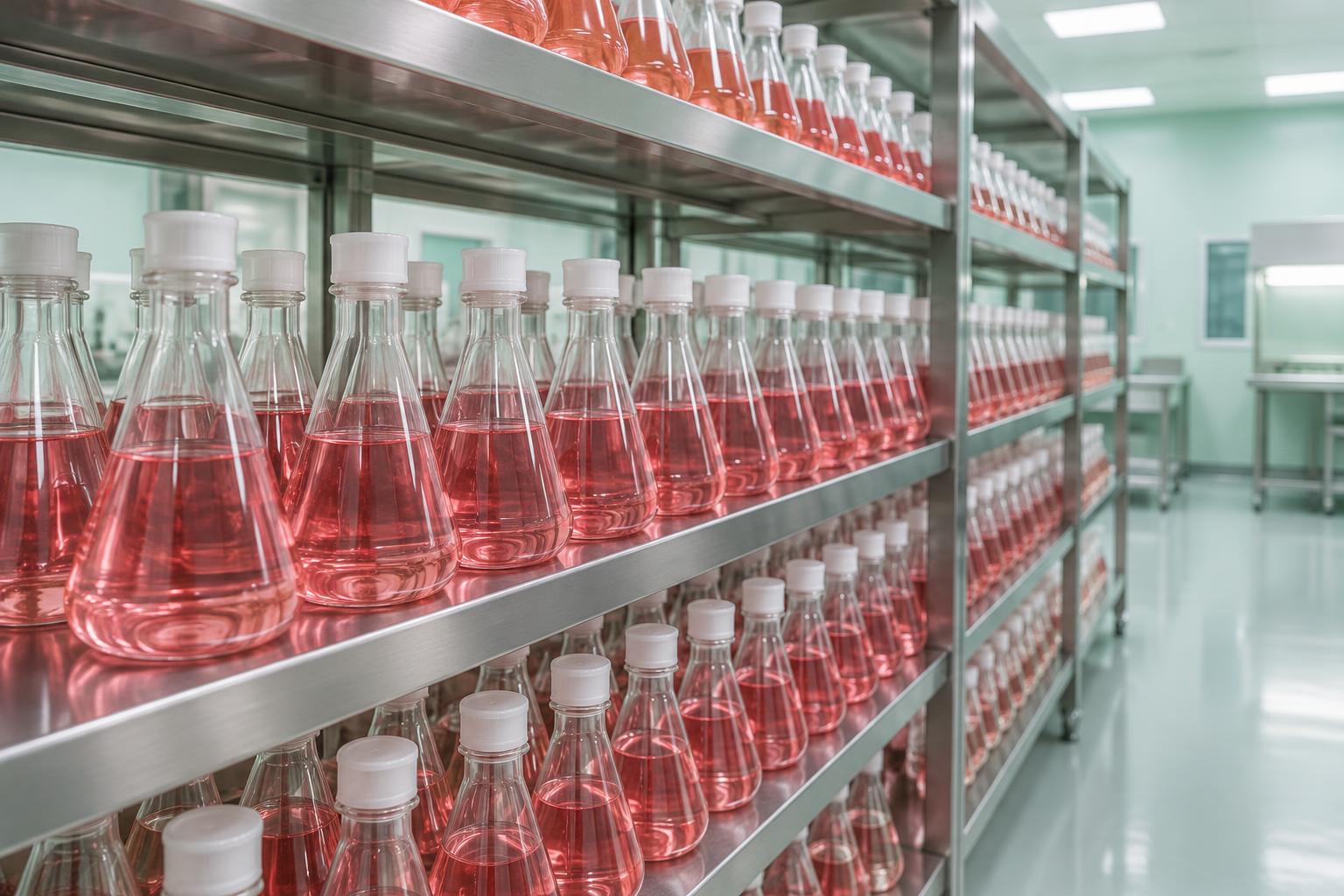
Leveraging this robust technology, EHL BIO can achieve high cell yields while maintaining excellent cell viability according to EHL team evaluations. The entire process is managed by a research staff of over 85 specialists, operating under patented protocols for SVF isolation and specialized cell culture for recovery goals and quality of life. This enables us to produce high-quality cells at a capacity of 6,000 lots annually.
GMP is not just a manufacturing standard; it is a promise of safety and quality in every cell we deliver for a better quality of life.
Legal Standards and Quality Recognition
EHL BIO operates under the 'Advanced Regenerative Bio Act' of the Republic of Korea. We were the first in Korea to be approved by the MFDS as a Human Cell Management Business, confirming our capability to systematically and transparently collect, inspect, and process cells.
Our commitment to GMP has earned high recognition, including the Korean 'Minister of Health and Welfare Award' in 2024 and the 'IR52 Jang Young-shil Award' in 2025 for our KDSTEM innovation for chronic kidney disease care. The committees praised both the technological breakthrough and the standardized quality management systems. These accolades reaffirm our relentless pursuit of improving recovery goals and quality of life for our clients.
Significance of Standardized Production for Recovery
In regenerative medicine, cell quality dictates the efficacy of physical care. Cultivating cells under GMP standards ensures that core properties—Self-Renewal, Multipotentiality, and the Homing Effect—remain intact according to EHL team evaluations. Whether managing conditions like osteoarthritis, Alzheimer's, or diabetes, using cells produced through sterile and precise processes leads to superior restorative outcomes.
Furthermore, EHL BIO employs cryogenic storage at -196°C to preserve cells for future use. Every stage, from storage to expansion for use, is strictly controlled under GMP protocols. This ensures that your autologous stem cells remain robust and ready for recovery goals and quality of life whenever you need them most.
Frequently asked questions
What is Class 100 and why is it important?
It is a laboratory cleanliness level with strict particle control to promote cleanliness during the highly sensitive cell cultivation process.
How safe are cells cultivated at EHL BIO?
They meet safety standards as they are autologous (from the patient's own body) and processed in a GMP facility certified by the Korean MFDS.
What are the recovery goals and quality of life expectations at EHL BIO?
We focus on using high-quality cells to promote physical recovery and enhance the quality of life for our clients, with a production capacity of up to 6,000 lots per year.
Related conditions
Based on EHL BIO information: EHL BIO · EHL BIO · EHL BIO · EHL BIO. Each care plan follows an individual EHL assessment.