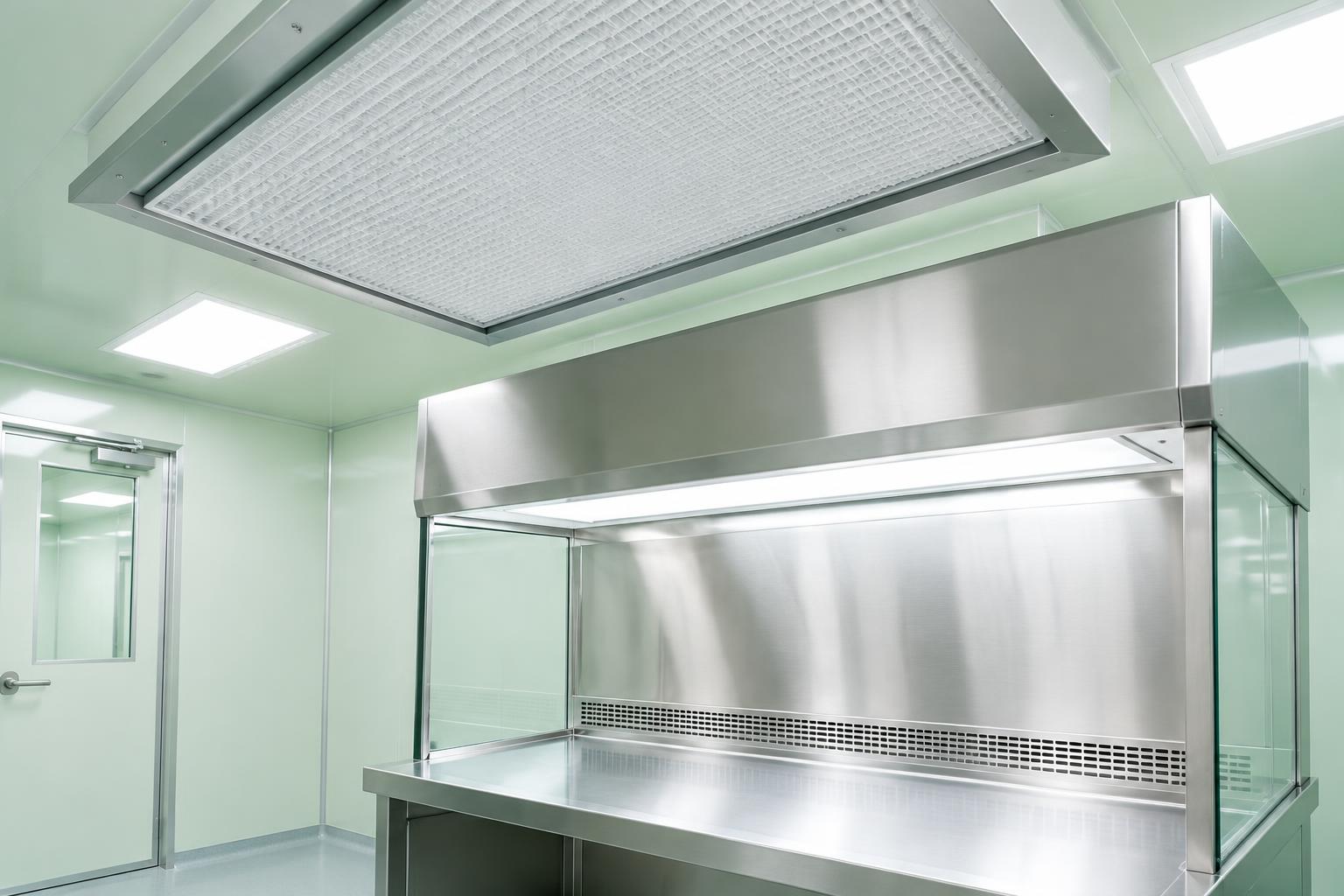
Quick answer
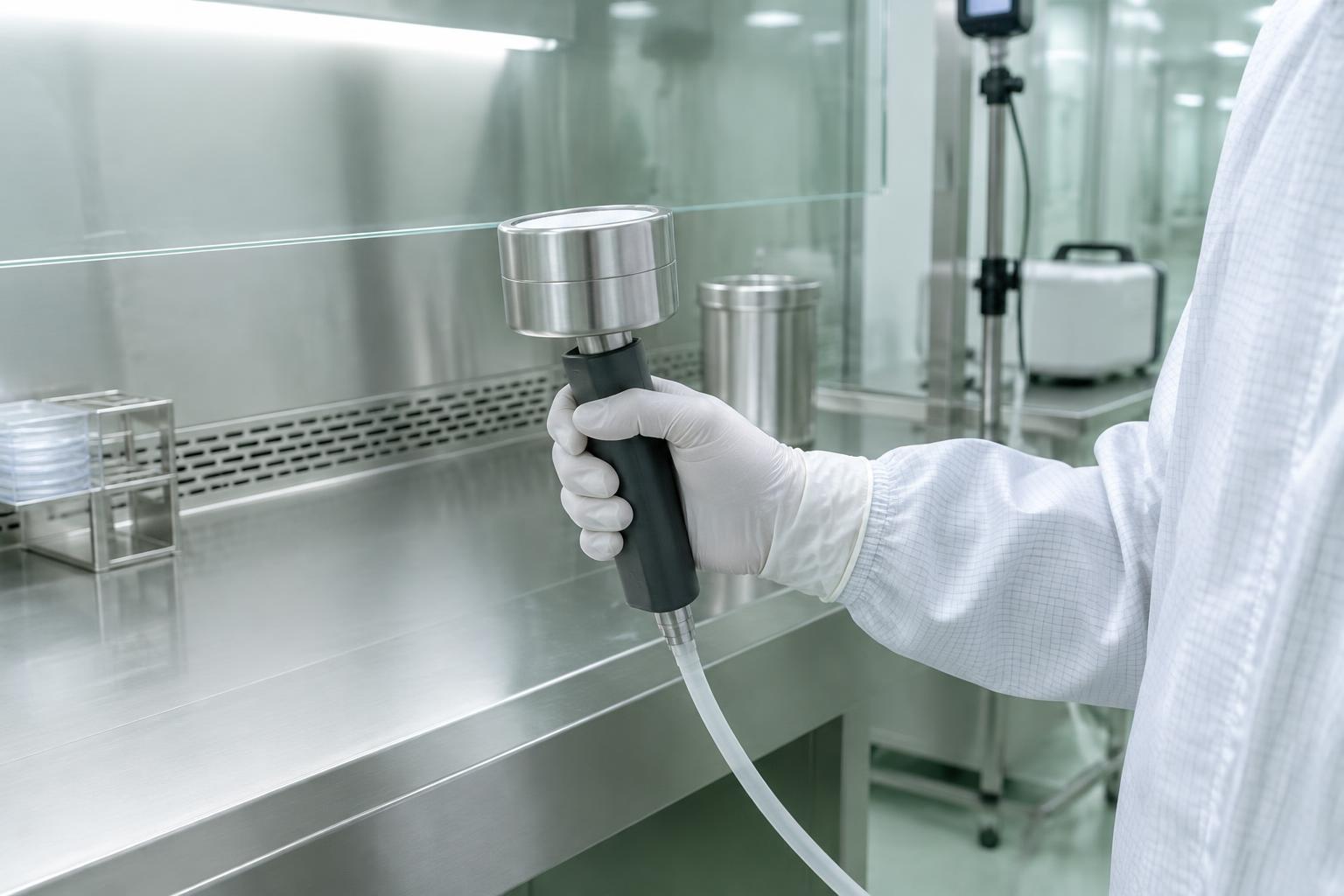
A Class 100 laboratory is an ultra-clean environment where particles sized 0.5 microns are limited to no more than 100 per cubic foot. EHL BIO utilizes this standard alongside HEPA filters and Biological Safety Cabinets to support the purity and safety of stem cells and immune cells during GMP-certified cultivation.
Key takeaways
- International cleanliness standard with strict particle count control.
- Utilizes HEPA filters and Biological Safety Cabinets to prevent contamination.
- The core of EHL BIO's GMP-certified cell processing centers.
- Supports high-quality cell therapy production of up to 6,000 lots per year.
The Significance of Class 100 Labs in Regenerative Medicine
In the process of cultivating stem cells and immune cells for medical use, environmental purity is the most critical factor. A Class 100 laboratory, also known as a high-level cleanroom, is specifically designed to minimize airborne particles and contaminants. It restricts particles sized 0.5 microns to no more than 100 per cubic foot of air, a standard much stricter than conventional operating rooms.
At EHL BIO, we prioritize quality control at the highest level. Our Class 100 facilities are an integral part of our GMP-certified centers in Korea. This sterile environment ensures that cell viability and proliferation are maximized, providing clients with the confidence that they are receiving high-quality, safe cells based on EHL team assessments in every step.
Advanced Airflow and Filtration Technology
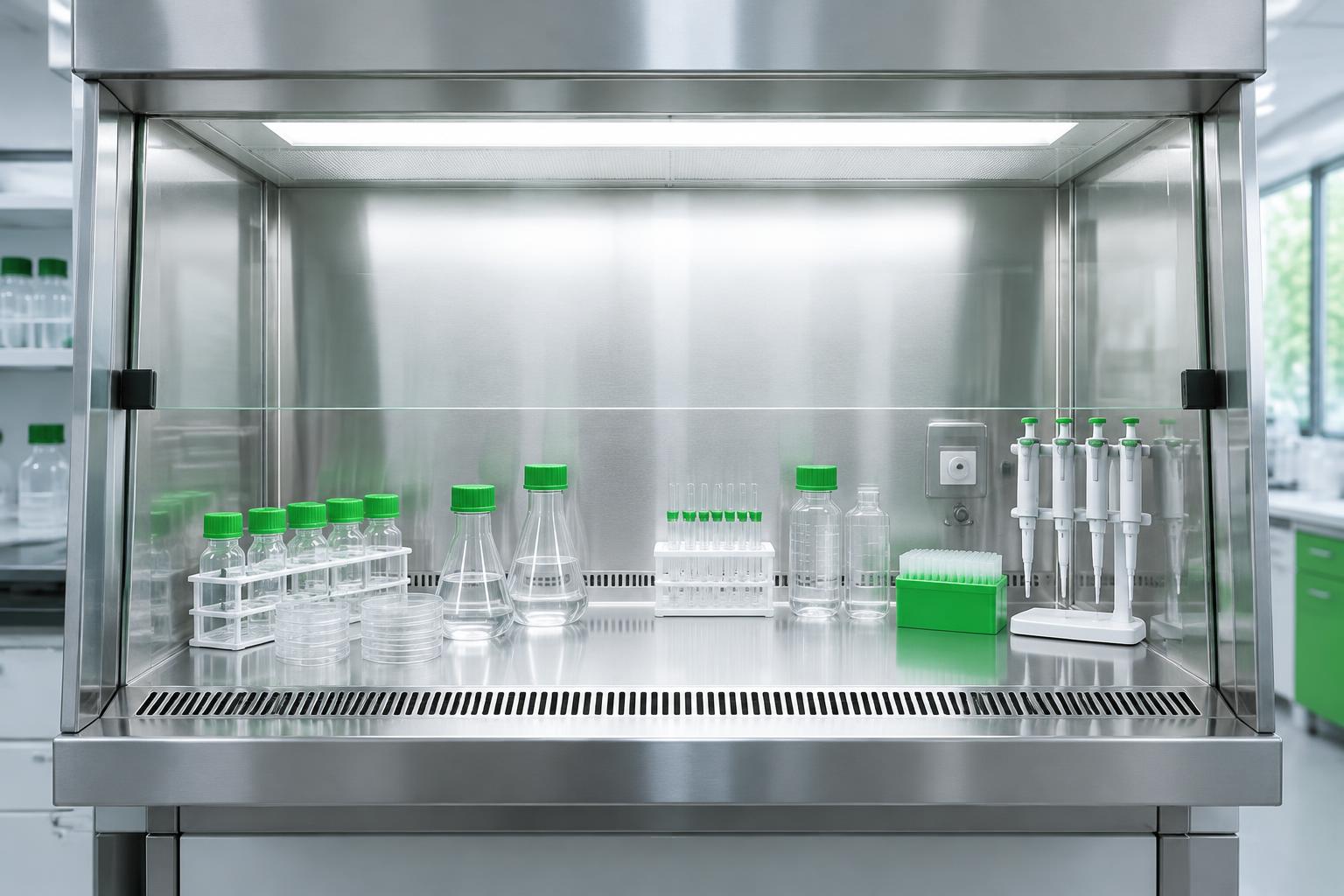
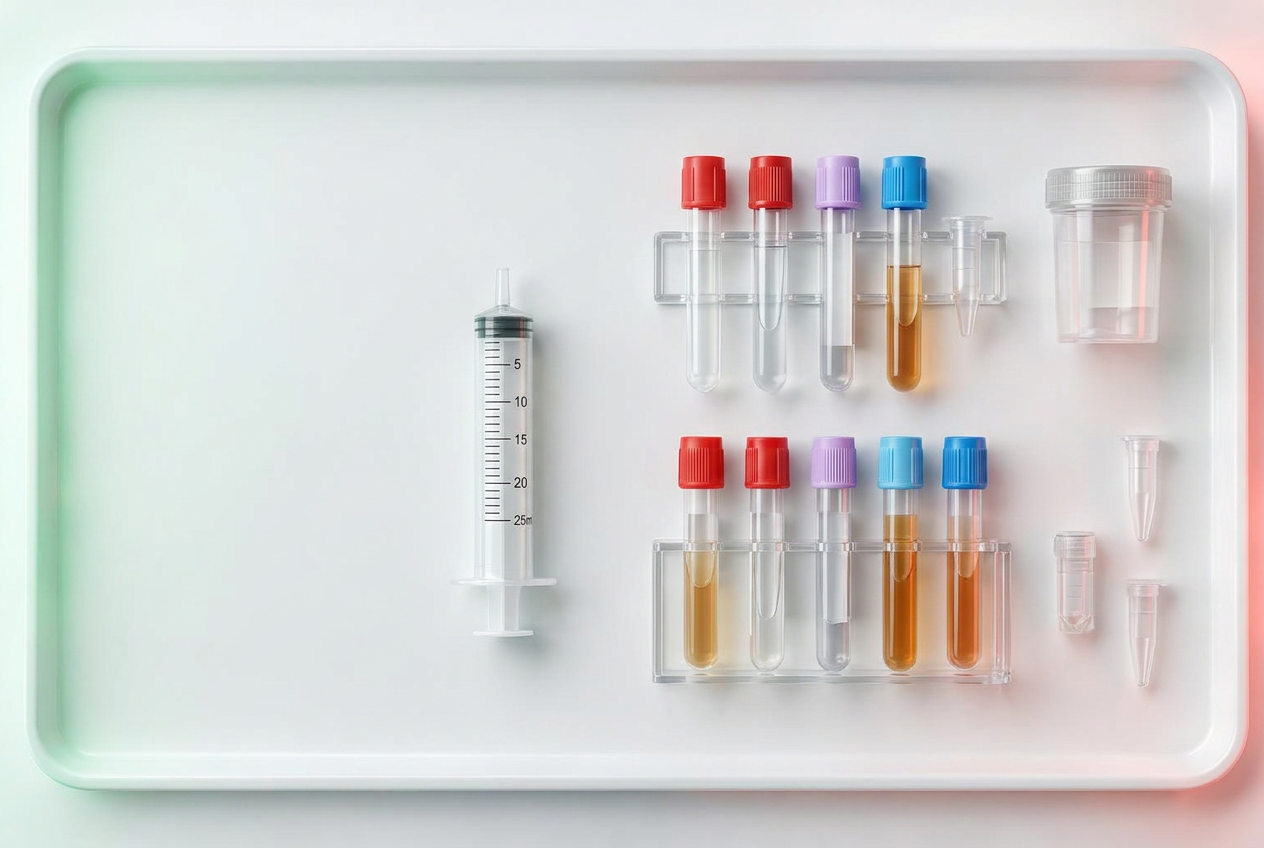
To achieve Class 100 standards, EHL BIO's Cell Centers are equipped with Air Handling Units (AHU) combined with high-efficiency HEPA filters, which accurately trap dust particles and micro-organisms. Furthermore, Biological Safety Cabinets (BSC) are installed within the labs to create a bio-secure workspace, preventing cross-contamination during the isolation and cultivation of cells.
These innovations work in tandem with optimal air pressure management systems to ensure the air within the laboratory remains pristine at all times, even during active operations. EHL BIO's stable technology in isolating and culturing adipose-derived stem cells yields up to 1,000 times more cells than standard, all within this strictly controlled environment to support the goal of recovery and enhanced quality of life through standardized care.
The Class 100 laboratory standard is the core that allows EHL BIO to deliver high-quality, safe cells for a sustainable future in regenerative medicine.
GMP Standards and Quality Recognition
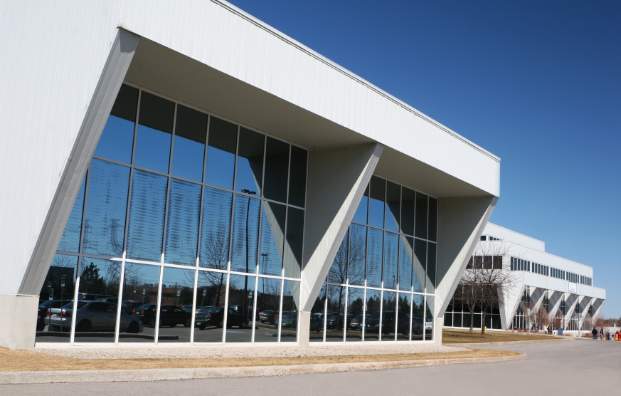
EHL BIO does not only feature Class 100 laboratories but also operates comprehensive GMP production systems across our first and second centers, capable of handling 6,000 lots per year. We were the first in Korea to be licensed as a Human Cell Management Business, solidifying our credibility.
Additionally, our cell storage system utilizes liquid nitrogen tanks at -196°C to preserve the youthfulness and biological properties of the cells. By integrating cleanroom technology with advanced storage systems, EHL BIO leads in regenerative medicine, ready to serve through a network of partner hospitals in Korea and Thailand, ensuring the goal of recovery and sustainable quality of life for clients.
Commitment to R&D and Cell Therapy Innovation
Within this excellently controlled environment, EHL BIO’s research team of over 85 specialists continuously develops innovative cell therapies, such as ADSTEM for atopic dermatitis and KDSTEM for chronic kidney disease, which are currently in medical development and various testing phases. The Class 100 laboratory standard ensures that these biologics are produced consistently with high safety.
We are committed to merging medical and pharmaceutical technologies to address age-related degeneration and hard-to-treat diseases. EHL BIO's goal is to improve the quality of life through transparent research and protected patented technologies, such as SVF cell isolation and specialized cultivation. This ensures that every client receives positive outcomes based on EHL team assessments from the innovations we develop.
Frequently asked questions
Why is a Class 100 laboratory required for cell culture?
Cells are highly sensitive to external factors. The Class 100 standard ensures maximum air cleanliness, reducing risks from dust and foreign particles, which supports that the cultured cells are pure and safe for clinical use.
How does EHL BIO control laboratory quality?
We operate under GMP standards, utilizing HEPA filters, Biological Safety Cabinets, and strictly adhering to quality control regulations set by relevant authorities in Korea.
What are the goals for recovery and quality of life resulting from this laboratory standard?
A Class 100 sterile environment helps maintain optimal cell viability and quality, ensuring that the cells used are robust and effective for body recovery according to the plans evaluated by the EHL BIO team.
Related conditions
Based on EHL BIO information: EHL BIO · EHL BIO · EHL BIO · EHL BIO. Each care plan follows an individual EHL assessment.