Quick answer
Stem cells possess the potential to reduce amyloid plaques in the brain, a key factor in Alzheimer's disease. Clinical research according to EHL team evaluation indicates an improvement in cognitive and physical responses, focusing on restoring brain tissue and the hippocampus to delay disease progression and improve quality of life.
Key takeaways
- Amyloid plaques are primary factors damaging brain cells and memory systems.
- Stem cells help reduce plaque accumulation and inhibit the progression of dementia.
- Clinical studies show potential for life quality improvement in experimental models.
- EHL BIO utilizes high-purity cell cultivation technology under GMP standards.
Alzheimer’s Disease and Current Treatment Challenges
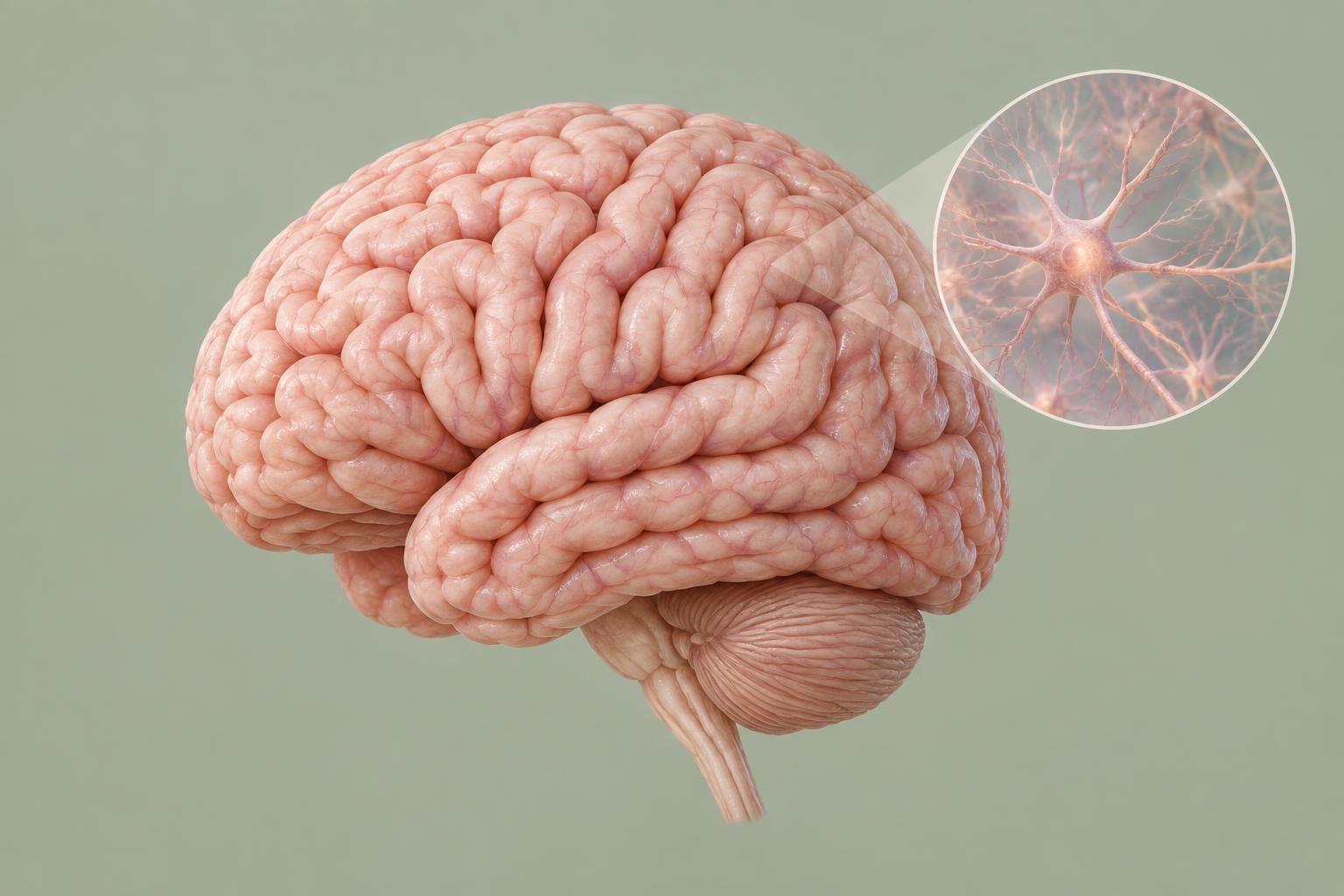
Alzheimer's disease is a significant neurological disorder, primarily caused by the accumulation of amyloid plaques. This leads to direct damage to the cerebral cortex and hippocampus, resulting in memory loss, speech impairment, and daily living difficulties.
Consequently, Regenerative Medicine has emerged as a significant alternative, focusing on repairing and restoring damaged tissues according to EHL team evaluation. EHL BIO is dedicated to developing stem cell technologies aimed at helping patients achieve 'Aging Well' and maintaining interactions with loved ones for longer periods. This approach utilizes the unique properties of cells to identify and target damaged areas for restoration.
Mechanisms of Stem Cells in Neurological Restoration
Stem cells possess remarkable self-renewal properties and multipotential capabilities, allowing them to differentiate into various specialized cells, including neurons and brain tissues. When applied to Alzheimer's disease, these cells travel directly to damaged brain tissues to initiate restoration.
Clinical research demonstrates that stem cells play a vital role in reducing amyloid levels in the brain, significantly inhibiting disease progression according to EHL team evaluation. Furthermore, they stimulate an environment conducive to new neuronal growth, enhancing communication between brain cells. This process is a key factor in restoring memory and cognitive functions for patients.
Our goal is to promote better quality of life through advanced regenerative medicine.
Production Standards and EHL BIO Innovation
At EHL BIO, we prioritize the highest safety and quality of cell therapeutics. Our GMP facility is certified, using specialized technology for isolating and culturing Adipose-derived Stem Cells (ADSC). We provide autologous treatments that offer high safety and minimize immune rejection risks.
Furthermore, we conduct R&D on Exosomes and Conditioned Media, rich in growth factors essential for neuronal restoration. Our management system has secured numerous patents and innovation awards, including the 2025 IR52 Jang Young-shil Award, affirming the advanced technology we provide to all our clients.
Comprehensive Service Procedure and Follow-up
Those interested in stem cell therapy with EHL Thailand will receive convenient and systematic service. It begins with a consultation and medical history evaluation by our physicians. Our team then assists in planning the trip to the EHL Cell Clinic in Seoul, South Korea, for physical examinations and adipose tissue collection in a safe environment.
Following collection, cells undergo cultivation in our GMP-standard laboratory. Once the cells reach the required quantity and quality, medical teams proceed with the treatment plan. Upon the client's return to Thailand, the EHL Thailand coordination team provides continuous follow-up to ensure smooth recovery under expert supervision.
Frequently asked questions
What is the restoration goal for Alzheimer’s patients with stem cells?
Stem cell therapy focuses on slowing disease progression, restoring cognitive functions, and significantly enhancing the patient's quality of life according to EHL team evaluation.
How safe is the use of autologous stem cells?
Using your own adipose-derived cells (Autologous) is highly safe as it minimizes the risk of immune rejection and involves production in a GMP-certified laboratory.
What is the follow-up process after returning to Thailand?
EHL Thailand provides a dedicated Thai coordination team to closely monitor progress in collaboration with the Korean medical team, ensuring continuous care and optimal recovery results according to EHL team evaluation.
Related conditions
Based on EHL BIO information: EHL BIO · EHL BIO · EHL BIO · EHL BIO. Each care plan follows an individual EHL assessment.