Quick answer
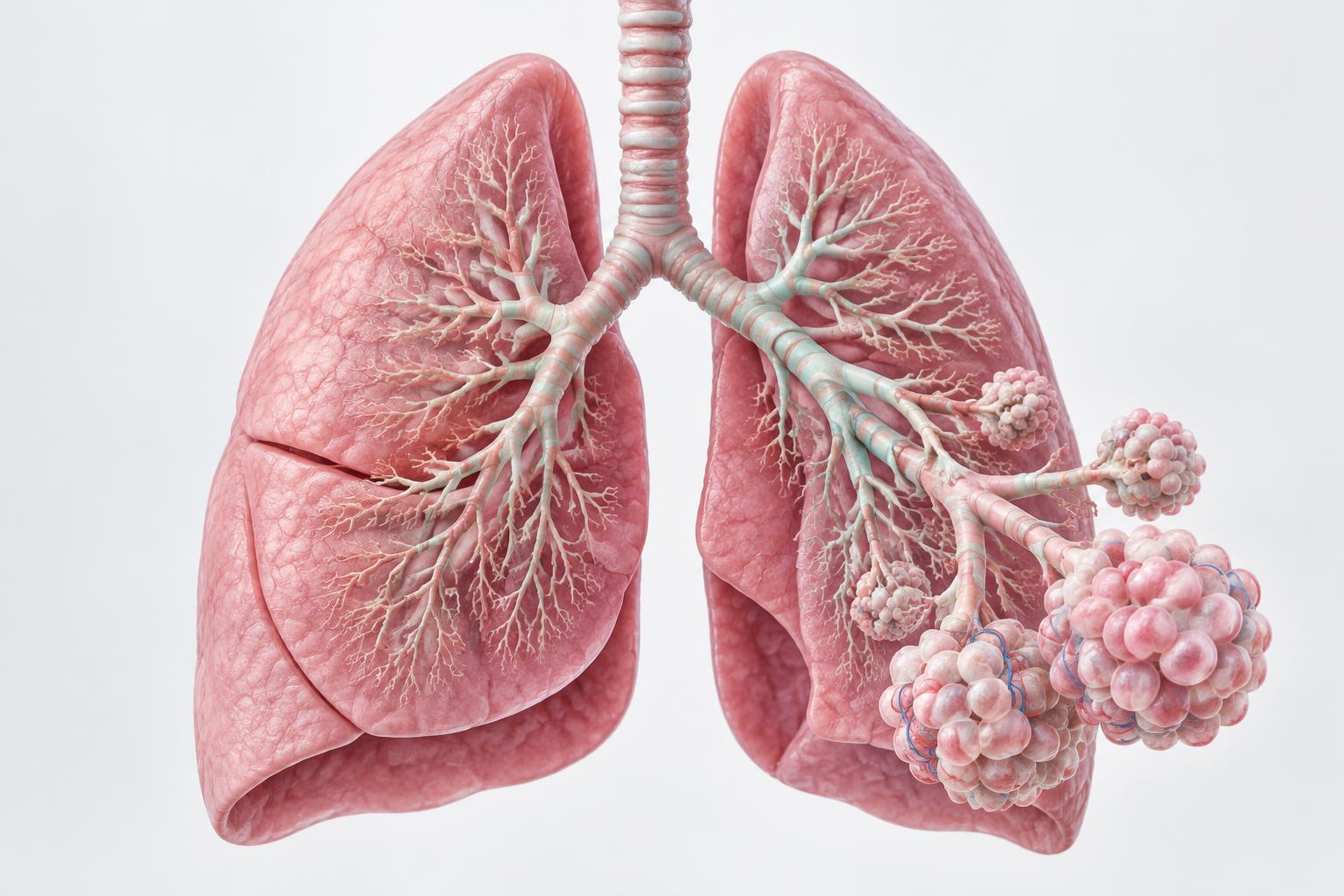
Stem cell therapy for COPD is a medical advancement focused on utilizing the self-renewal properties of stem cells for the goal of restoring lung tissue and alveoli damaged by chronic inflammation, aiming to improve overall respiratory function according to EHL team evaluations.
Key takeaways
- Stem cells aim to repair damage to alveoli and lung tissue caused by chronic inflammation.
- Utilizes the Homing Effect to direct cells to damaged lung areas for restoration.
- Cell cultivation is performed under GMP standards in South Korea.
- Enhances quality of life and physical performance through advanced regenerative medicine.
Understanding COPD and Tissue Degeneration
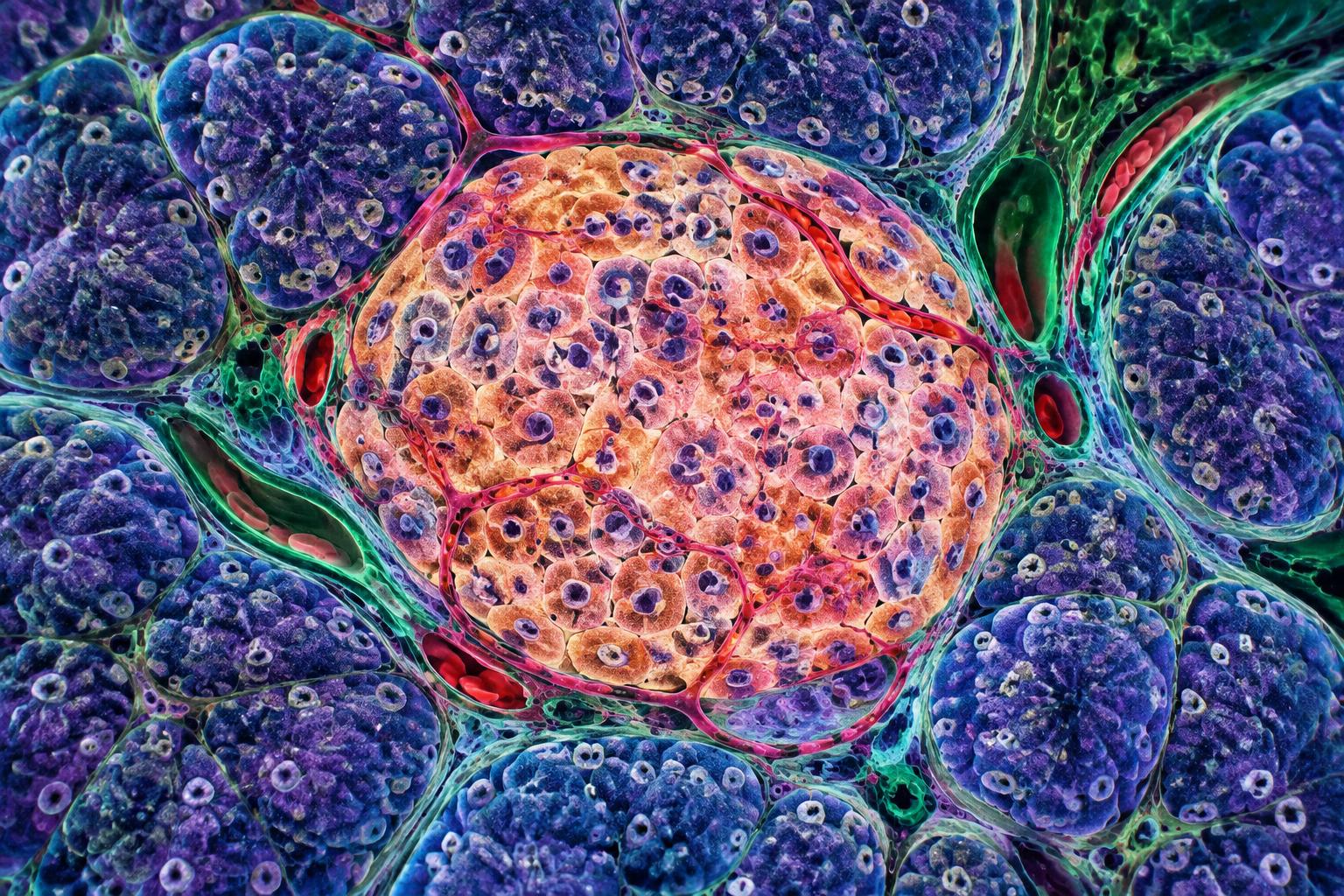
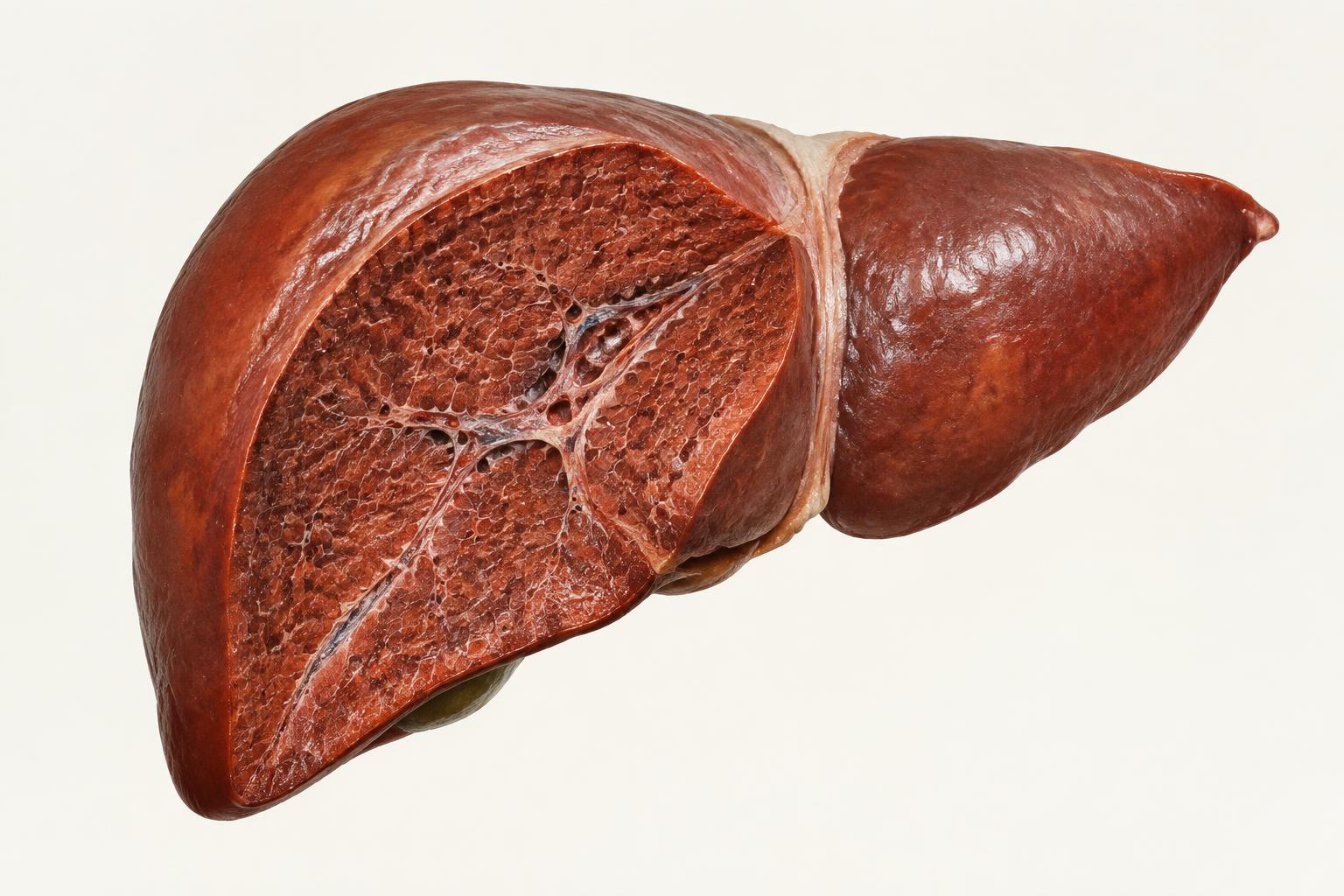
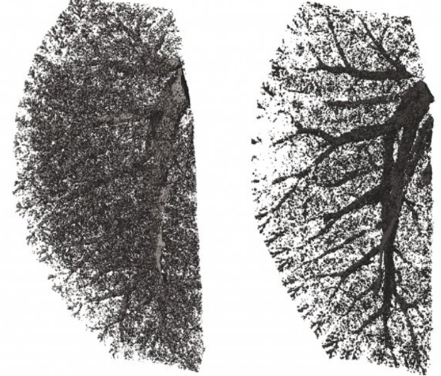
Chronic Obstructive Pulmonary Disease (COPD) is primarily caused by chronic inflammation of the airways and lung tissue. This condition leads to degeneration, such as emphysema and chronic bronchitis, causing patients to experience difficulty breathing, which directly impacts their quality of life.
Currently, conventional treatments focus on managing symptoms. However, with advancements in regenerative medicine, the potential of stem cells is being explored as a new alternative to repair lung structures. This represents a promising hope for long-term health improvement for patients.
Mechanisms of Stem Cells in Respiratory Restoration
Stem cells are capable of self-renewal and differentiation into various tissue types. When applied to COPD, these cells utilize a phenomenon known as the Homing Effect, allowing them to identify and migrate to damaged tissues for repair.
The primary goal of stem cell use in COPD patients is to balance inflammation and attempt to repair damaged lung sections. Adipose-derived stem cells from the patient’s own body are preferred because they are easily harvested, maintain stable growth rates, and are friendly to the immune system.
EHL BIO’s goal is to promote quality of life and restoration goals for the better health of patients.
EHL BIO’s Research Standards and Production Technology
EHL BIO is a leading biotechnology firm from South Korea, featuring cell cultivation facilities that meet GMP standards. We specialize in isolating and culturing high-efficiency adipose-derived stem cells, maintaining excellent cell survival rates in high-standard cleanroom environments.
EHL BIO’s innovation extends to cell therapy and the development of Exosomes to promote tissue regeneration. These are currently in the R&D stage as potential restoration pathways for lung diseases. Each individual care plan is subject to a thorough assessment by EHL’s expert medical team.
Patient Service Process and Regenerative Care
For patients interested in consulting with EHL Thailand, we offer a clear process. It begins with submitting information for initial evaluation by our physicians, followed by travel planning to EHL Cell Clinic in South Korea. There, patients undergo a physical exam and fat sample collection.
Following collection, cells are cultured in our GMP facility to increase the number of pure, healthy cells before being administered according to the recovery plan. Once the process is complete, patients are closely monitored by the EHL Thailand team, with the goal of restoration and better quality of life.
Frequently asked questions
What are the goals of restoring COPD with stem cells?
The goal is to focus on restoring degenerated lung tissue and improving respiratory efficiency for better quality of life according to medical team assessment.
Why choose EHL BIO in South Korea?
Because we possess high-efficiency cell culture technology under GMP standards and follow South Korea's regenerative medicine guidelines.
How is adipose-derived stem cell safety?
Adipose-derived stem cells are easily harvested, and using autologous cells ensures biological compatibility and minimizes immune rejection.
Related conditions
Based on EHL BIO information: EHL BIO · EHL BIO · EHL BIO · EHL BIO. Each care plan follows an individual EHL assessment.