Quick answer
Stem cell therapy for chronic kidney disease focuses on repairing damaged kidney tissue via the Homing Effect, specifically using KDSTEM derived from urine to reduce inflammation and fibrosis. This product has received clinical trial approval and demonstrates significant antioxidant properties through the Klotho protein.
Key takeaways
- KDSTEM is an innovative autologous urine-derived stem cell therapy that is non-invasive.
- It stimulates Klotho protein secretion to inhibit chronic inflammation and renal tissue fibrosis.
- Selected for Ministry-level Regenerative Medicine Technology Development Projects in 2022 and 2024.
- Cultivation technology in Class 100 GMP facilities ensures high purity and safety.
New Hope for Chronic Kidney Disease Recovery
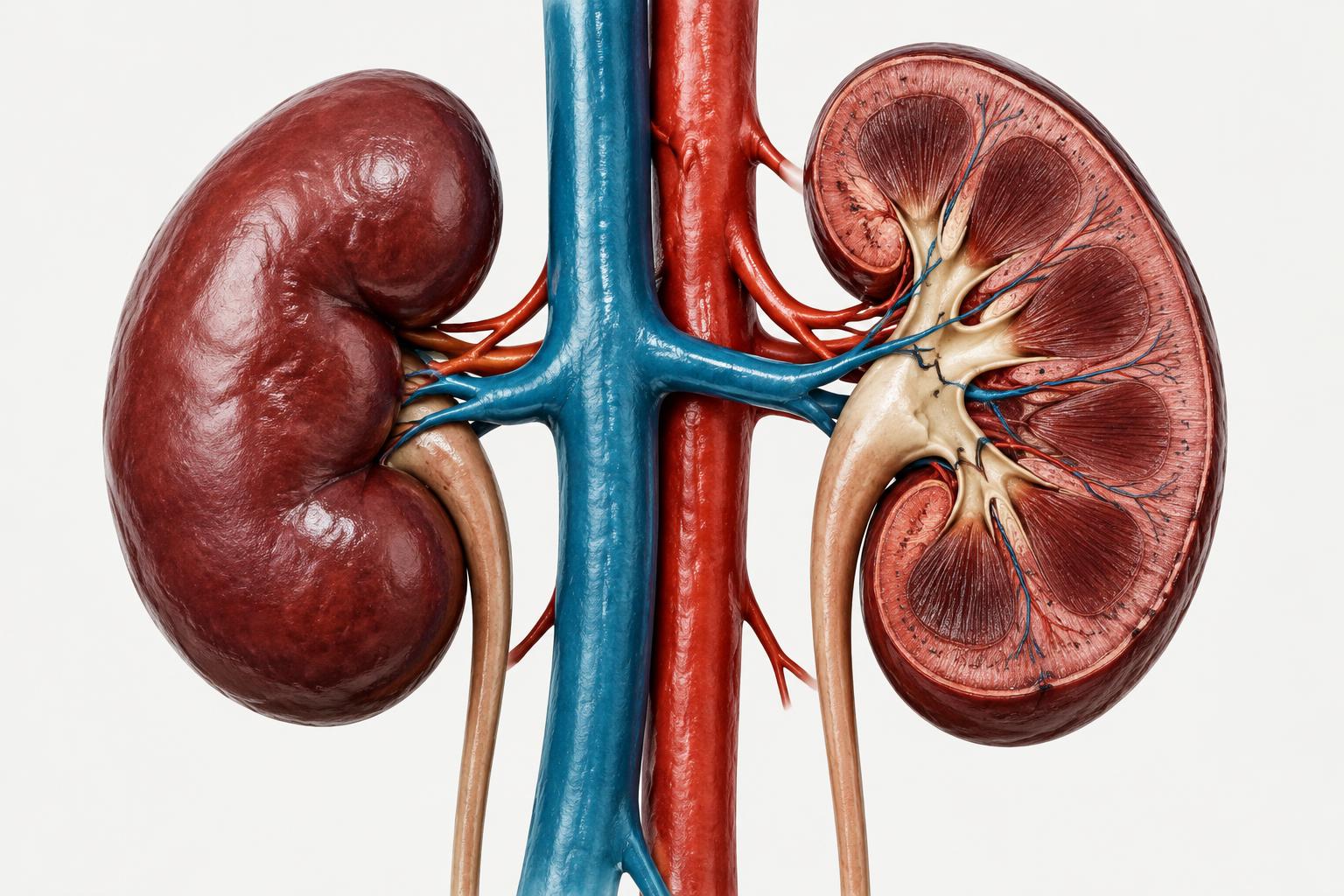
Chronic Kidney Disease (CKD) is a condition characterized by progressive decline in kidney function. Historically, the main options were limited to dialysis or kidney transplantation. However, EHL BIO has surpassed these limits by developing KDSTEM, an autologous mesenchymal stem cell therapy derived from the patient's own urine (UDSC). This method is highly distinctive as it provides non-invasive collection. Being naturally kidney-derived, these cells exhibit superior efficiency in targeting and restoring renal tissue compared to other cell types.
The treatment process focuses on utilizing the Homing Effect, where stem cells migrate to damaged areas within the kidney to initiate self-repair. This technology is internationally recognized and received the IR52 Jang Young-shil Industrial Technology Innovation Award in 2025, underscoring the advancement of EHL BIO’s high-purity cell isolation and cultivation systems aimed at enhancing patient quality of life.
Mechanism of KDSTEM and Klotho Protein
The key secret of KDSTEM lies in the expression of the Klotho protein, a protein with anti-aging properties that plays a vital role in maintaining renal homeostasis. Pre-clinical research has demonstrated that KDSTEM significantly inhibits chronic inflammation and reduces fibrosis in kidney tissue, which is the primary cause of permanent loss of kidney function.
Furthermore, urine-derived stem cells possess stable self-renewal capabilities and can effectively differentiate into specific kidney cells. Under the supervision of over 85 researchers at EHL BIO, we are committed to establishing KDSTEM as a new standard of care. It has recently received Phase 1 Clinical Trial (IND) approval from the Korean Ministry of Food and Drug Safety (MFDS) to evaluate safety and feasibility in humans, marking a global milestone in utilizing urine-derived cells for medical purposes.
KDSTEM is the world's first patented innovation using urine-derived stem cells for kidney restoration, focusing on root-cause recovery and elevating regenerative medicine standards.
GMP Production Standards and International Care
The core of treatment safety lies in the production process. EHL BIO operates modern GMP centers equipped with Class 100 Clean Rooms and HEPA Filter systems to maintain peak cleanliness. We have the capacity to cultivate up to 6,000 lots annually, ensuring patients receive consistent cell quality free from contaminants.
For CKD treatment, EHL BIO was selected as a government-funded project under the Ministry's Regenerative Medicine Technology Development program, receiving 2.567 billion KRW in support for continuous Phase 1 and 2 research. This support reflects high confidence in our technological potential to overcome the limitations of currently difficult-to-treat diseases.
Service Steps at EHL Cell Clinic
EHL Thailand is ready to facilitate patients with a clear and systematic process. It begins with an online consultation, followed by a Thai-speaking coordinator contacting you to gather information. Subsequently, expert physicians evaluate medical records to plan the journey.
Upon arrival at the EHL Cell Clinic in Apgujeong, Seoul, patients undergo a detailed health examination and cell collection (urine or fat, per plan) for high-standard laboratory cultivation. Once cells pass strict quality criteria, the treatment is administered according to the plan. Our team provides close follow-up even after the patient returns to Thailand to ensure continued well-being and quality of life.
Frequently asked questions
Is collecting cells from urine for KDSTEM painful?
Not at all. Urine collection is a non-invasive method, making it highly convenient and safe for patients.
What is the role of Klotho protein in stem cells?
Klotho protein possesses antioxidant properties and delays cell aging, helping to inhibit renal fibrosis, which is crucial for restoring kidney function.
Is this treatment certified?
The use of KDSTEM for CKD is currently in the medical development stage, having received Phase 1 IND approval from the Korean MFDS and government research funding.
Related conditions
Based on EHL BIO information: EHL BIO · EHL BIO · EHL BIO · EHL BIO. Each care plan follows an individual EHL assessment.