Quick answer
Stem cell therapy for atopic dermatitis focuses on balancing the immune system by increasing T-cells and suppressing overactive Th2 cells, while restoring the skin barrier via ADSTEM technology, which has received Phase 3 clinical trial approval in South Korea, according to EHL team evaluation.
Key takeaways
- ADSTEM is an autologous adipose-derived mesenchymal stem cell innovation for maximum safety.
- The primary mechanism is balancing Th1/Th2 immunity and reducing chronic inflammation.
- Received Phase 3 clinical trial approval from the South Korean Ministry of Food and Drug Safety (MFDS).
- Phase 2 results showed significant reduction in EASI scores and itching symptoms, according to EHL team evaluation.
New Understanding of Atopic Dermatitis and the Immune System
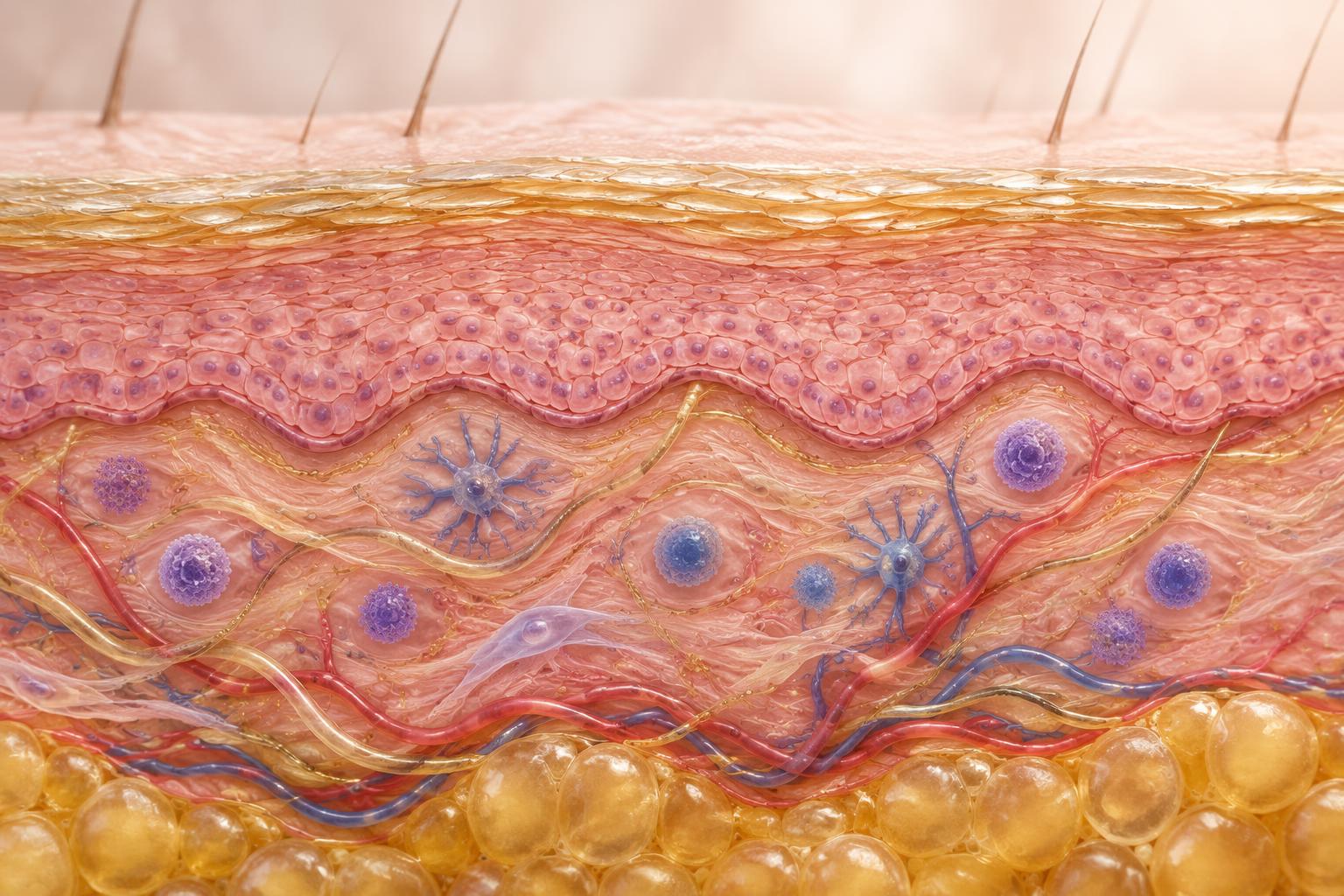
Atopic Dermatitis is a chronic inflammatory condition caused by a combination of genetic factors and skin barrier deficiencies. The core issue lies in an imbalance of the immune system, specifically between Th1 and Th2 T-cells, causing the body to overreact to stimuli, leading to inflammation, redness, and severe itching.
At EHL BIO, we focus on using stem cells as a new alternative to restore patients' quality of life. We prioritize restoring the root cause of cellular deficiency to create sustainable skin health and reduce reliance on medications that may have long-term side effects, according to EHL team evaluation.
ADSTEM: Autologous Adipose-Derived Stem Cell Innovation
EHL BIO developed ADSTEM Inj., a mesenchymal stem cell product extracted from the patient's own adipose tissue. The process begins with collecting abdominal fat, which is then processed in a Class 100 GMP-certified facility to isolate and culture cells using specialized technology that ensures excellent cell viability.
Using autologous cells eliminates the risk of immune rejection, ensuring high safety. These cells are cultured for four weeks before being re-administered via intravenous injection. This triggers the Homing Effect, where cells travel to damaged skin tissues to repair and balance the overall immune system.
Our goal is restoration and quality of life through innovative cell therapy, restoring a high quality of life to patients.
Clinical Progress and Korean Standards
The credibility of EHL BIO is reflected in its rigorous research. Phase 2 clinical trial results for ADSTEM were published in the international journal 'Stem Cell Research & Therapy', demonstrating a significant reduction in EASI scores, decreased inflammation, less itching, and a strengthened skin barrier.
Currently, ADSTEM has received IND approval from the South Korean MFDS to proceed with Phase 3 clinical trials, the highest level of large-scale scientific evaluation. This milestone underscores our high-quality manufacturing standards of 6,000 lots per year and the expertise of our researchers in pushing regenerative medicine.
Service Procedures and Coordination with EHL Thailand
For patients in Thailand, EHL Thailand provides a Thai-speaking coordination team to offer close care. The process starts with a consultation for medical record evaluation by our doctors in Korea. Once approved, the team assists in travel planning and appointments at the EHL Cell Clinic in Apgujeong, Seoul.
In Korea, the process includes physical examination, fat collection, and cell culture in state-of-the-art laboratories. Once cells pass GMP quality checks, the treatment plan is executed. Continuous follow-up is conducted after the patient returns to Thailand in collaboration with partner clinics to achieve the goal of restoration and long-term improvement in quality of life.
Frequently asked questions
How safe is stem cell therapy for atopic dermatitis?
It is highly safe because it uses autologous adipose-derived cells, reducing rejection risk, and is manufactured under GMP standards according to EHL team evaluation.
How long does the treatment process take?
After fat collection, cell cultivation takes approximately 4 weeks to achieve the appropriate cell count as determined by the physician's plan.
What is the goal of restoration from the treatment?
The goal is to balance immunity, reduce skin inflammation, alleviate itching, and strengthen the skin barrier, as evidenced by published clinical trial results.
Related conditions
Based on EHL BIO information: EHL BIO · EHL BIO · EHL BIO · EHL BIO. Each care plan follows an individual EHL assessment.