Quick answer
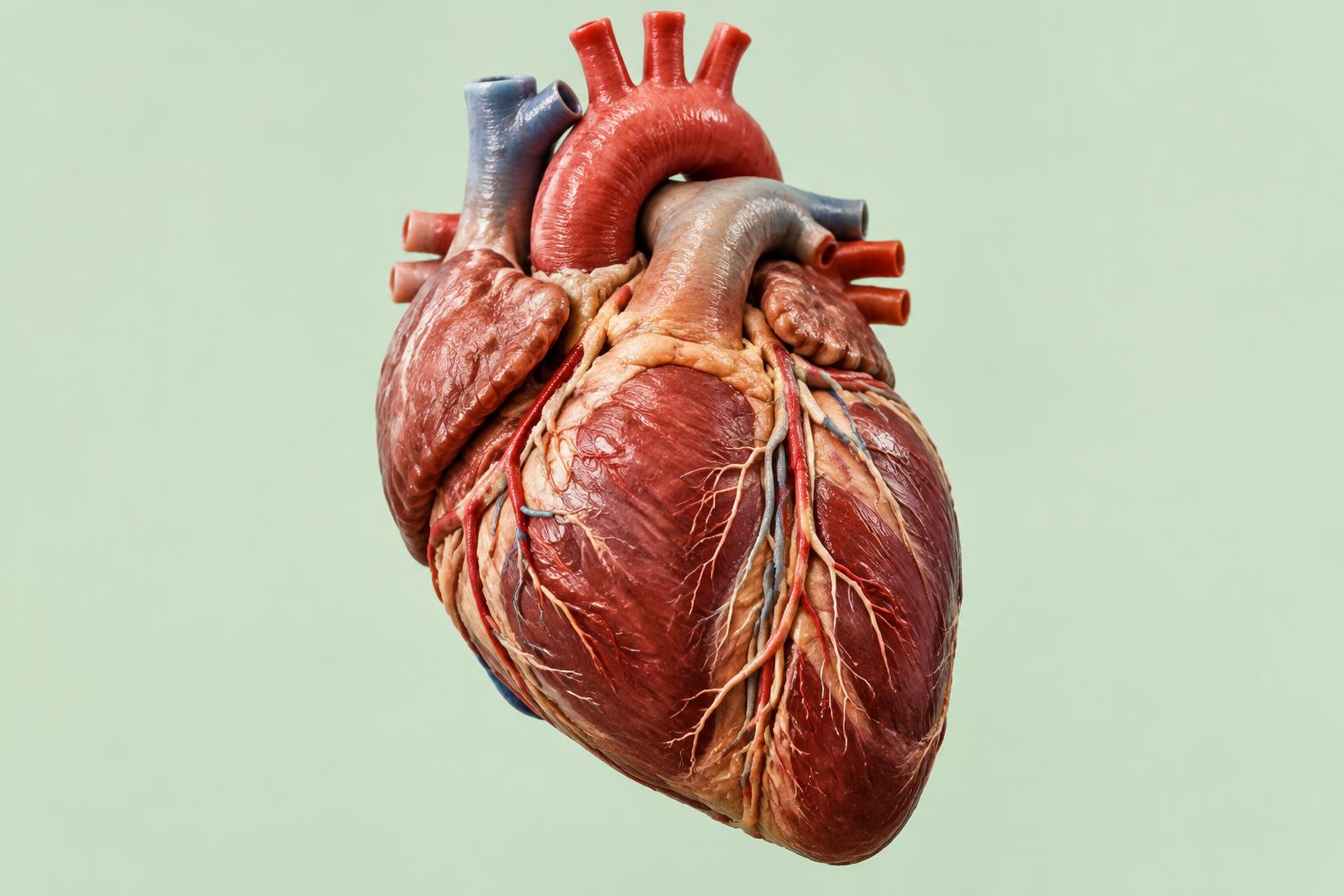
Stem cell therapy for myocardial infarction focuses on neovascularization to restore blood circulation and repair damaged tissues. EHL BIO utilizes high-safety adult stem cells, backed by ongoing clinical trials, to enhance patients' quality of life through advanced regenerative medicine.
Key takeaways
- Focuses on neovascularization to restore cardiac function.
- Utilizes adult stem cells with continuous clinical research.
- Homing Effect property allows cells to target and repair damaged cardiac tissues directly.
- Cell cultivation under Class 100 GMP standards ensures safety and cell quality.
Mechanisms of Cardiac Recovery through Stem Cells and Neovascularization
Myocardial infarction causes significant damage to cardiac tissue, leading to loss of function. Advanced regenerative medicine at EHL BIO focuses on using stem cells to stimulate neovascularization, a crucial process for restoring nutrients and oxygen to the heart muscle.
Stem cells possess a unique 'Homing Effect,' acting as an intelligent navigation system that allows cells to travel through the bloodstream directly to damaged areas for repair and restoration. Furthermore, their capacity for self-renewal and multipotential differentiation is currently under medical development to improve cardiac efficiency and enhance long-term quality of life for patients.
History and Medical Progress of Endothelial Progenitor Cells
The use of stem cells for vascular restoration has a long history, with ongoing research and development in South Korea. EHL BIO has built upon this knowledge, focusing on Adult Stem Cells found in bone marrow and the circulatory system.
EHL BIO's technology stands out in isolating and culturing Adipose-derived Stem Cells, which are easily accessible and offer high safety. Since this process uses autologous cells, it minimizes the risk of immune rejection. These research and development efforts are undergoing rigorous testing to ensure high quality and safety standards.
Our goal is to utilize advanced cell therapy to restore health and provide a better future for patients with myocardial infarction.
Class 100 Safety Standards and GMP Technology
Cell quality is EHL BIO's top priority. The EHL Cell Center in South Korea is certified with GMP standards by the Korean MFDS and is licensed as a human cell management business under modern regenerative medicine laws.
We feature Class 100 clean rooms and a cell storage system in liquid nitrogen at -196°C to maintain excellent cell viability and freshness. With a production capacity of over 6,000 lots per year and a research team of 85+ professionals, we focus on the delivery of high-purity, contaminant-free cells for recovery goals and quality of life based on EHL team assessments.
Service Process and EHL Thailand Coordination Team
For Thai patients, EHL Thailand provides a dedicated coordination team to assist throughout the journey. The process begins with an online consultation, followed by a medical document evaluation to create a personalized travel and treatment plan in South Korea. Upon arrival at the EHL Cell Clinic, a physical exam and fat tissue collection are performed for cultivation in our GMP-standard labs.
After passing rigorous quality checks, patients receive treatment as planned. Once back in Thailand, EHL Thailand continues to monitor recovery progress, ensuring patients achieve better health and quality of life in line with our 'Aging Well' goals.
Frequently asked questions
How safe is it to use autologous adipose-derived stem cells?
It is highly safe as it uses your own cells (autologous), which minimizes the risk of immune rejection, and the cells are cultured in a GMP-certified closed system.
How long does the cell cultivation process take?
Typically, it takes about 4 weeks to achieve a sufficient number of high-quality cells according to EHL BIO's treatment standards.
What are the goals of cardiac recovery with stem cells?
They stimulate neovascularization and migrate to damaged sites to repair tissue via the Homing Effect property to restore function and quality of life.
Related conditions
Based on EHL BIO information: EHL BIO · EHL BIO · EHL BIO · EHL BIO. Each care plan follows an individual EHL assessment.