Quick answer
Stem cell technology for autoimmune conditions focuses on rebalancing Th1 and Th2 cells to moderate excessive immune responses affecting healthy tissues. Adipose-derived stem cells (ADSCs) possess properties to support immune function recovery according to EHL team assessments and manage chronic inflammation.
Key takeaways
- Immune modulation mechanism reduces inflammation and supports tissue protection.
- Using autologous cells ensures high safety and biocompatibility.
- Focusing on recovery goals and quality of life for over 100 types of allergic and autoimmune conditions.
- EHL BIO's specialized culture technology yields 1,000x higher cell counts than general methods.
The Importance of the Immune System and Disease Mechanisms
The immune system is the primary mechanism for defending the body and maintaining internal cell health. However, when this system loses balance, it can lead to autoimmune conditions, primarily caused by an imbalance between Th1 and Th2 T cells. This results in the body generating an excessive response against its own tissues.
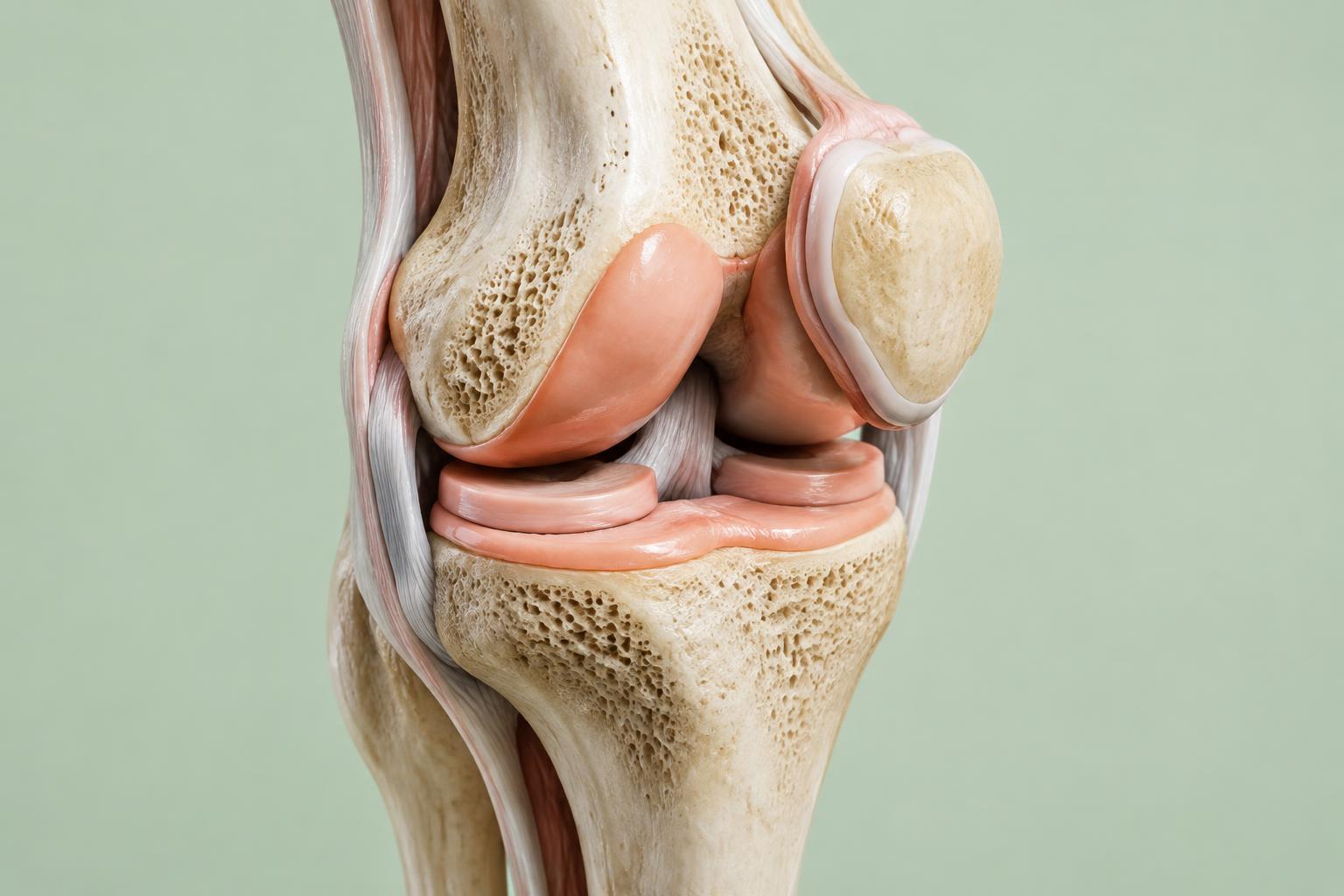
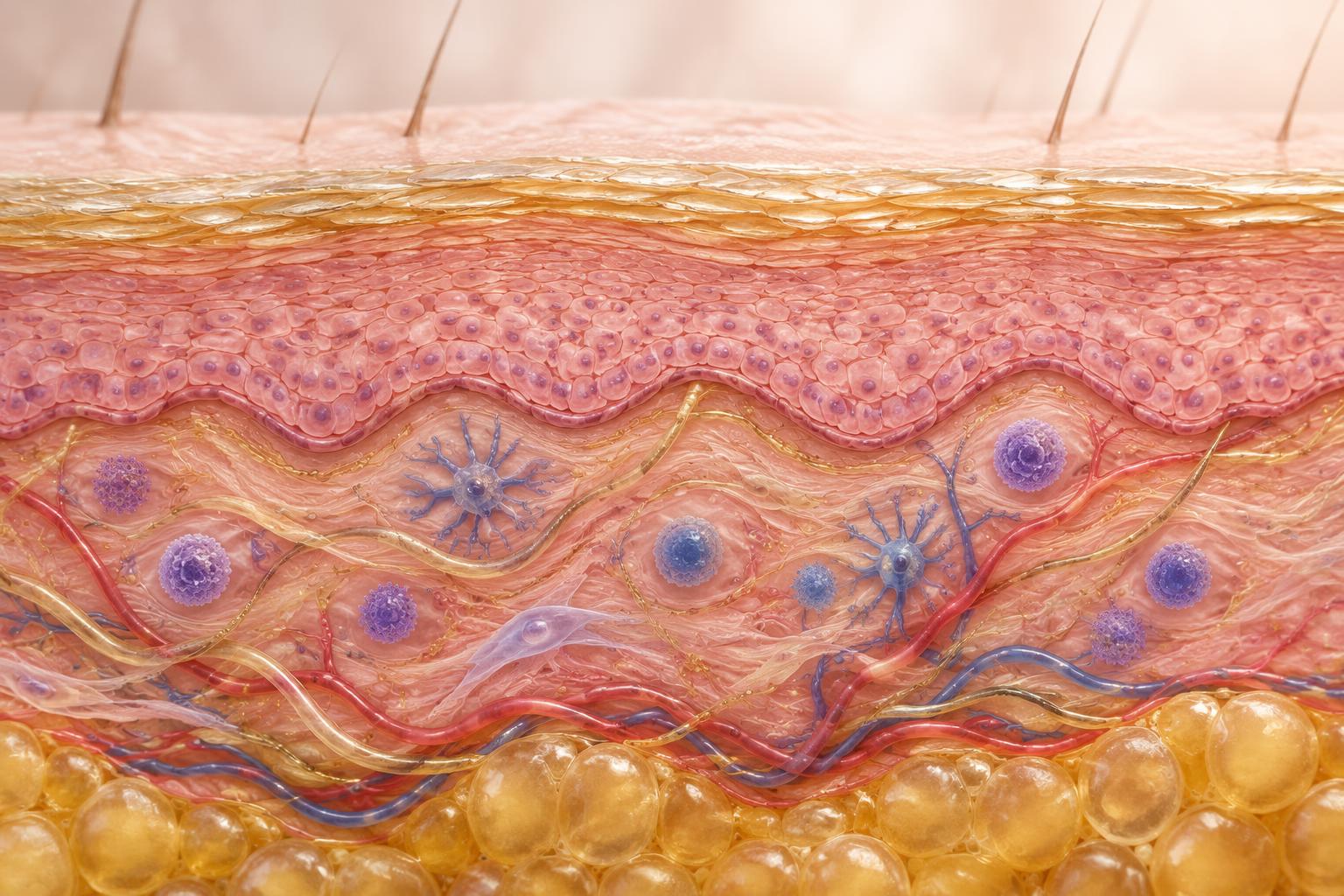
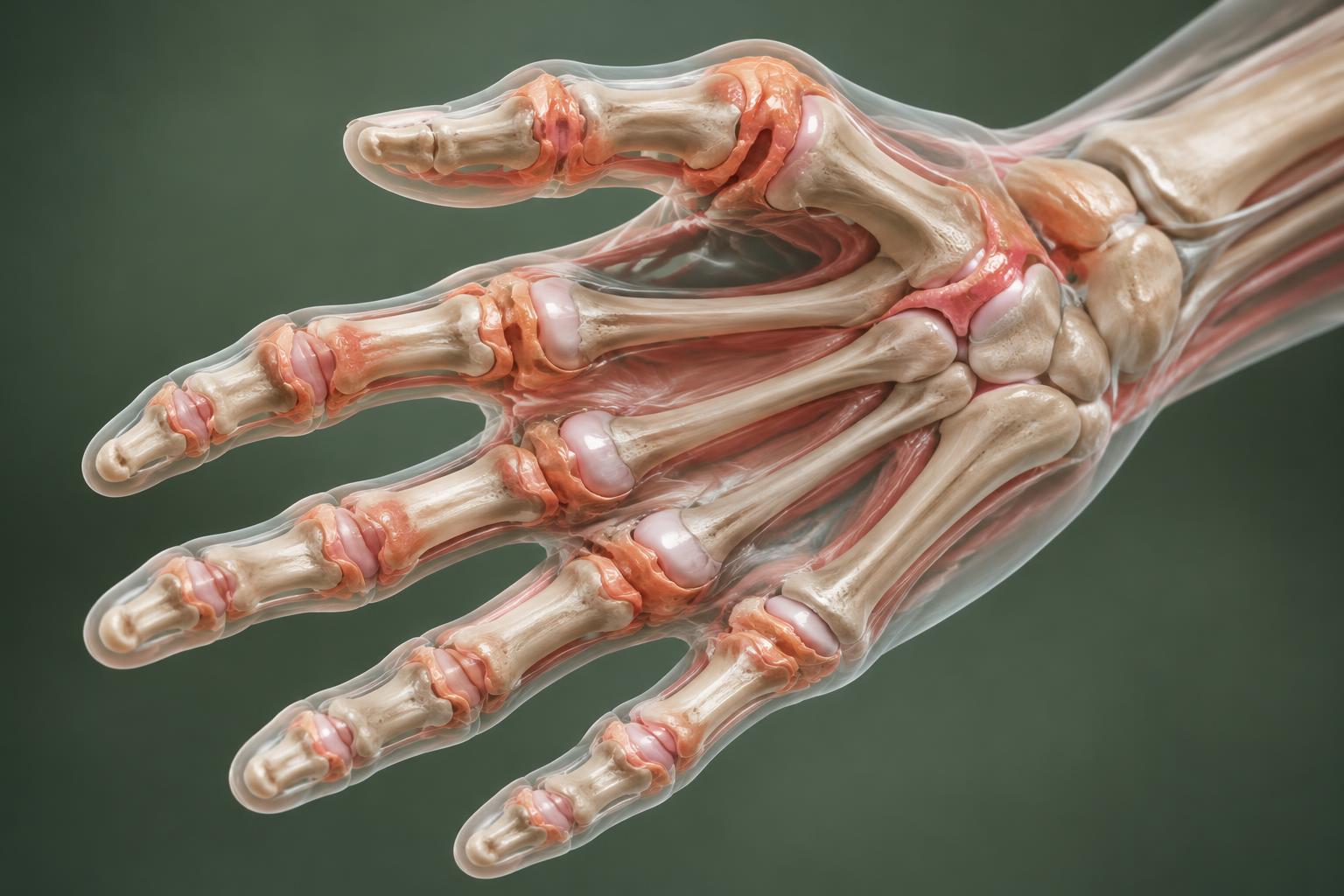
Autoimmune conditions, such as rheumatoid arthritis and atopic dermatitis, are complex with over 100 variations. Proper management is essential. Therefore, immune modulation is a critical goal in modern regenerative medicine, aiming for recovery goals and improved quality of life by supporting effective immune cell functions.
Potency of Stem Cells in Immune Modulation
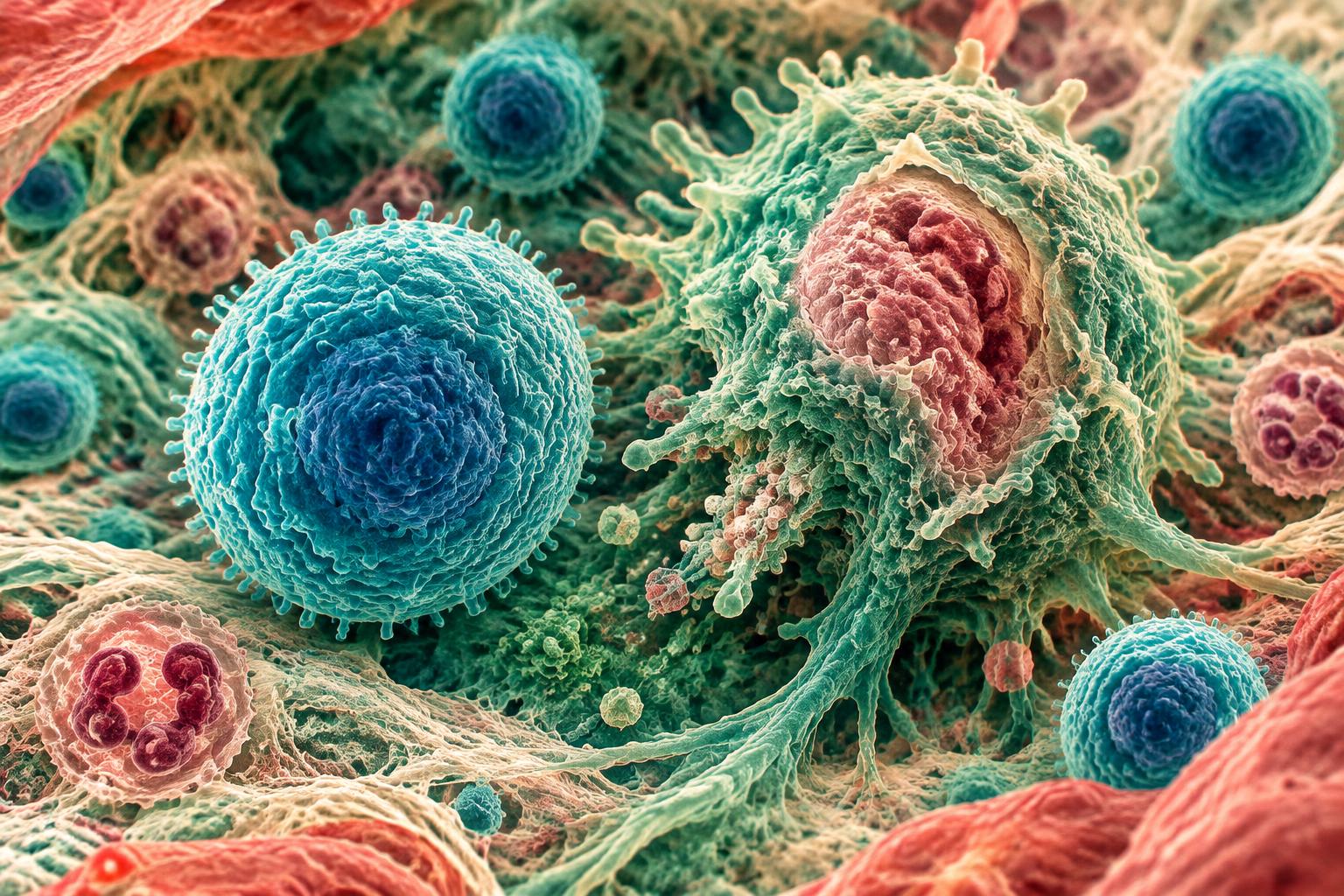
Stem cells, particularly Mesenchymal Stem Cells (MSCs) derived from autologous fat, play a significant role in immune modulation. These cells possess a unique ability to sense signals in the body through the Homing Effect and migrate to inflammatory sites to support tissue recovery according to EHL team assessments.
A key characteristic of stem cells is their ability to enhance deficient immune functions while simultaneously managing excessive responses. Using autologous cells minimizes concerns regarding immune rejection, ensuring high safety and allowing cells to effectively reach tissues when administered intravenously as a new alternative in regenerative health management.
Our goal is to support health in immune conditions and age-related degeneration to enhance quality of life through advanced regenerative medicine innovation.
Progress in ADSTEM and RASTEM Research in South Korea
EHL BIO is committed to developing stem cell innovations for managing immune and allergic conditions. Currently, ADSTEM Inj., an autologous adipose-derived stem cell product, has been approved in South Korea for Phase 3 clinical trials in patients with atopic dermatitis, following Phase 2 results that showed positive changes in severity levels.
Furthermore, the company has patented RASTEM Inj. in South Korea, marking a milestone in using cells for immune condition management. EHL BIO's cultivation technology under GMP standards in South Korea ensures that the cells are of high purity and sufficient quantity to effectively support the body's natural regenerative processes.

Cleanliness Standards and GMP Production
The core of cell application is the safety and quality of the cultured cells. EHL BIO operates under Good Manufacturing Practices (GMP) standards, with facilities certified by relevant authorities in South Korea. Our Cell Center is equipped with high-level equipment, including Class 100 Clean Rooms and HEPA filter systems.
With high production capacity and an expert research team, we are able to isolate and culture quality cells, which is crucial for those seeking high management standards. Furthermore, our cell storage system in liquid nitrogen at -196°C helps maintain cell quality for long-term future use.
Frequently asked questions
What are the recovery goals for autoimmune diseases with stem cells?
Stem cells support immune balance by managing overactive T cells and helping restore chronic inflammation in tissues according to EHL team assessments.
Is autologous cell management safe?
It is highly safe because it uses your own adipose cells, minimizing immune rejection risks and being biocompatible.
Why choose cell cultivation at EHL BIO in South Korea?
We possess specialized technology yielding high cell counts under Class 100 safety standards and South Korean GMP certification for enhanced quality of life.
Related conditions
Based on EHL BIO information: EHL BIO · EHL BIO · EHL BIO · EHL BIO. Each care plan follows an individual EHL assessment.