Quick answer
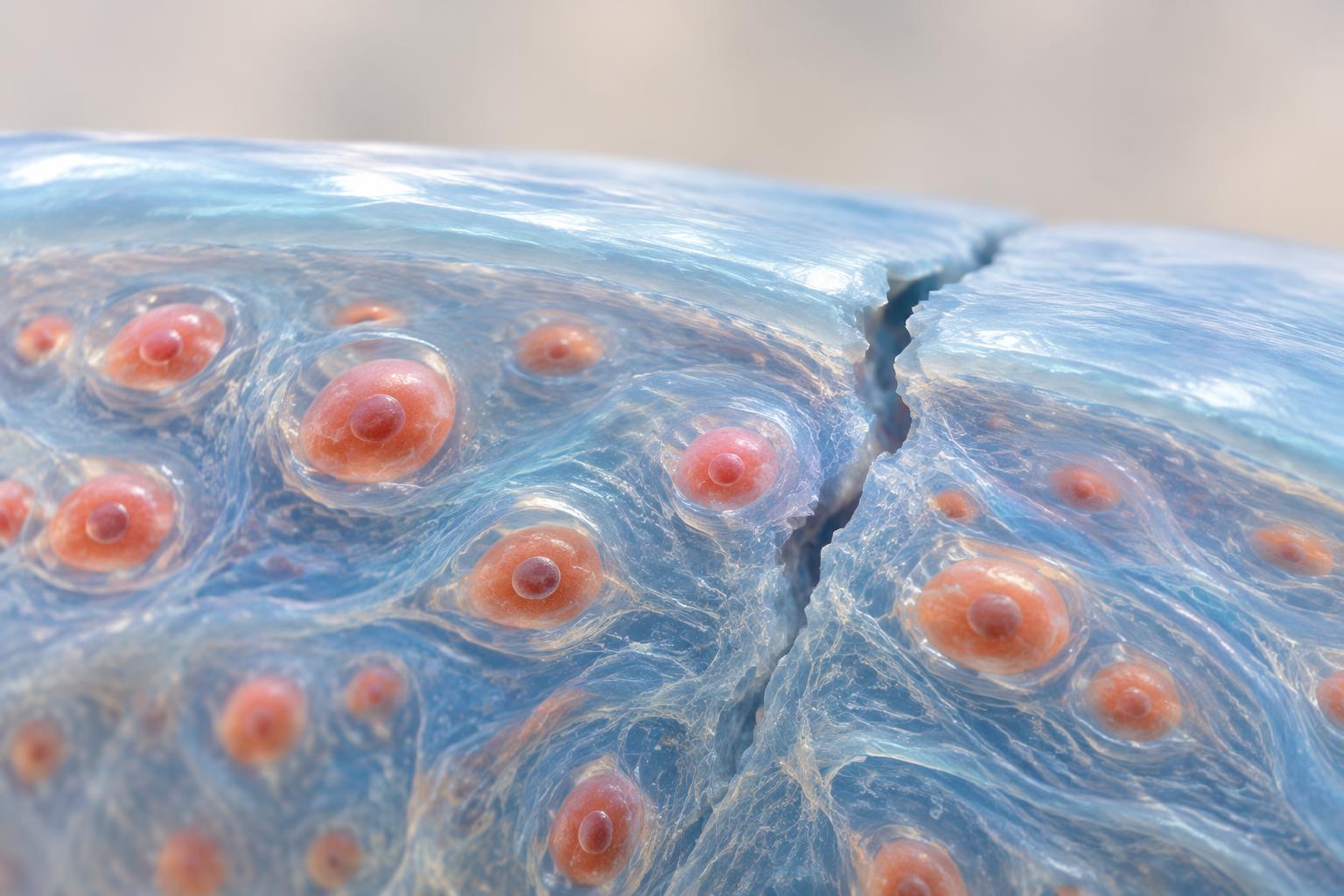
Cartilage injuries can be rehabilitated using mesenchymal stem cells extracted from the patient's own adipose tissue, which possess the ability to differentiate into new cartilage cells to repair damaged areas. This approach reduces inflammation and improves joint flexibility, aiming to enhance the patient's long-term quality of life.
Key takeaways
- Utilizing autologous adipose-derived stem cells for safety and minimized immune rejection.
- GMP-standard cell cultivation technology capable of producing high-quality cells as assessed by the EHL team.
- Focusing on cartilage tissue restoration and inflammation reduction without the need for major surgery.
- Systematic follow-up via radiological imaging and arthroscopy to ensure treatment precision.
Advancements in Cartilage Restoration via Stem Cells
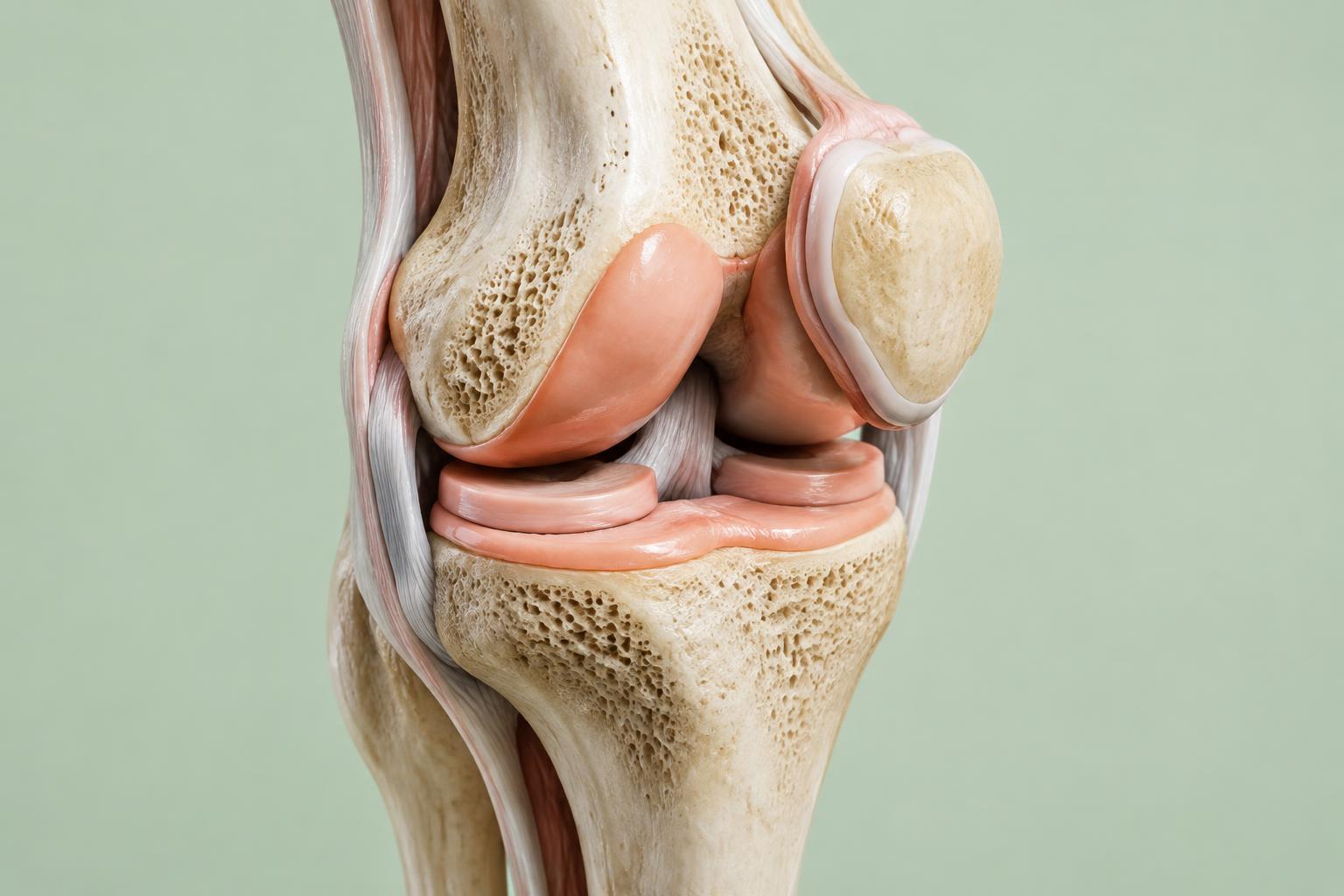
Cartilage is a tissue with limited self-repair capabilities once injured or degenerated due to aging, leading to osteoarthritis that affects daily living. EHL BIO focuses on regenerative medicine to overcome these limits by utilizing the unique properties of stem cells—unspecialized cells capable of self-renewal and differentiation into cartilage tissue (chondrocytes) effectively.
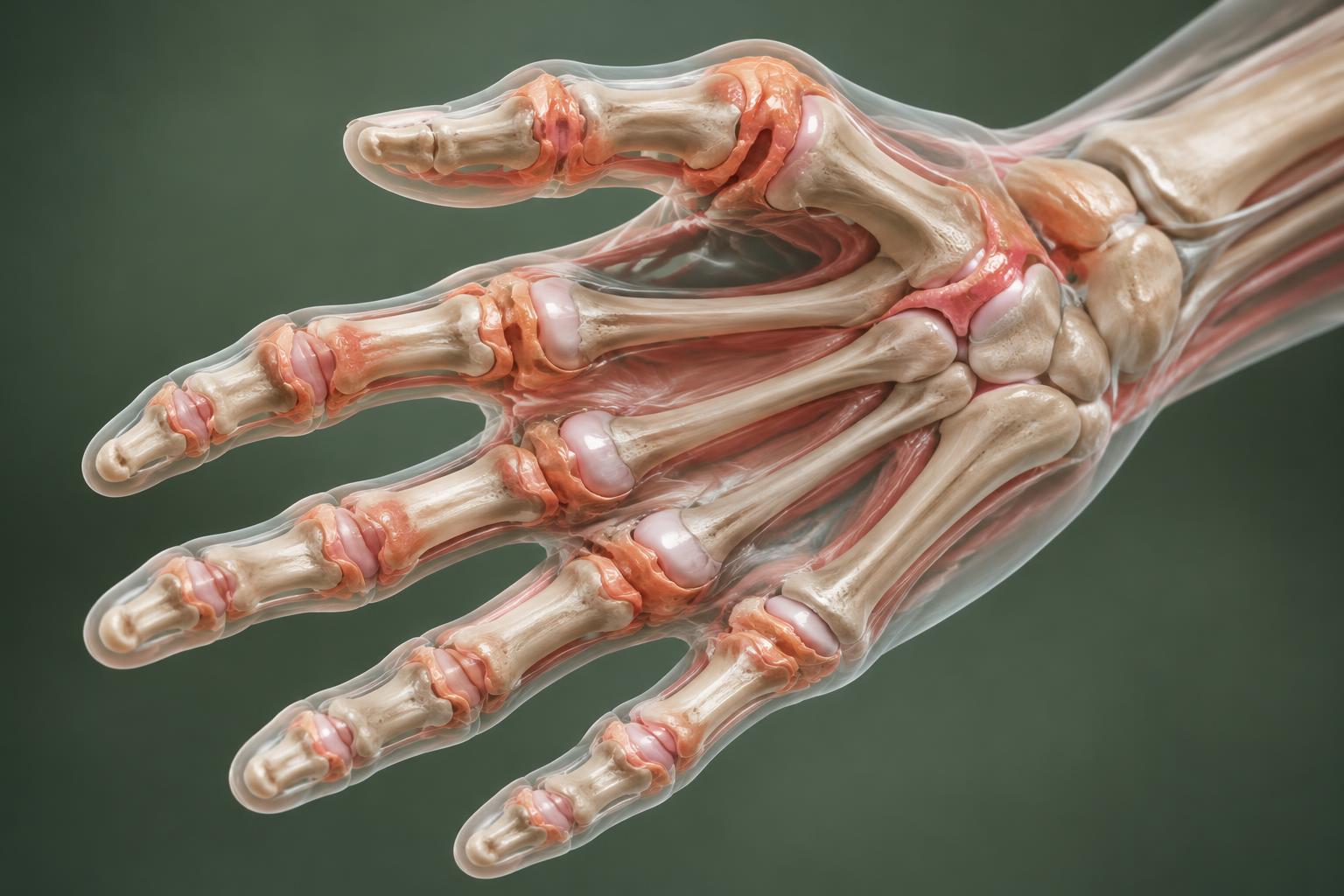
Treatment at EHL Cell Clinic employs technology to extract adipose-derived stem cells from the patient’s own tissue, a rich and easily accessible cell source. This method primarily aims to repair damage within the musculoskeletal system, particularly in osteoarthritis and rheumatoid arthritis. This allows patients to regain mobility and aims for a better quality of life following the 'Aging Well' philosophy.
International Standard Cell Cultivation Process
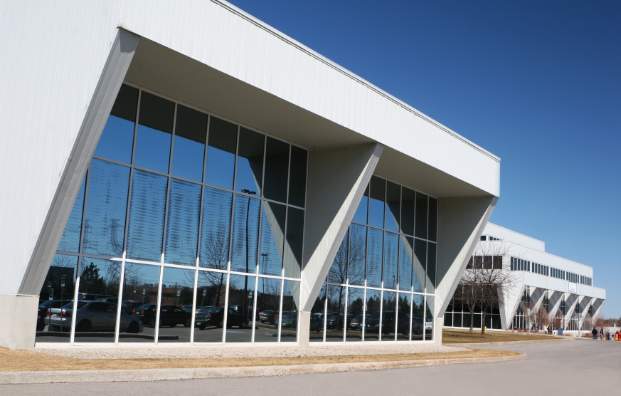
The cornerstone of successful cartilage restoration is the quality of the cells used. EHL BIO is equipped with GMP (Good Manufacturing Practices) centers certified by the Korean MFDS. The research facility features Class 100 cleanrooms and HEPA Filter air systems to ensure cell purity at every stage.
We possess specialized technology for cell isolation and cultivation that yields high volumes of cells while maintaining excellent cell viability. This process ensures that the cells injected into the injured joint are robust and ready for tissue regeneration. Furthermore, we continuously engage in R&D, such as ADSTEM, a mesenchymal stem cell drug currently in clinical trials to manage tissue-related degenerative diseases according to the EHL team's evaluation.
Our goal is to manage physical degeneration with innovative cell therapy, restoring your quality of life and freedom of movement.
Mechanism of Action and Repairing Wear and Tear
When stem cells are injected into the injured cartilage area, a phenomenon known as the 'Homing Effect' occurs—the cell's ability to identify and migrate to damaged tissues to initiate the repair process. The stem cells balance the internal joint environment, reduce inflammation levels, and stimulate collagen production. They also utilize vital components in Conditioned Media, like fibronectin, essential for new tissue adhesion and growth.
Beyond direct restoration, EHL BIO develops the use of Exosomes—nano-sized biological vesicles secreted by stem cells—to enhance long-term pain and inflammation control. The synergy of these technologies results in increased cartilage flexibility, reduced joint friction, and helps patients avoid impacts from traditional treatments that may only provide temporary relief.
Safety Standards and Comprehensive Care
EHL BIO places the highest priority on patient safety under the supervision of the Advanced Regenerative Bio Act of the Republic of Korea. We were the first in Korea to be certified as a Human Cell Management Business, covering everything from sample collection and quality testing to cell storage in liquid nitrogen at -196°C to preserve cellular youth for future use.
For patients from Thailand, EHL Thailand provides a dedicated coordination team. The process begins with medical document evaluation by specialists, travel planning to EHL Cell Clinic in Apgujeong, Seoul, and post-treatment follow-up upon returning to Thailand. This aims for sustainable physical restoration and musculoskeletal strengthening according to the EHL team's evaluation.
Frequently asked questions
Does stem cell treatment for cartilage injury require surgery?
No major surgery is required. The treatment involves injecting cultured cells directly into the joint area, which helps restore tissue from within and reduces recovery time compared to traditional surgery.
Why use autologous adipose-derived stem cells?
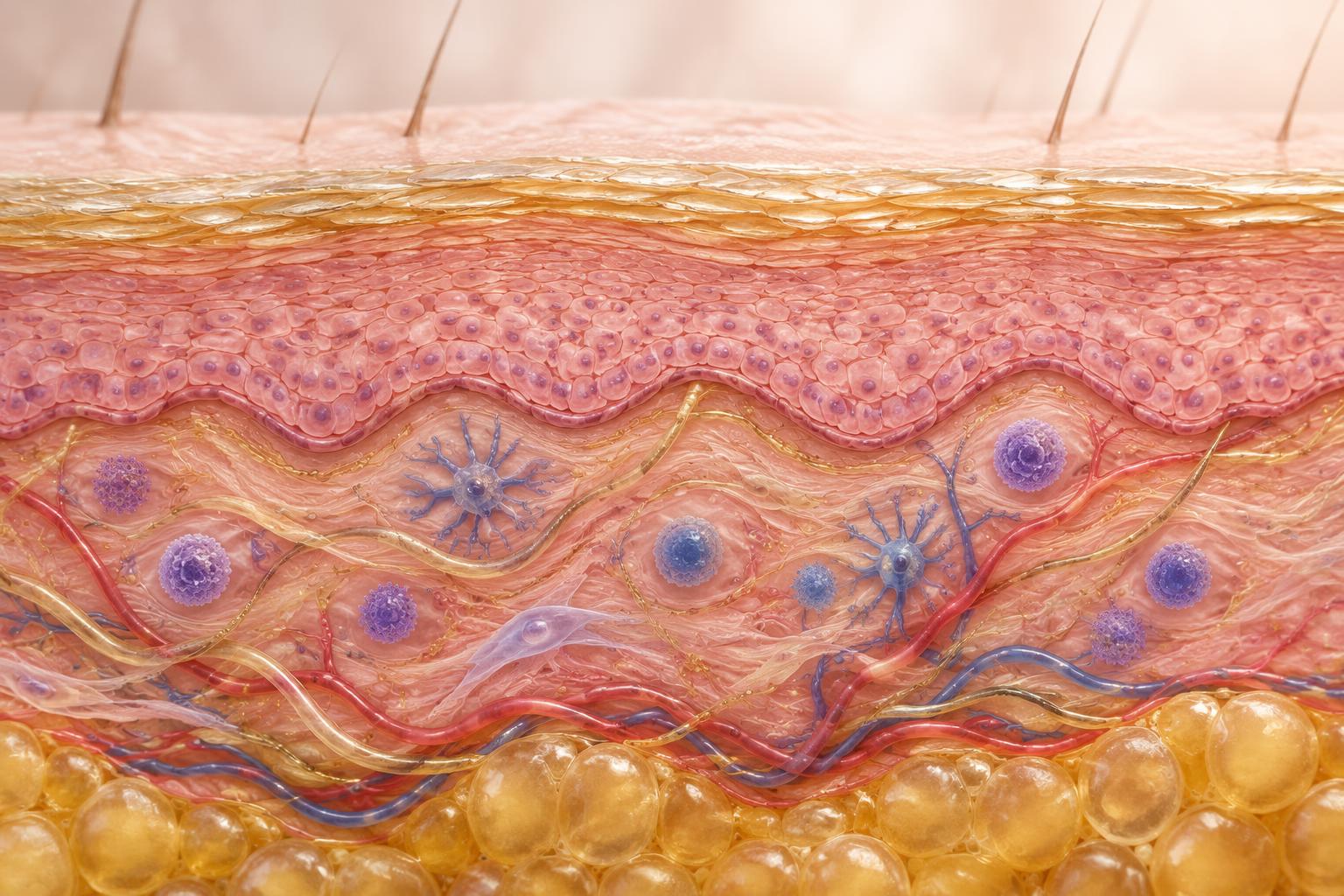
Because they are autologous (from the patient's own body), they are safe with a minimal chance of immune rejection. Adipose tissue is also a rich source of stem cells and is easy to collect.
What are the restoration goals for this treatment?
The goal is tissue restoration and patient quality of life. Recovery time depends on the individual's physical condition. The medical team will evaluate the results through follow-up assessments, such as X-rays or arthroscopic imaging, to observe cartilage tissue changes post-treatment.
Related conditions
Based on EHL BIO information: EHL BIO · EHL BIO · EHL BIO · EHL BIO. Each care plan follows an individual EHL assessment.