Quick answer
Stem cell therapy for diabetic retinopathy is currently in the medical development stage, utilizing the Homing Effect of autologous adipose-derived stem cells (ADSC) to target damaged areas. This approach aims to reduce inflammation and promote neovascularization to restore visual function, as evaluated by the EHL team.
Key takeaways
- Utilizes autologous adipose-derived stem cells for maximum safety.
- Focuses on repairing damaged blood vessels and tissues via the Homing Effect.
- Stem cell-derived Exosomes are being researched for future retinal treatments.
- GMP-standard cell cultivation capacity of up to 6,000 lots per year.
The Connection Between Stem Cells and Retinopathy
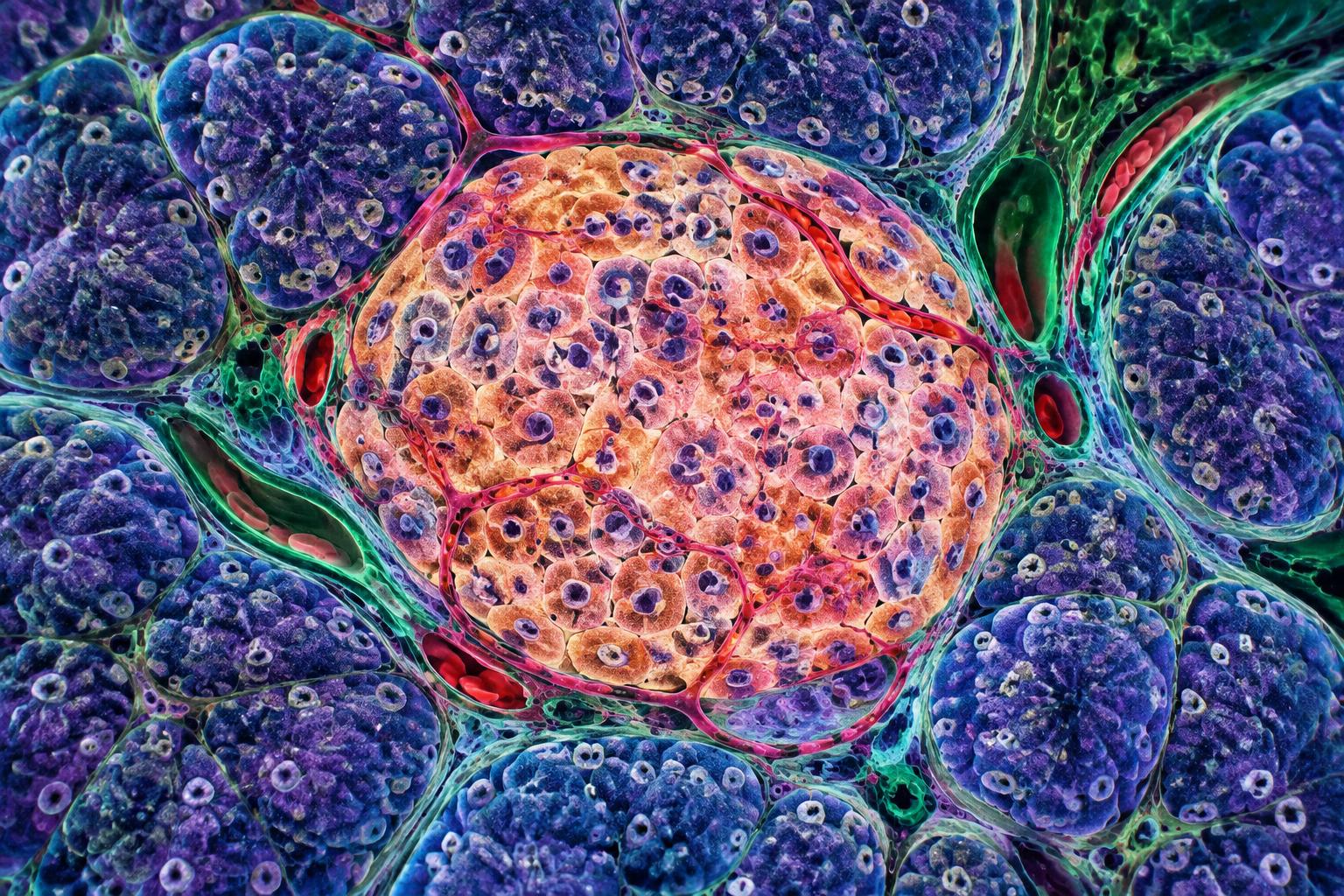
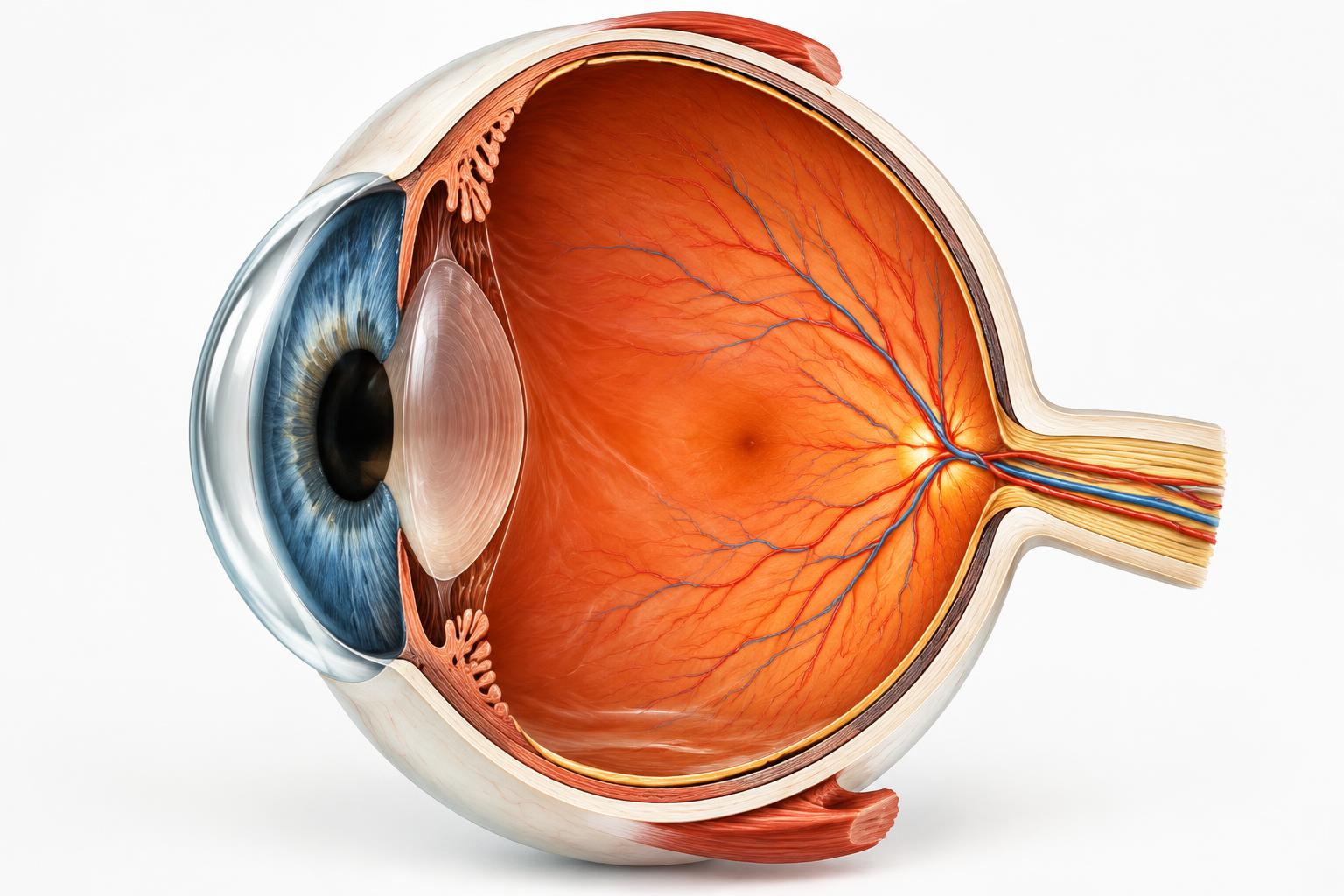
Diabetic retinopathy is a complication arising from damage to the blood vessels in the eye due to chronically high blood sugar levels. EHL BIO recognizes the potential of stem cells, which are undifferentiated cells capable of dividing and transforming into various tissue types, including nerves and muscles.
The key mechanism is the Homing Effect—the ability to identify and repair damaged areas within the body. When applied to retinal disorders, stem cells play a role in rehabilitating damage within the vascular and neural systems of the eye. The goal is to slow down degeneration and enhance the patient's quality of life sustainably under professional care standards.
Adipose-derived Stem Cell (ADSC) and Exosome Innovations
EHL BIO specializes in isolating and culturing autologous adipose-derived stem cells, a rich and accessible source of cells. Our technology yields high cell production while maintaining excellent viability. Furthermore, we focus on Exosome research—nano-sized vesicles secreted by stem cells.
Exosomes contain vital biological substances that promote tissue regeneration and cell division. Currently, EHL BIO is researching Exosome-based treatments for retinal diseases, specifically focusing on ADSC-derived Exosomes to enhance eye care for diabetic patients. This research is in the medical development stage, aiming to provide a safe and effective future alternative.
EHL BIO's goal is to use stem cell technology to overcome care limitations, extending lifespan and creating a high quality of life for patients.
GMP Production Standards and High-Safety Technology
Patient safety is at the core of EHL BIO. Our cell center in Korea is certified with GMP (Good Manufacturing Practices) and received CPC (Cell Processing Center) authorization. We utilize Class 100 facilities to ensure the highest biological safety and cleanliness.
Our integrated cell storage system can freeze cells at -196 degrees Celsius to preserve their youthfulness and efficacy indefinitely. Using autologous cells significantly reduces the risk of immune rejection, ensuring a high safety profile when addressing complications from diabetes.
Service Procedures and EHL Thailand Coordination Team
For Thai patients, EHL Thailand provides a dedicated coordination team. The process begins with an online consultation, followed by a medical history review by EHL doctors to plan the trip. Upon arrival at the EHL Cell Clinic in Seoul, Korea, patients undergo a health check-up and fat sample collection.
The cells are then cultured in a GMP-standard laboratory and strictly tested for quality before being administered according to the plan. We provide a follow-up system after the patient returns to Thailand, ensuring continuous care and improved quality of life as part of modern regenerative medicine.
Frequently asked questions
What are the goals of stem cell recovery for diabetic retinopathy?
It is currently in the medical development stage, focusing on tissue regeneration and slowing disease progression for a better quality of life. Results depend on individual evaluation by the EHL team.
Why choose adipose-derived stem cells (ADSC)?
Because they are easily accessible in large quantities and offer high safety as autologous cells, minimizing the risk of immune rejection.
How long does the process in Korea take?
The travel plan is determined by the medical team after evaluation, covering health checks, sample collection, and cell cultivation in the GMP lab for approximately 4 weeks.
Related conditions
Based on EHL BIO information: EHL BIO · EHL BIO · EHL BIO · EHL BIO. Each care plan follows an individual EHL assessment.