Quick answer
Understanding basic terms like Self-Renewal (self-replication) and Homing Effect (targeting damaged areas) is the first step in learning about stem cells. EHL BIO utilizes these innovative properties to restore health and promote sustainable longevity.
Key takeaways
- Self-Renewal refers to the ability of cells to divide and multiply while maintaining their original properties.
- Homing Effect is the remarkable mechanism where cells identify and navigate to damaged tissues for repair.
- Multipotential is the capability to differentiate into various specialized cells such as cartilage or muscle.
- Autologous refers to using one's own cells for therapy to ensure safety and minimize immune rejection risks.
Core Definitions and Unique Properties of Stem Cells
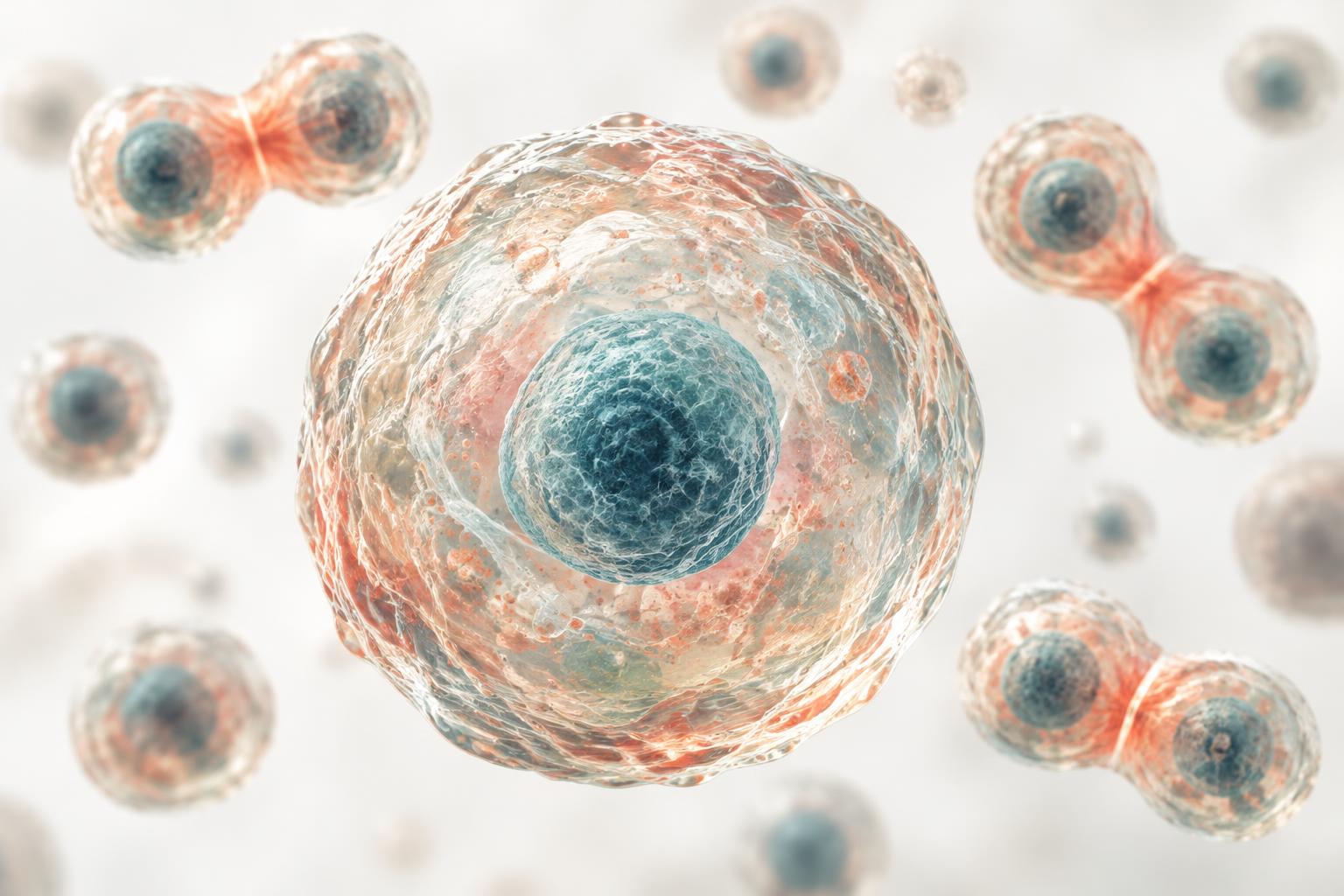
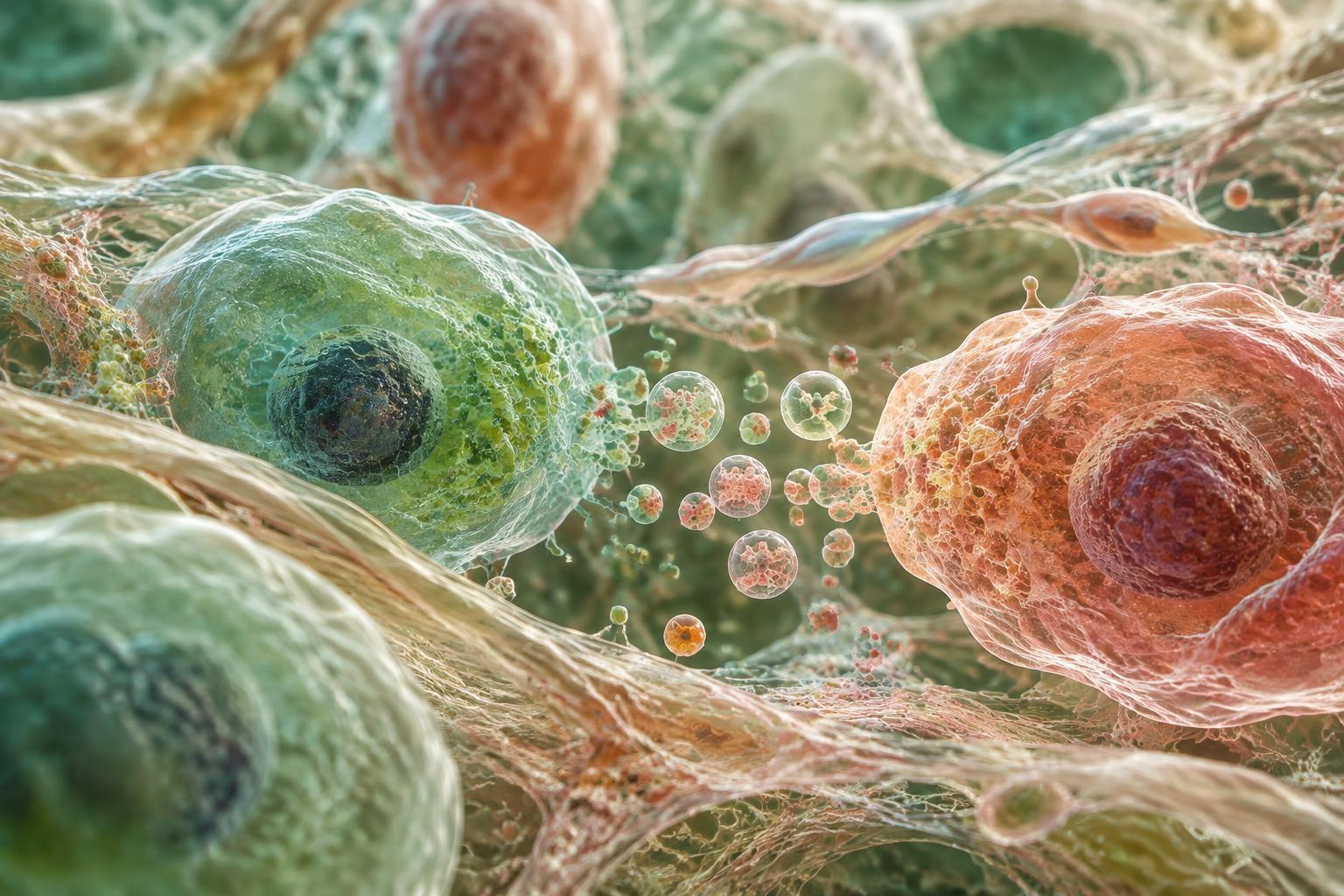
Stem cells are cells that have not yet fully specialized, granting them unique capabilities. The primary property is Self-Renewal, the ability to divide and multiply extensively while retaining their original state. Another crucial feature is the Homing Effect, where cells detect damage within the body and automatically navigate to those sites for repair.
Furthermore, stem cells possess Multipotential capabilities, meaning they can differentiate into various tissue types such as brain cells, skin, cartilage, or nerves. These properties enable EHL BIO technology to focus on utilizing the natural potential of cells to effectively restore health and address age-related degeneration.
Types of Stem Cells and Medical Applications
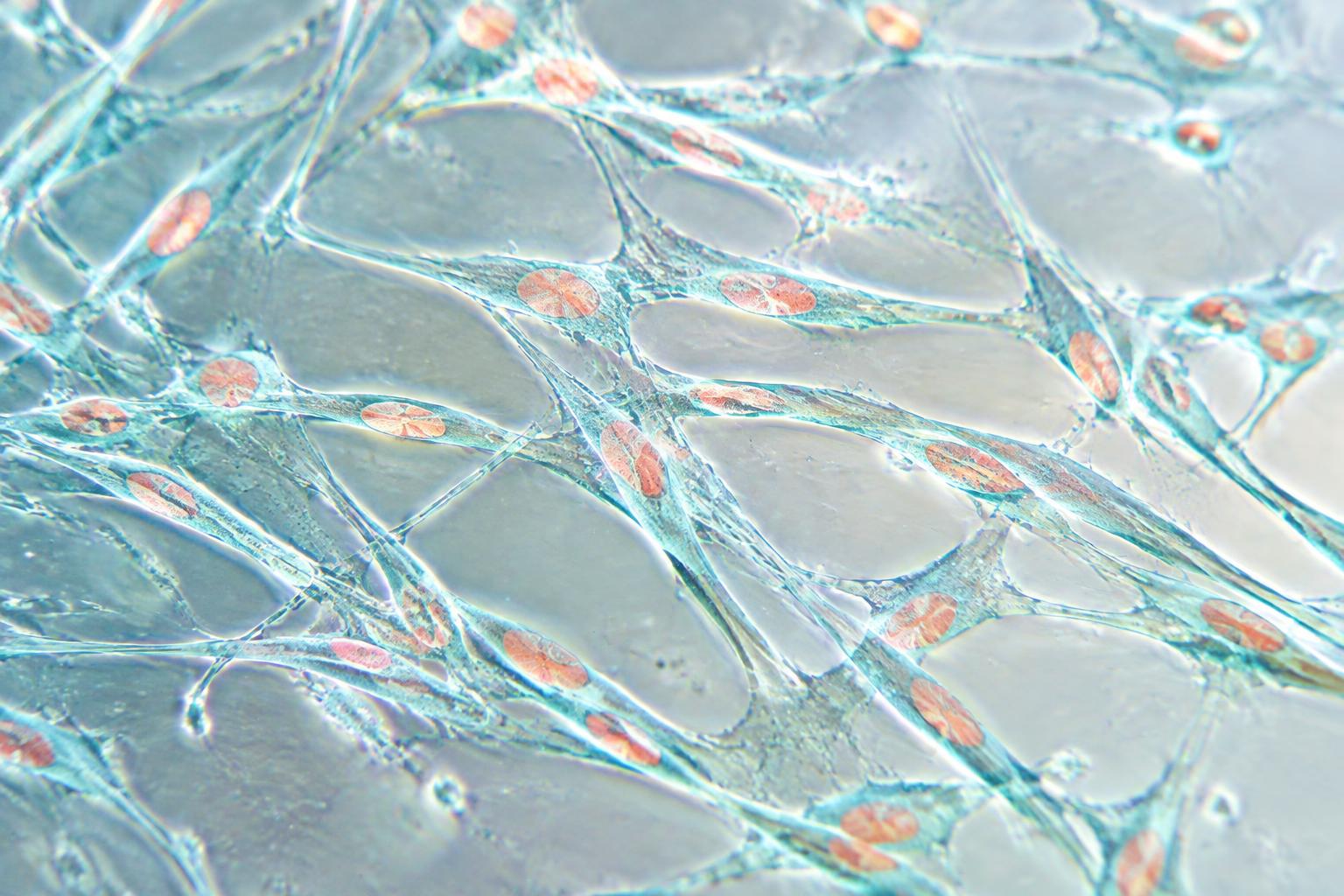
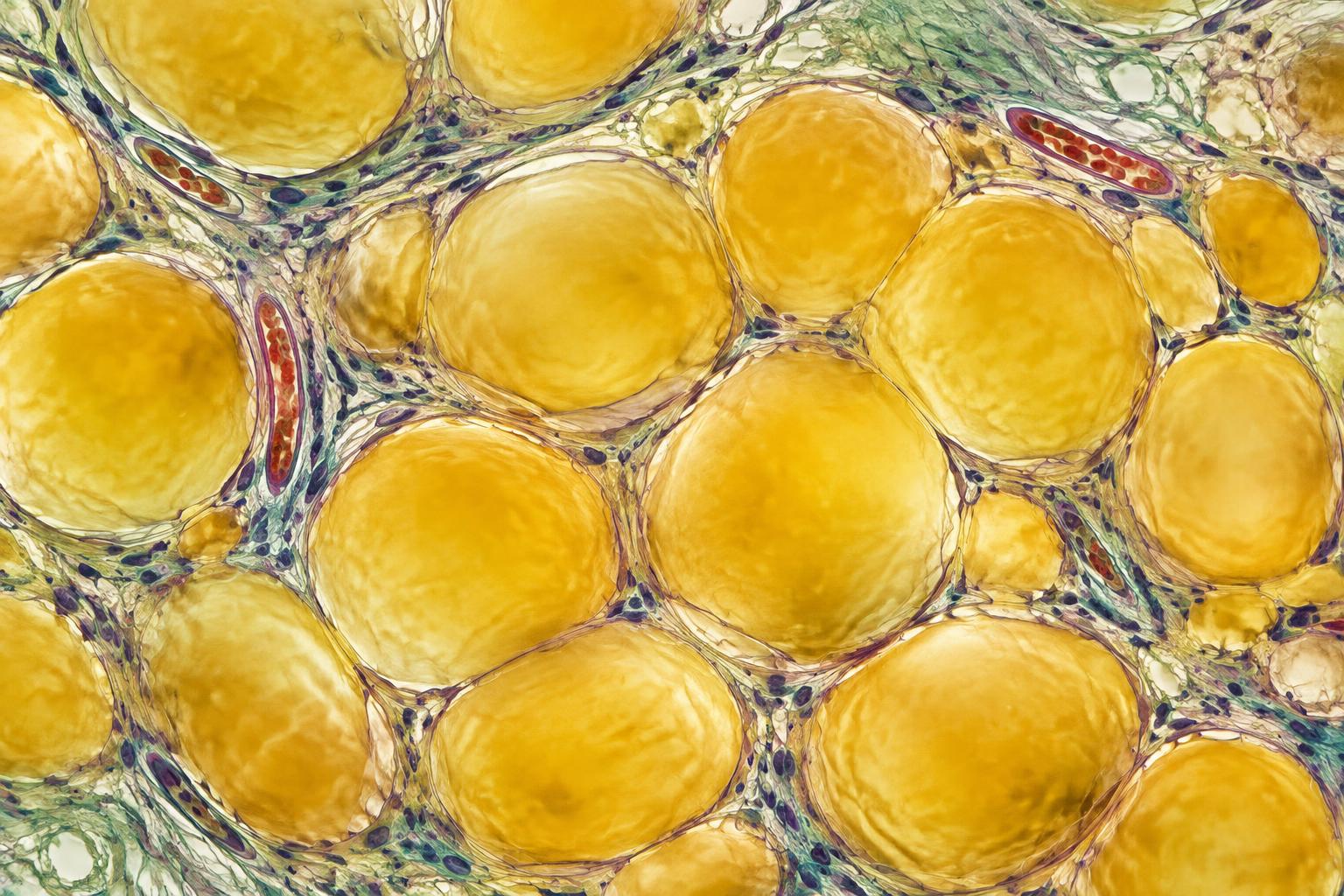
In the development of regenerative medicine, stem cells are classified by their origin. Embryonic Stem Cells originate from early-stage embryos and can become almost any cell type. Adult Stem Cells are found in various tissues like bone marrow. Most significantly, Adipose-derived Stem Cells (from fat) are a primary focus at EHL BIO due to their accessibility and abundance.
Modern advancements include Induced Pluripotent Stem Cells, created by reprogramming somatic cells to regain stem cell properties. These innovations are currently in medical development stages targeting restoration and improved quality of life for conditions such as neurological disorders, osteoarthritis, and metabolic diseases. Each plan depends on an assessment by the EHL BIO team to ensure optimal outcomes.
Understanding the language of stem cells is the starting point for accessing regenerative medicine innovations for a better quality of life.
The Immune System and Immune Cell Therapy
Beyond stem cells, understanding Immune Cells is equally important. Immunity is the mechanism that protects the body from foreign substances and degraded cells. Key cells include NK Cells (Natural Killer cells) for eliminating abnormal cells and T Cells for maintaining systemic balance.
EHL BIO employs advanced technology to culture and stimulate immune cells such as T cells, NK cells, and Dendritic cells for Immune Cell Therapeutics. This approach enhances healthcare outcomes and improves the patient's quality of life. Utilizing Autologous cells—derived from the patient's own body—ensures the immune system works harmoniously and minimizes the risk of rejection.
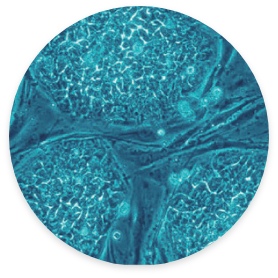
Supporting Innovations: Conditioned Media and Exosomes
Another interesting term is Conditioned Media, a product derived from the stem cell culture process, rich in growth factors and collagen for skin rejuvenation. Meanwhile, Exosomes are nano-sized vesicles secreted by cells for communication, playing a vital role in stimulating the restoration of aged tissues.
Innovations like EHL BIO's 'klosome', which combines Klotho protein with exosomes, are designed to promote natural skin cell strength. These technologies operate under GMP (Good Manufacturing Practices) standards within Class 100 laboratories, ensuring purity and positive health outcomes throughout every step of the service for all clients.
Frequently asked questions
What is Autologous and why is it important?
Autologous refers to using cells extracted from the recipient's own body, which reduces immune rejection risks and increases confidence in the restoration process.
What is GMP in cell production?
GMP stands for Good Manufacturing Practices, ensuring consistent quality and cleanliness. EHL BIO operates GMP-certified facilities capable of culturing 6,000 lots per year.
What are the restoration goals and quality of life expectations with stem cells?
The primary goal is utilizing the natural ability of stem cells (Homing Effect) to promote tissue repair in aged areas, which enhances quality of life based on EHL BIO team assessments.
Related conditions
Based on EHL BIO information: EHL BIO · EHL BIO · EHL BIO · EHL BIO. Each care plan follows an individual EHL assessment.