Quick answer
Exosomes derived from Adipose-derived Stem Cells (ADSC) are an evolving medical innovation aimed at managing neuropathic pain and inflammation. They function by delivering essential biological molecules to stimulate tissue repair and modulate the body's inflammatory response.
Key takeaways
- Exosomes are nano-sized vesicles secreted by stem cells for intercellular communication.
- They possess properties to reduce inflammatory pain and support nervous tissue regeneration.
- Current research focuses on using exosomes as an alternative for complex and chronic pain syndromes.
- Safety and efficacy have been tested in animal models for patent applications.
What are Exosomes and How Do They Work in the Nervous System?
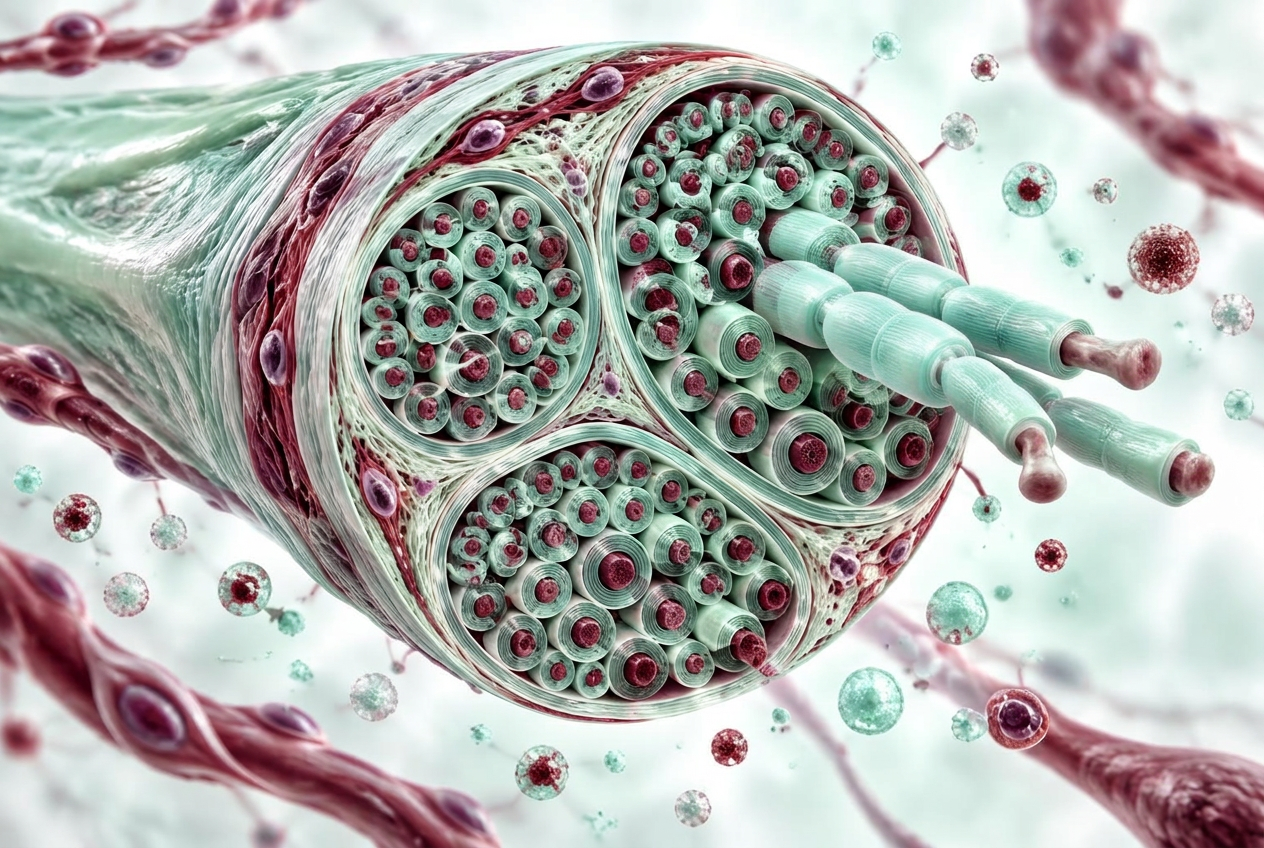
Exosomes are nano-scale vesicles secreted by cells to serve as carriers for intercellular communication. Inside these vesicles are growth factors, cytokines, and genetic materials essential for body repair.
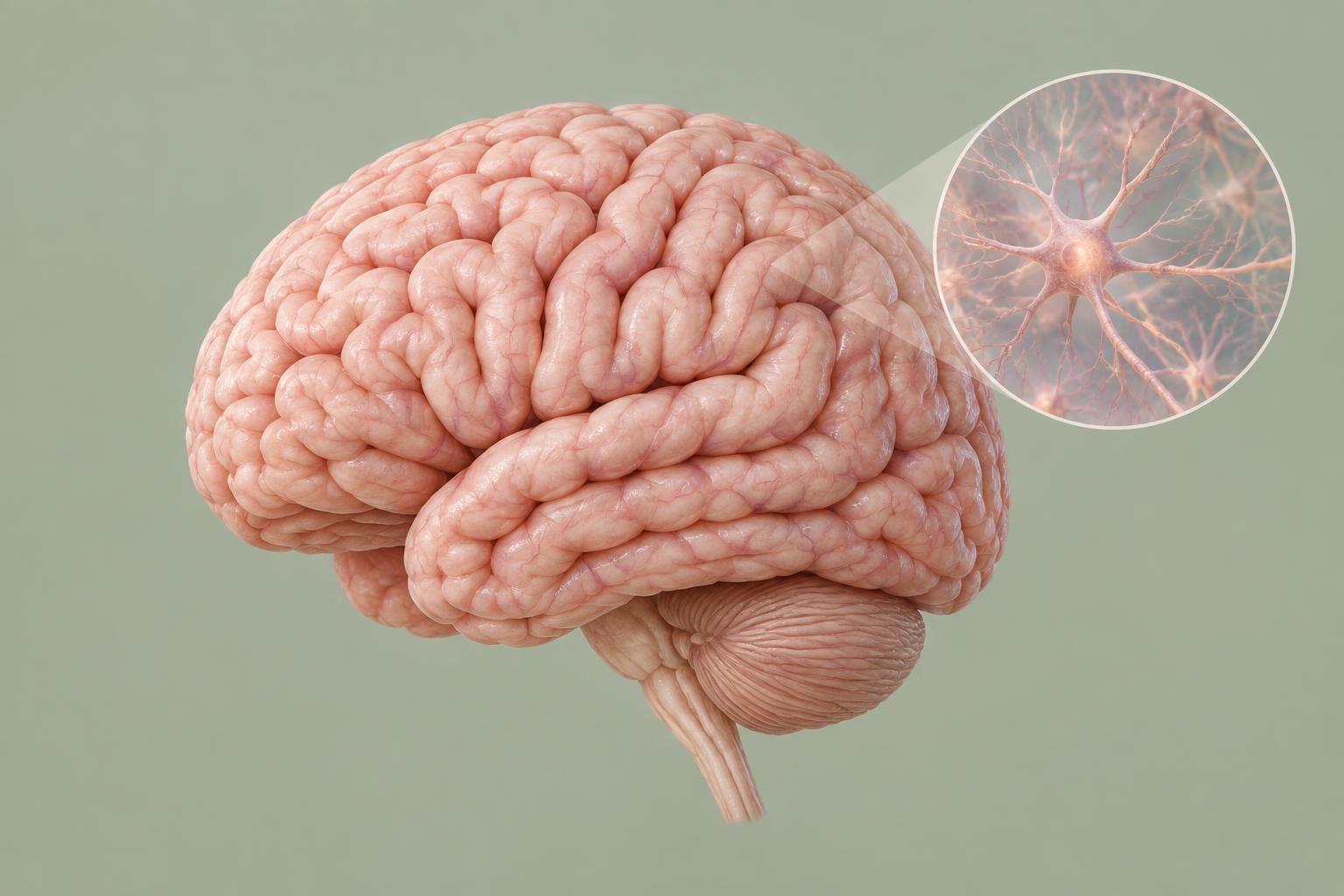
In the context of the nervous system, exosomes act as messengers that deliver crucial components to damaged cells. They promote cell proliferation and tissue regeneration in areas affected by injury or chronic inflammation. EHL BIO is dedicated to developing this innovation to improve quality of life and support neurological recovery according to the EHL team's evaluation.
Applications of Adipose-Derived Stem Cell (ADSC) Exosomes
EHL BIO Research Institute focuses on utilizing exosomes extracted from Adipose-derived Stem Cells (ADSCs), which are an abundant and highly efficient source.
Currently, the use of exosomes for pain and inflammation control is in the medical development stage. Research and animal testing are being conducted to study their ability to manage complex pain syndromes. These studies serve as a vital foundation for patenting technologies related to neuro-regeneration and the safe management of pain in humans in the future.
Exosomes represent a nano-scale communication technology focused on internal restoration, transcending the limits of traditional pain management.
Safety Standards and Production Technology
The heart of exosome therapy lies in production quality and purity. EHL BIO conducts cell culture and isolation under GMP (Good Manufacturing Practices) standards within Class 100 cleanroom facilities.
With a research team of over 85 members, we maintain strict quality control to ensure that produced exosomes are free from contaminants and achieve maximum regenerative efficacy. Furthermore, our cryopreservation technology at -196°C helps preserve the integrity of biological substances within the exosomes, ensuring they are ready for use in personalized recovery plans.

Advancement Towards New Alternatives in Pain Management
Managing neuropathic pain with exosomes represents a new direction in regenerative medicine, focusing on addressing the root cause of damage rather than temporary symptom relief. This technology has the potential for application in various conditions, including Alzheimer's, diabetes, or even nerve and spinal cord injuries.
While currently in the medical research and development phase, results from studies on the role of exosomes in inhibiting chronic inflammation show promise in reducing long-term dependence on pain medication, helping individuals regain a better quality of life under the care of EHL BIO's expert medical team.
Frequently asked questions
How are Exosomes different from Stem Cells?
Stem cells are living cells capable of division, whereas exosomes are vesicles containing essential substances secreted by those cells to signal and repair other cells.
Is Exosome therapy safe?
Current research prioritizes safety. EHL BIO utilizes autologous extraction and GMP manufacturing standards to minimize risks of immune rejection.
What are the recovery goals and quality of life expectations with Exosomes?
The goal is to restore damaged tissue and promote a better quality of life. Outcomes depend on medical evaluation and individual plans, as neurological damage complexity varies between patients.
Related conditions
Based on EHL BIO information: EHL BIO · EHL BIO · EHL BIO · EHL BIO. Each care plan follows an individual EHL assessment.