Quick answer
SVF is a cell group extracted from adipose tissue containing various cells including stem cells. It differs from cultured stem cells in that SVF can be used immediately after separation without laboratory expansion, while culturing focuses on increasing the volume of target cells under GMP standards.
Key takeaways
- SVF or Stromal Vascular Fraction is a cluster of diverse cell types extracted from adipose tissue.
- The main difference lies in timing and cell count; SVF is immediate, while culturing yields higher quantities.
- EHL BIO holds patents for SVF separation kits to support the recovery process based on the EHL team's assessment.
- Both technologies possess a Homing Effect that helps repair damaged parts within the body.
Understanding SVF: The Basics of Adipose-Derived Cells
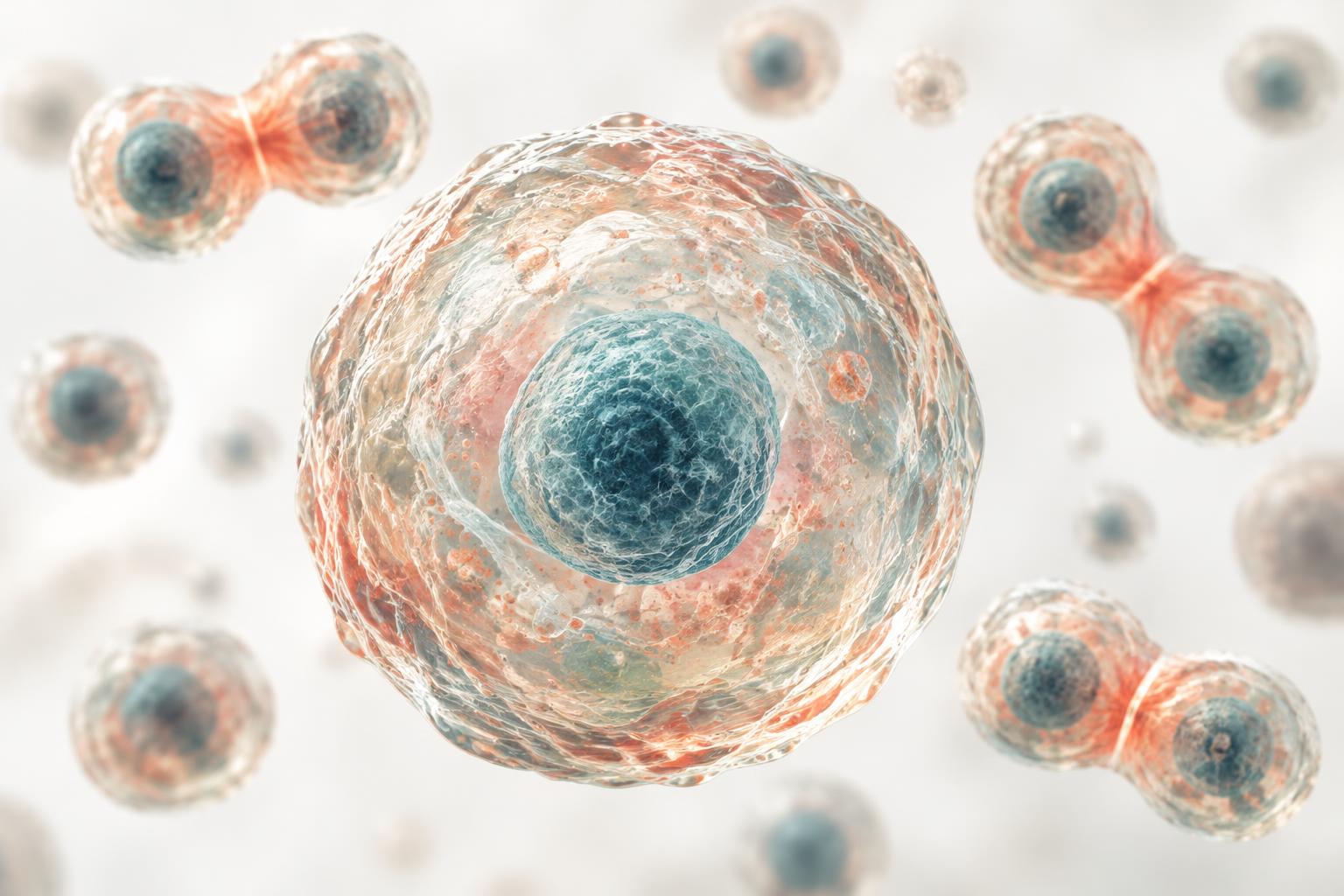
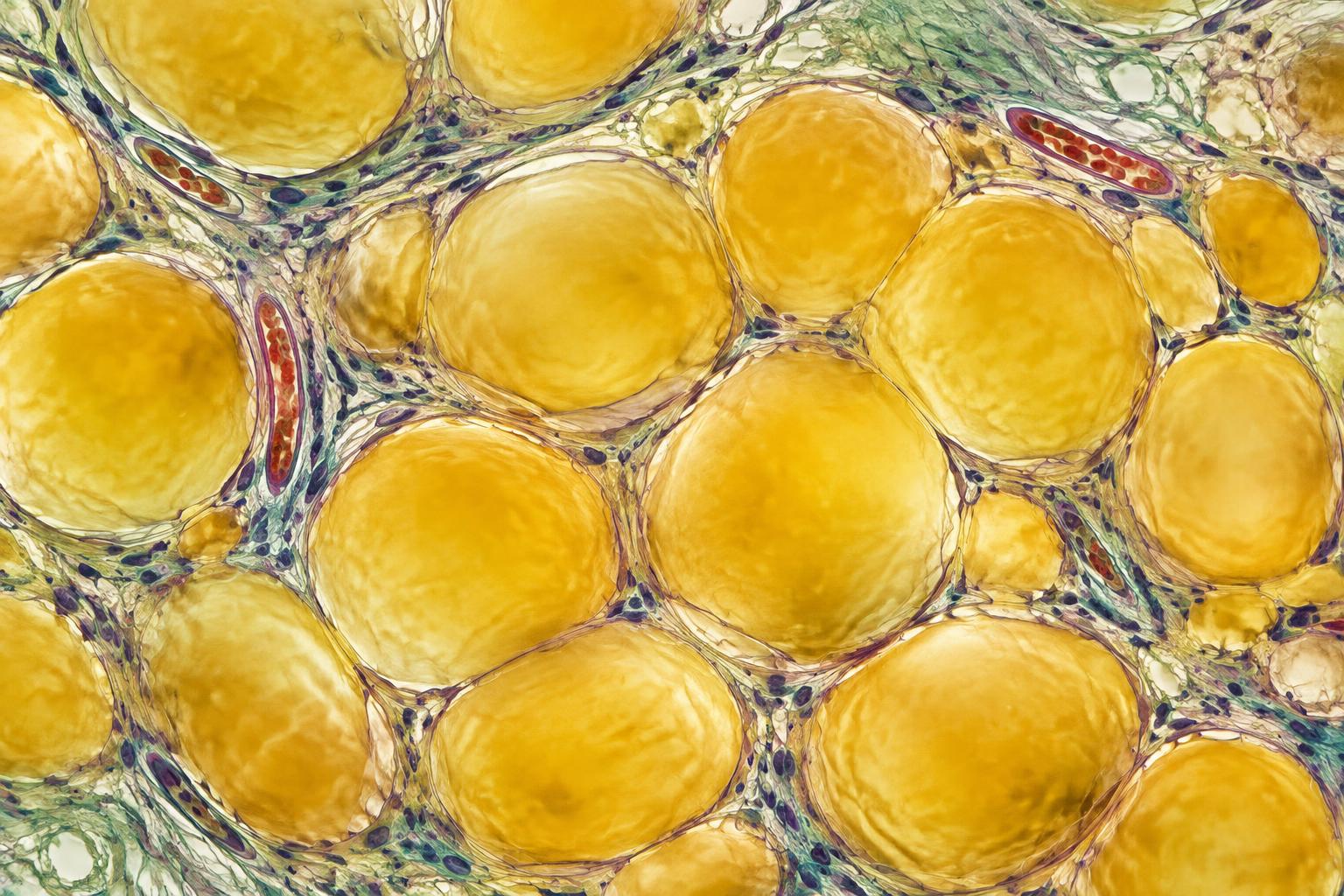
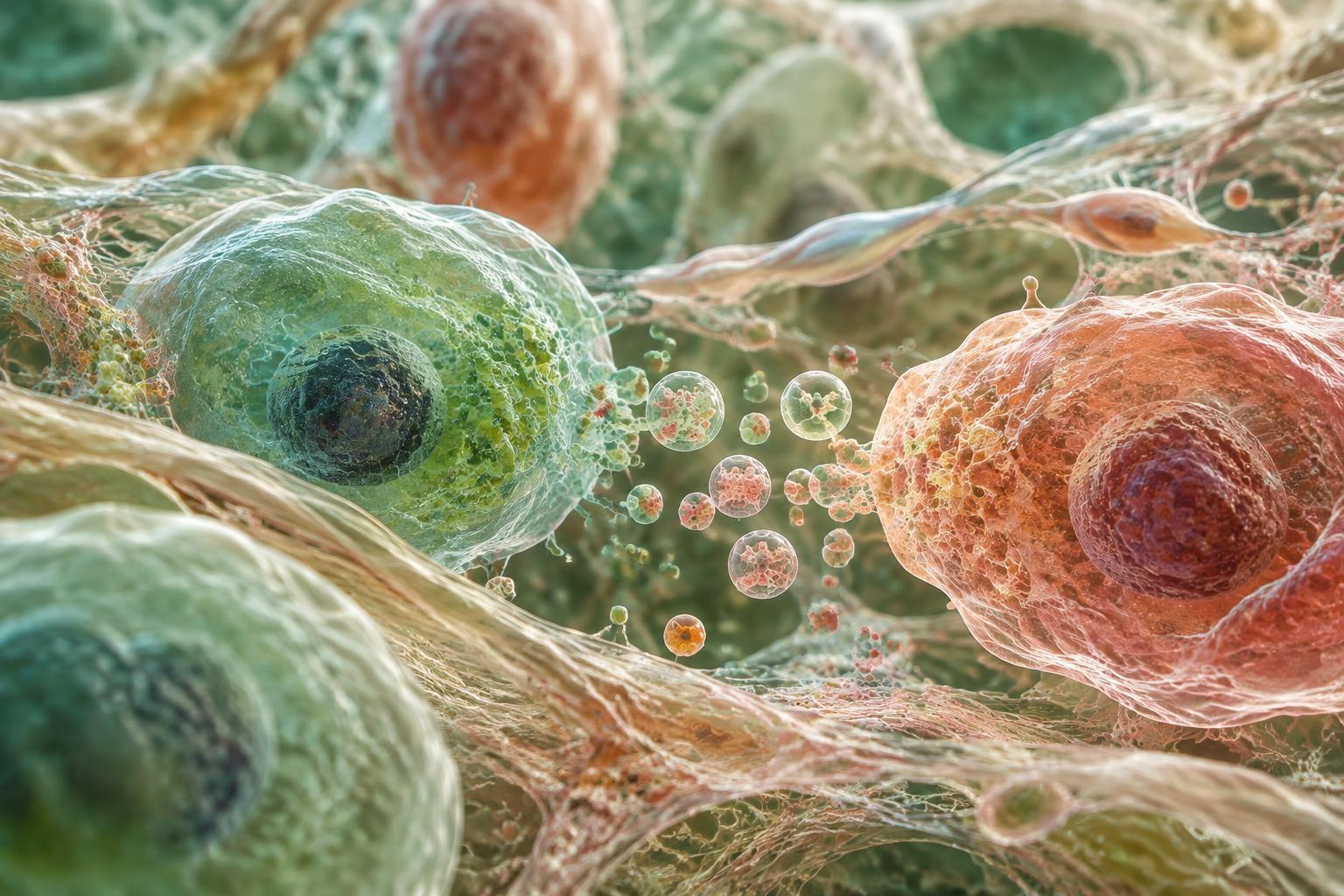
SVF, or Stromal Vascular Fraction, refers to a cluster of cells extracted from adipose (fat) tissue. This mixture contains various cell types, including mesenchymal stem cells (MSCs), endothelial cells, and diverse immune cells. EHL BIO recognizes the importance of this source, as adipose tissue allows for the easy and abundant collection and separation of adult stem cells.
The standout feature of SVF is its rapid extraction process. Utilizing EHL BIO's patented SVF separation kits, the cell preparation process achieves high levels of precision according to recovery standards. These cells possess a 'Homing Effect,' the ability to identify damaged areas and move directly to repair those tissues. This natural mechanism effectively helps restore health and combat age-related degeneration.
Differences Between SVF and Cultured Stem Cells
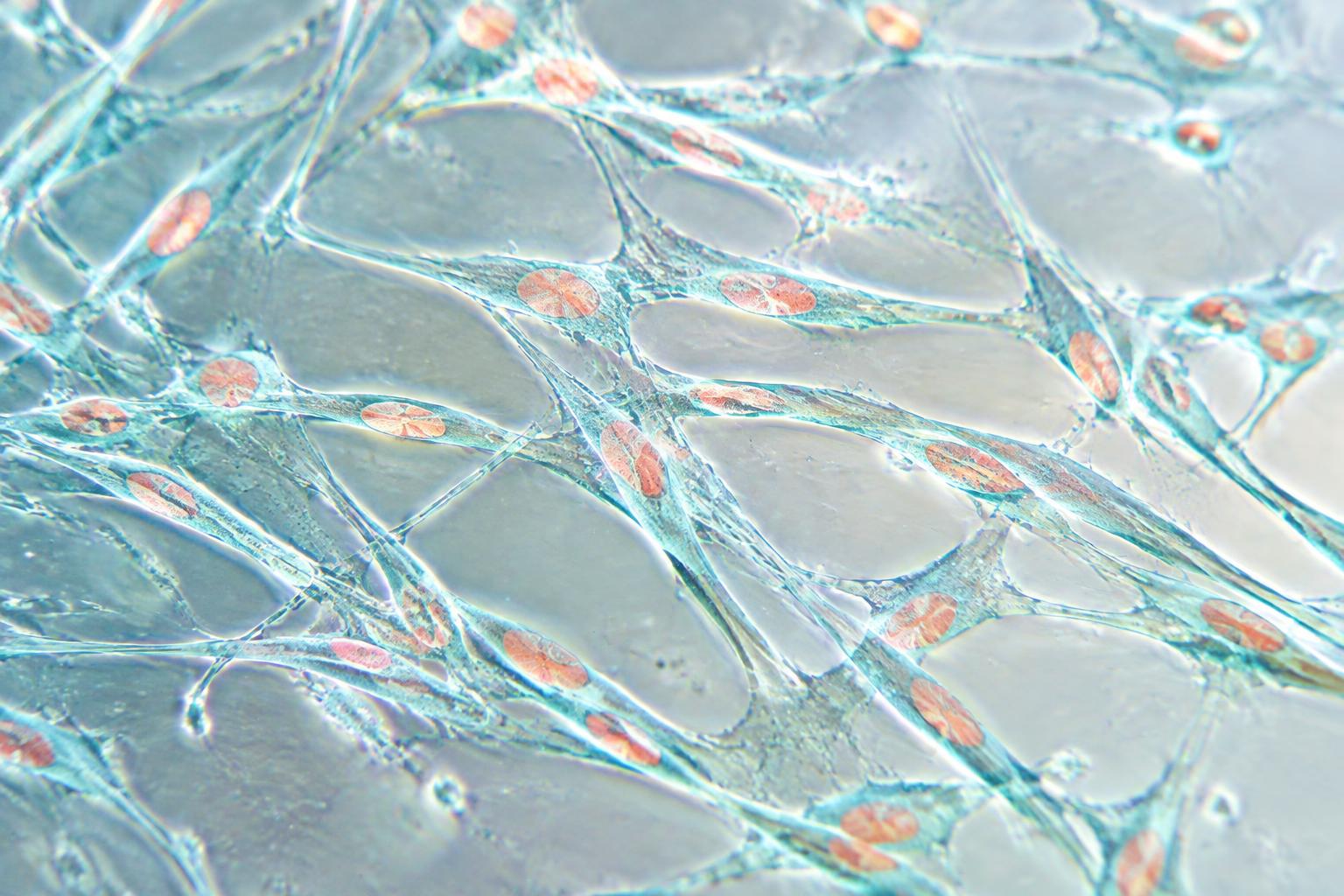
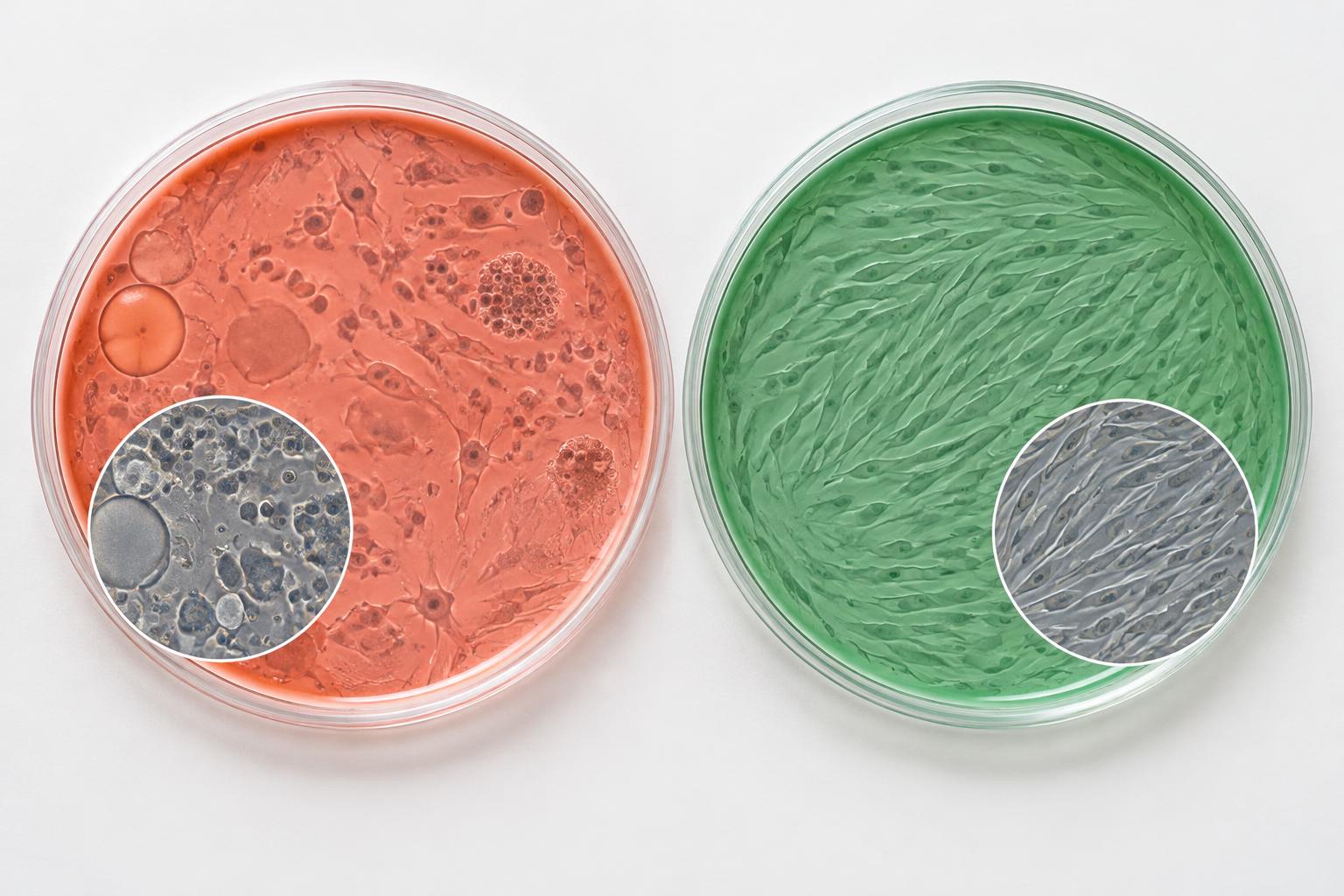
Although both SVF and cultured stem cells originate from the patient's own body (Autologous), they differ significantly in process and quantity. Cultured stem cells are taken to a GMP-standard production center for separation and expansion in a laboratory. EHL BIO's technology can increase cell count up to 1,000 times higher than industry averages while maintaining excellent cell viability.
In contrast, SVF involves using extracted cells immediately without laboratory expansion. Therefore, the primary differences are the 'target cell count' and 'preparation time.' Culturing typically takes about 4 weeks to achieve the massive cell quantities suitable for physical restoration according to medical team plans. SVF is often chosen when speed is required or in conjunction with other procedures. Both methods depend on the EHL medical team's assessment to ensure the most appropriate restoration plan.
Cell safety and quality are the hearts of restoration. Whether it is SVF or cultured cells, every step at EHL BIO must meet the highest standards based on the EHL team's assessment.
GMP Standards and Safety at EHL BIO
Whether separating SVF or culturing stem cells, quality and standards are paramount. EHL BIO operates under South Korea's 'Advanced Regenerative Bio Act,' being approved as a human cell management business by South Korea's MFDS. Our research center features Class 100 facilities and a liquid nitrogen storage system at -196°C to maintain cells in optimal condition.
With over 85 research personnel and a production capacity of up to 6,000 lots per year, EHL BIO ensures the quality of both SVF and cultured cells. All processes are strictly monitored, free from contaminants, and have received CPC (Cell Processing Center) certification in Korea. This confirms that clients receive innovations meeting standards for restoration goals and a better quality of life.
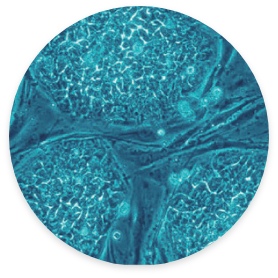
Future Innovations: From Patents to Real Restoration
EHL BIO never stops developing new patents to enhance cell therapy efficiency, such as the patented fat collection and SVF separation kits, which improve precision during restoration preparation. Additionally, we conduct research in medical development regarding Exosomes and Conditioned Media—rich in growth factors and collagen—to be used alongside stem cells for skin restoration and anti-aging.
EHL BIO's ultimate goal is restoration and better quality of life through Advanced Regenerative Medicine. We have a network of partner hospitals in Korea, supported by EHL Thailand’s Thai coordination team. We assist from the initial document evaluation by Korean doctors to follow-up care after returning to Thailand, ensuring that choosing cell technology truly leads to 'Aging Well.'
Frequently asked questions
What is the experience of SVF cell collection like?
The fat collection process for SVF separation is performed by specialized medical teams under EHL Cell Clinic's safety standards in Seoul to ensure comfort and provide the best care for clients.
What are the restoration goals for SVF vs cultured stem cells?
It depends on your restoration goals and physical condition. The EHL BIO medical team will evaluate your documents and health history to design the most suitable plan for each individual.
How long does it take to prepare the cells?
SVF can be prepared quickly within a single day, while cultured stem cells take approximately 4 weeks in a GMP lab to reach the appropriate cell count.
Related conditions
Based on EHL BIO information: EHL BIO · EHL BIO · EHL BIO · EHL BIO. Each care plan follows an individual EHL assessment.