Quick answer
Stem cells possess properties for neovascularization and exosome signaling to help regulate inflammation and restore vascular elasticity. EHL BIO focuses on utilizing autologous cells for reparative regenerative medicine.
Key takeaways
- Potential of stem cells in stimulating neovascularization and repairing damaged vascular walls.
- Exosomes derived from ADSCs are under medical development for blood pressure regulation.
- Enhanced safety profile through the use of autologous adipose-derived stem cells.
- Advanced culture technology yielding 1,000 times higher cell production than average standards.
Hypertension and Opportunities in Regenerative Medicine
Hypertension is a significant factor impacting the cardiovascular system long-term, often caused by vascular wall degeneration and chronic inflammation. As a leader in regenerative medicine, EHL BIO focuses on utilizing stem cells—undifferentiated cells capable of self-renewal and developing into various specialized tissues.
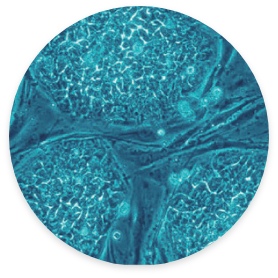
The application of stem cells aims to restore circulatory balance through the Homing Effect, identifying and migrating to damaged vascular sites for self-repair. This is central to our 'Aging Well' philosophy, ensuring long-term health and quality of life as envisioned by our CEO, MD Hong-gi Lee.
Mechanism of Stem Cells in Vascular Systems
Restoration focusing on neovascularization is a field of continuous research. EHL BIO’s Adipose-derived Stem Cells offer the advantage of easy collection and high yields, enhancing safety through autologous use.
Once administered, these stem cells stimulate the formation of micro blood vessels and improve circulation, reducing cardiac load and enhancing vascular elasticity. This process is strictly monitored in our GMP facilities, ensuring cell efficacy according to EHL team evaluations for every patient.
Our goal is to restore degenerative conditions and enhance quality of life through cutting-edge cell therapy innovations.
Exosomes: New Innovation in Inflammation Control
Beyond direct cell therapy, EHL BIO is in the medical development stage of utilizing Exosomes—nano-sized vesicles secreted for intercellular communication. Rich in growth factors and cytokines, exosomes possess properties to regulate vascular inflammation, a key driver of hypertension.
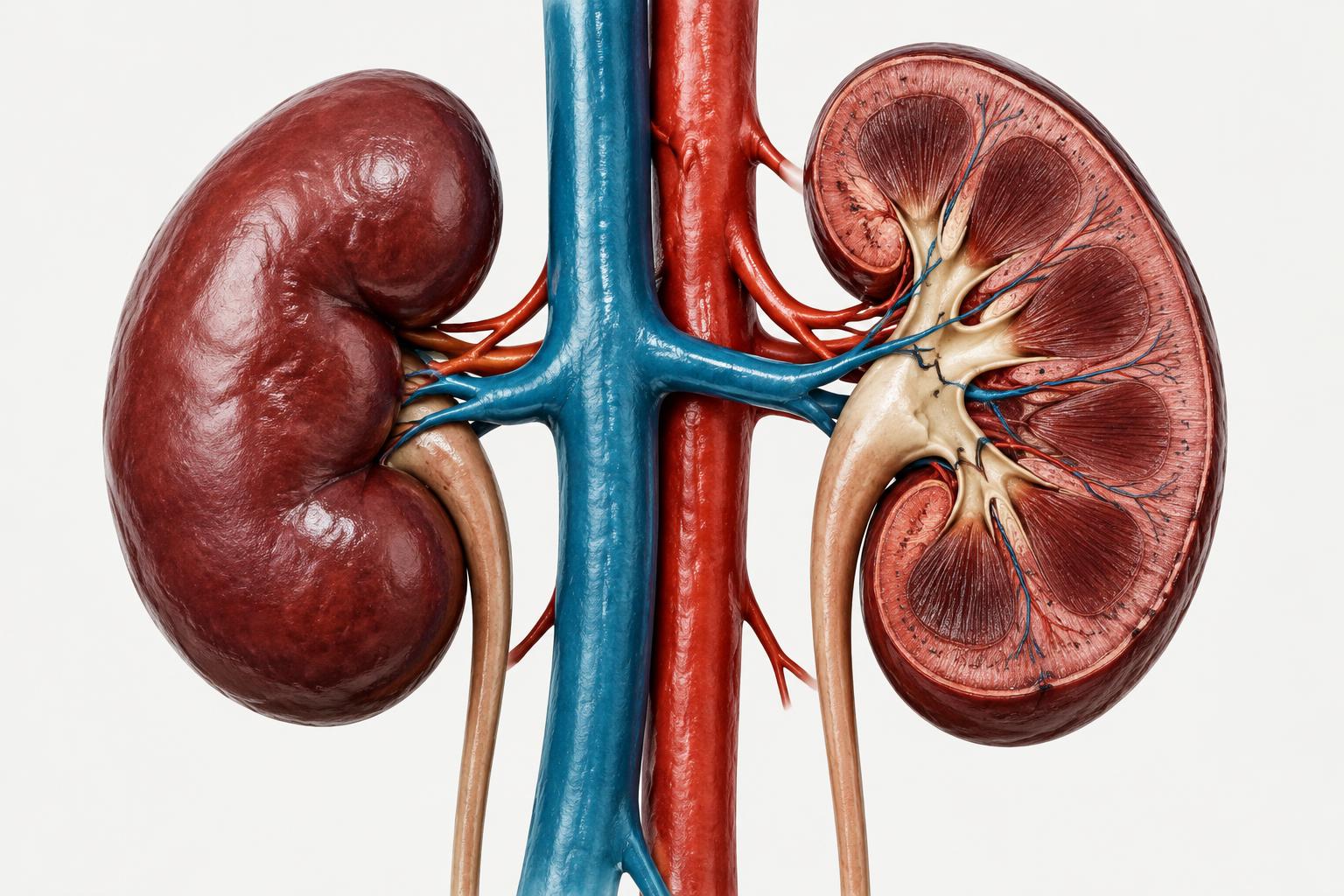
Currently, ADSC-derived exosomes are being researched for applications in hypertension management and related complications like chronic kidney disease and retinopathy. This represents a significant step in next-generation biologics that EHL BIO is committed to developing for improved quality of life.
Safety Standards and Care at EHL BIO
EHL BIO is licensed under the Advanced Regenerative Bio Act in Korea. We maintain a network of partner hospitals in Korea and a dedicated Thai coordination team.
The process begins with a consultation and medical document review for a personalized restoration plan. Patients then visit the EHL Cell Clinic in Seoul for adipose tissue collection and high-survival rate cultivation in our labs, where cells are cryopreserved at -196°C to maintain peak quality for your restorative goals.
Frequently asked questions
What are the benefits of stem cell therapy for hypertension?
It enhances safety as EHL BIO uses the patient's own adipose-derived stem cells (autologous), eliminating immune rejection, and operates under strict GMP standards according to EHL team assessment.
What is the goal of restoring hypertension through stem cells?
The goal is to restore the vascular system and enhance long-term quality of life, with medical assessments conducted on a case-by-case basis according to the EHL team plan.
How do exosomes differ from stem cells?
Stem cells are living cells, while exosomes are vesicles secreted by cells to signal restoration, currently in the medical development stage to enhance health maintenance efficiency.
Related conditions
Based on EHL BIO information: EHL BIO · EHL BIO · EHL BIO · EHL BIO · EHL BIO. Each care plan follows an individual EHL assessment.