Quick answer
PDSTEM Inj. is an autologous adipose-derived mesenchymal stem cell therapy developed by EHL BIO specifically for Parkinson's disease care. It is currently in the pre-clinical research stage, focusing on regenerating and repairing damage within the neurological system and brain.
Key takeaways
- PDSTEM is currently in the pre-clinical research stage preparing for future recovery applications.
- Utilizes autologous adipose-derived stem cell technology for safety according to EHL team assessments.
- Aims to restore degenerated nerve and brain cells in neurological disorders.
- Produced under high GMP standards with a capacity of over 6,000 lots per year.
PDSTEM and New Hope in Neuro-Regenerative Medicine
EHL BIO is dedicated to developing medical technologies for the goal of recovery and quality of life in neurological disorders, particularly Parkinson's disease. PDSTEM Inj. is an autologous adipose-derived mesenchymal stem cell therapy, representing a core research project at EHL BIO Research Institute.
Currently, PDSTEM is in the pre-clinical research stage, aiming for recovery of damaged cells in the brain and neurological system. Using the patient's own cells minimizes the risk of immune rejection and enhances safety for future applications. This aligns with EHL BIO's 'Aging Well' vision to promote longevity and health through advanced regenerative medicine.
World-Class Cell Culture Technology
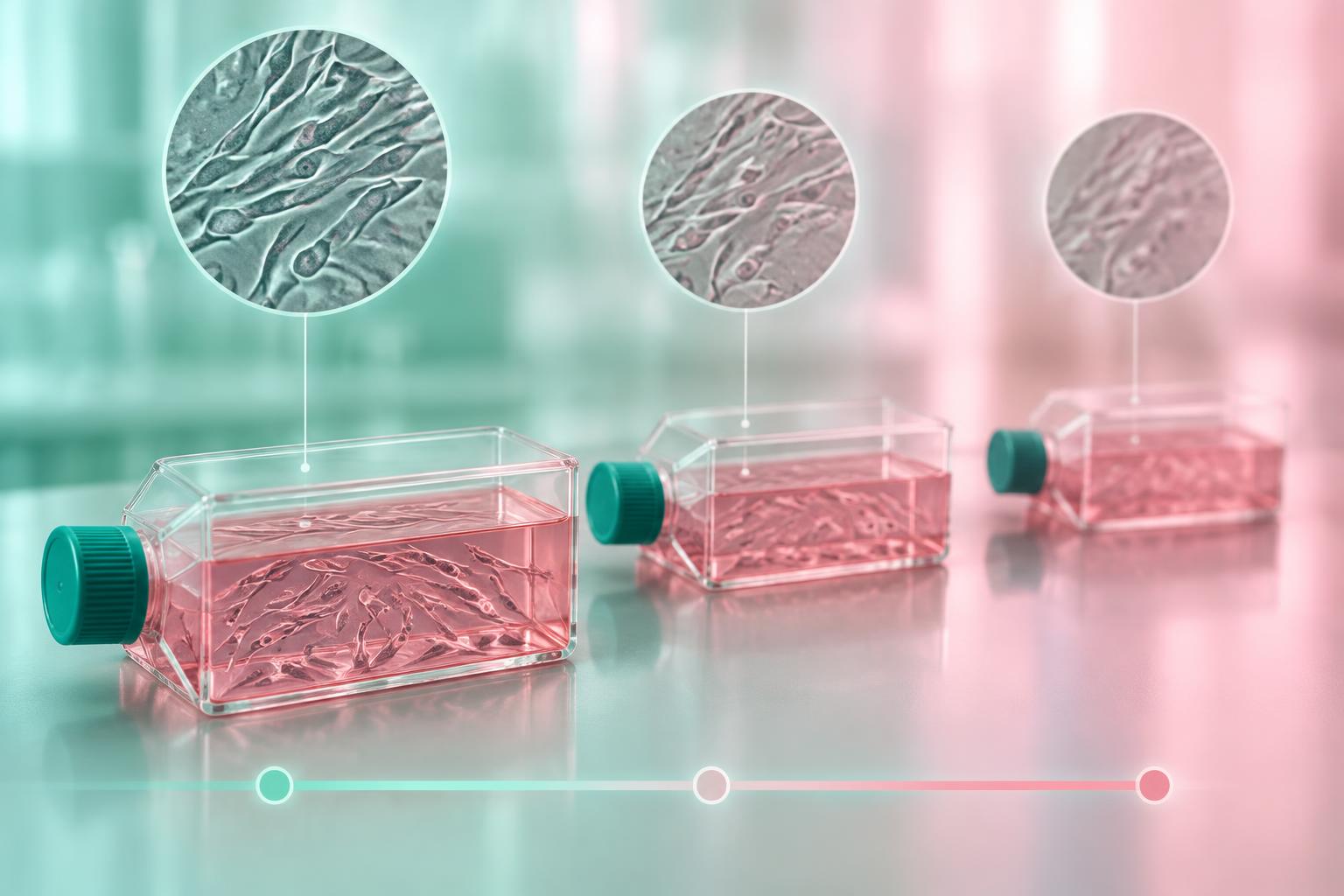
The excellence of PDSTEM begins with cutting-edge manufacturing processes within EHL BIO's GMP (Good Manufacturing Practices) facility. Equipped with Class 100 cleanrooms and a comprehensive cell storage system, we possess stable specialized technology for isolating and culturing stem cells, yielding up to 1,000 times more cells than competitors while maintaining excellent cell viability.
With a team of over 85 researchers and operations governed by South Korea's Advanced Regenerative Bio Act, PDSTEM research maintains transparency and reliability. Our production system supports a capacity of 6,000 lots per year, ensuring readiness for recovery and research demands.
PDSTEM represents EHL BIO's commitment to overcoming the limits of Parkinson's disease care through safe and standardized cell therapy innovations as assessed by the EHL team.
Mechanisms of Stem Cells in Brain Recovery
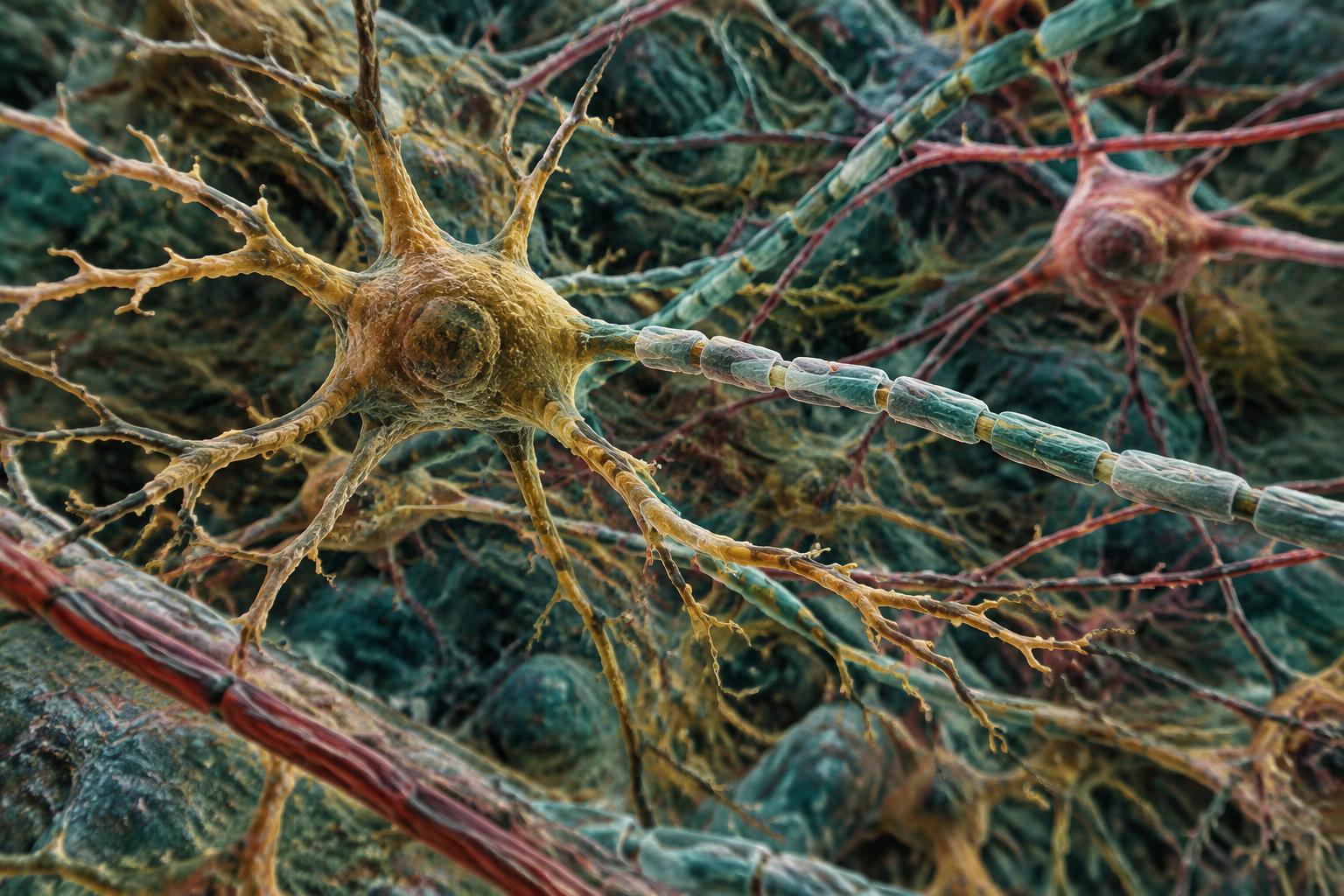
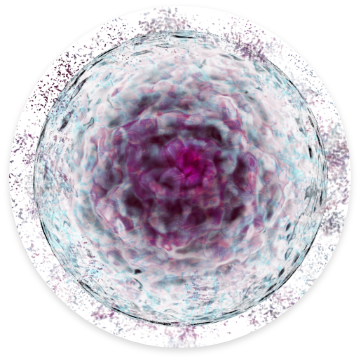
The stem cells utilized in the PDSTEM research project possess a unique characteristic known as the 'Homing Effect,' which is the ability to identify and migrate to damaged areas within the body for repair. Additionally, they exhibit 'Multipotential' capabilities, meaning they can differentiate into specialized tissues such as neurons and muscle cells.
In researching brain and neurological disorders like Parkinson's and Alzheimer's, EHL BIO applies the self-renewal properties of stem cells to restore cerebral cortex functions and degenerated areas. While PDSTEM is currently in the medical development stage, EHL BIO's success in utilizing stem cells for other degenerative conditions, as assessed by the EHL team, confirms the vast potential of this technology.
EHL BIO's Next Steps
EHL BIO does not stop at laboratory research; we focus on expanding medical collaboration networks in South Korea and Thailand to make innovations like PDSTEM and ADSTEM more accessible. Winning the 'IR52 Jang Young-shil' award and recognition from the Korean Ministry of Health and Welfare serves as a testament to our institute's success.
For Parkinson's patients interested in PDSTEM progress, EHL Thailand provides Thai-speaking coordination for detailed information and consultation. Each patient's care plan depends on assessments by EHL BIO's expert medical team to ensure safety and outcomes for quality of life restoration.
Frequently asked questions
What is PDSTEM and what are the recovery goals?
PDSTEM Inj. is an autologous adipose-derived mesenchymal stem cell therapy developed by EHL BIO specifically targeting the care of Parkinson's disease for better quality of life.
What is the current status of PDSTEM?
PDSTEM is currently in the pre-clinical research stage to evaluate its initial efficacy and safety.
Why use autologous adipose-derived stem cells?
Adipose tissue is an easy source for isolating abundant stem cells. Since they are autologous (from the patient's own body), it reduces immune rejection risks, ensuring safety according to EHL team assessments.
Related conditions
Based on EHL BIO information: EHL BIO · EHL BIO · EHL BIO · EHL BIO. Each care plan follows an individual EHL assessment.