Quick answer
ADSTEM is an innovative autologous adipose-derived stem cell therapy for atopic dermatitis, starting Phase 1 trials in 2017 and completing Phase 2 in 2023. Currently, it has received IND approval to proceed to Phase 3 clinical trials in Korea, confirming its efficacy according to the evaluation of the EHL team at an international standard.
Key takeaways
- ADSTEM is an autologous mesenchymal stem cell therapy extracted from the patient's own adipose tissue.
- Completed Phase 2 clinical trials showing a significant reduction in disease severity (EASI score).
- Received IND approval from Korea to begin Phase 3 clinical trials in 2025.
- Focuses on balancing Th1/Th2 immunity for the goal of skin barrier restoration and quality of life.
The Inception of ADSTEM and Early Research Phases
The development of ADSTEM began with EHL BIO's vision to utilize Adipose-derived Stem Cells for managing difficult skin conditions like Atopic Dermatitis. In 2015, EHL BIO first applied for clinical trials using autologous adipose-derived stem cells.
By 2017, the first milestone was reached with the completion of Phase 1 clinical trials for ADSTEM, confirming the preliminary safety of using autologous cells for care. This process utilized EHL BIO's proprietary cell separation and culture technology under GMP standards to ensure high purity cells, ready for further development on a larger scale.
Progressing to Phase 2 Clinical Trials
In 2019, EHL BIO received approval for Phase 2 clinical trials for ADSTEM for the first time in South Korea, marking a significant step in regenerative medicine. The trial focused on evaluating efficacy in patients with moderate to severe symptoms, using intravenous injection to allow cells to utilize the Homing Effect to reach inflamed areas.
Results from Phase 2 were published in an international journal in late 2025. The study found that patients receiving ADSTEM showed a statistically significant reduction in EASI scores compared to the control group, effectively reducing itching and aiming to restore the skin barrier with an acceptable safety profile according to the EHL team's evaluation.
ADSTEM enters Phase 3 clinical trials, reinforcing our international leadership in cell therapy for skin restoration.
Current IND Approval for Phase 3 Clinical Trials
Continued research led to major milestones in 2024 and 2025, when the Phase 3 clinical trial plan (IND) for ADSTEM was officially approved in Korea. This stage is a multi-center study designed to reinforce the value of care and the role of stem cells in immunomodulation.
Phase 3 trials focus on patients with moderate to severe subacute and chronic atopic dermatitis. This represents a key step before seeking further development as a health restoration product. EHL BIO plans to proceed with patient enrollment and trials following the Institutional Review Board (IRB) ethical standards at each partner institution.

Mechanism of Action and Advanced Manufacturing Standards
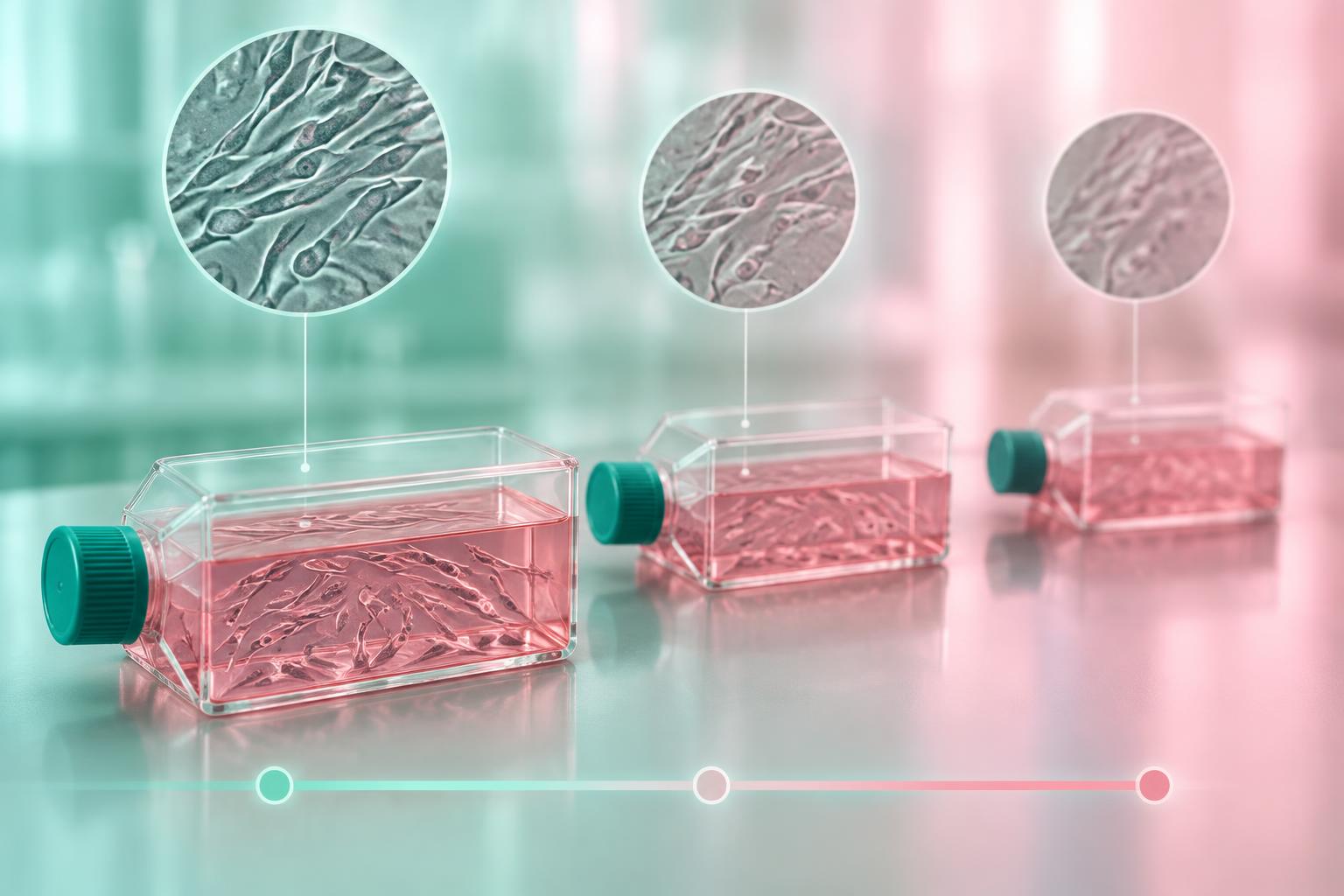
The success of the ADSTEM research timeline is linked to stringent manufacturing standards at the EHL Cell Center in South Korea, featuring Clean Rooms and GMP-certified quality management systems. The adipose-derived stem cells are cultured using EHL BIO’s specialized techniques to ensure high-quality cells.
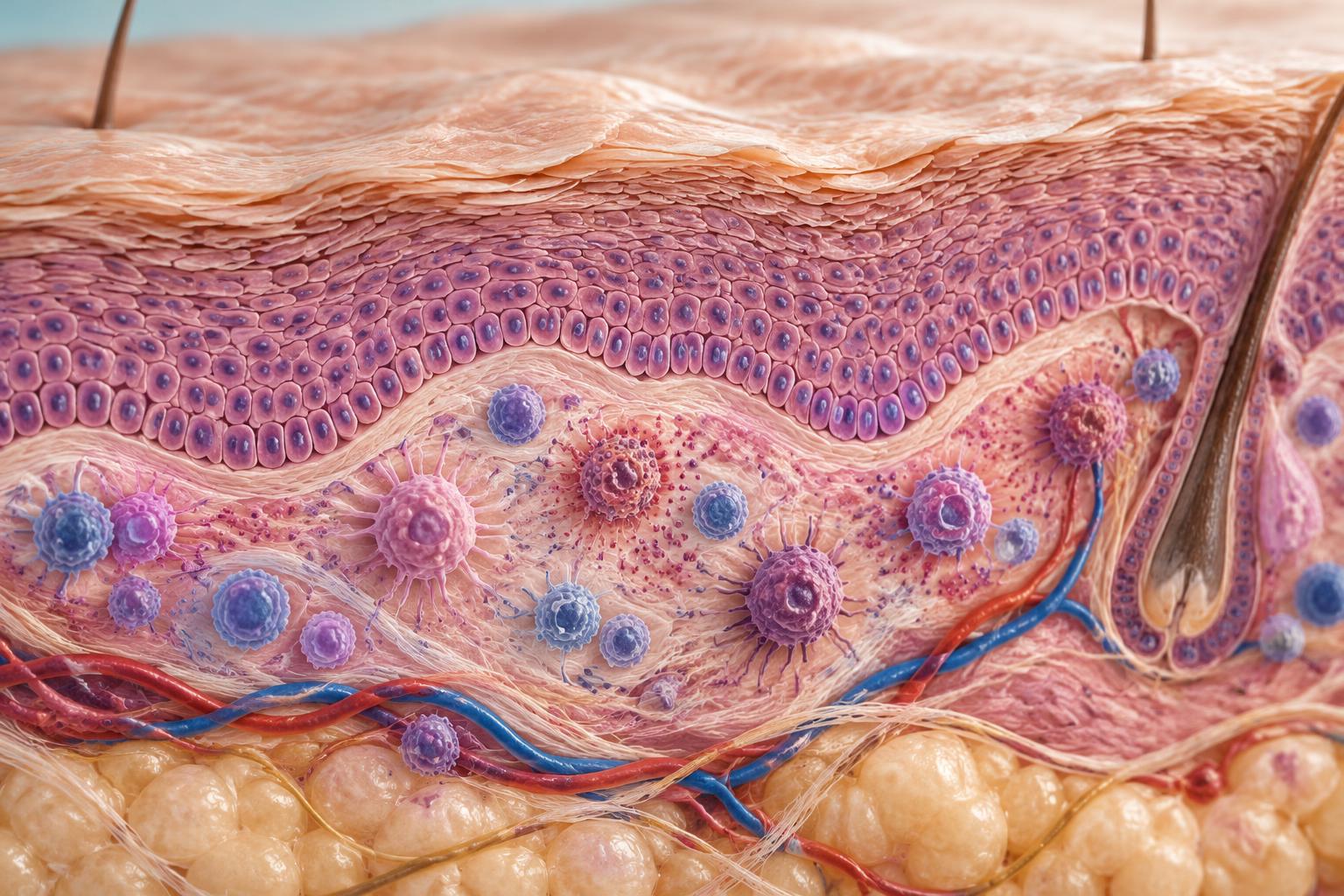
Medically, ADSTEM works by balancing the immune system, addressing the cause of immune dysfunction. The injected cells help reduce the secretion of inflammatory cytokines and aim to restore tissue, providing a sustainable approach to improving the quality of life for patients with chronic atopic dermatitis.
Frequently asked questions
What is ADSTEM and what is its purpose?
ADSTEM is an autologous adipose-derived mesenchymal stem cell therapy developed by EHL BIO specifically for the goal of restoration and quality of life in Atopic Dermatitis patients.
What is the current stage of ADSTEM research?
ADSTEM has currently received IND approval in Korea to begin Phase 3 clinical trials.
What were the restoration goals of ADSTEM according to the Phase 2 trials?
Phase 2 results, according to the EHL team's evaluation, showed that ADSTEM significantly reduced disease severity (EASI scores) and demonstrated safety for restoration, as published in international journals.
Related conditions
Based on EHL BIO information: EHL BIO · EHL BIO · EHL BIO · EHL BIO · EHL BIO. Each care plan follows an individual EHL assessment.