Quick answer
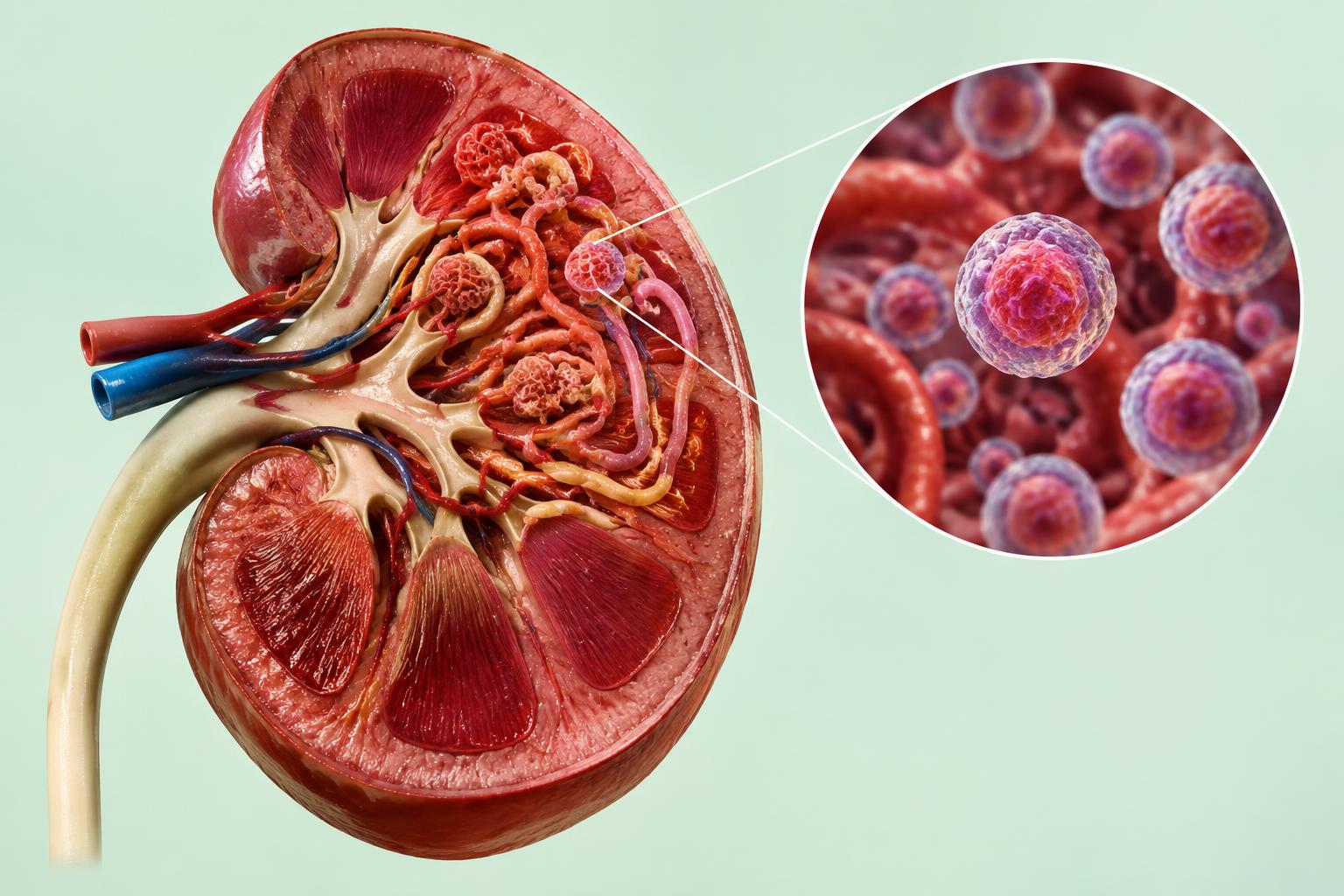
KDSTEM is an autologous stem cell therapy derived from the patient's own urine for chronic kidney disease recovery goals. It uniquely secretes Klotho protein, which helps combat oxidative stress, reduce inflammation, and inhibit fibrosis in kidney tissues, currently under medical research and development with South Korean government support.
Key takeaways
- Non-invasive cell extraction technology from urine.
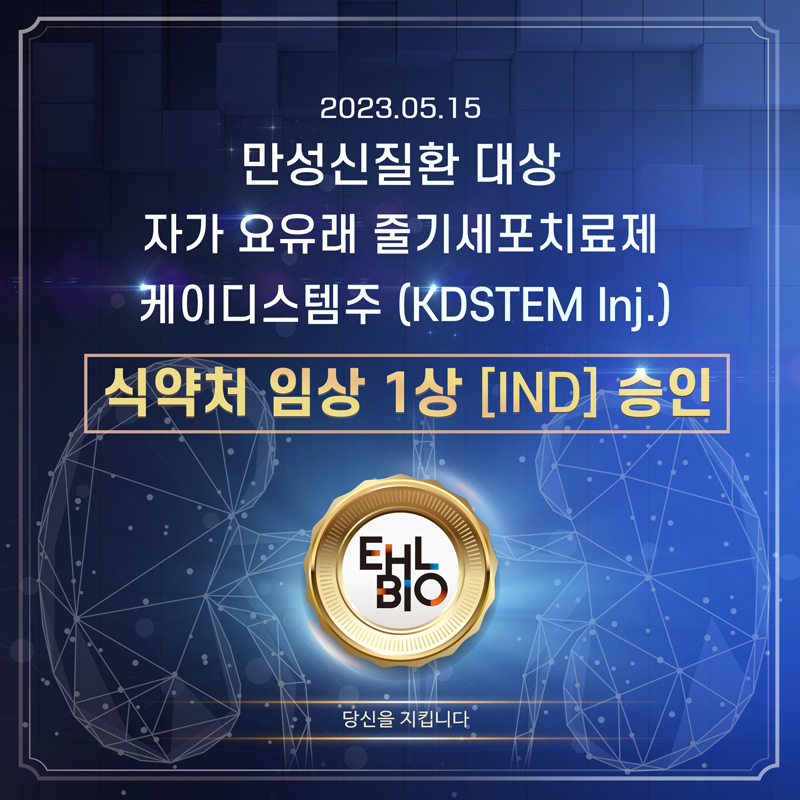
- Approved for Phase 1 IND by South Korea's MFDS and currently under ongoing research.
- Research quality recognized by the IR52 Jang Young-shil Award and the Minister of Health and Welfare Award.
- Unique ability to secrete Klotho protein to restore kidney cells and reduce fibrosis.
What is KDSTEM and Why Urine-Derived Stem Cells?
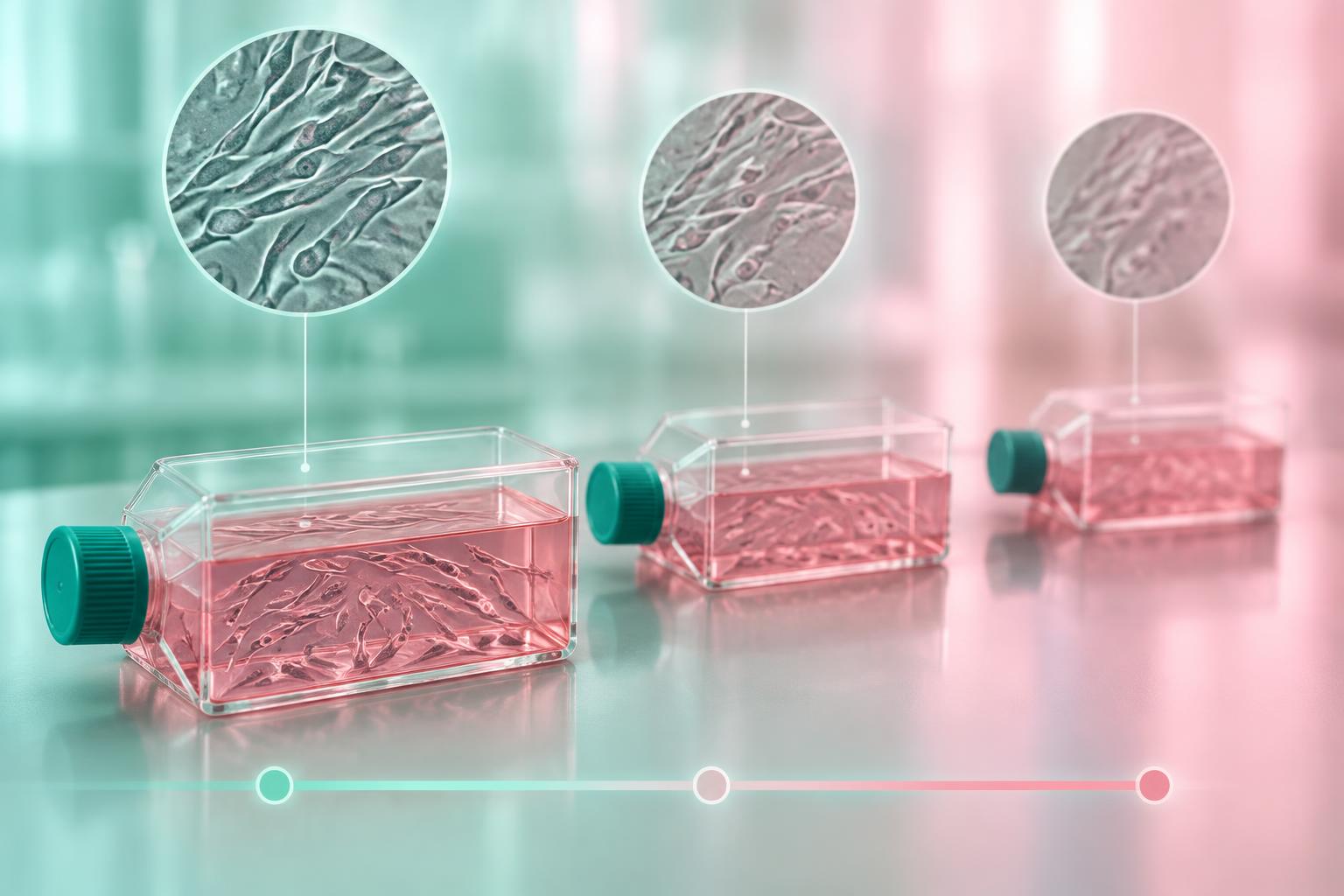
KDSTEM is an innovative cell therapy developed by EHL BIO, utilizing mesenchymal stem cells extracted from the patient's own urine (Urine-derived Stem Cells - UDSC). The most significant advantage is its non-invasive collection process, which differs from bone marrow aspiration or liposuction, making it more accessible for chronic kidney disease (CKD) patients who may be physically frail.
Beyond the convenience of collection, EHL BIO's research indicates that stem cells originating from the urinary system exhibit higher specificity in restoring kidney function compared to other cell sources. A key factor is the expression of the Klotho protein, an essential anti-aging protein that helps protect kidney tissue from chronic damage. This represents a major breakthrough in South Korea's regenerative medicine sector.
Mechanism of Action: Inhibiting Inflammation and Kidney Fibrosis
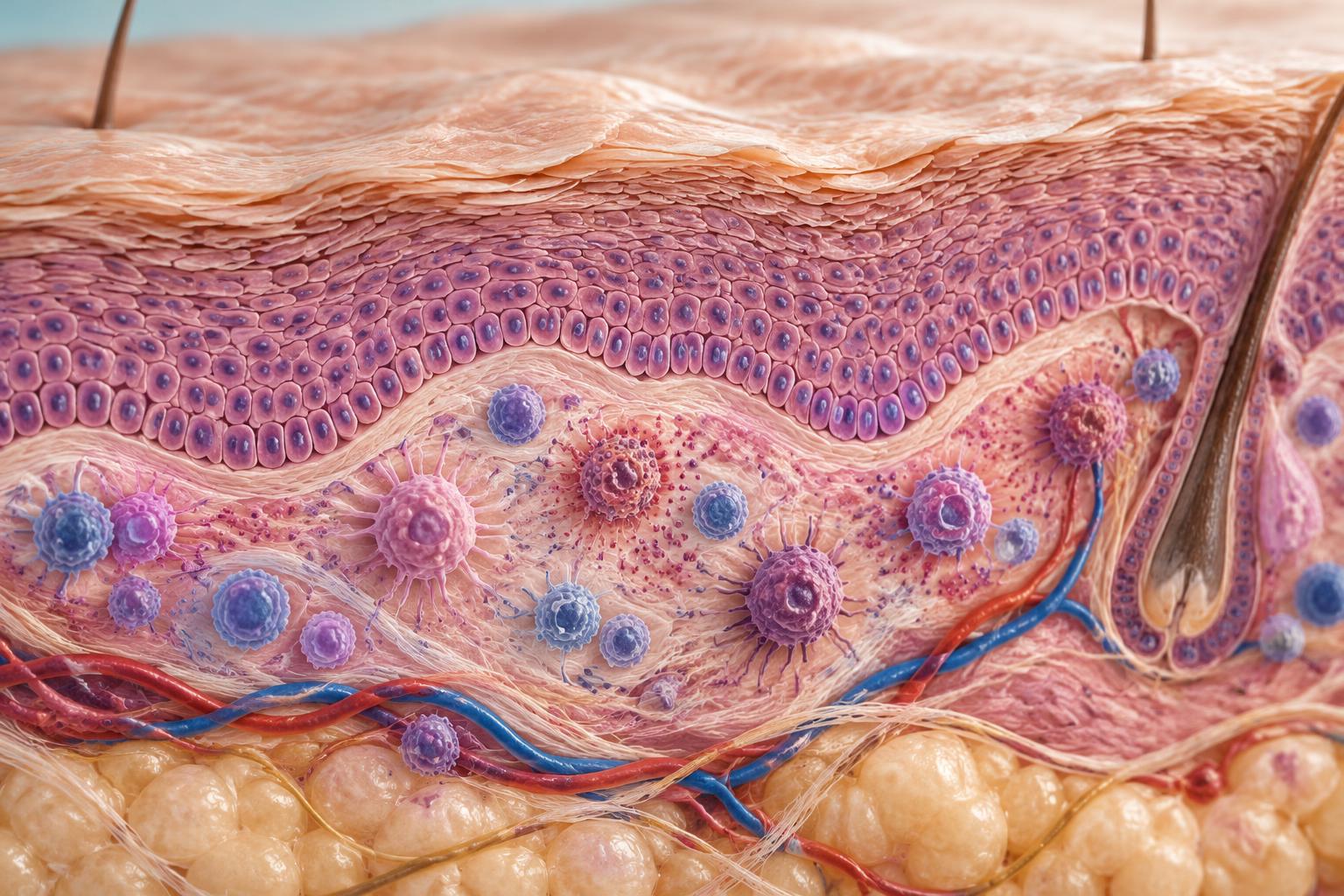
In this stage of medical development, the EHL BIO research team has evaluated KDSTEM's efficacy in animal models with ischemia-induced kidney injury. The results showed that this cell therapy significantly inhibits chronic inflammation and reduces fibrosis in kidney tissues, according to EHL team assessments.
Utilizing EHL BIO's patented technology (Registration No. 10-232-0682) for isolating and culturing high-purity urine-derived stem cells ensures that the cells used are of high quality for repairing damaged areas. This process leverages the 'Homing Effect,' which allows cells to navigate to damaged sites and initiate the body's natural restorative processes.
KDSTEM represents a new hope for chronic kidney disease recovery, utilizing urine-derived stem cell technology certified by South Korean government standards.
Manufacturing Standards and Safety
The core of KDSTEM lies in its manufacturing process under GMP (Good Manufacturing Practices) standards at the EHL Cell Center in Apgujeong, Seoul. Equipped with Class 100 cleanrooms and a production capacity of 6,000 lots per year, every step ensures product safety and remains free from contamination.
Using autologous cells effectively reduces the risk of immune rejection. Furthermore, EHL BIO was selected for the Ministry-level Regenerative Medicine Technology Development Project in 2022 and 2024, confirming the South Korean government's policy confidence in the safety and potential of KDSTEM innovation to transform the future of kidney disease care.
Next Steps: Clinical Trials and the Future for Patients
KDSTEM has currently received Phase 1 IND approval from the South Korean MFDS to evaluate safety and feasibility in restorative care for CKD patients. The goal is to establish a new alternative to enhance quality of life.
Following the success of winning the 'IR52 Jang Young-shil' Award for technological innovation in 2025 and the South Korean Minister of Health and Welfare Award, EHL BIO remains committed to advancing KDSTEM into Phase 2 and 3 trials. These efforts aim to evaluate efficacy in controlling blood waste levels and improving kidney balance, ultimately enhancing patients' quality of life for healthy longevity (Aging Well).
Frequently asked questions
Is collecting cells from urine painful?
Not at all. The collection is entirely non-invasive, involving only natural urine samples without any needles or surgery, making it ideal for patients concerned about discomfort.
Why is KDSTEM more suitable for kidney disease than other stem cells?
Because these cells originate directly from the urinary system, they secrete high levels of Klotho protein, which is specifically effective in reducing kidney inflammation and fibrosis, according to EHL team assessments.
What are the recovery and quality of life goals for KDSTEM?
The main goal is to restore kidney cell function and improve the patient's quality of life. KDSTEM is currently in the clinical trial phase, approved by the South Korean MFDS.
Related conditions
Based on EHL BIO information: EHL BIO · EHL BIO · EHL BIO · EHL BIO. Each care plan follows an individual EHL assessment.