Quick answer
The Phase 2 clinical trial results for ADSTEM demonstrated a statistically significant reduction in EASI scores compared to the control group, effectively alleviating inflammation and itching while restoring the skin barrier with a high safety profile.
Key takeaways
- Published in the international journal Stem Cell Research & Therapy.
- Tested on 114 patients in collaboration with 11 leading university hospitals.
- The ADSTEM group showed a statistically significant decrease in EASI scores.
- Balances the immune system by increasing T-cells and inhibiting Th2 cells.
- Success led to IND approval for progressing into Phase 3 clinical trials.
Success of Phase 2 Clinical Trials
The Phase 2 clinical study results for ADSTEM Inj., an autologous adipose-derived mesenchymal stem cell product, were formally published in the international journal Stem Cell Research & Therapy in December 2025. This research was conducted through a collaborative effort between EHL BIO and multiple top-tier university hospitals, involving a total of 114 participating patients.
Data from the study indicated that the group receiving ADSTEM experienced a significant reduction in the Eczema Area and Severity Index (EASI score) compared to the control group. These findings demonstrate that stem cells do not only reduce skin inflammation but also play a crucial role in alleviating pruritus (itching) and restoring the skin barrier function, aligned with goals for recovery and long-term quality of life.
Mechanism of Action and Immune Balancing
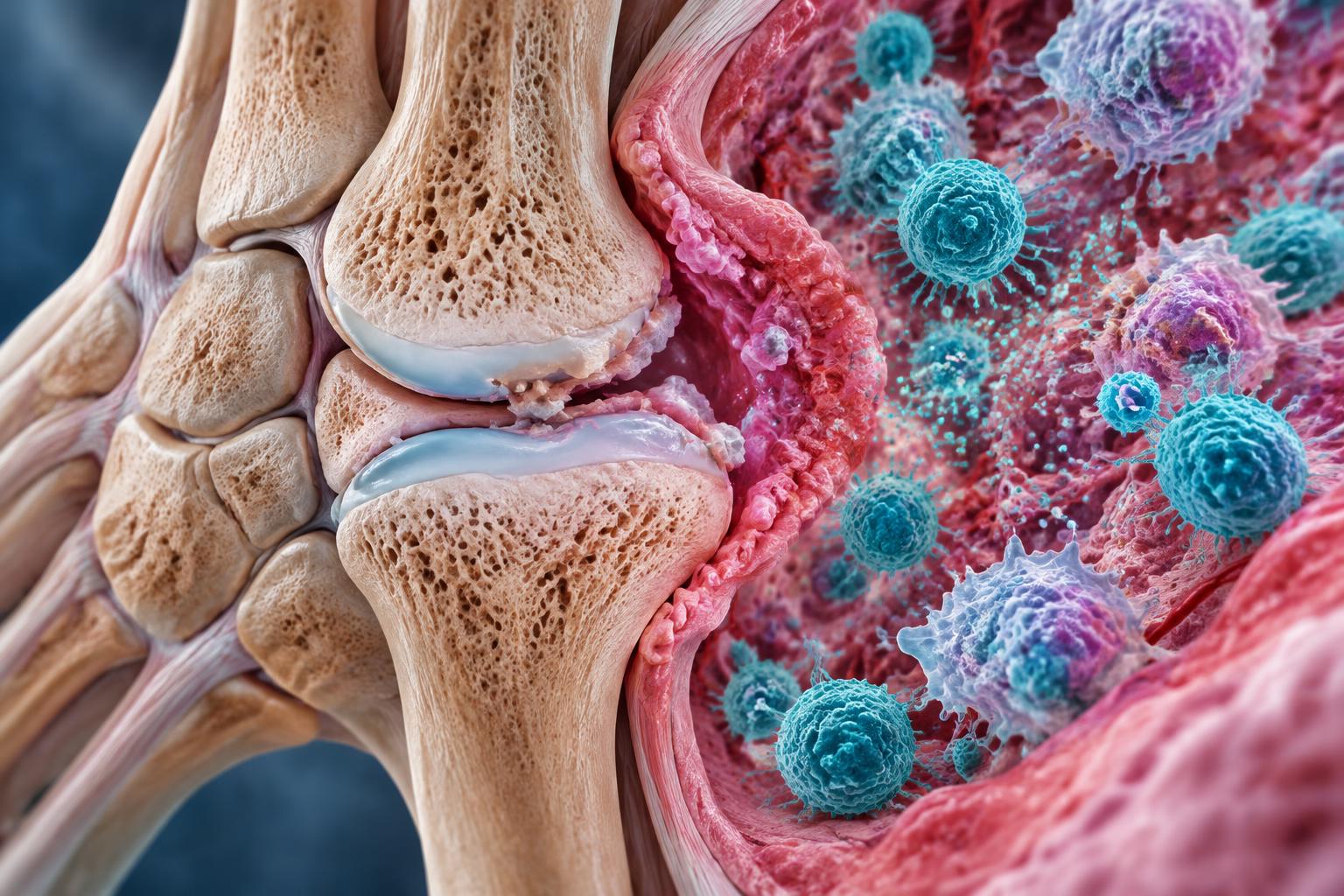
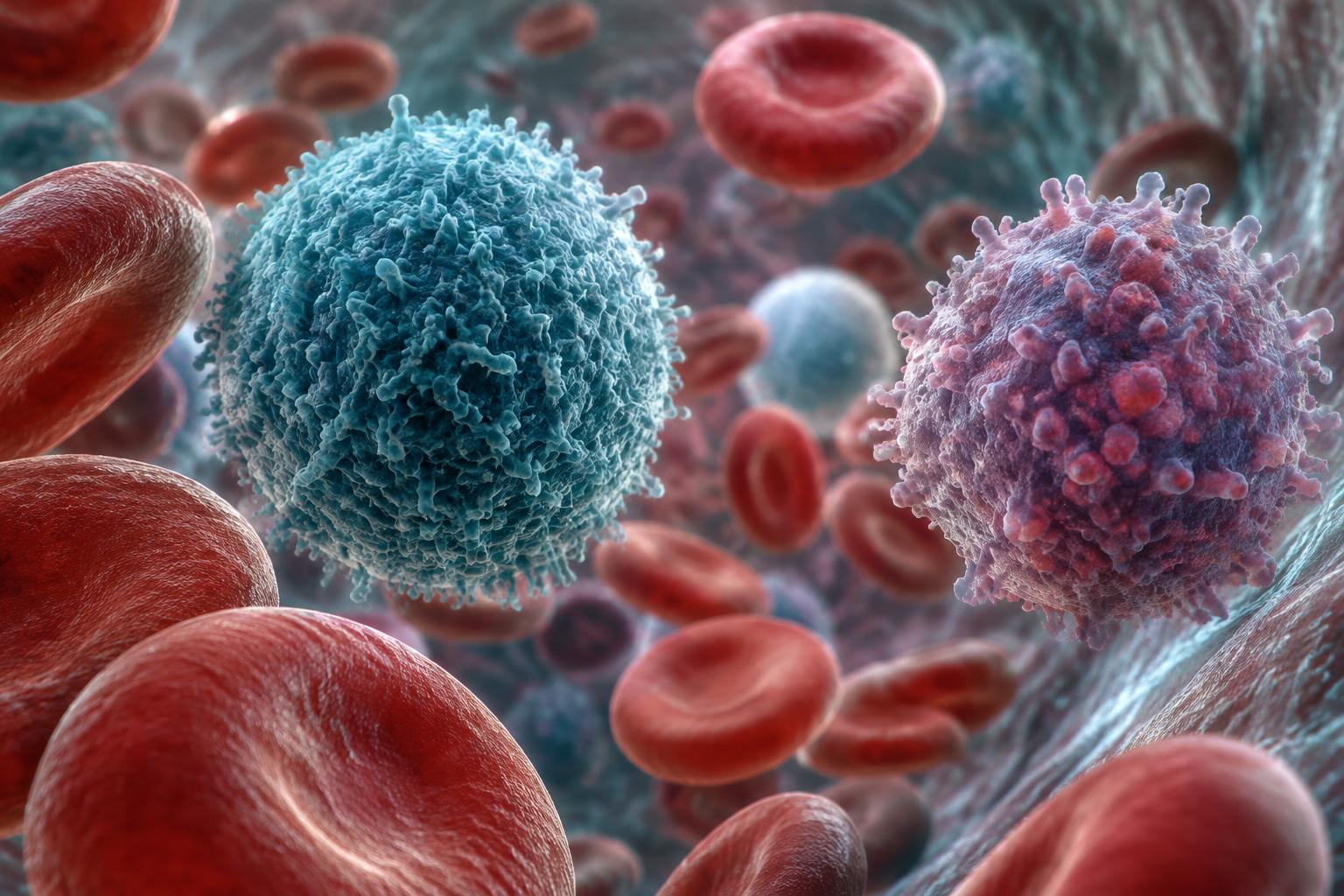
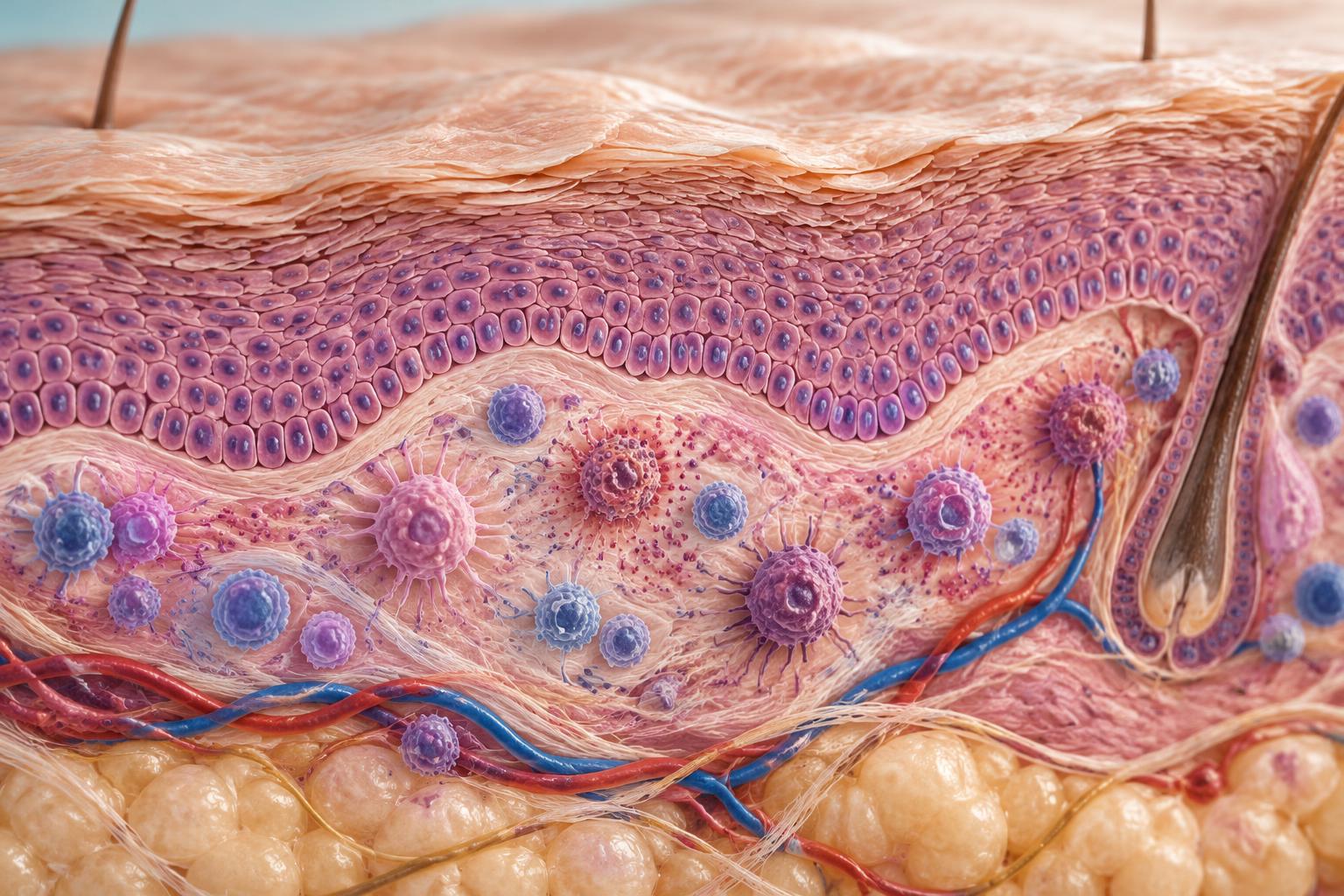
ADSTEM functions utilizing the unique properties of stem cells to target damaged areas via the Homing Effect, subsequently modulating dysfunctional immune responses. In cases of Atopic Dermatitis, stem cells play a pivotal role in increasing T-cell populations while inhibiting the overactivity of Th2 cells, which is the primary driver of chronic inflammation.
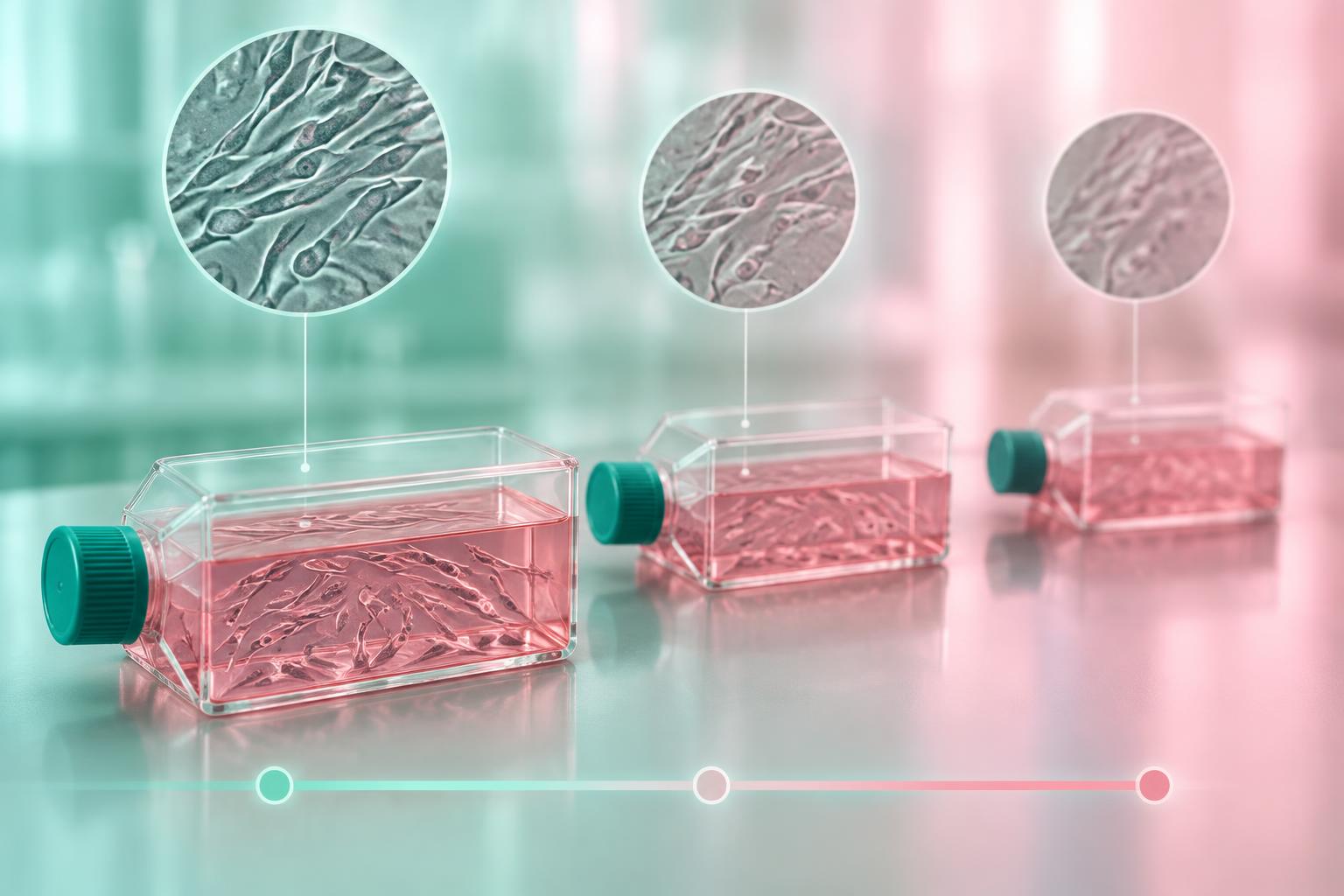
The Phase 2 treatment involved culturing cells using EHL BIO’s specialized techniques for 4 weeks under strict GMP standards to ensure high-quality, high-purity cells before intravenous administration back to the patient. This process allows the cells to travel throughout the body to perform systemic repair and immune modulation comprehensively with high safety based on EHL team assessments.
The success of ADSTEM Phase 2 is a testament to the potential of stem cells for the goal of restoring skin health and achieving sustainable immune balance.
Safety and Production Standards
Safety is one of ADSTEM's strongest advantages, as it utilizes cells extracted from the patient's own adipose tissue (Autologous), significantly minimizing the risk of immune rejection. Safety data from Phase 2 confirmed that the profiles were within acceptable limits with no severe adverse events reported.
The entire process is conducted within the EHL Cell Center, which adheres to GMP (Good Manufacturing Practices) standards and is certified by Korean regulatory authorities. With a production capacity of over 6,000 lots per year and Class 100 cleanroom environments, every cell unit used in the clinical trials is managed for consistent quality and zero contamination.
Moving Forward to Phase 3 Clinical Trials
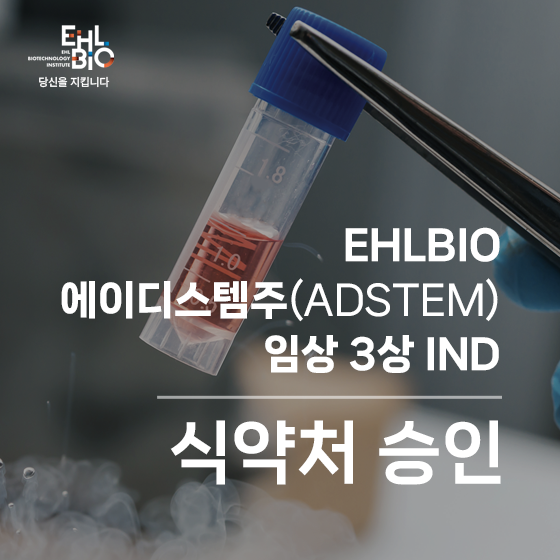
Following the positive outcomes in Phase 2, the Korean regulatory authorities have officially approved the Investigational New Drug (IND) application for ADSTEM Phase 3 clinical trials. This next stage aims to evaluate efficacy and safety in a larger patient population with diverse disease conditions, including both acute and chronic cases.
The Phase 3 trial will be a multicenter, randomized, controlled study to solidify the therapeutic value and prepare for future development. EHL BIO is committed to elevating this technology for the goals of recovery and improved quality of life for patients in both Korea and Thailand.
Frequently asked questions
What do the Phase 2 trial results confirm?
They confirm that ADSTEM significantly reduces Atopic Dermatitis severity (EASI score) and maintains safety for patients according to EHL team assessments.
How does ADSTEM differ from conventional atopic dermatitis treatments?
It uses autologous cells to balance the immune system with the goal of recovery at the source, rather than using steroids or antihistamines that only provide temporary symptom relief.
What are the recovery goals of this program?
The goal is to restore skin condition and balance the immune system to function normally, leading to improved long-term quality of life for patients.
Related conditions
Based on EHL BIO information: EHL BIO · EHL BIO · EHL BIO · EHL BIO. Each care plan follows an individual EHL assessment.