Quick answer
ADSTEM, an autologous adipose-derived mesenchymal stem cell therapy, has received IND approval from the Korean MFDS to commence Phase 3 clinical trials. The study focuses on evaluating efficacy and safety in patients with moderate-to-severe atopic dermatitis, including subacute and chronic cases, under international safety standards.
Key takeaways
- Received Phase 3 IND approval from Korean MFDS for large-scale clinical testing.
- Utilizes autologous adipose-derived stem cells to minimize immune rejection risks.
- Phase 2 results demonstrated a significant reduction in disease severity (EASI score).
- Production follows strict GMP standards and the Advanced Regenerative Medicine Act.
A Milestone in Advanced Dermatological Care
EHL BIO has achieved a significant milestone by advancing ADSTEM into Phase 3 clinical trials following IND approval from the Ministry of Food and Drug Safety (MFDS) of Korea. This phase involves a multicenter, randomized, placebo-controlled study to scientifically validate its therapeutic value on an international scale.
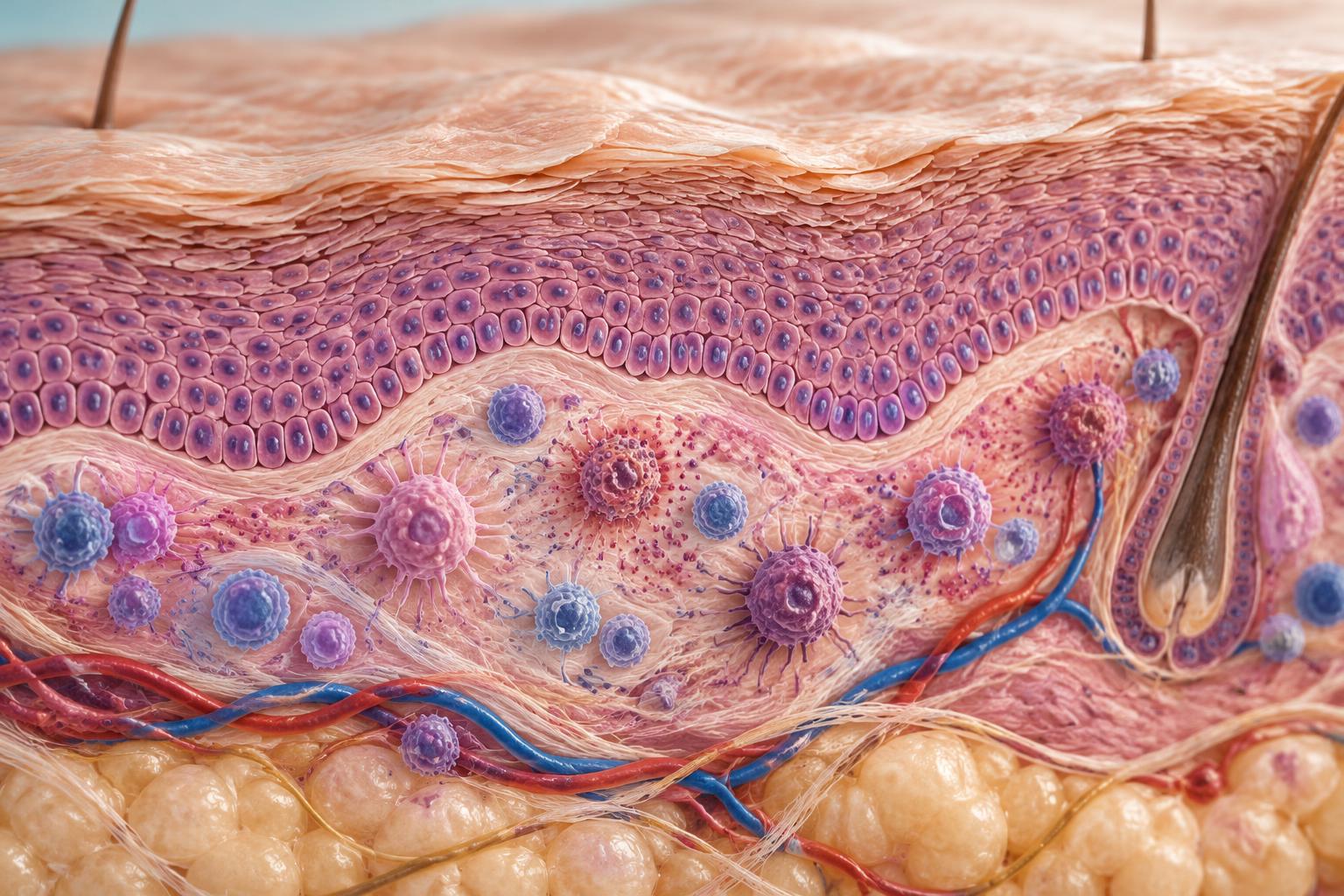
The trial focuses on patients with moderate-to-severe atopic dermatitis, including those with subacute and chronic symptoms. This group represents a significant medical need for new alternatives in skin restoration and immune modulation. Moving to Phase 3 reflects EHL BIO's confidence in its cell culturing technologies developed over more than a decade of research.
Proven Efficacy from Phase 2 Results
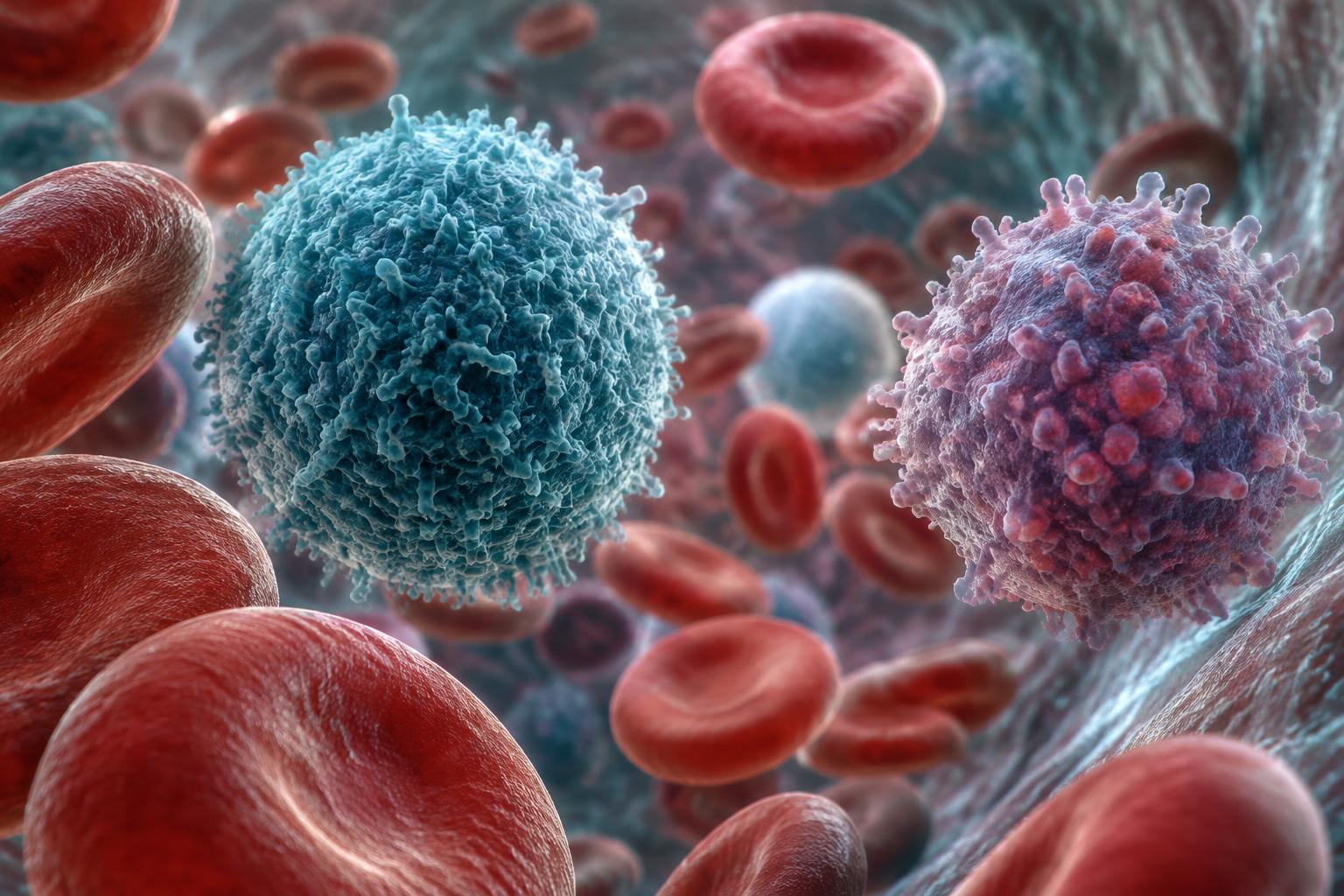
The confidence in entering Phase 3 stems from successful Phase 2 results, published in the international journal 'Stem Cell Research & Therapy'. Conducted in collaboration with leading university hospitals involving 114 subjects, the data showed that the ADSTEM group experienced a significant reduction in EASI scores compared to the control group.
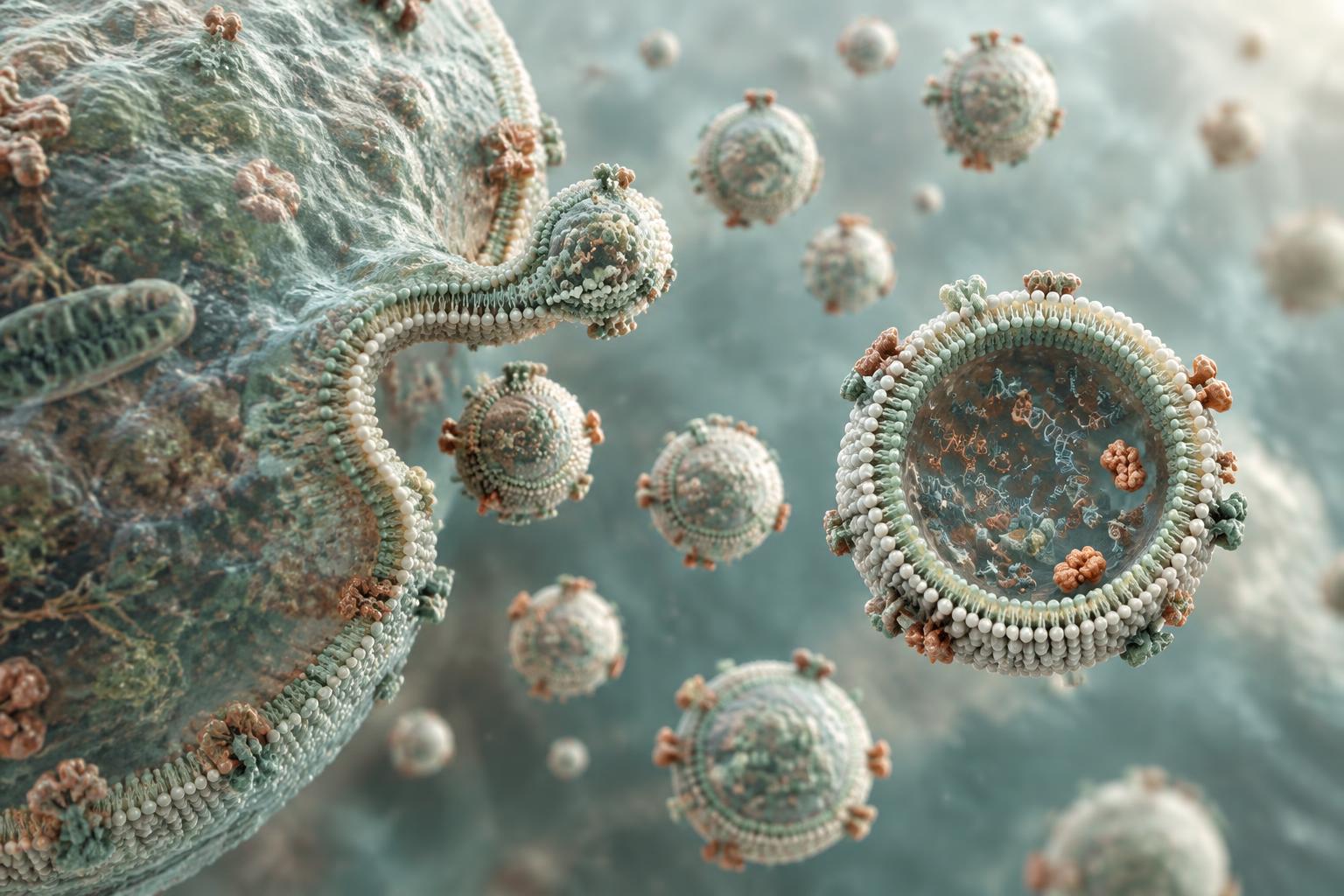
Beyond reducing inflammation and itching, autologous adipose-derived stem cells play a crucial role in restoring the skin barrier, a primary factor in atopic dermatitis. Safety data confirmed that the therapy is well-tolerated, paving the way for large-scale Phase 3 trials under rigorous global standards.
The Phase 3 IND approval for ADSTEM is a testament to the advanced regenerative medicine innovations we strive to develop for enhancing human quality of life.
Innovative Production under GMP Standards
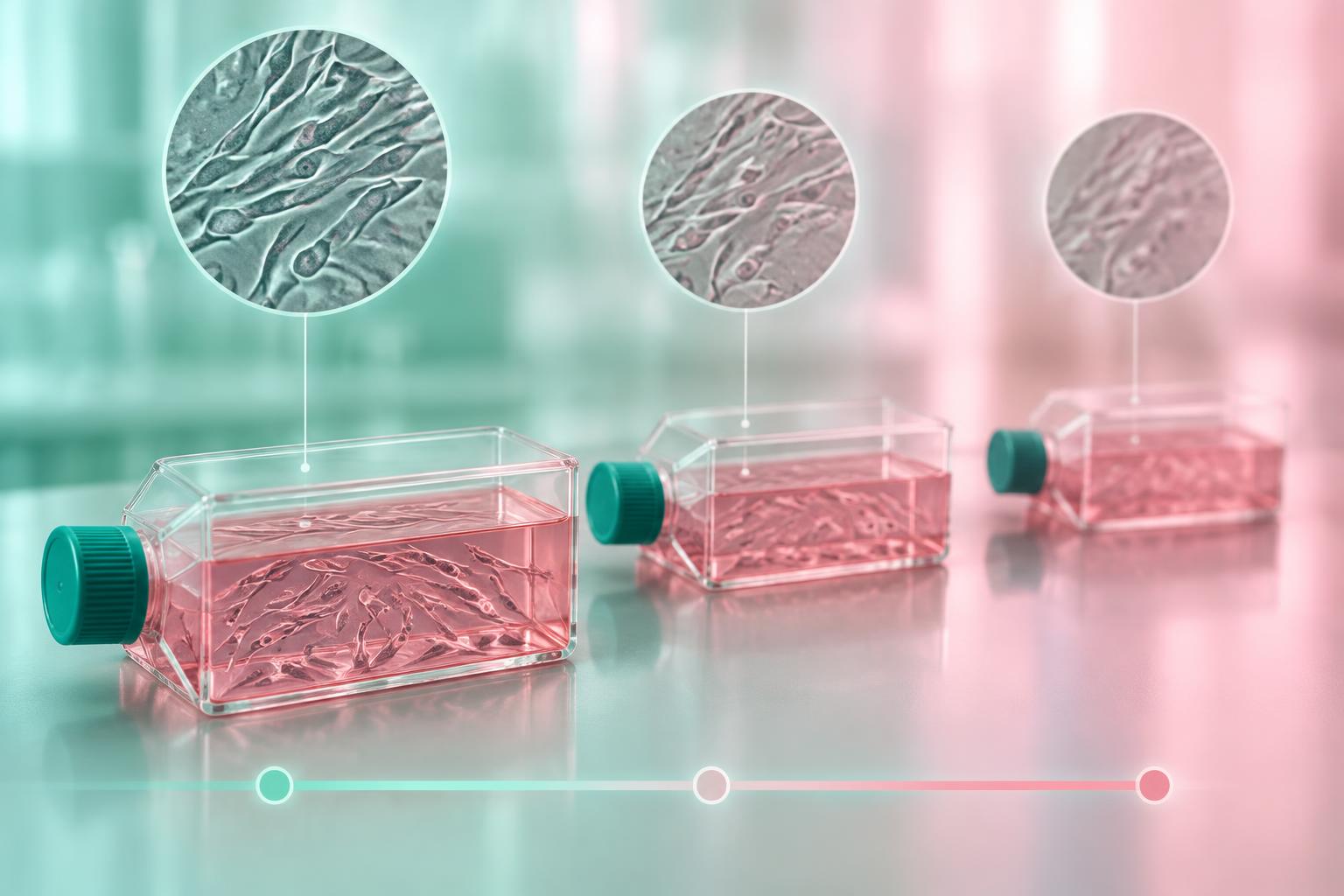
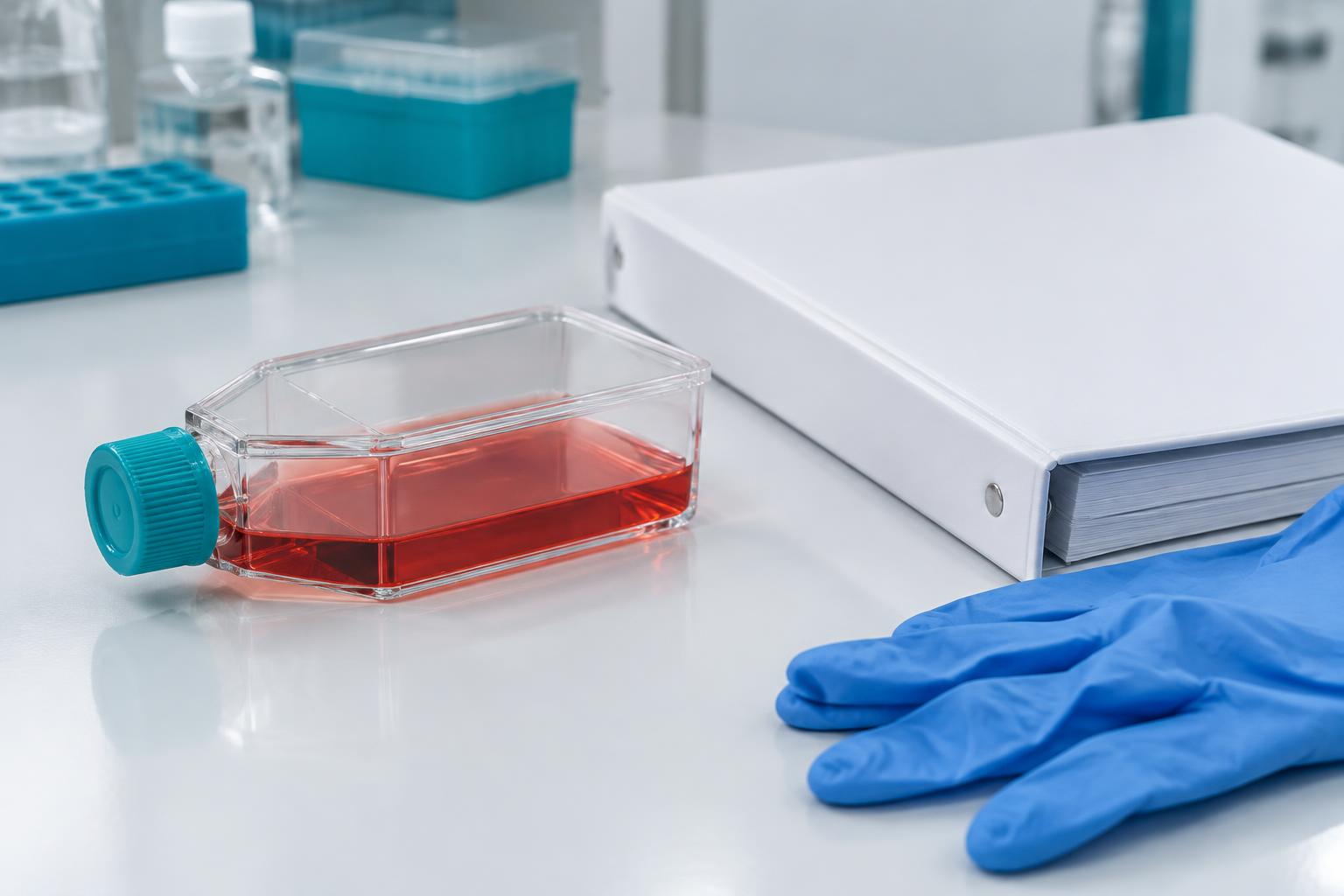
The production of ADSTEM is carried out within EHL BIO’s GMP-certified Cell Processing Center (CPC). Featuring Class 100 cleanroom facilities, the center utilizes proprietary technology to isolate and culture autologous adipose-derived stem cells for 4 weeks, ensuring high purity and excellent cell viability before clinical application.
With a production capacity of up to 6,000 lots per year and being the first in Korea to be licensed as a 'Human Cell Management Business,' EHL BIO maintains consistent quality control. This consistency is vital for large-scale clinical research and builds trust among medical professionals and patients worldwide.

Strict Safety and Regulatory Oversight
EHL BIO operates under the 'Advanced Regenerative Bio Act' of the Republic of Korea, strictly regulated by the Ministry of Health and Welfare and the MFDS. This ensures that cell storage, processing, and research are transparent and safe.
For future treatments, patients undergo assessment by EHL’s expert medical team, following standard procedures from physical examination and fat collection to post-treatment follow-up. A dedicated Thai coordination team assists throughout every step to facilitate international visits to the EHL Cell Center in Apgujeong, Seoul.
Frequently asked questions
When does ADSTEM Phase 3 begin?
Following IND approval by the MFDS, the next step involves review by the Institutional Review Board (IRB) of each clinical site before starting patient recruitment.
Why use autologous adipose-derived stem cells?
Using autologous cells minimizes the risk of immune rejection, ensuring high safety. Adipose tissue provides an accessible source of stem cells with excellent regenerative potential.
How does EHL BIO control quality in research?
We apply international GMP standards at our licensed Cell Processing Center (CPC), the first of its kind in Korea, with rigorous quality testing before any clinical application.
Related conditions
Based on EHL BIO information: EHL BIO · EHL BIO · EHL BIO · EHL BIO. Each care plan follows an individual EHL assessment.