Quick answer
IND (Investigational New Drug) is a regulatory filing submitted to authorities like the Korean MFDS to initiate human clinical trials after passing rigorous preclinical safety tests. For EHL BIO, products such as ADSTEM and KDSTEM have undergone this process to aim for recovery goals and improved quality of life.
Key takeaways
- IND ensures safety before commencing human clinical trials.
- Requires stringent review by the Korean Ministry of Food and Drug Safety (MFDS).
- EHL BIO's ADSTEM has received IND approval to proceed to Phase 3 trials for atopic dermatitis.
- KDSTEM for chronic kidney disease has passed IND approval and started Phase 1 trials.
The Definition and Importance of IND
In the development of regenerative medicine and cell therapy, IND (Investigational New Drug) is a vital process where biotechnology companies submit applications to government agencies, such as the Korean Ministry of Food and Drug Safety (MFDS). This filing seeks permission to administer an investigational product to humans in a clinical trial setting.
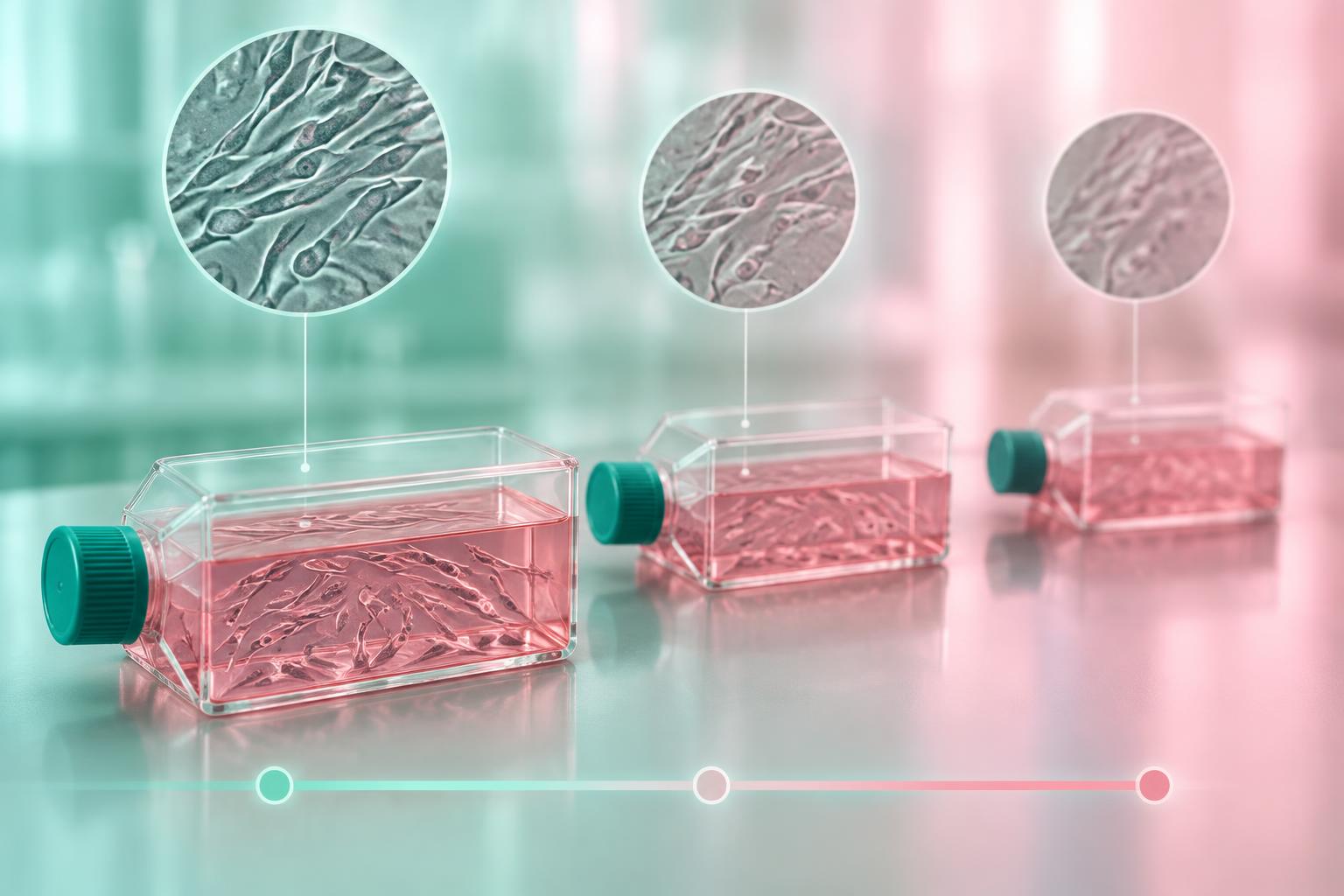
This process acts as a safety guideline, confirming that the product is supported by sufficient pre-clinical research data regarding efficacy and body care. For EHL BIO, obtaining IND approval is a hallmark that our cell isolation and cultivation technologies meet high standards required for real-world clinical evaluation, aiming for recovery goals and enhanced quality of life for patients based on EHL team assessments.
ADSTEM’s Progression to Phase 3 Clinical Trials
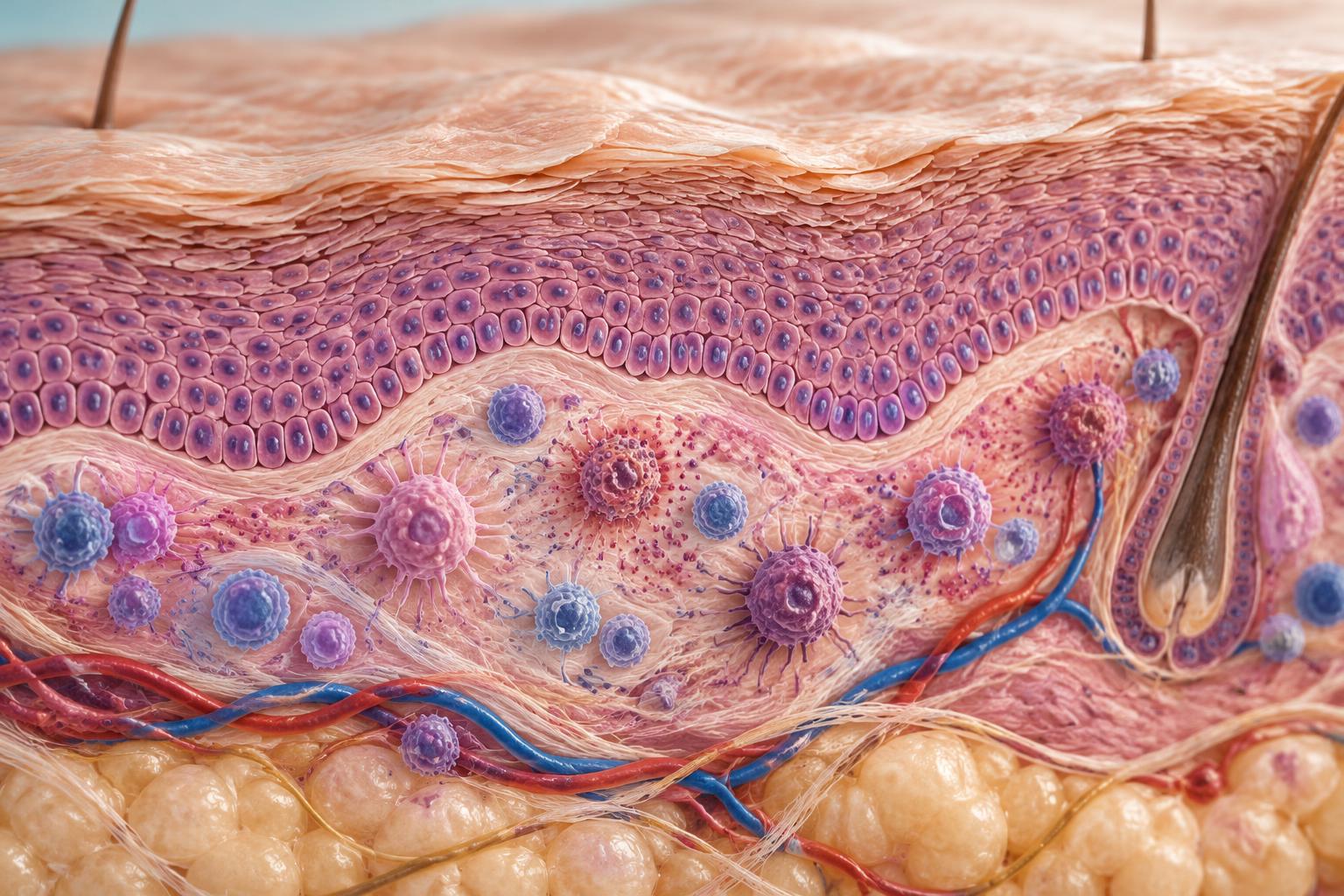
A notable achievement for EHL BIO is ADSTEM, an autologous adipose-derived mesenchymal stem cell product that has received IND approval to enter Phase 3 clinical trials. This phase involves a large-scale, multicenter, placebo-controlled study to scientifically validate efficacy and safety based on EHL team assessments.
Prior to this, ADSTEM completed Phase 2 trials, showing positive results in reducing disease severity (EASI score), alleviating itching, and restoring the skin barrier in patients with atopic dermatitis. Securing IND approval for Phase 3 marks a significant transition from medical development to a potentially widely recognized treatment standard.
IND approval is the gateway that proves EHL BIO’s safety and scientific standards as we advance toward international regenerative medicine recovery goals.
KDSTEM and Innovations in Chronic Kidney Conditions
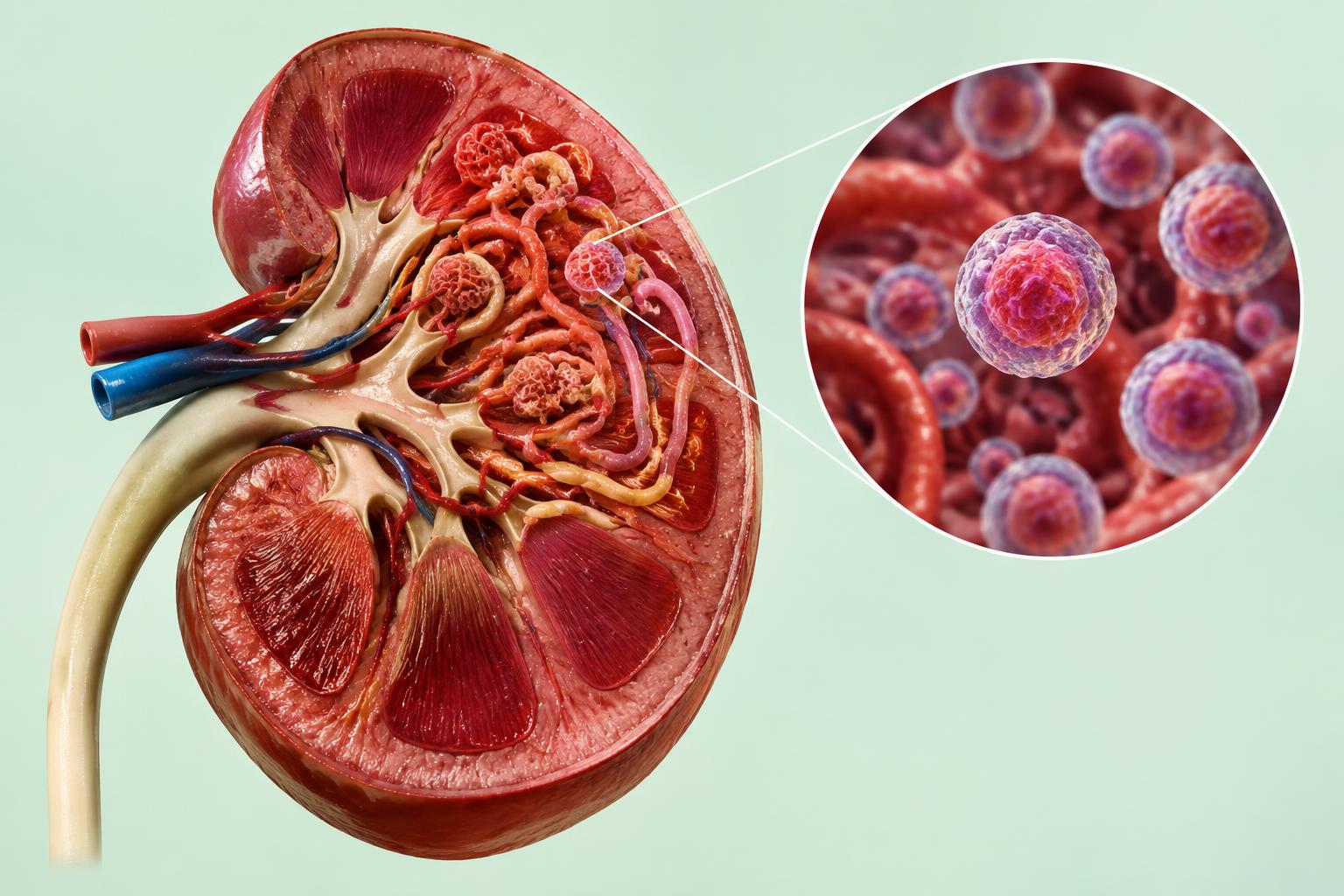
EHL BIO also secured IND approval for KDSTEM Inj., an autologous urine-derived stem cell (UDSC) product for Phase 1 clinical trials in patients with chronic kidney conditions. This technology earned the 'IR52 Jang Young-shil' award and recognition from the Ministry of Health and Welfare of Korea. Using cells of renal origin has shown the ability to secrete Klotho protein, which possesses antioxidant properties and supports renal flexibility.
IND approval in this context is crucial as chronic kidney conditions require close care. These approved clinical trials represent a new hope in using regenerative medicine for recovery goals and supporting long-term patient quality of life based on EHL team assessments.

GMP Standards and Safety under Korean Regulations
Submitting and receiving IND approval depends not only on research data but also on reliable manufacturing processes. EHL BIO operates a GMP-certified (Good Manufacturing Practices) cell center and was the first in Korea to obtain a 'Human Cell Management Business' license under the Advanced Regenerative Bio Act.
We utilize Class 100 clean rooms and cell storage at -196°C to maintain superior cell quality before use in approved clinical trials. These standards underpin our IND approvals by government agencies, ensuring patients that every step—from collection and cultivation to service—complies with legal regulations and highest safety protocols based on EHL team assessments.
Frequently asked questions
What are the recovery goals if a product receives IND approval?
IND approval means the product is safe and has sufficient evidence to begin human trials to evaluate actual recovery goals and quality of life. Individual results depend on assessments by the EHL medical team.
Why are there multiple phases of clinical trials?
Each phase has a different purpose: Phase 1 focuses on safety, Phase 2 on preliminary efficacy, and Phase 3 on larger populations to confirm results and compare against existing standards based on EHL team assessments.
Which EHL BIO products have received IND approval?
Key products with IND approval in Korea currently include ADSTEM for atopic dermatitis and KDSTEM for chronic kidney conditions.
Related conditions
Based on EHL BIO information: EHL BIO · EHL BIO · EHL BIO · EHL BIO. Each care plan follows an individual EHL assessment.