Quick answer
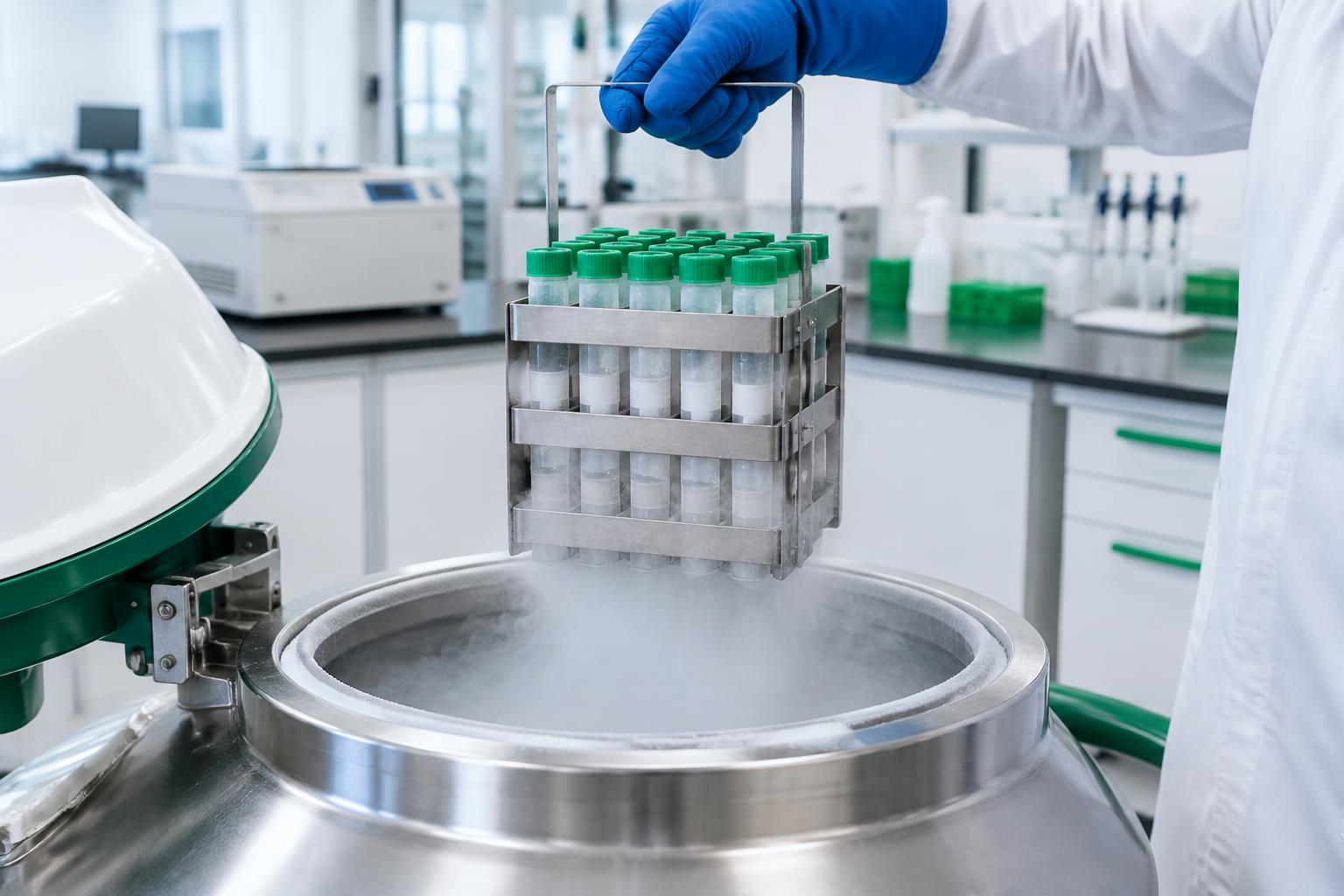
Proper cell cryopreservation and thawing must be performed under GMP standards using liquid nitrogen at -196°C to maintain long-term cell integrity. This professional process ensures high cell viability and functional recovery for future therapeutic applications.
Key takeaways
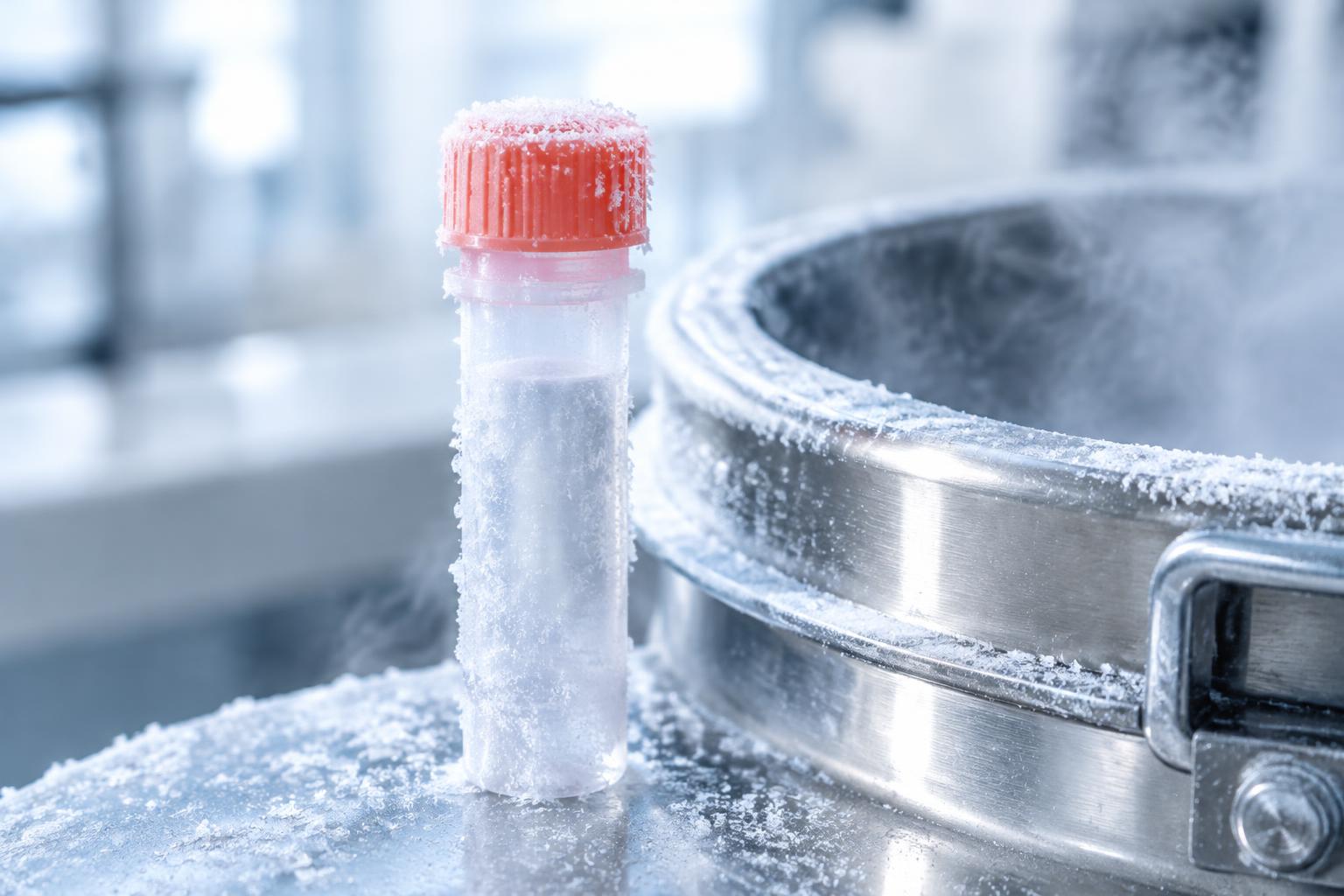
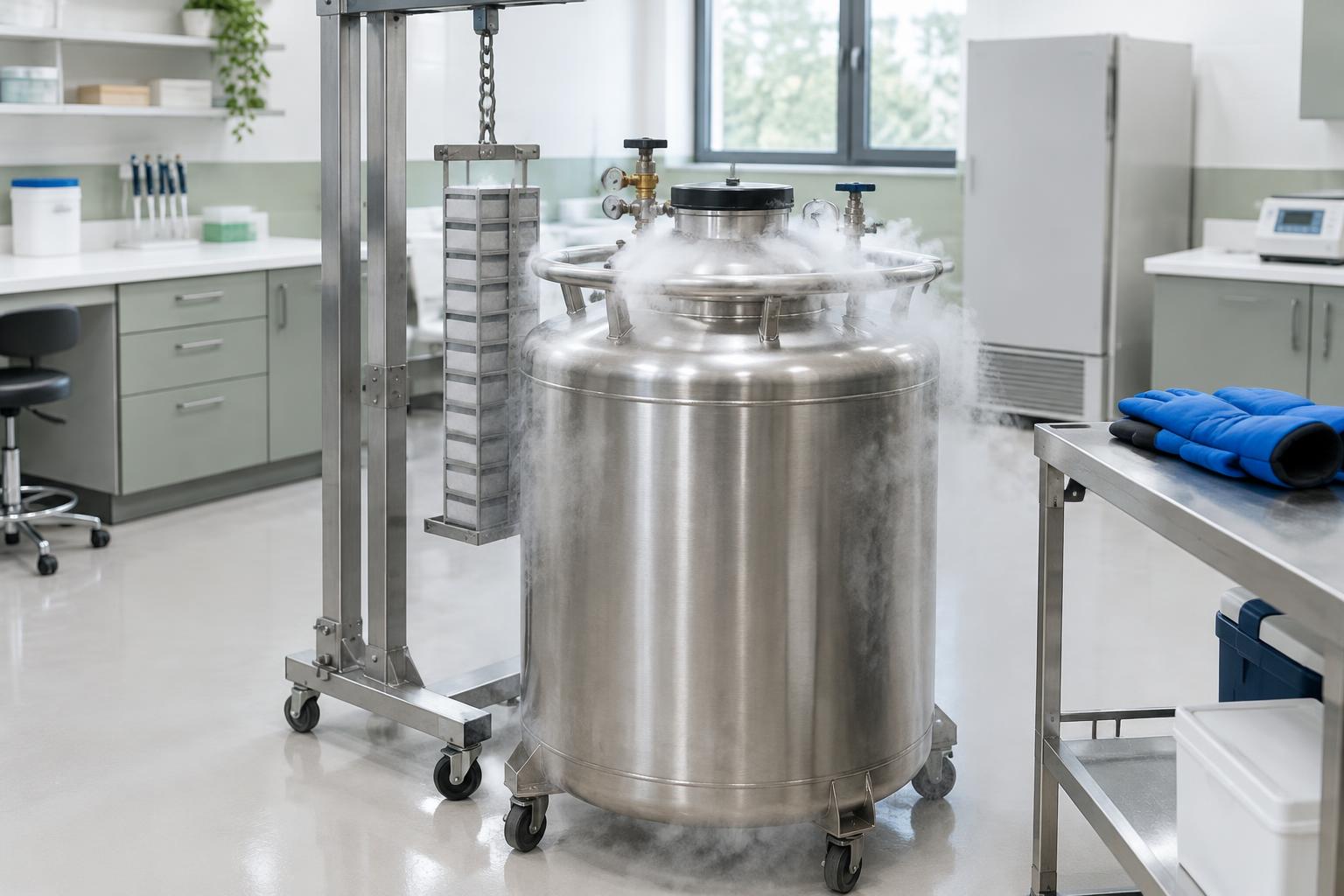
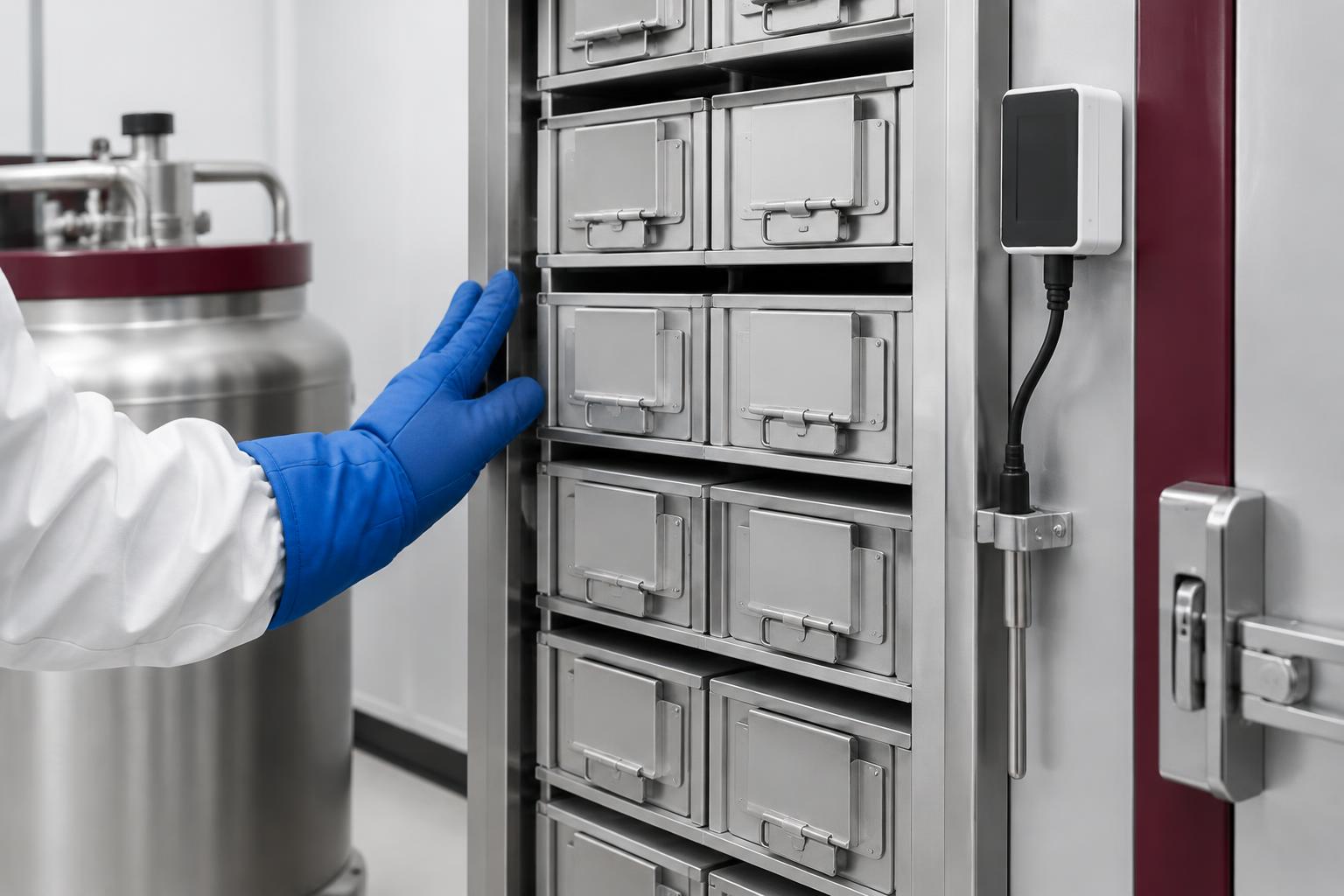
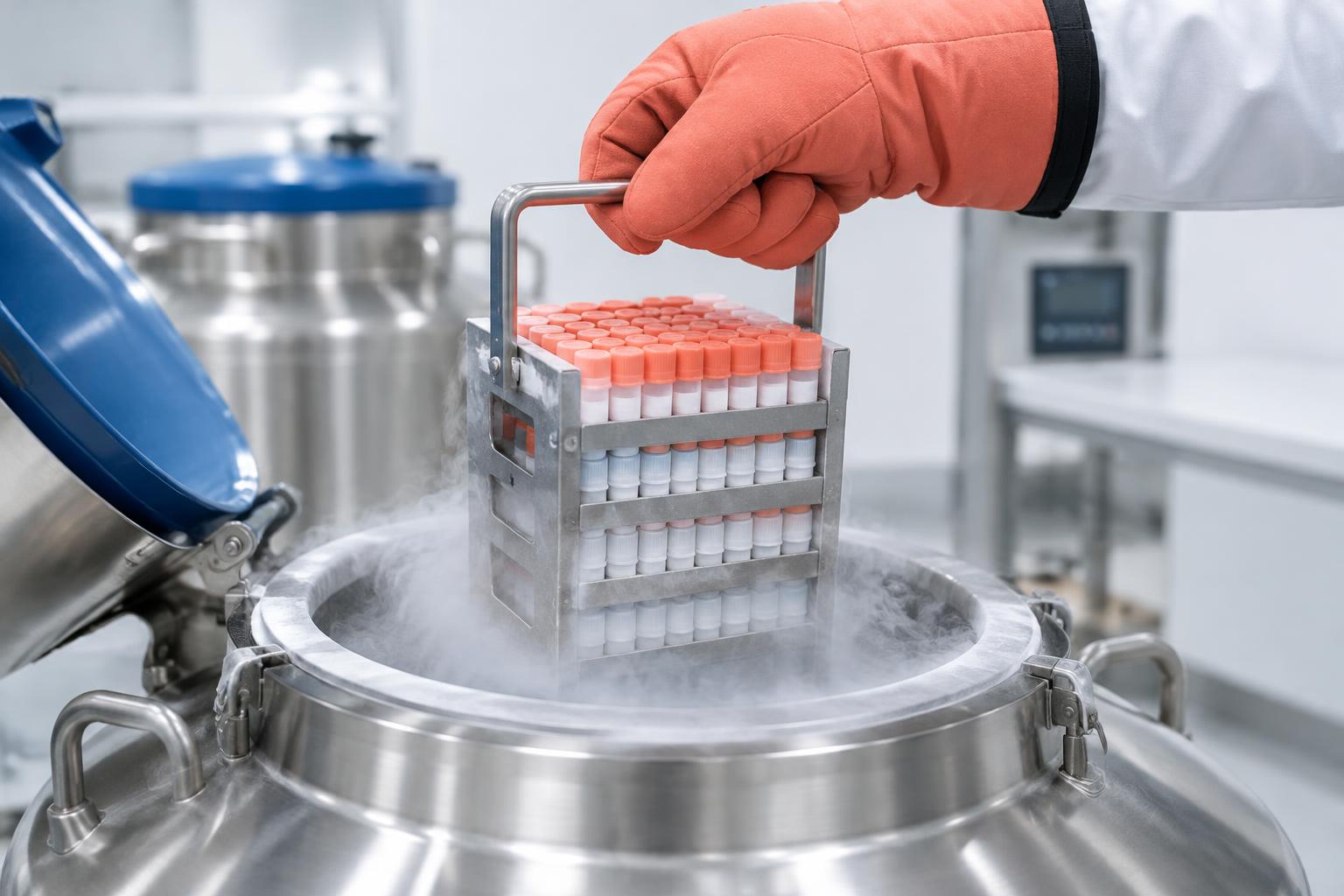
- Cryogenic storage in liquid nitrogen tanks at a constant temperature of -196°C.
- Highest production and cultivation standards in Class 100 GMP facilities.
- Proprietary technology ensuring excellent cell viability rates after thawing.
- Entire process monitored by a dedicated team of over 85 researchers.
Innovative Cell Banking for the Future
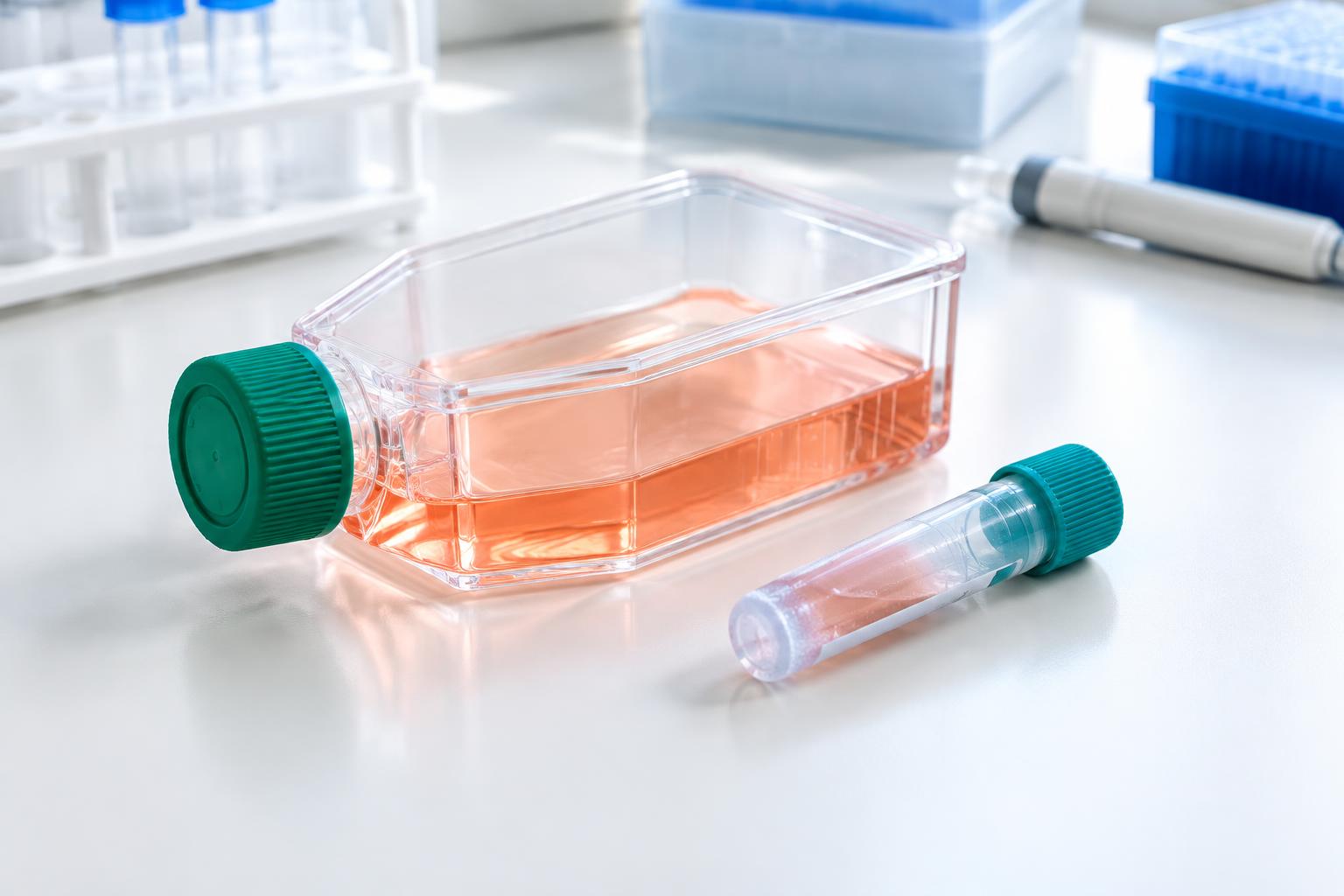
EHL BIO focuses on advancing regenerative medicine through systematic management of stem and immune cells. Cell Cryopreservation is the cornerstone of maintaining cell quality, effectively 'freezing' the biological age of cells at the time of collection. Our stable isolation and cultivation technologies yield up to 1,000 times more cells than conventional methods.
Our cryopreservation process utilizes standard equipment and integrated storage systems, supporting a production capacity of 6,000 lots per year. This ensures that stored cells remain ready for future restorative applications, aiming for recovery and enhanced quality of life, whether for age-related degenerative conditions or long-term health enhancement according to EHL team assessments.
Class 100 and GMP Safety Standards
Safety is our paramount priority. EHL BIO’s GMP (Good Manufacturing Practices) facility is equipped with Class 100 cleanroom environments, maintaining strict cleanliness through AHU systems and high-efficiency HEPA filters.
During the preparation for cryopreservation, we utilize advanced centrifuges and inverted microscopes to verify cell integrity before they enter liquid nitrogen storage. Being the first in Korea to receive a Human Cell Management Business license underscores our transparent and reliable quality control standards at every stage—from collection and inspection to the processing of cell therapeutics.
Storing cells at -196°C under GMP standards is our commitment to your future health and well-being.
Cryogenic Storage Technology at -196°C
Effective cell cryopreservation requires temperatures low enough to halt biochemical activities without damaging internal structures. EHL BIO utilizes liquid nitrogen storage at -196°C, the standard for preserving the quality of adipose-derived stem cells and immune cells.
With a research team of over 85 specialists monitoring the process, we emphasize precise cooling rates to prevent intracellular ice crystal formation. This technology allows clients to preserve healthy, potent cells for many years, awaiting their use whenever the body requires regeneration according to expert recovery plans.

Cell Thawing and Superior Viability Rates
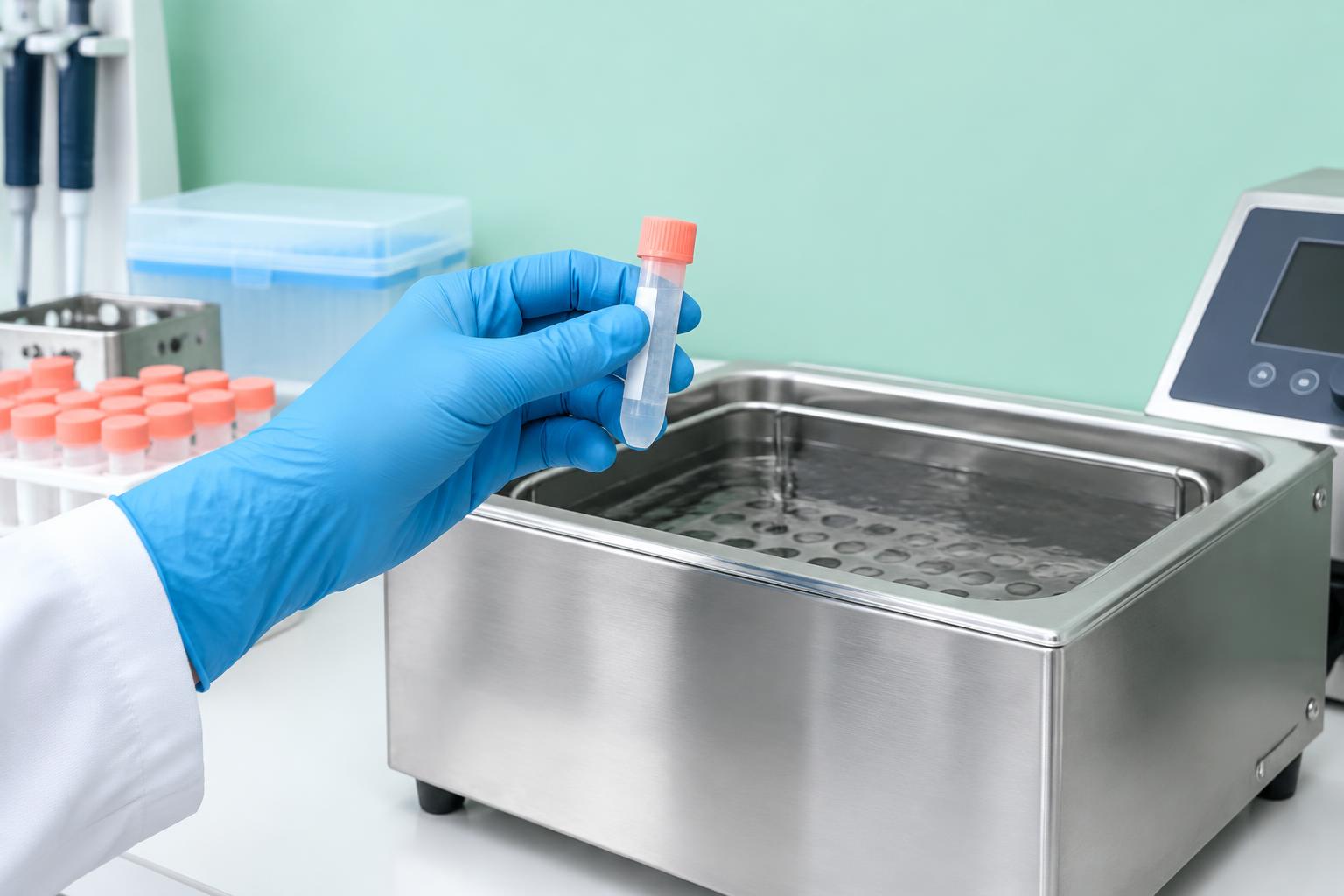
The thawing process is as critical as freezing, as rapid temperature changes can impact cell survival. EHL BIO’s proprietary technology ensures exceptionally high post-thaw cell viability, leaving cells ready to perform their 'Homing Effect'—identifying and managing damaged tissues within the body immediately.
Our Keycell-IM innovation is a prime example of efficient cell management, where a single blood collection can be utilized for 6-12 restoration sessions through high-precision freezing and thawing techniques, aiming for recovery and enhanced quality of life for clients.
Frequently asked questions
How long can cryopreserved cells be stored?
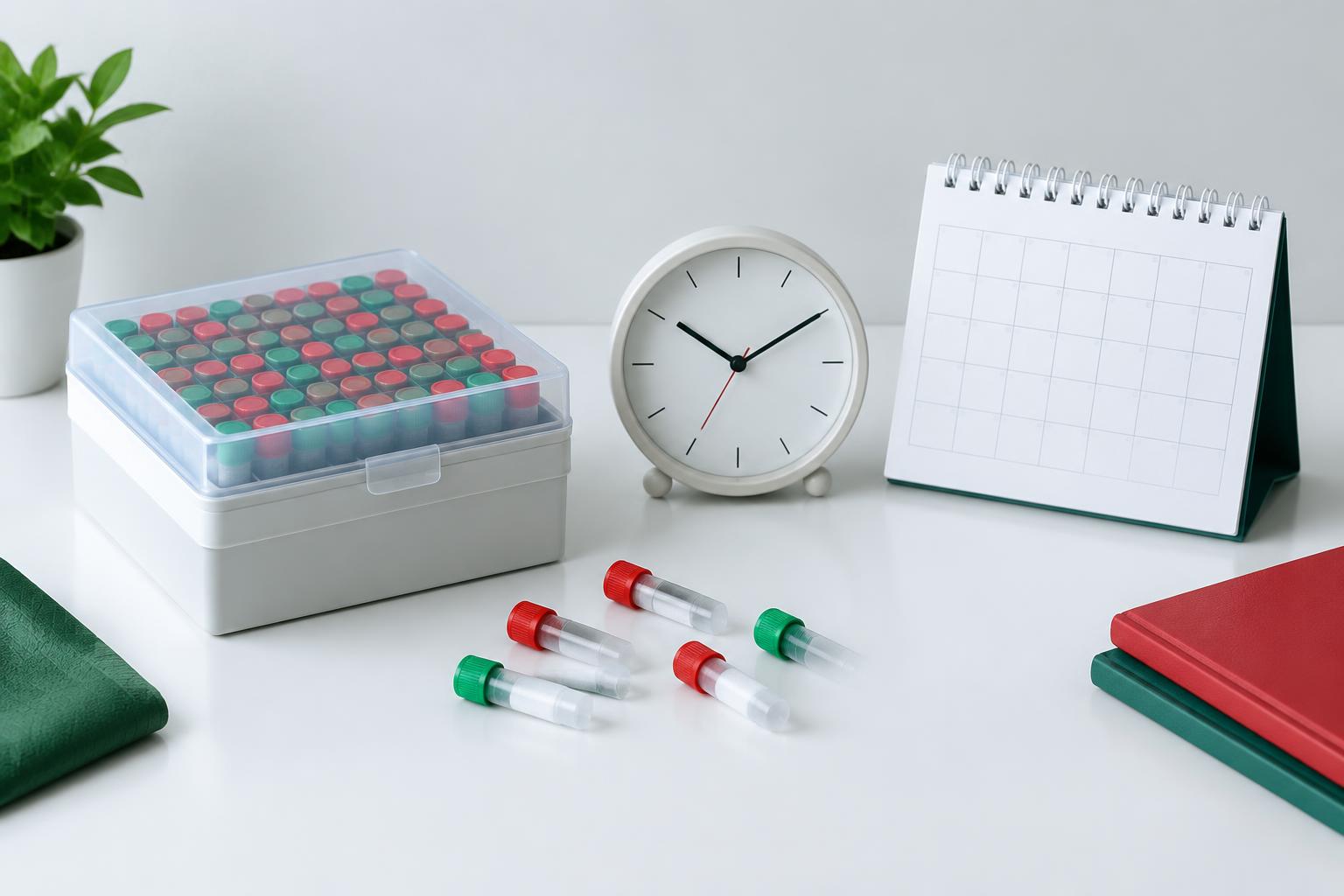
Storage in liquid nitrogen at -196°C can preserve cell quality for decades, maintaining their ability to proliferate and effectively regenerate the body.
Why is post-thaw cell viability important?
A high viability rate means the cells are active and capable of repairing the body effectively as assessed by the team. EHL BIO’s technology is designed to maximize this biological integrity.
What are the recovery goals for cell banking at EHL BIO?
We are GMP-certified and the first in Korea to receive CPC authorization, focusing on safe and international-standard technology to achieve recovery goals and improved quality of life for clients.
Related conditions
Based on EHL BIO information: EHL BIO · EHL BIO · EHL BIO · EHL BIO. Each care plan follows an individual EHL assessment.