Quick answer
Conditions suitable for assessment by EHL BIO medical teams include degenerative diseases such as osteoarthritis or Alzheimer's, and immune system disorders like atopic dermatitis. The focus is on enhancing quality of life (Aging Well) and repairing damaged tissues through the Homing Effect of stem cells.
Key takeaways
- Focuses on age-related degenerative diseases and neurological disorders requiring restoration.
- Covers autoimmune diseases and chronic inflammation that are difficult to manage.
- Evaluated based on the cells' ability to differentiate into specific tissues (Multipotential).
- Personalized treatment plans depend on medical assessment by the EHL BIO team.
Understanding the Scope of Stem Cell Therapy
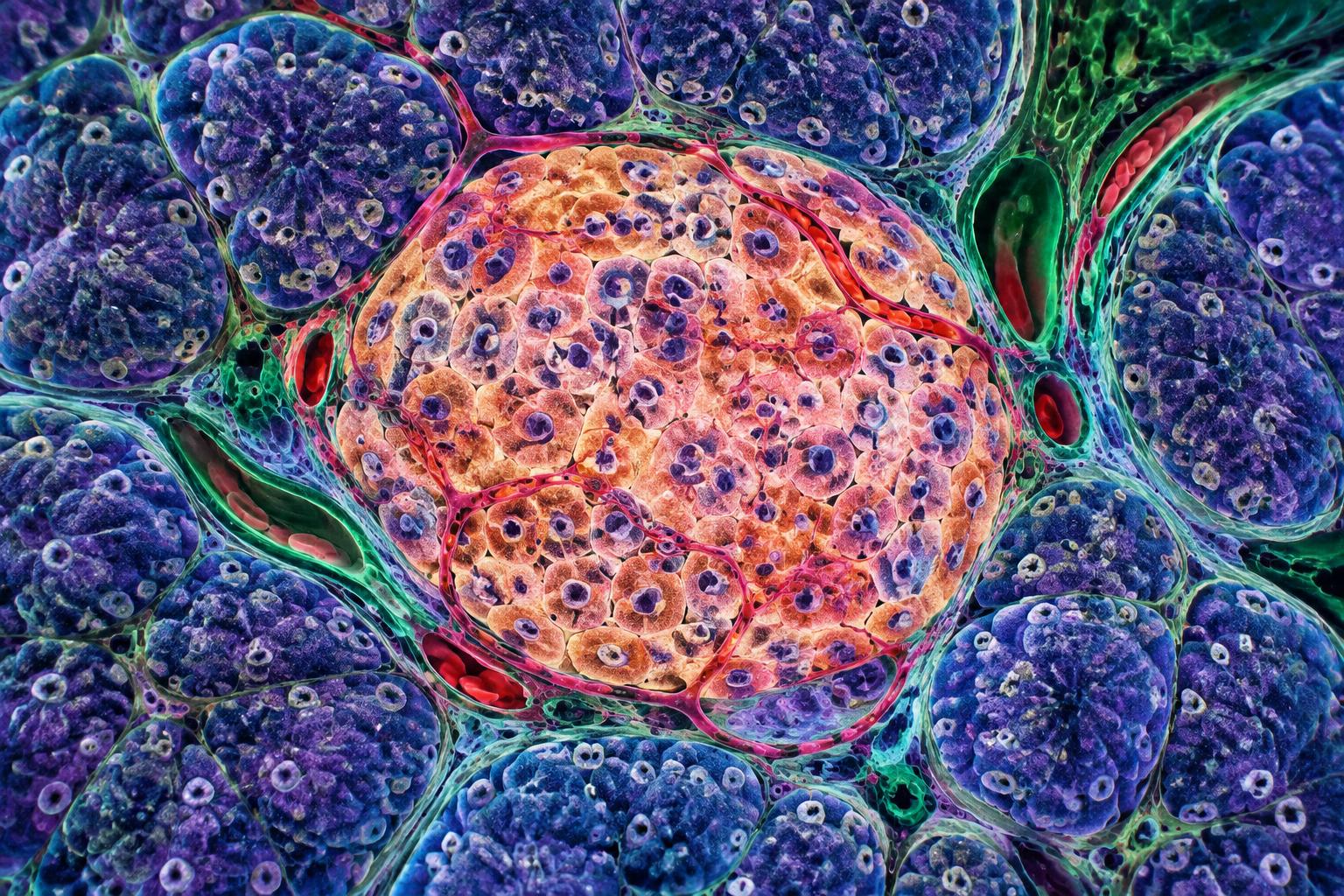
Selecting a disease or health condition for assessment with EHL BIO begins with understanding the fundamental properties of stem cells. These are undifferentiated cells capable of self-renewal and differentiation (Multipotential) into various tissues such as cartilage, muscle, or nerves.
EHL BIO’s regenerative medicine innovations focus on leveraging the Homing Effect, the natural ability of cells to identify and migrate to damaged areas within the body for repair. Therefore, suitable conditions for assessment typically involve clear tissue damage or states requiring functional stimulation of internal organs to achieve long-term quality of life goals, known as Aging Well.
Suitable Degenerative and Neurological Conditions
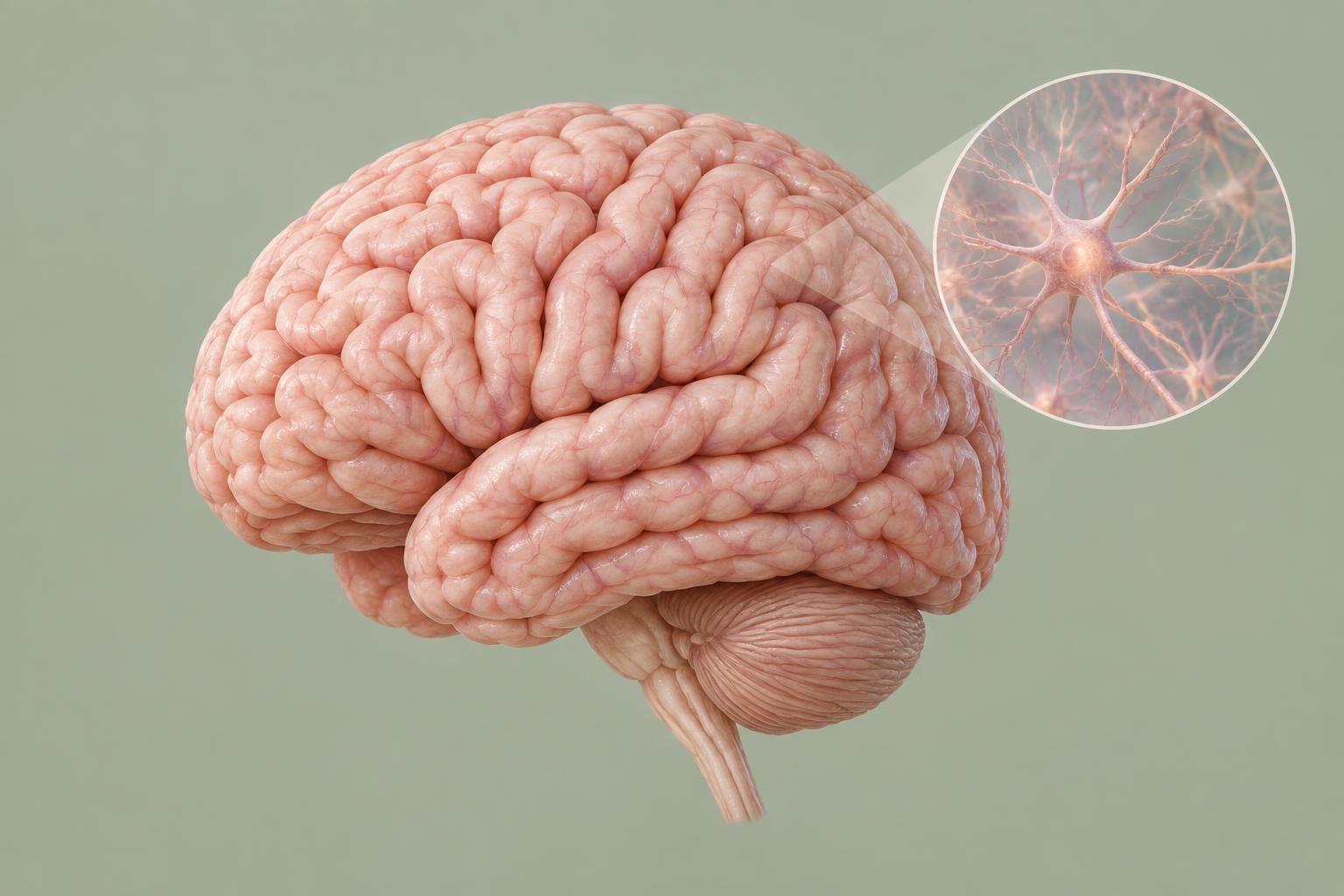
Neurological and brain disorders are key focal points of EHL BIO’s research. For instance, Alzheimer's disease, caused by amyloid plaque accumulation affecting memory, is a condition where current research suggests stem cells may help reduce these plaques and inhibit disease progression. This also includes Parkinson’s and various forms of dementia.
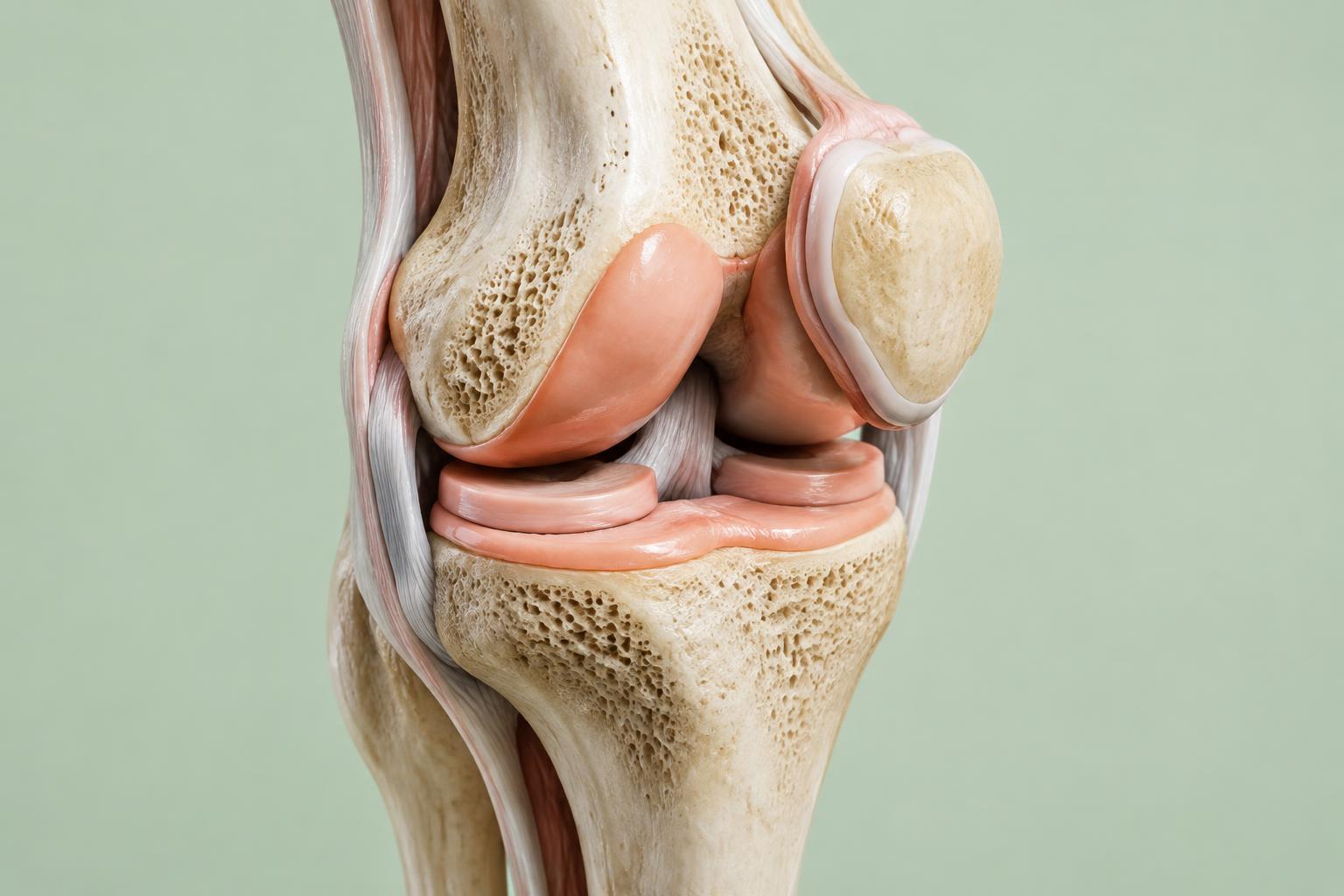
Regarding the musculoskeletal system, Osteoarthritis is recognized for treatment using autologous Adipose-derived stem cells to restore cartilage tissue and reduce inflammation without major surgery. EHL BIO utilizes GMP-certified facilities to culture high-yield, stable-quality cells, ensuring targeted restoration based on EHL BIO team assessments.
EHL BIO's goal is to utilize stem cell technology to address challenging diseases and create a future of Aging Well for everyone.
Managing Autoimmune and Chronic Diseases
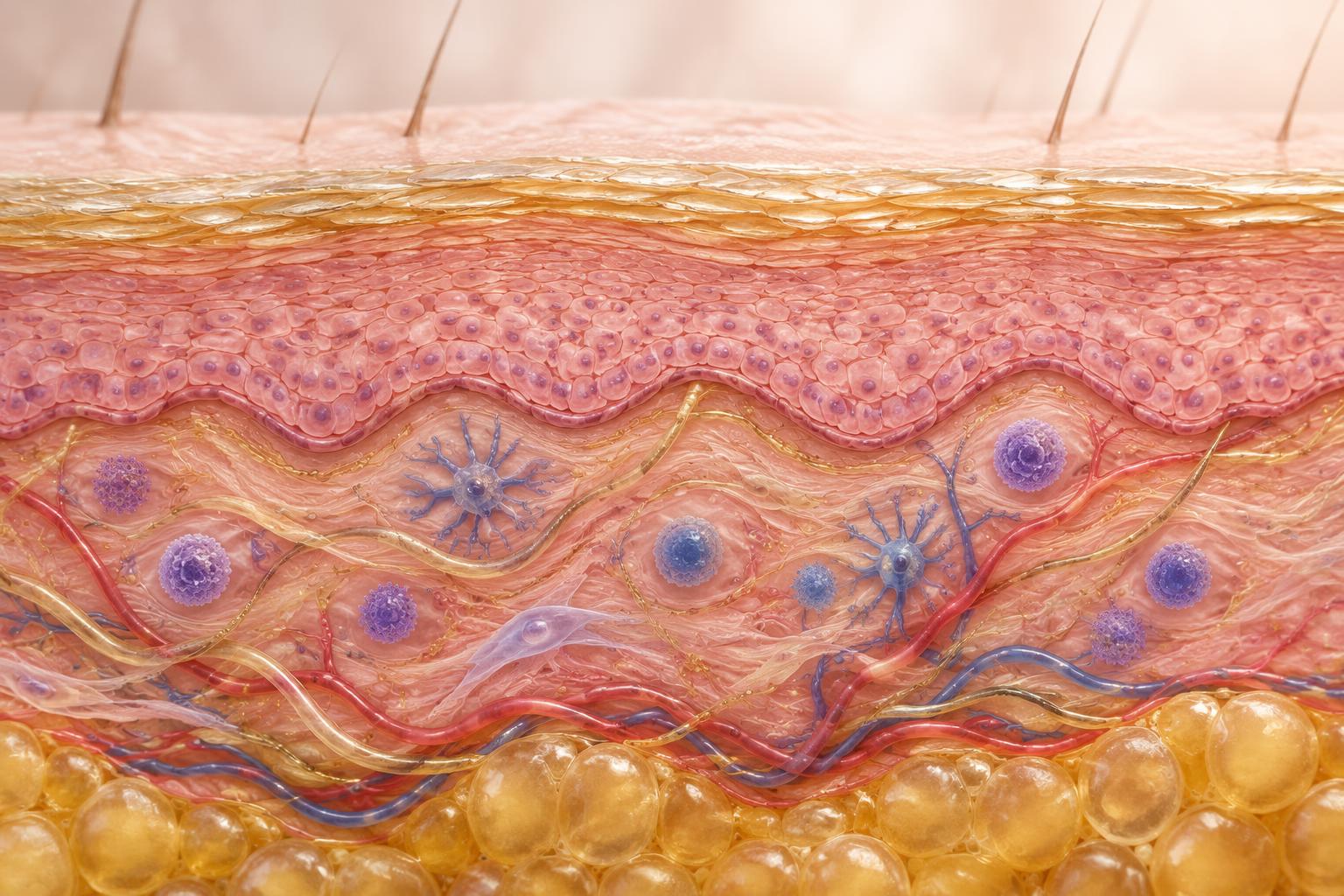
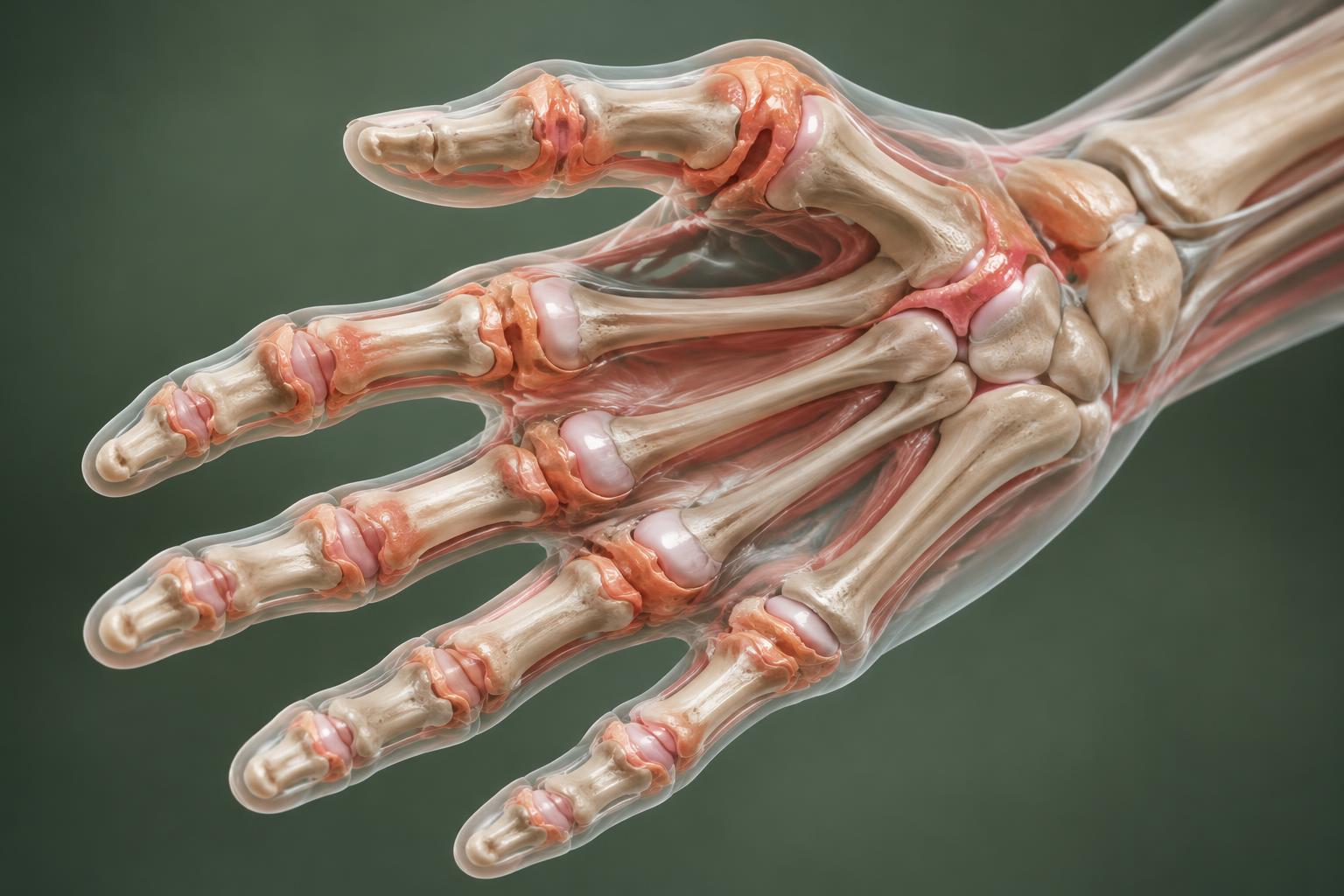
Immune system imbalance is a root cause of many diseases, such as Atopic Dermatitis and autoimmune disorders like Rheumatoid Arthritis. Stem cells play a vital role in immunomodulation by enhancing weakened immunity or suppressing overactive responses that harm the body.
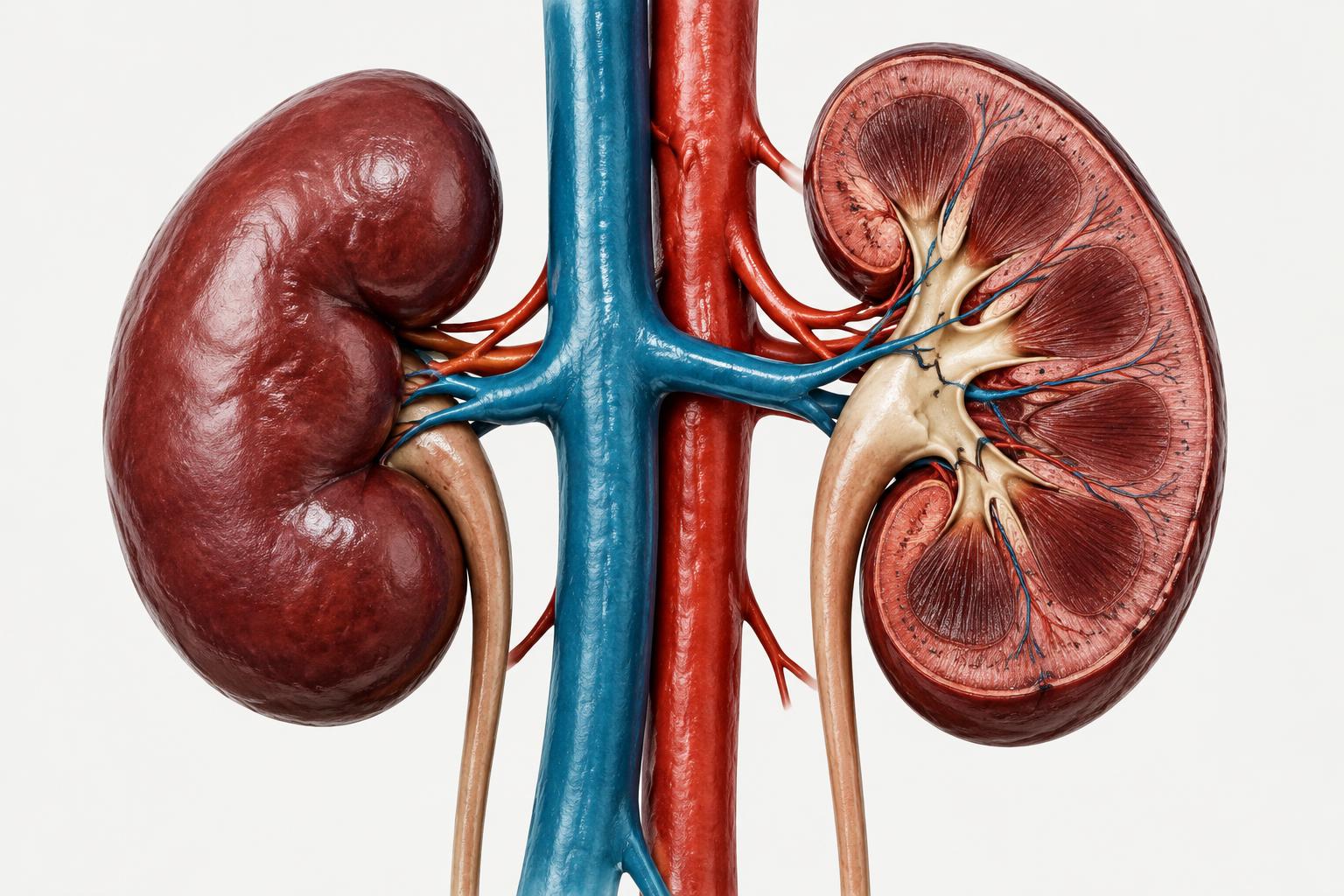
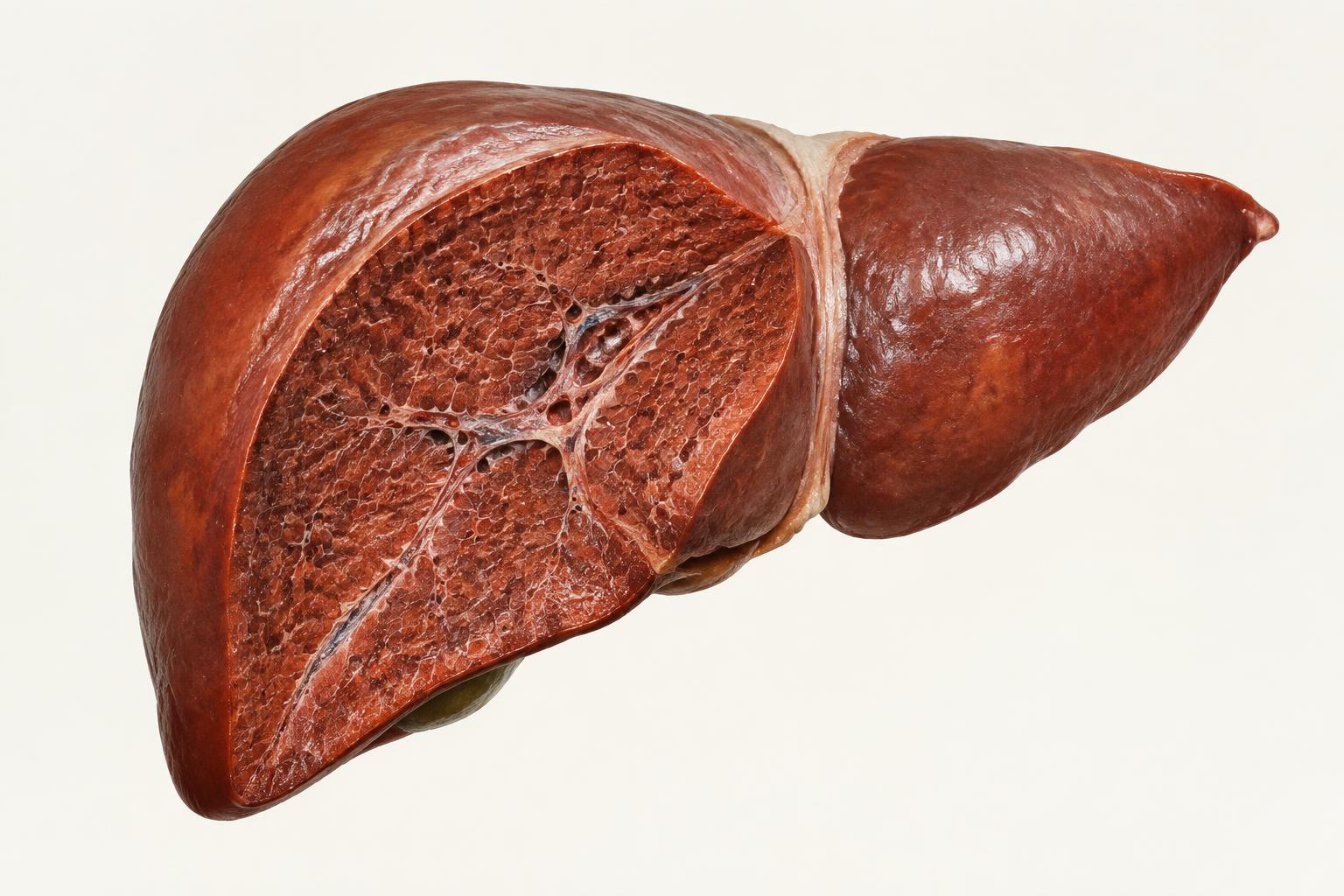
Additionally, EHL BIO prioritizes internal organ diseases such as liver cirrhosis and chronic kidney disease. Specifically, KDSTEM—developed from urine-derived stem cells—is in advanced medical development to inhibit chronic inflammation and fibrosis in kidney tissue. Individuals with these conditions can submit their history for an initial assessment to determine readiness, with restoration plans tailored to individual needs.

Assessment Process and Safety Standards at EHL BIO
To ensure effective restoration, EHL BIO operates under South Korea’s Advanced Regenerative Bio Act. The assessment involves a 6-step process, starting with consultation via EHL Thailand, supported by a Thai coordination team. Subsequently, medical teams review clinical documents to plan the travel itinerary.
Upon arrival at the EHL Cell Clinic in Apgujeong, patients undergo physical exams and cell harvesting for cultivation in Class 100 GMP-certified labs, capable of 6,000 lots annually. Using autologous cells minimizes immune rejection risks, ensuring safety. Continuous follow-ups are conducted after patients return to Thailand to ensure quality of life goals are met.
Frequently asked questions
Is there an initial cost for condition assessment?
Interested individuals can submit initial information for consultation with the EHL Thailand team at no initial cost, allowing doctors to evaluate feasibility before planning travel.
What is the goal of stem cell restoration?
The primary goal is to restore degenerated tissues and balance the body for better quality of life based on EHL BIO team assessments. Individual plans depend on expert medical analysis for each person.
What documents are required for assessment?
Generally, you should prepare recent medical records, blood test results, or X-ray/MRI scans related to your condition to allow the medical team to accurately analyze tissue degeneration.
Related conditions
Based on EHL BIO information: EHL BIO · EHL BIO · EHL BIO · EHL BIO. Each care plan follows an individual EHL assessment.