Quick answer
Cell banking is suitable for individuals seeking preventive healthcare, especially those addressing age-related degenerative diseases such as Alzheimer's, osteoarthritis, or diabetes. It is also ideal for those wanting to maintain strong immunity for future cancer therapies or prevention. Banking cells while healthy ensures high-quality and sufficient quantities for therapeutic use.
Key takeaways
- Individuals prioritizing anti-aging and quality of life (Aging Well).
- Those with a family history or risk of degenerative and neurological diseases.
- Individuals preparing their immune system to combat potential cancer.
- People seeking autologous treatment options for safety according to EHL team assessment.
Preparing for Sustainable Healthy Aging
In the modern era, medical advancements focus on long life coupled with high quality living (Aging Well). Stem cell banking is an ideal choice for those wishing to restore their bodies from age-related decline. Stem cells possess the unique ability to differentiate into specialized tissues like cartilage, muscle, or nerves to repair damage via the 'Homing Effect.'
At EHL BIO, we specialize in isolating and culture autologous Adipose-derived Stem Cells, which are easily accessible and abundant. Our technology yields high cell production, ensuring that individuals planning their health from middle age have powerful biological resources for future restoration.
Those at Risk of Degenerative and Genetic Diseases
Cell banking is highly suitable for individuals with a risk or family history of hard-to-treat conditions such as Alzheimer’s, Parkinson’s, chronic kidney disease, or osteoarthritis. Stem cells offer potential as a restorative alternative for these illnesses, particularly in neurological diseases where amyloid plaque accumulation affects memory; current research suggests stem cells may assist in these processes.
Furthermore, for diabetic patients or those with complications like chronic foot ulcers, pre-banking stem cells provides therapeutic options to heal wounds and restore damaged tissue, reducing risk factors and improving quality of life. Thus, cell banking serves as a form of biological health insurance for the future.
Cell banking is an investment in your most valuable biological resource for restoration goals and a better future quality of life.
Strengthening Immune Barriers for Cancer Therapy
The immune system is the primary mechanism protecting the body from foreign invaders and degraded cells. Immune Cell Therapeutics is suitable for those wanting to prepare for long-term cancer management, particularly as a complementary treatment option and to prevent recurrence.
EHL BIO's technology allows a single blood collection via Apheresis to produce high volumes of immune cells such as NK cells and T cells, sufficient for multiple treatments. Banking immune cells while healthy preserves their peak efficiency in eliminating abnormal cells, representing an innovation that elevates health standards.
Safety Standards and Confidence
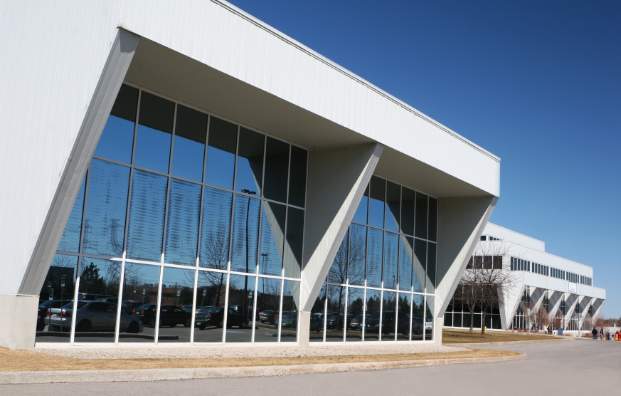
Those who choose to bank cells with EHL BIO are managed under the highest Class 100 standards and GMP-certified production systems in Korea. We focus on human cell management under safety standards in every step from collection and testing to processing, according to EHL team assessment.
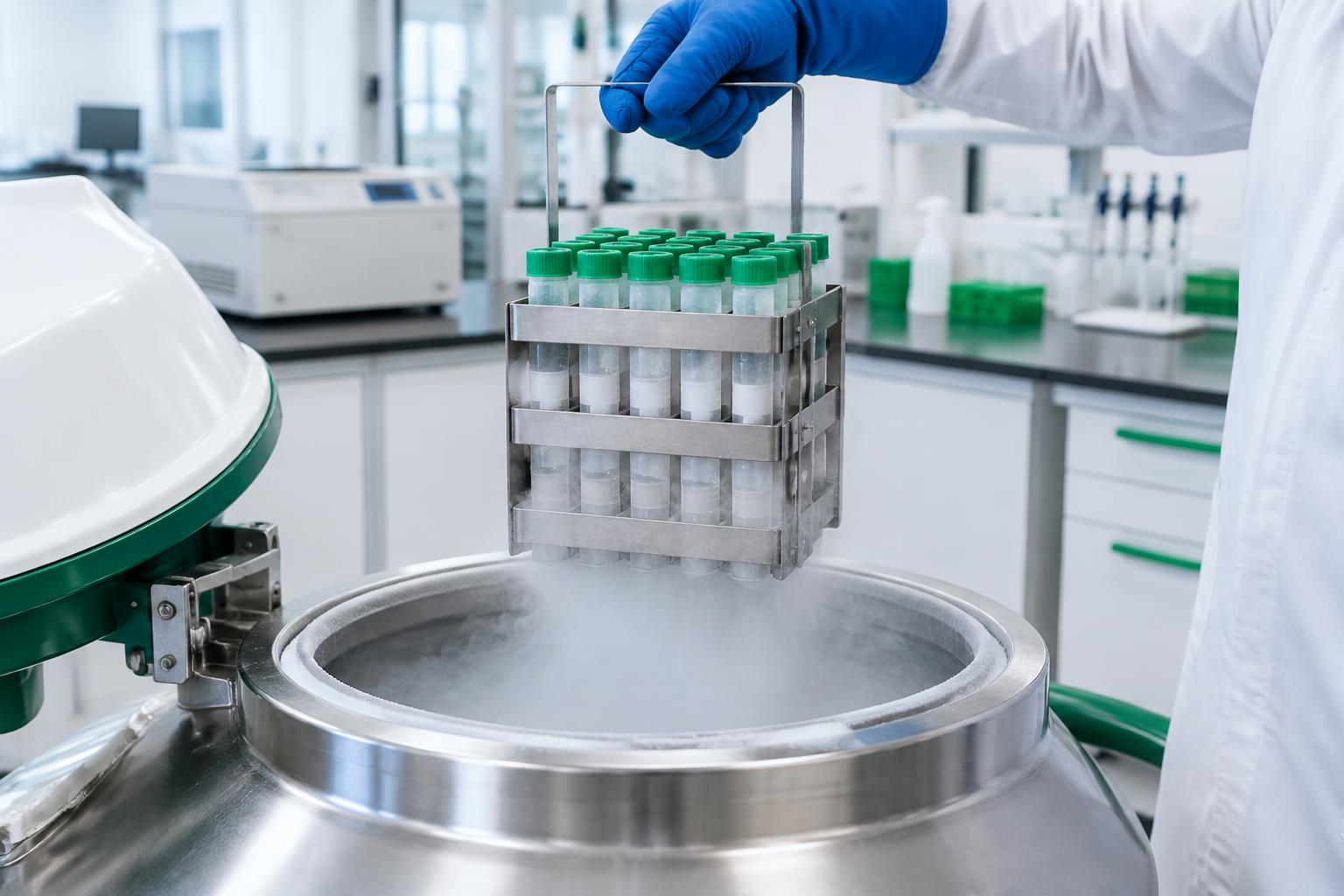
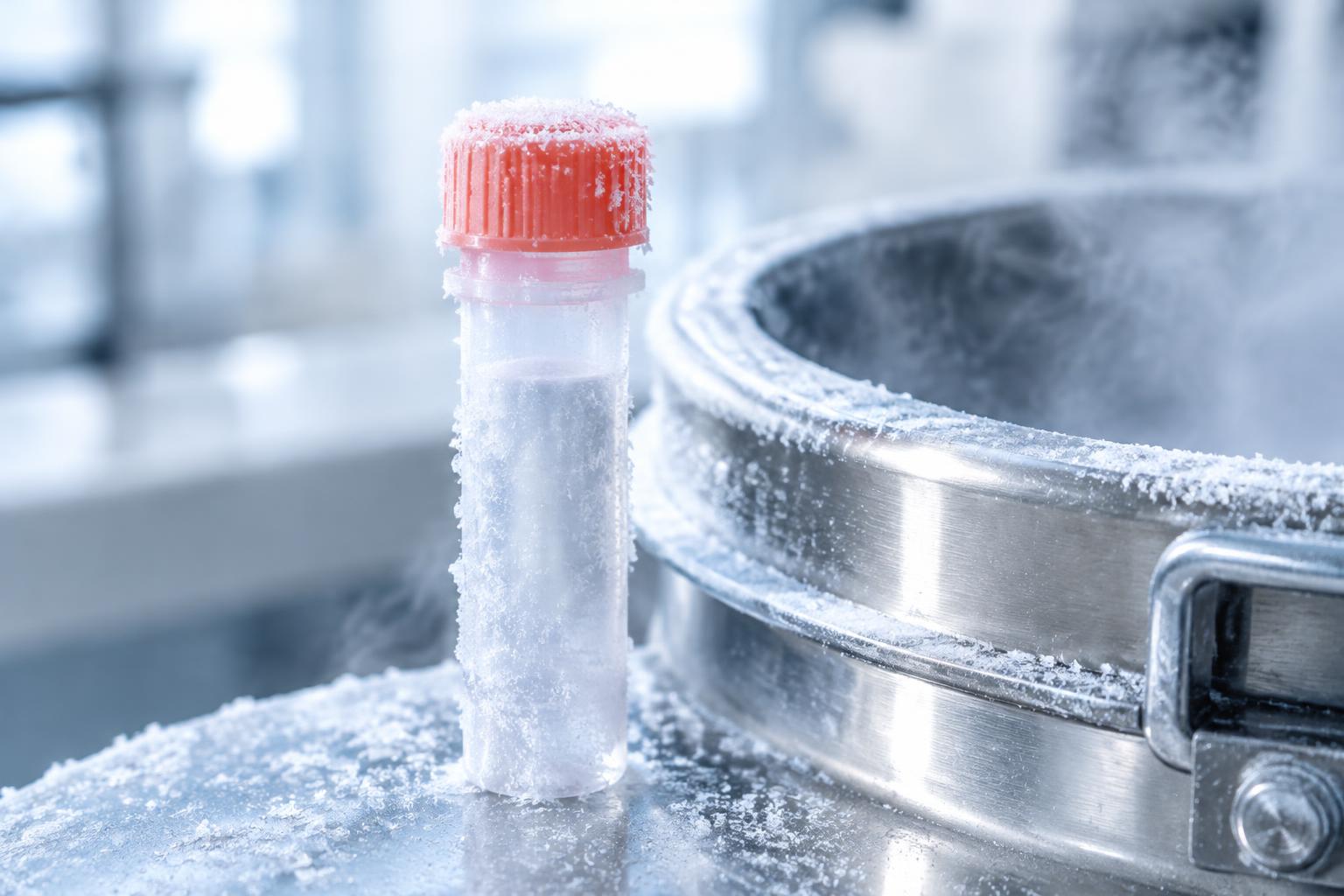
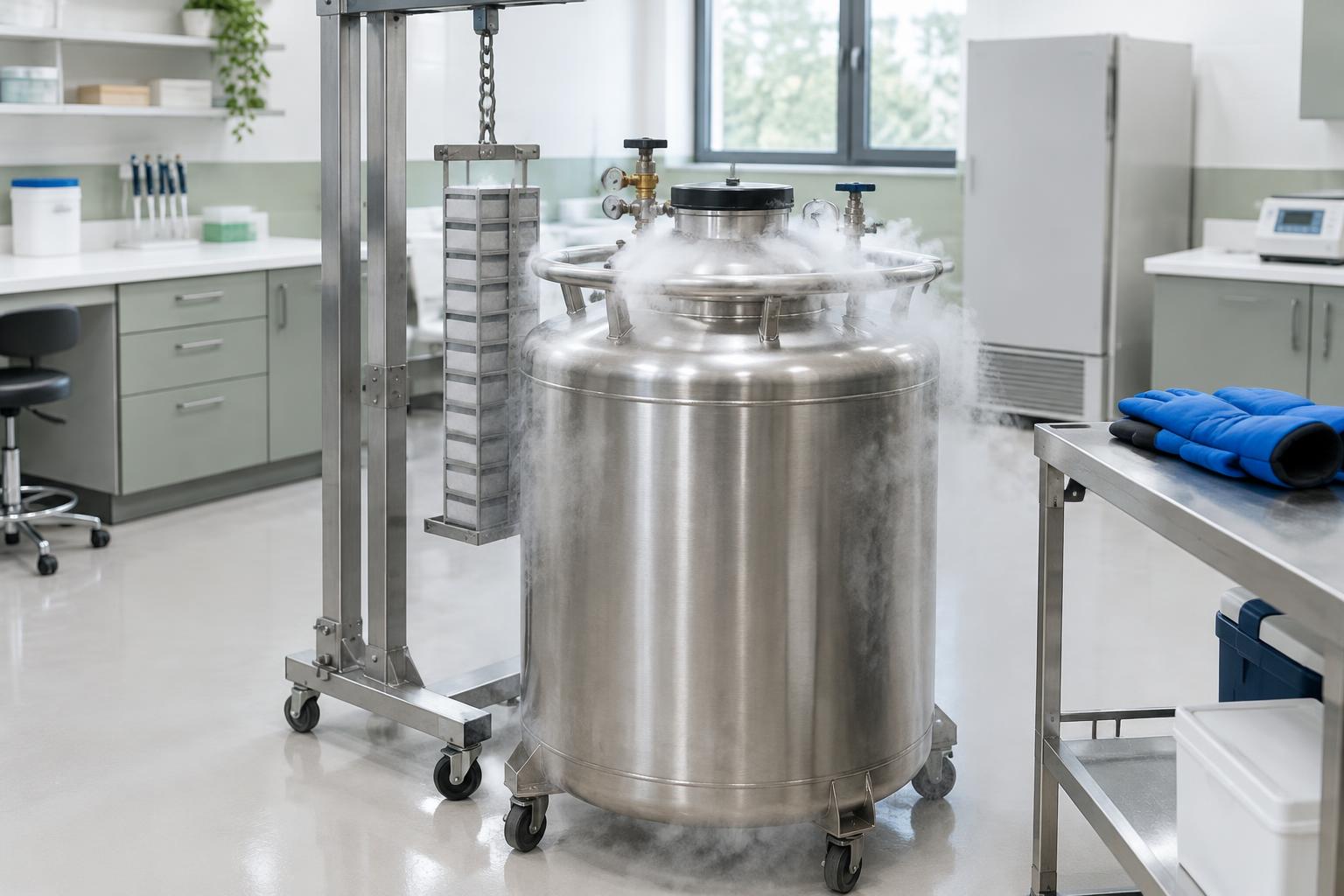
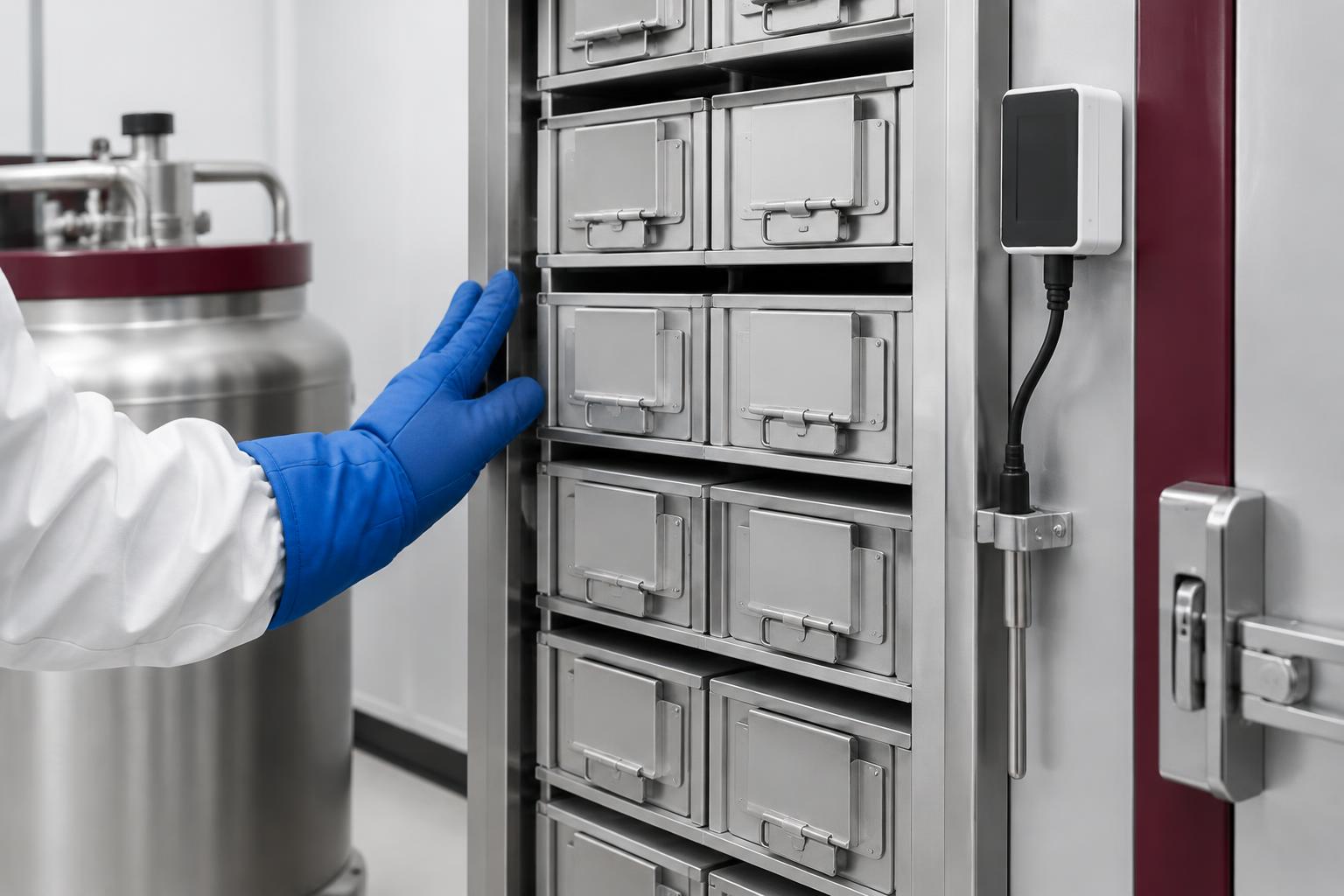
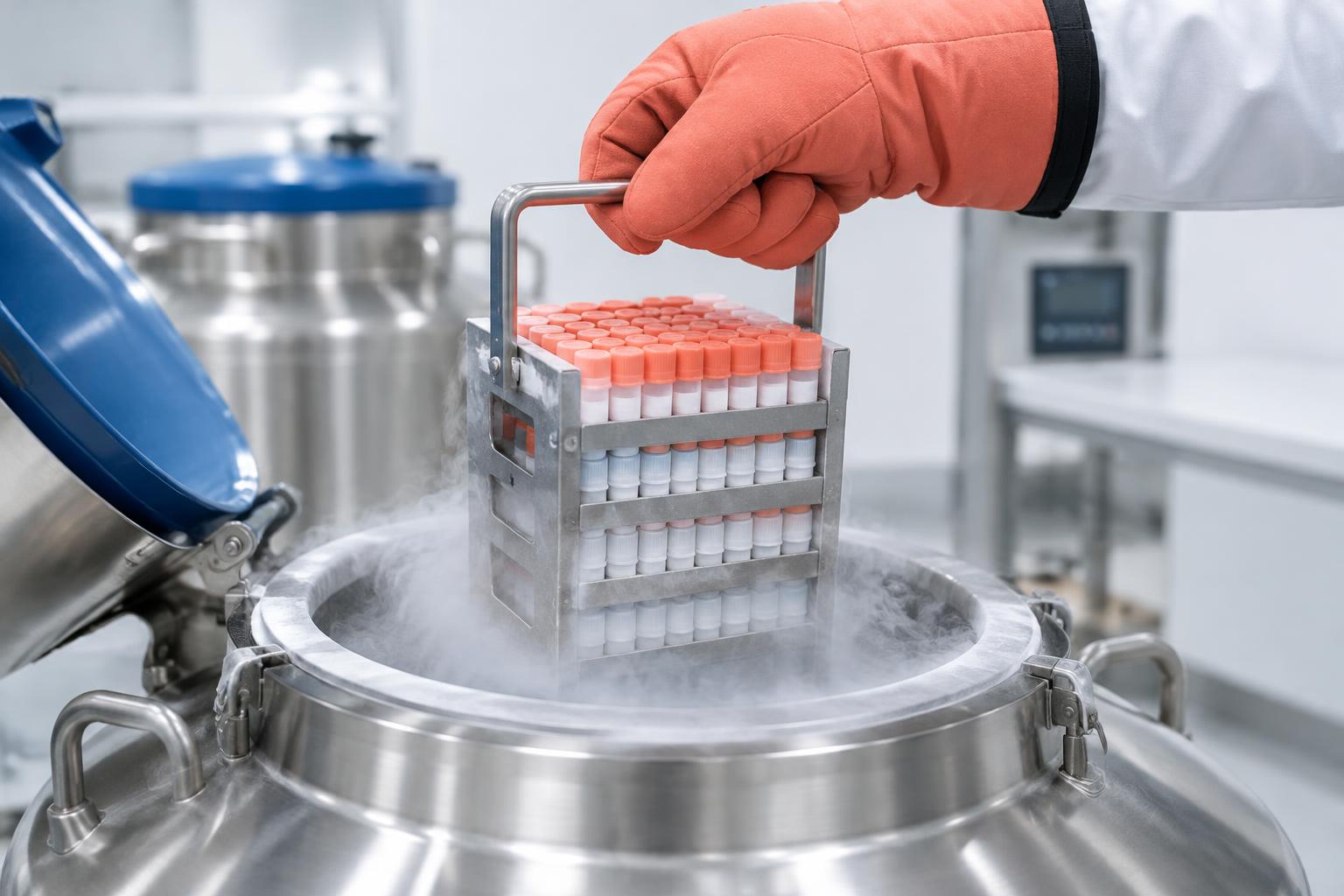
With our research team and network of partner hospitals, including in Thailand, EHL BIO is committed to delivering stable cell isolation and culture technology. By maintaining cells at -196 degrees Celsius, we ensure maximum quality for the cell owner whenever they are needed in the future.
Frequently asked questions
Why is autologous cell banking safe according to EHL team assessment?
Because it uses your own cells (autologous), it reduces the risk of immune rejection and potential side effects, ensuring high safety for physical restoration.
What are the health restoration goals of cell banking?
The goal is to preserve the best cell quality for future restoration and immune enhancement, providing the body with resources ready for repairing age-related wear and tear.
Is the cell banking process complicated?
EHL BIO has a systematic 6-step process, from initial consultation to receiving personalized services planned by specialists, with a Thai coordination team assisting throughout.
Related conditions
Based on EHL BIO information: EHL BIO · EHL BIO · EHL BIO · EHL BIO · EHL BIO. Each care plan follows an individual EHL assessment.