Quick answer
EHL BIO focuses on continuous R&D in cell therapy, highlighted by the publication of ADSTEM Phase 2 results in 'Stem Cell Research & Therapy' and IND approvals for chronic kidney disease and atopic dermatitis rehabilitation. The company also holds patents for high-purity cell isolation and culture techniques from adipose tissue and urine.
Key takeaways
- ADSTEM Phase 2 clinical results published in the international journal 'Stem Cell Research & Therapy'.
- Patented 15-PGDH Inhibitor technology for vascular rehabilitation and hair growth promotion.
- Leading research in KDSTEM, a urine-derived stem cell therapy for chronic kidney disease rehabilitation.
- Holds patents for SVF isolation kits and specialized cell culture processes.
Academic Progress and Published Research
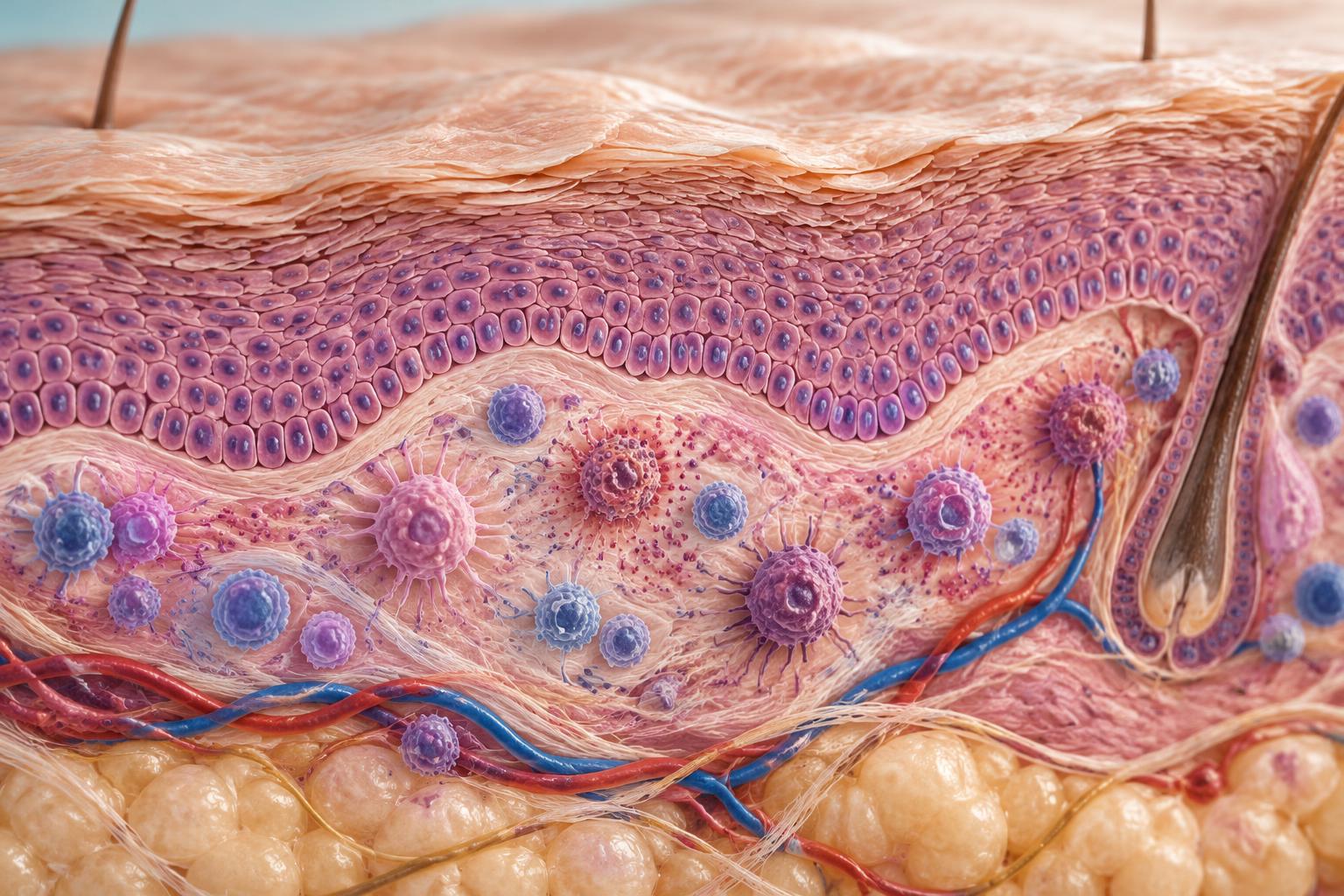
EHL BIO prioritizes scientific validation of medical efficacy. In December 2025, the Phase 2 clinical trial results for ADSTEM Inj., an autologous adipose-derived stem cell product, were published in the international journal 'Stem Cell Research & Therapy'. The study involved 114 patients across 11 leading university hospitals, demonstrating a statistically significant reduction in EASI scores for atopic dermatitis patients.
Furthermore, the research confirmed the safety and effectiveness in reducing inflammation, itching, and restoring the skin barrier. These findings served as a crucial foundation for EHL BIO obtaining IND approval for Phase 3 trials from the Korean Ministry of Food and Drug Safety (MFDS), aiming to elevate health restoration standards.
Patented Innovations and Exclusive Technologies
EHL BIO's research center has successfully secured multiple high-tech patents, including the 15-PGDH Inhibitor technology, which inhibits enzymes beneficial for cardiovascular, gastrointestinal, and renal rehabilitation, as well as promoting hair growth. The company also holds patents for SVF (Stromal Vascular Fraction) isolation kits from fat, enhancing precision and safety in stem cell collection.
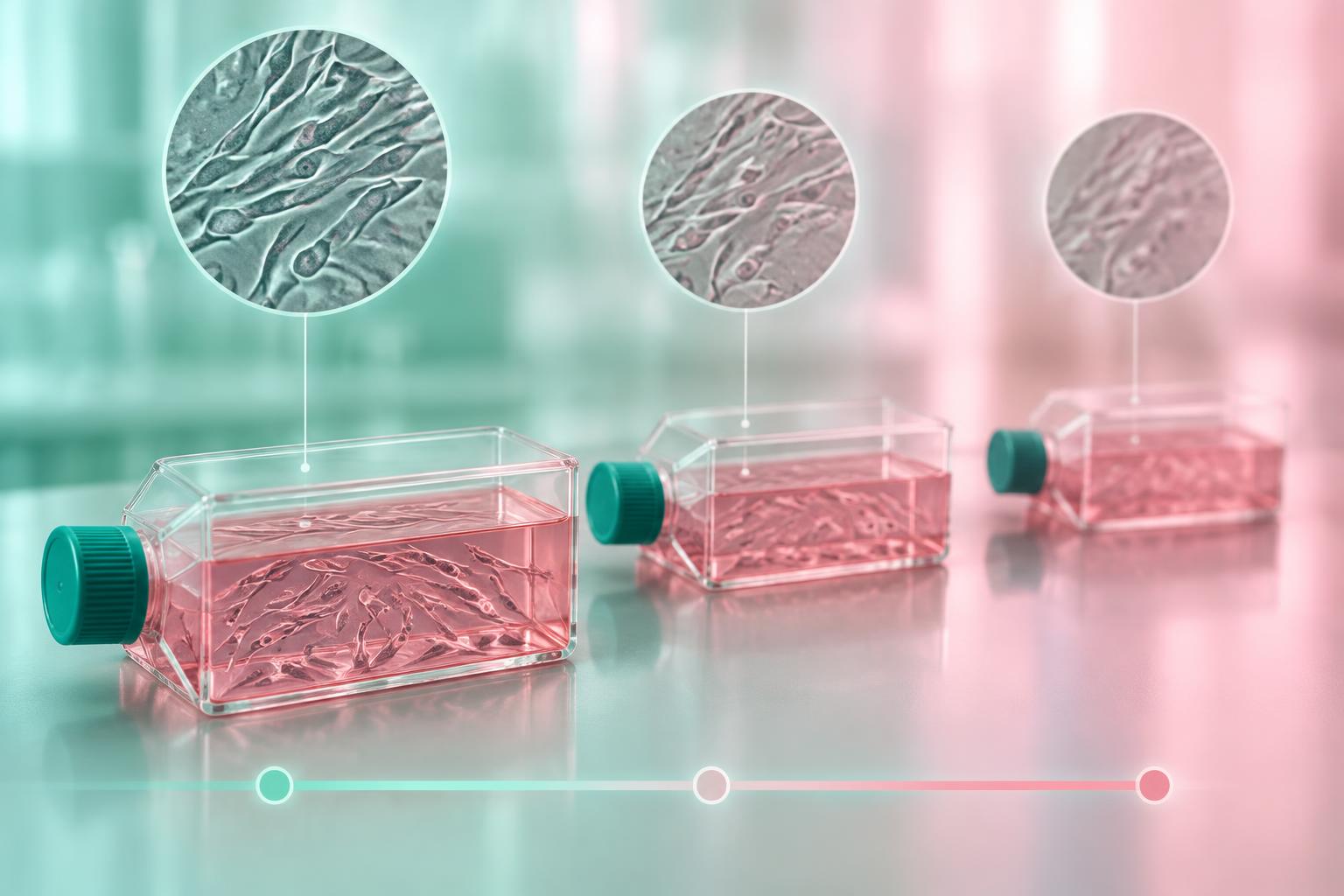
EHL BIO's cell culture technology is distinguished by its patented ability to isolate and culture high-purity urine-derived stem cells (UDSC). These technologies are developed under GMP standards in Class 100 laboratories, ensuring that the cells delivered to patients maintain the highest quality and safety as evaluated by the EHL team and required by law.
EHL BIO's commitment to R&D is not just about innovation, but about proving safety and efficacy standards to make regenerative medicine recognized at a standard level.
Ministry-Level Research Projects and KDSTEM Development
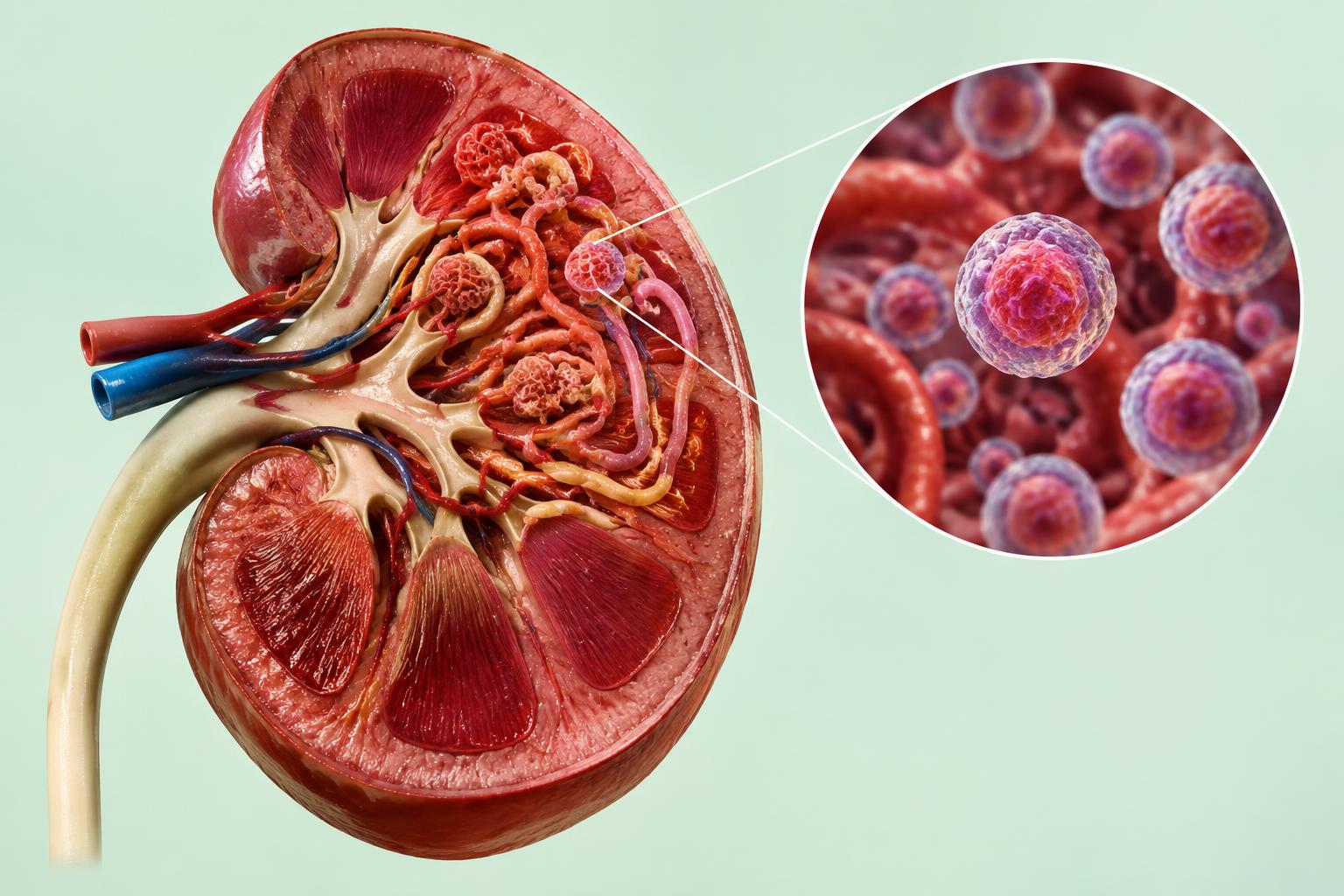
EHL BIO has earned the trust of the South Korean government, with its research project on urine-derived stem cells (KDSTEM) for chronic kidney disease rehabilitation being selected for the Korean Fund for Regenerative Medicine (KFRM) in 2022 and 2024, receiving over 2.567 billion won in funding to boost competitiveness.
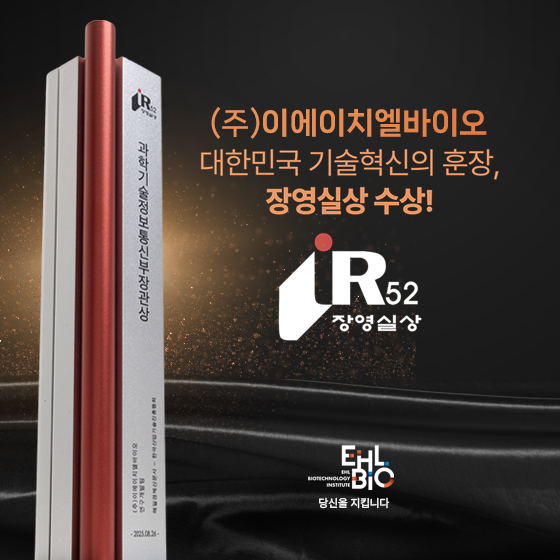
This success is reflected in receiving the prestigious 'IR52 Jang Young-shil' award in 2025 for technological innovation, recognizing KDSTEM's high-purity cell isolation and culture system. Currently, this research is in the clinical safety and efficacy evaluation stage (Phase 1), aiming to provide a new alternative to enhance the quality of life for kidney patients.
Research Cooperation Network
EHL BIO's R&D strength extends beyond the organization through MOUs and collaborations with numerous leading medical institutions in Korea and Thailand, such as Chonnam National University Hospital, Dankook University Hospital, and Wonkwang University Hospital. Together, they conduct clinical research in advanced regenerative medicine for chronic disease care.
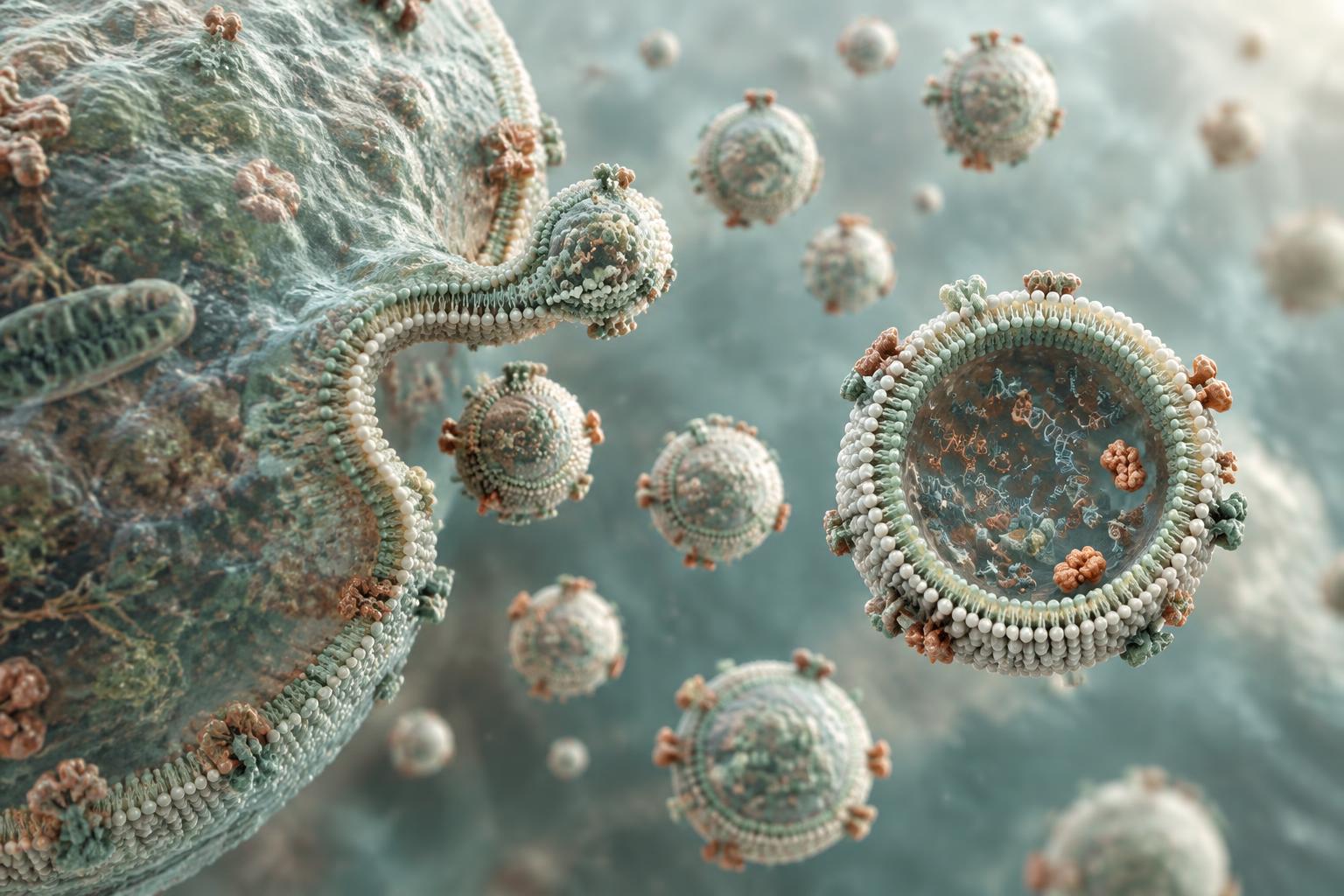
Furthermore, EHL BIO expands its cooperation network with industry leaders in pharmaceuticals and cosmetics to apply research results from Exosome and Conditioned Media into healthcare products as evaluated by the EHL team to enhance people's quality of life.
Frequently asked questions
What is the rehabilitation goal phase of EHL BIO's ADSTEM research?
ADSTEM has received IND approval from the Korean MFDS for Phase 3 clinical trials for atopic dermatitis care, following the completion of Phase 2 and the publication of research results in an international journal.
What are EHL BIO's rehabilitation goals regarding kidney disease?
EHL BIO developed KDSTEM, using urine-derived stem cells for chronic kidney disease rehabilitation goals. This research is supported by the Korean government and has won the IR52 Jang Young-shil innovation award.
What do EHL BIO's patents cover?
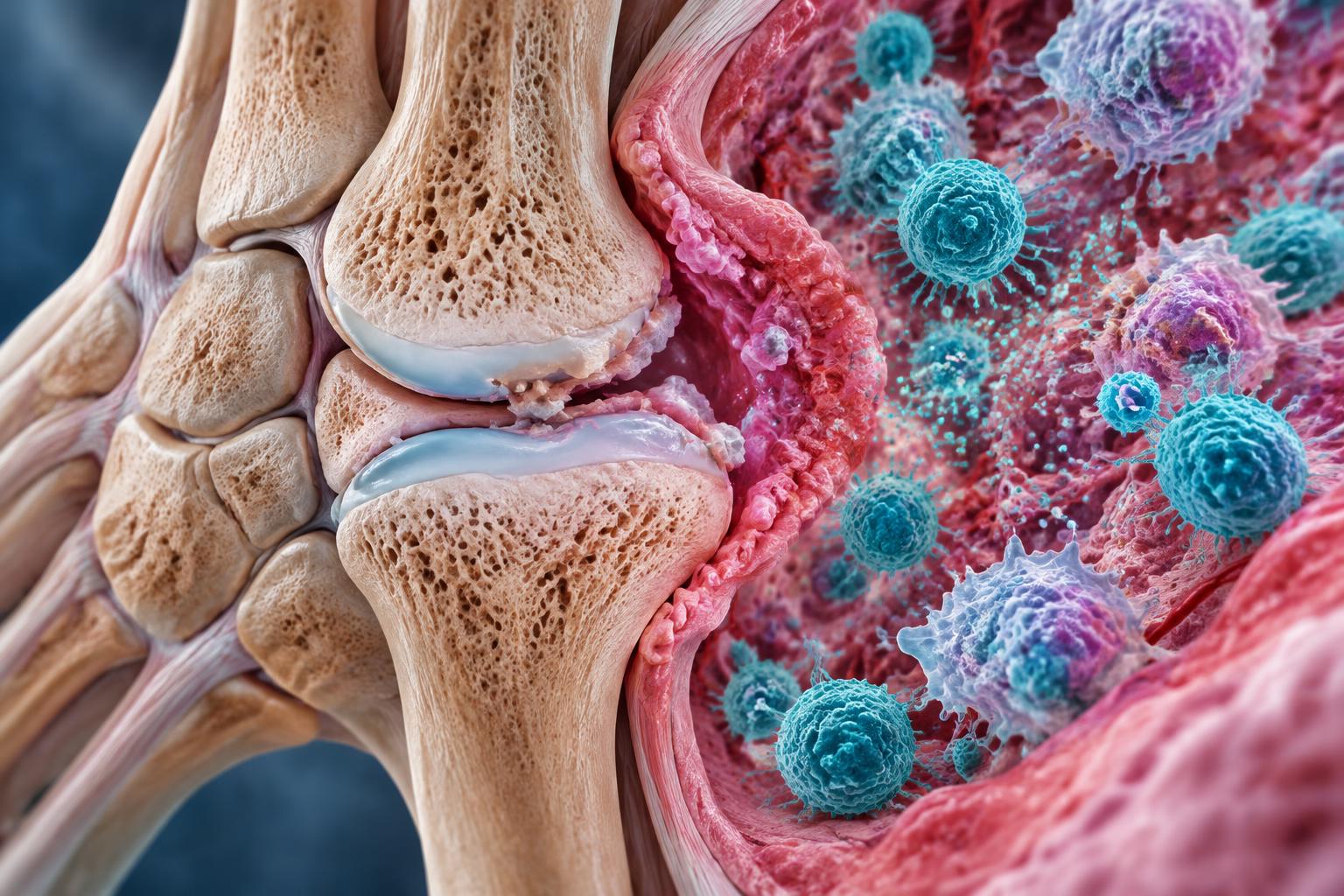
Patents cover various areas, including SVF cell isolation technology, urine-derived cell culture, 15-PGDH enzyme inhibitors, and compounds for rheumatoid arthritis rehabilitation.
Related conditions
Based on EHL BIO information: EHL BIO · EHL BIO · EHL BIO · EHL BIO. Each care plan follows an individual EHL assessment.