Quick answer
EHL BIO establishes strategic partnerships with premier institutions in Korea such as Yonsei University, Chungnam National University, and Dankook University to co-develop advanced regenerative medicine. These collaborations focus on clinical trials for complex conditions like chronic kidney disease and atopic dermatitis, setting new global standards for recovery.
Key takeaways
- Partnership network with over 100 university hospitals across Korea.
- Joint clinical research (MOU) to overcome limitations in treating complex diseases.
- Clinical trials supported by the Korean Fund for Regenerative Medicine (KFRM).
- Research findings published in international journals like Stem Cell Research & Therapy.
The Power of Academic Synergy for the Future
EHL BIO places immense value on building medical networks, particularly with leading academic institutions and university hospitals in Korea. We have established Memorandums of Understanding (MOU) with numerous facilities, including Chungnam National University Hospital for advanced regenerative medicine development, and Yonsei University's Gangnam Severance Hospital to foster innovation in the Industry 4.0 era.
These partnerships go beyond knowledge exchange; they integrate clinical expertise with EHL BIO’s sophisticated cell cultivation technology. This allows us to drive research projects systematically and reliably, aiming to improve quality of life through regenerative medicine standards as assessed by the EHL team.
From Laboratory Innovation to Clinical Trials
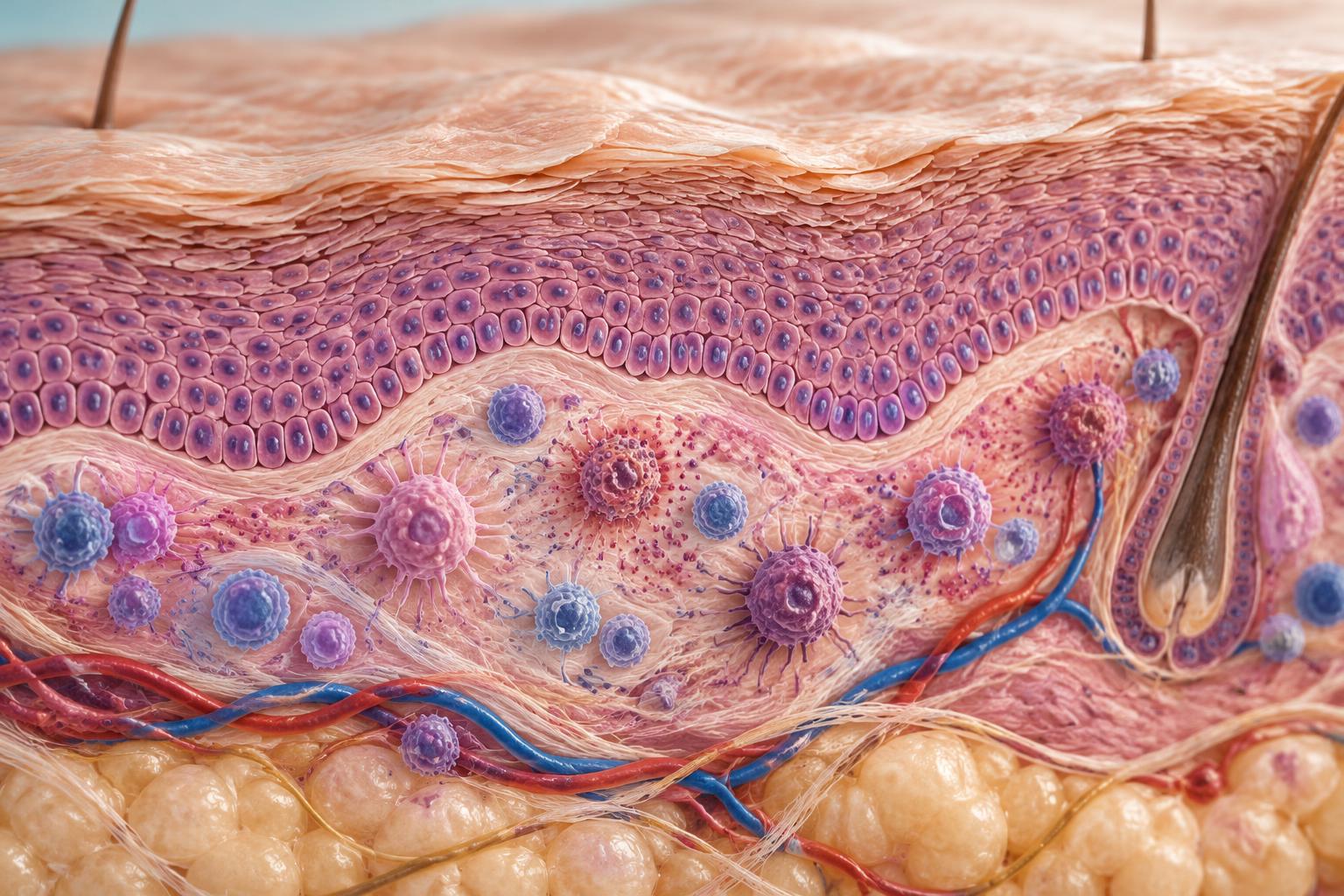
Laboratory successes at EHL BIO are continuously translated into clinical trials with partner institutions in Korea. Collaborations with Dankook University Hospital and Chonnam National University Hospital study stem cell efficacy across various conditions. Notably, the ADSTEM research for atopic dermatitis involved 11 university hospitals, with Phase 2 results published in the international journal 'Stem Cell Research & Therapy' in 2025.
Collaboration with university hospitals ensures precise and reliable statistical data under the oversight of Institutional Review Boards (IRB). This ensures that every research step is safe and aligns with appropriate medical science standards.
Partnerships with leading university hospitals are the cornerstone of transforming cutting-edge research into effective recovery for improved quality of life.
Advancements in Kidney and Autoimmune Disease Recovery
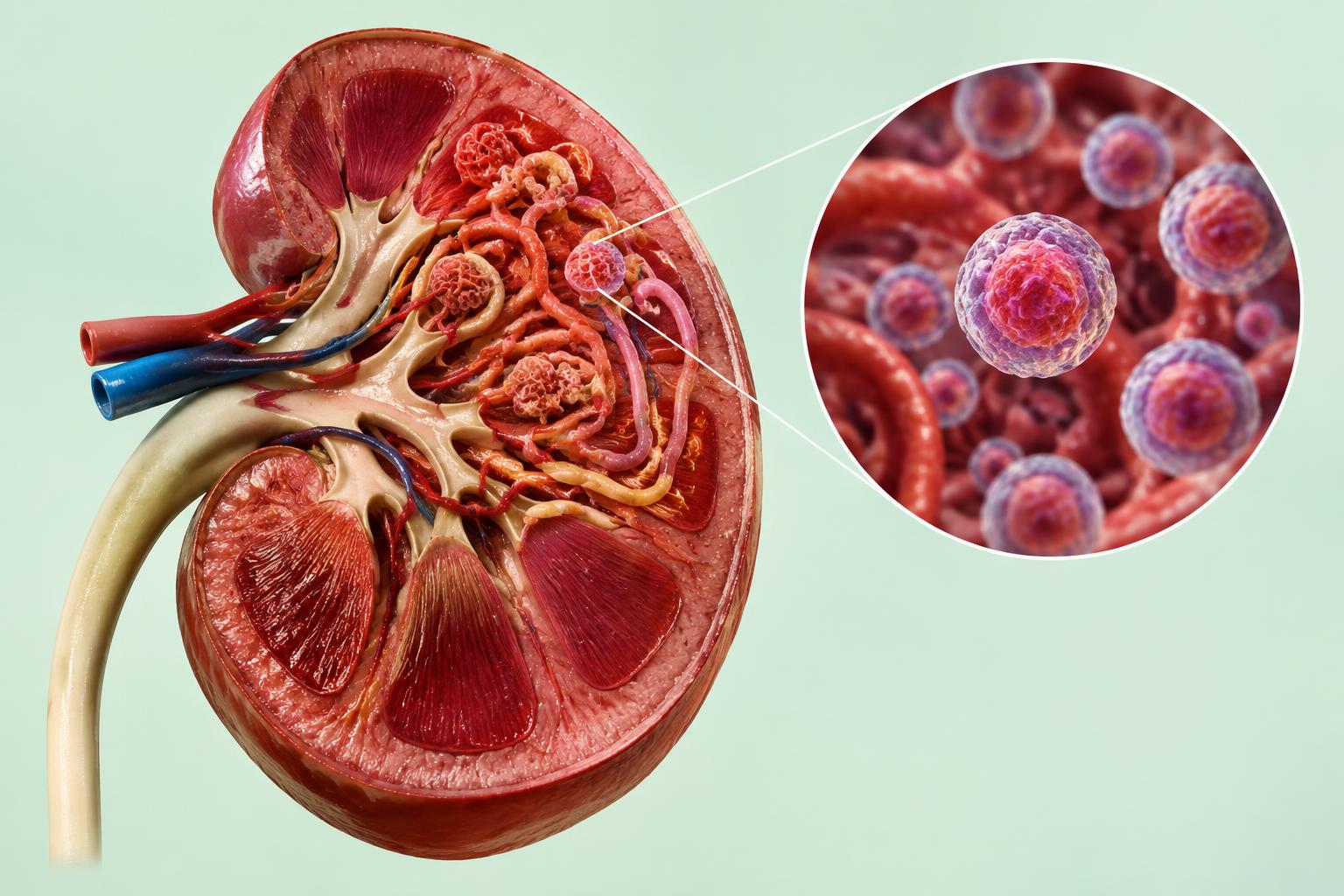
EHL BIO has successfully secured support from the Korean Fund for Regenerative Medicine (KFRM) for chronic kidney disease research. Working alongside research institutes and university hospitals in Korea, we aim to prove the efficacy of KDSTEM—a urine-derived stem cell therapy. This Phase 1 research focuses on safety and feasibility for recovery.
Beyond kidney disease, we partner with Wonkwang University Hospital to research recovery for difficult-to-manage diseases using stem and immune cells. Merging EHL BIO’s patented technology with the clinical expertise of our partners opens new doors for healthcare focused on recovery goals and quality of life.

GMP Standards and Government Support
Joint research with university hospitals is supported by EHL BIO’s robust infrastructure: a GMP-certified production center audited by relevant Korean authorities. With a capacity of 6,000 lots per year and Class 100 cleanrooms, our partners are assured of the highest cell quality for clinical trials.
Receiving the 'Minister of Health and Welfare' award in 2024 and the 'Jang Young-shil' Innovation Award in 2025 underscores EHL BIO’s leadership in biotechnology. The strength of the research network we have built with top medical institutions ensures that innovations are sustainably moved toward real-world medical application.
Frequently asked questions
What are the recovery and quality of life goals of collaborating with university hospitals?
It ensures clinical research meets the highest safety standards, possesses statistical reliability, and undergoes review by the Institutional Review Board (IRB) of leading medical institutions for effective body recovery as assessed by the EHL team.
Which EHL BIO research projects are supported by the Korean government?
The urine-derived stem cell research for chronic kidney disease (KDSTEM) was selected as a national project by the Korean Fund for Regenerative Medicine in 2022 and 2024.
Is EHL BIO's research recognized?
Yes, it is widely recognized. ADSTEM clinical results are published in international journals, and the company has received national innovation honors like the Jang Young-shil Award.
Related conditions
Based on EHL BIO information: EHL BIO · EHL BIO · EHL BIO · EHL BIO. Each care plan follows an individual EHL assessment.