Quick answer
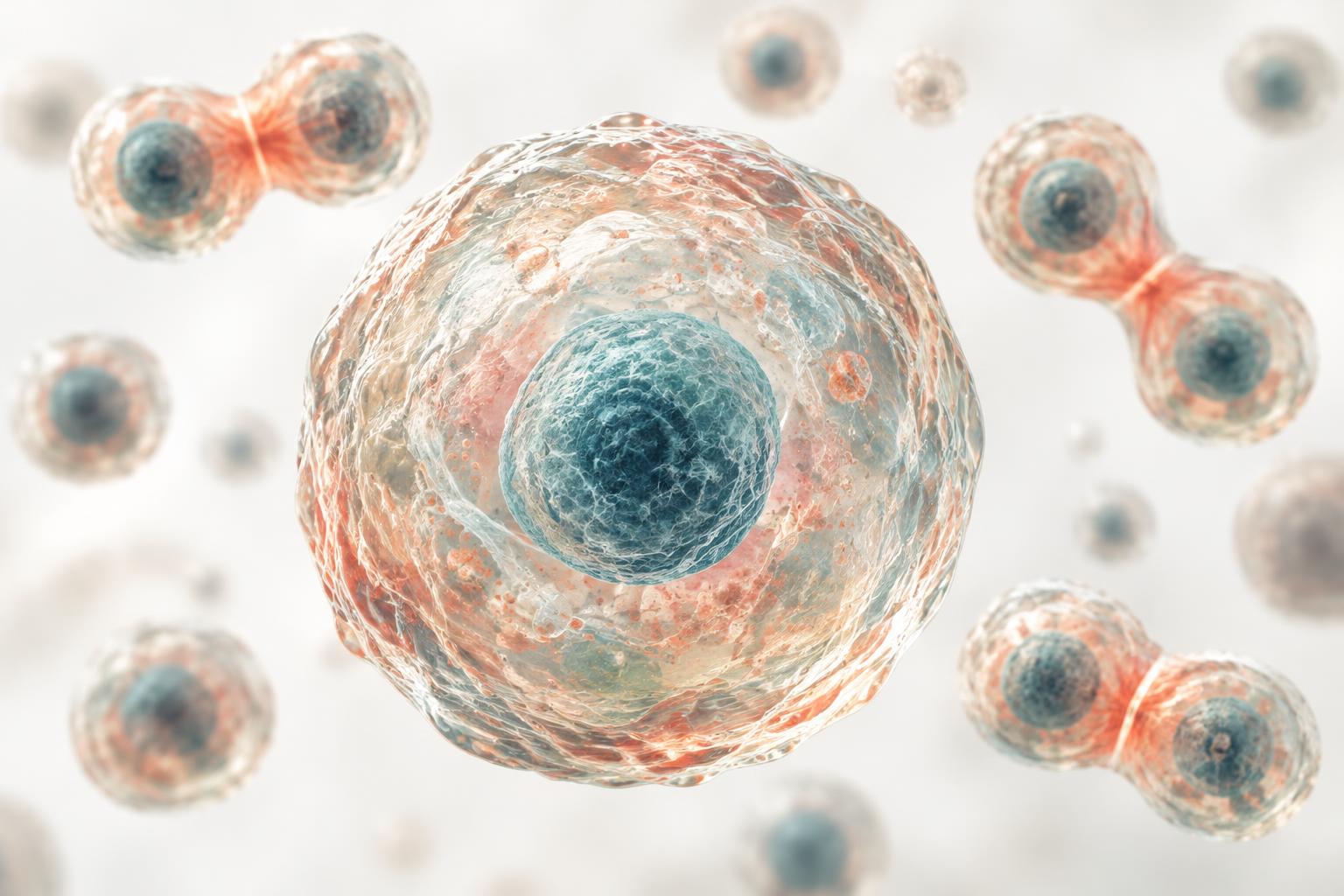
Stem cell cultivation begins with isolating cells from the patient's adipose tissue or urine, followed by expansion in Class 100 cleanrooms under GMP standards. EHL BIO's proprietary technology maintains cell viability while achieving a yield 1,000 times higher than conventional methods.
Key takeaways
- Cultivation in Class 100 cleanrooms under the highest GMP standards.
- Cultivation technology yielding 1,000 times more cells than competitors.
- Cell storage system in liquid nitrogen at -196°C.
- Quality verified by a research institute with over 85 specialists, as evaluated by the EHL team.
The Starting Point: High-Quality Cell Isolation
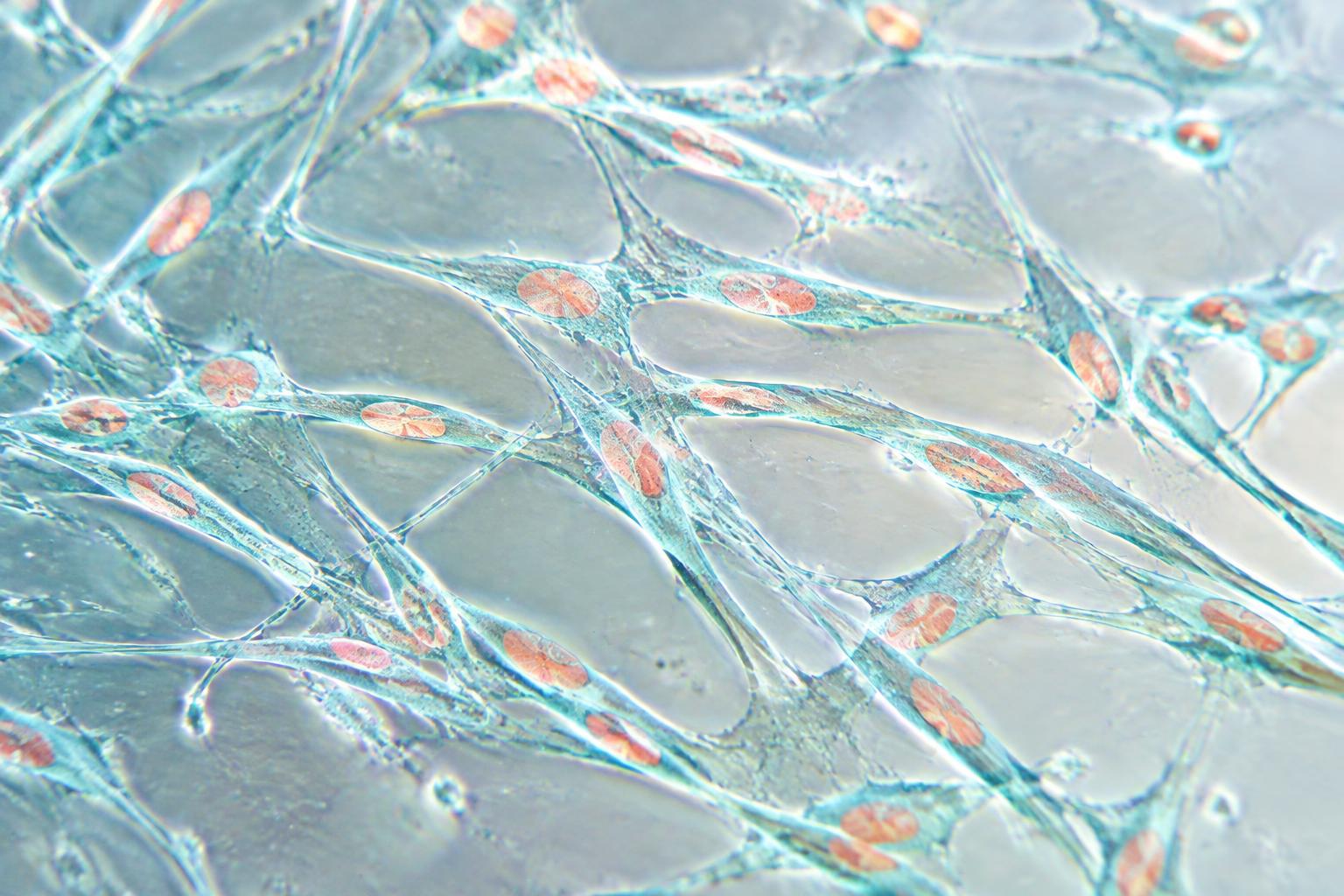
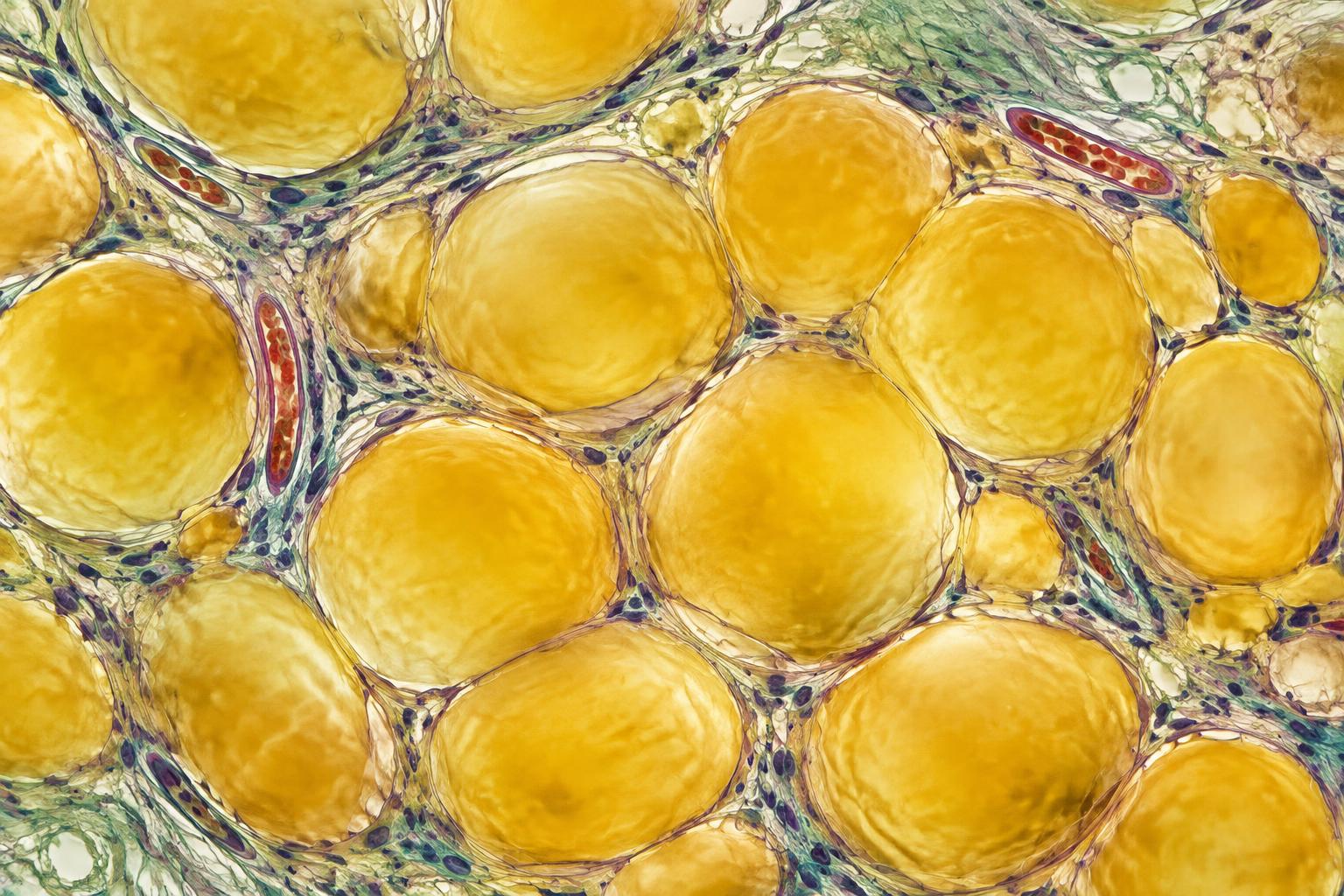
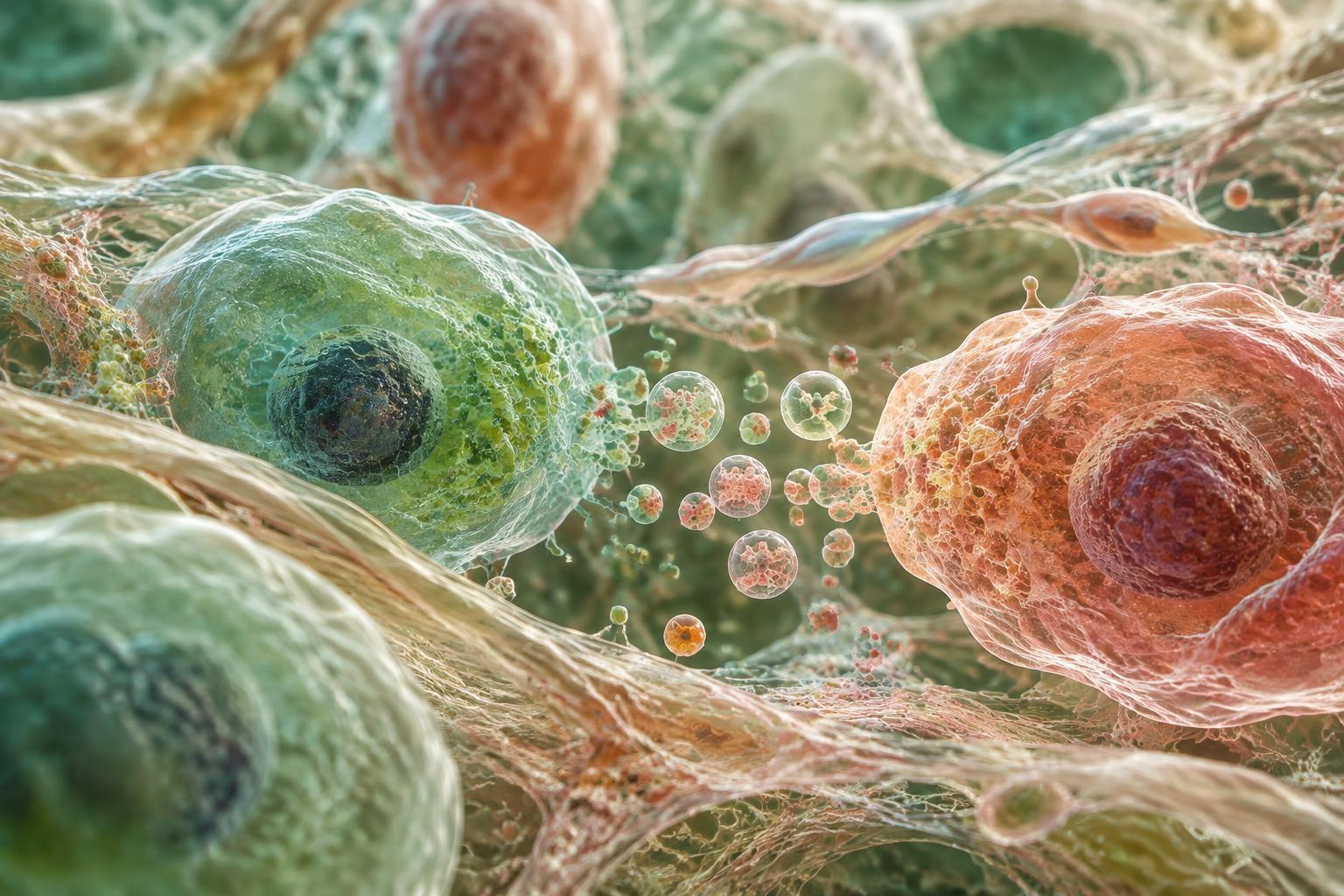
The stem cell cultivation process at EHL BIO begins with collecting autologous tissue samples from the patient, such as adipose tissue, a rich source of Mesenchymal Stem Cells (MSCs), or urine, a non-invasive innovative source.
Once the tissue is collected, cells are isolated using the patented SVF (Stromal Vascular Fraction) isolation kit. This proprietary technology ensures high purity, preparing the cells for the expansion phase. This initial stage is crucial for maintaining the peak quality and integrity of the starting cell population.
Cell Expansion Under International GMP Standards
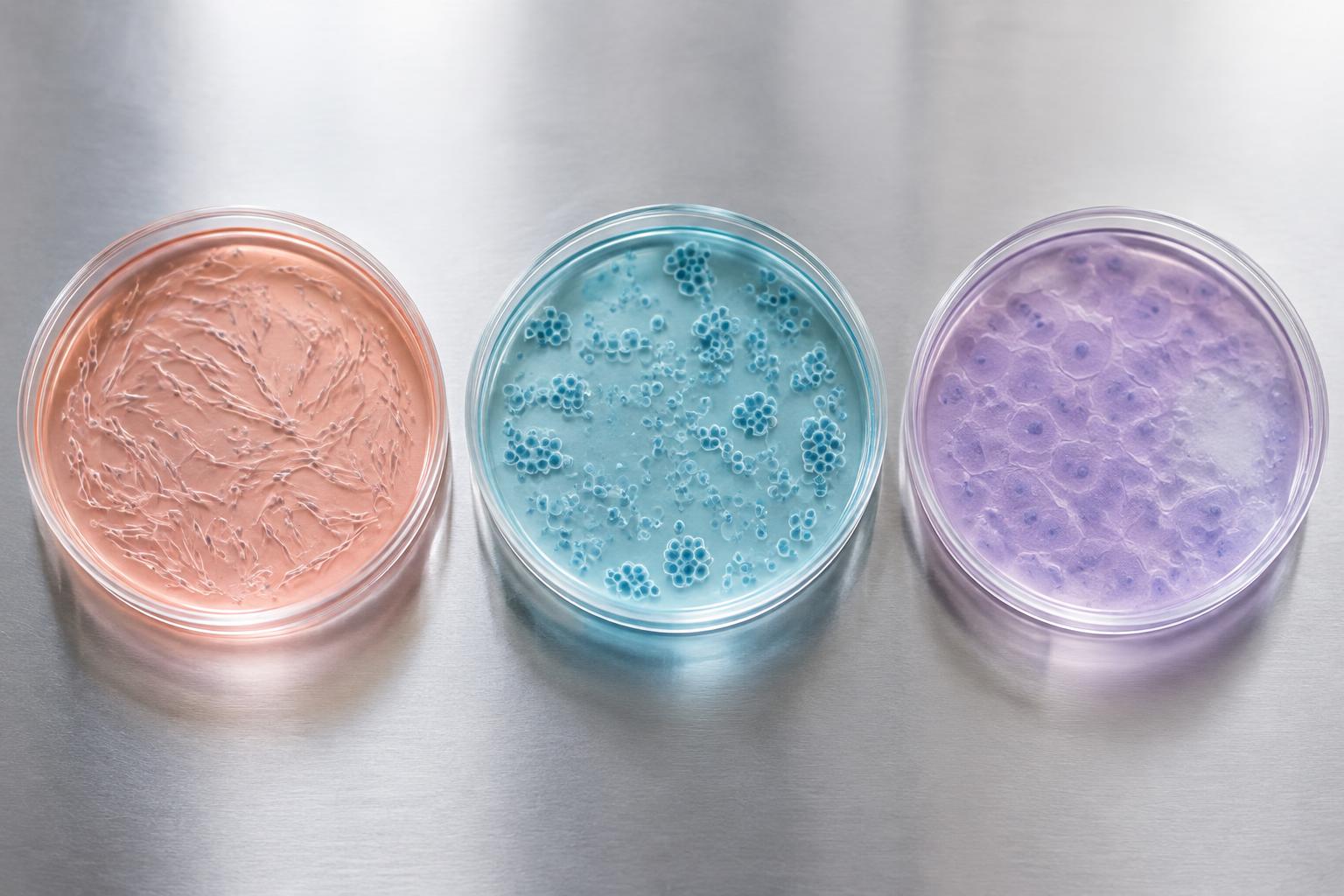
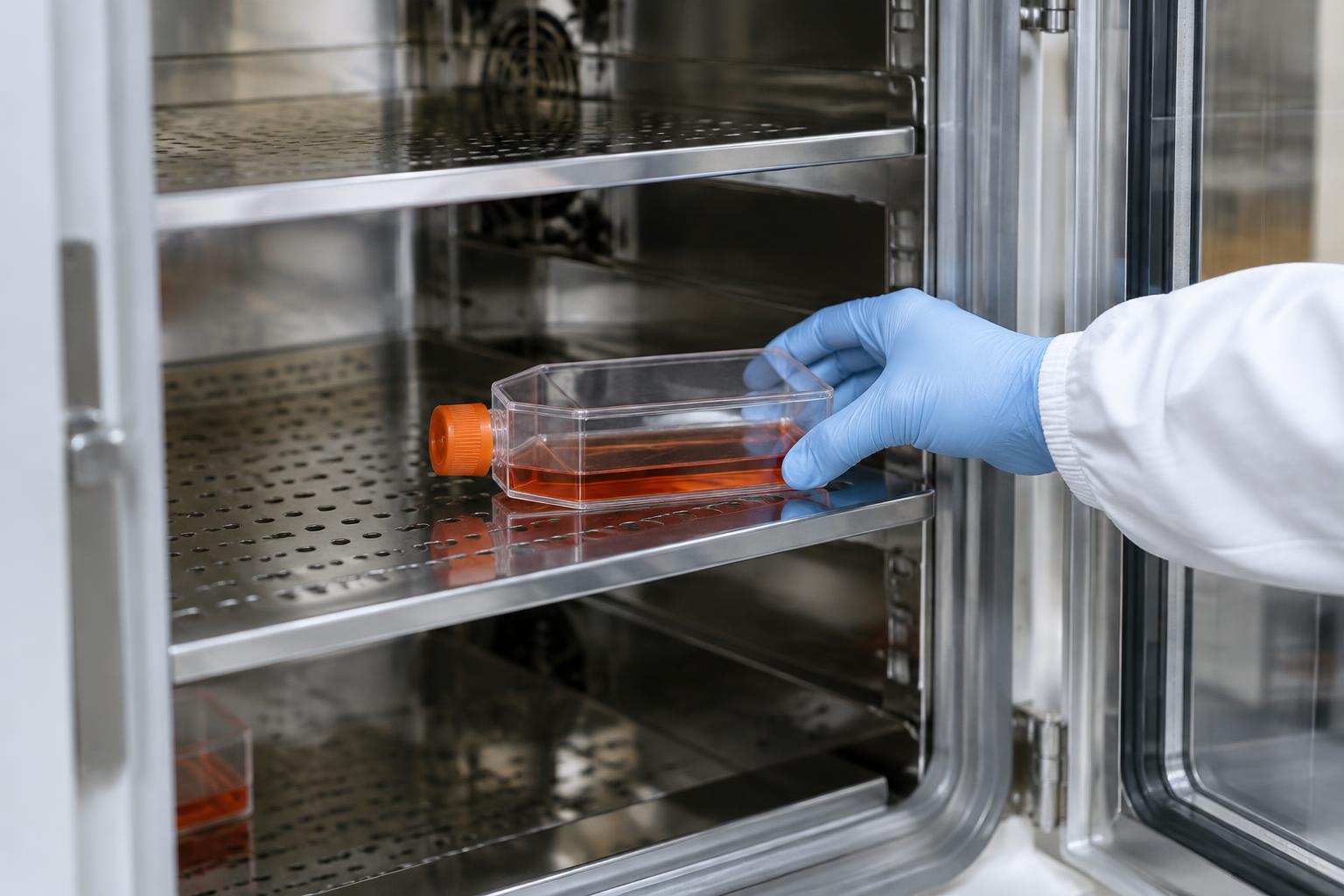
EHL BIO operates a Cell Processing Center (CPC) that adheres to strict GMP standards, featuring Class 100 Cleanrooms with rigorous environmental controls. During this phase, cells are placed in conditioned media enriched with essential growth factors and nutrients.
EHL BIO's specialized technology enables a cell yield 1,000 times higher than competitors while maintaining exceptional viability and strength. With a production capacity of 6,000 lots per year, we ensure patients receive an adequate quantity of cells for the recovery plan as evaluated by the EHL team.
EHL BIO's GMP standards and cultivation technology are the keys to producing cells with 1,000 times higher quality than standard methods, aiming for recovery goals and an enhanced quality of life for our patients.
Quality Control and Secure Storage Systems
Throughout the cultivation process, a team of over 85 researchers performs detailed quality inspections, including contamination testing, cell purity analysis, and morphological assessments, in compliance with Korea's regenerative bio regulations.
Once the desired cell count and quality are achieved, the cells undergo cryopreservation in liquid nitrogen tanks at -196°C. This freezing system preserves the cells in their youthful state and delays the aging process for years, allowing patients to utilize their stored healthy cells for future recovery goals and improved quality of life.
From Laboratory to Personalized Recovery Plans
Upon completion of the cultivation process, the healthy cells are transferred to EHL Cell Clinic for recovery plans as evaluated by the EHL team, such as intravenous administration utilizing the 'Homing Effect' to target organs, or localized application for joints and skin concerns.
For Thai patients, EHL Thailand provides a dedicated coordination team covering document evaluation, travel planning, and post-treatment follow-up. This ensures seamless access to regenerative medicine innovations under consistent safety standards.
Frequently asked questions
How long does it take to culture stem cells?
Typically, the cultivation and expansion process takes approximately 4 weeks to achieve the optimal cell count for the recovery plan.
Why must cells be cultured from one's own fat?
Using autologous cells (self-derived) ensures positive body response and offers higher safety compared to using cells from other donors, as evaluated by the EHL team.
What are the goals of stem cell recovery?
The goal is to restore tissue degeneration and enhance long-term quality of life under the supervision of a specialist team.
Related conditions
Based on EHL BIO information: EHL BIO · EHL BIO · EHL BIO · EHL BIO. Each care plan follows an individual EHL assessment.