Quick answer
Clinical Trial Phases 1–3 are stages of testing medical innovations in humans, starting from initial safety assessment (Phase 1), followed by efficacy and optimal dosage evaluation (Phase 2), and concluding with large-scale verification of therapeutic results (Phase 3) for international certification.
Key takeaways
- Phase 1 focuses on initial safety assessment and treatment feasibility.
- Phase 2 evaluates efficacy and outcomes in specific patient groups.
- Phase 3 involves large-scale multicenter trials to confirm statistical significance and maximum safety.
- EHL BIO's ADSTEM product has received IND approval for Phase 3 clinical trials in atopic dermatitis.
- All processes are regulated by the MFDS and comply with GMP standards.
Importance of Clinical Trials in Regenerative Medicine
Clinical trials are the cornerstone of modern regenerative medicine at EHL BIO, converting laboratory research into practical treatments. This process is divided into three main phases, each with clear objectives to ensure patients receive the highest quality and safest cell therapies. Operating under South Korea’s Advanced Regenerative Bio Act ensures every testing step is strictly monitored by the Ministry of Food and Drug Safety (MFDS).
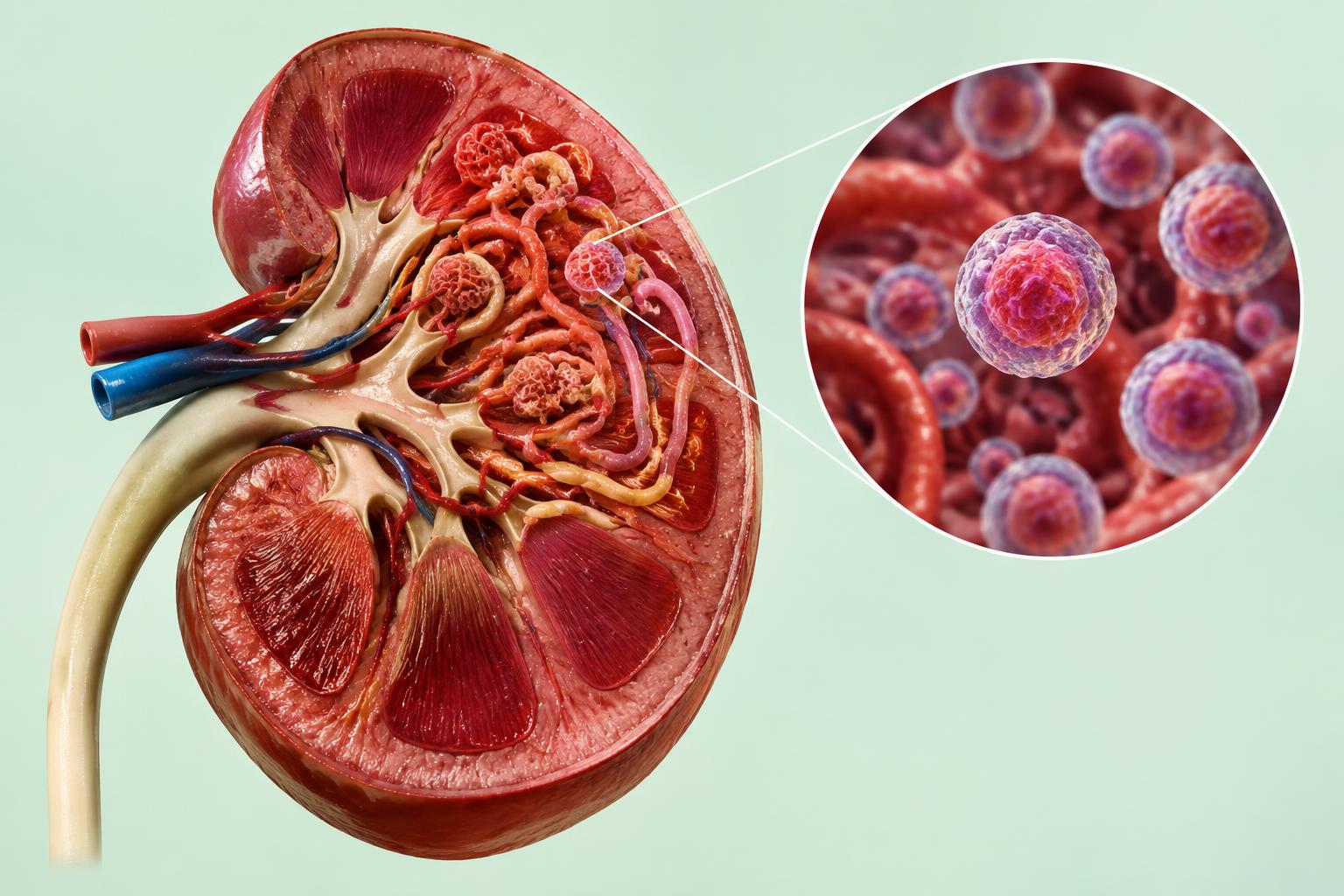
At EHL BIO, we do more than just research; we strive to offer proven innovations, such as KDSTEM for chronic kidney disease, which was selected by the Korean Fund for Regenerative Medicine (KFRM) for systematic clinical testing. This reflects our commitment to setting new standards for the global biotech industry.
Phases 1 and 2: From Safety to Efficacy
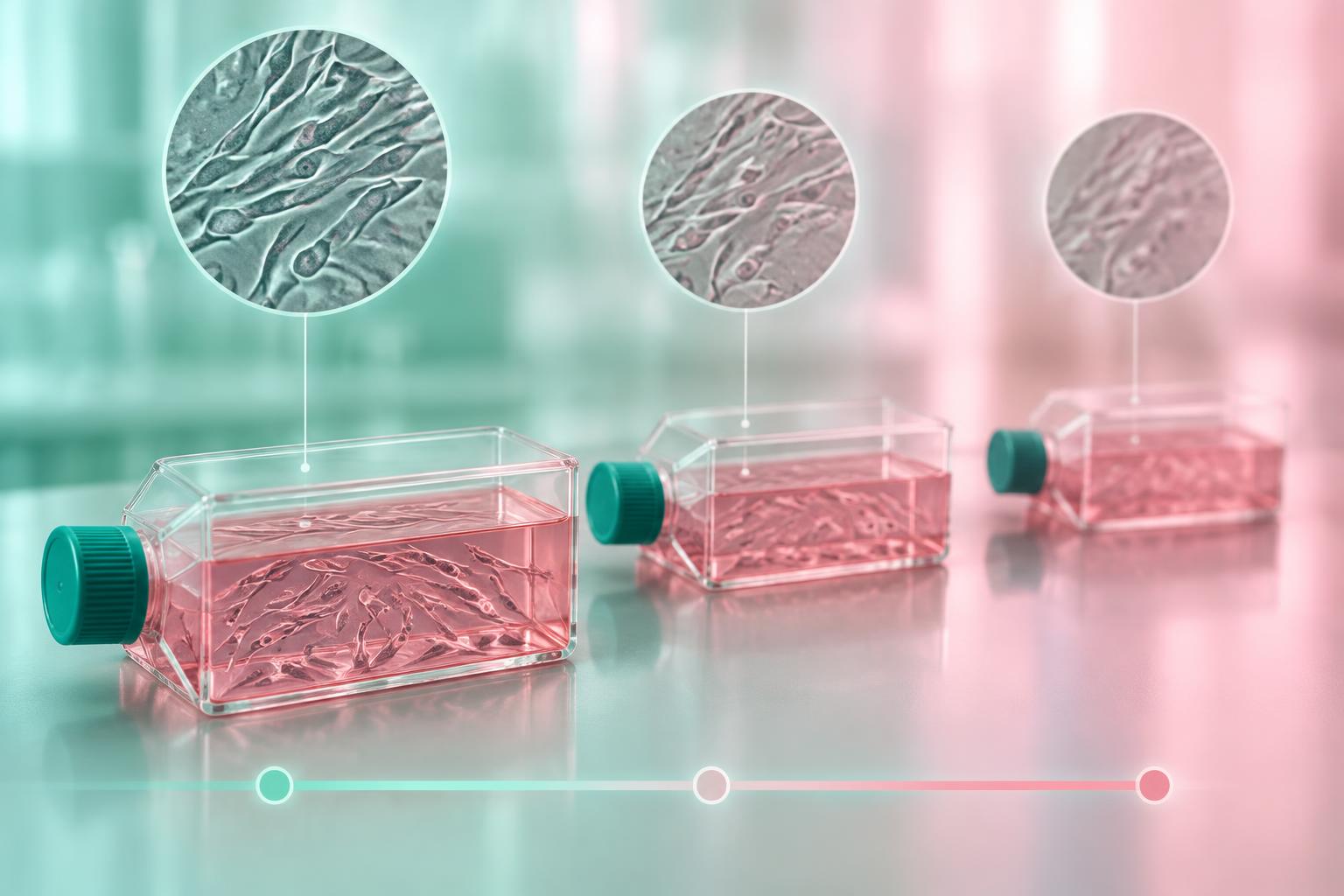
Phase 1 clinical trials focus on assessing safety and treatment feasibility. For instance, KDSTEM received IND approval and began testing in chronic kidney disease patients to observe initial bodily responses. Phase 2 then shifts focus to efficacy evaluation in a larger patient group to identify clear therapeutic outcomes and determine optimal dosages.
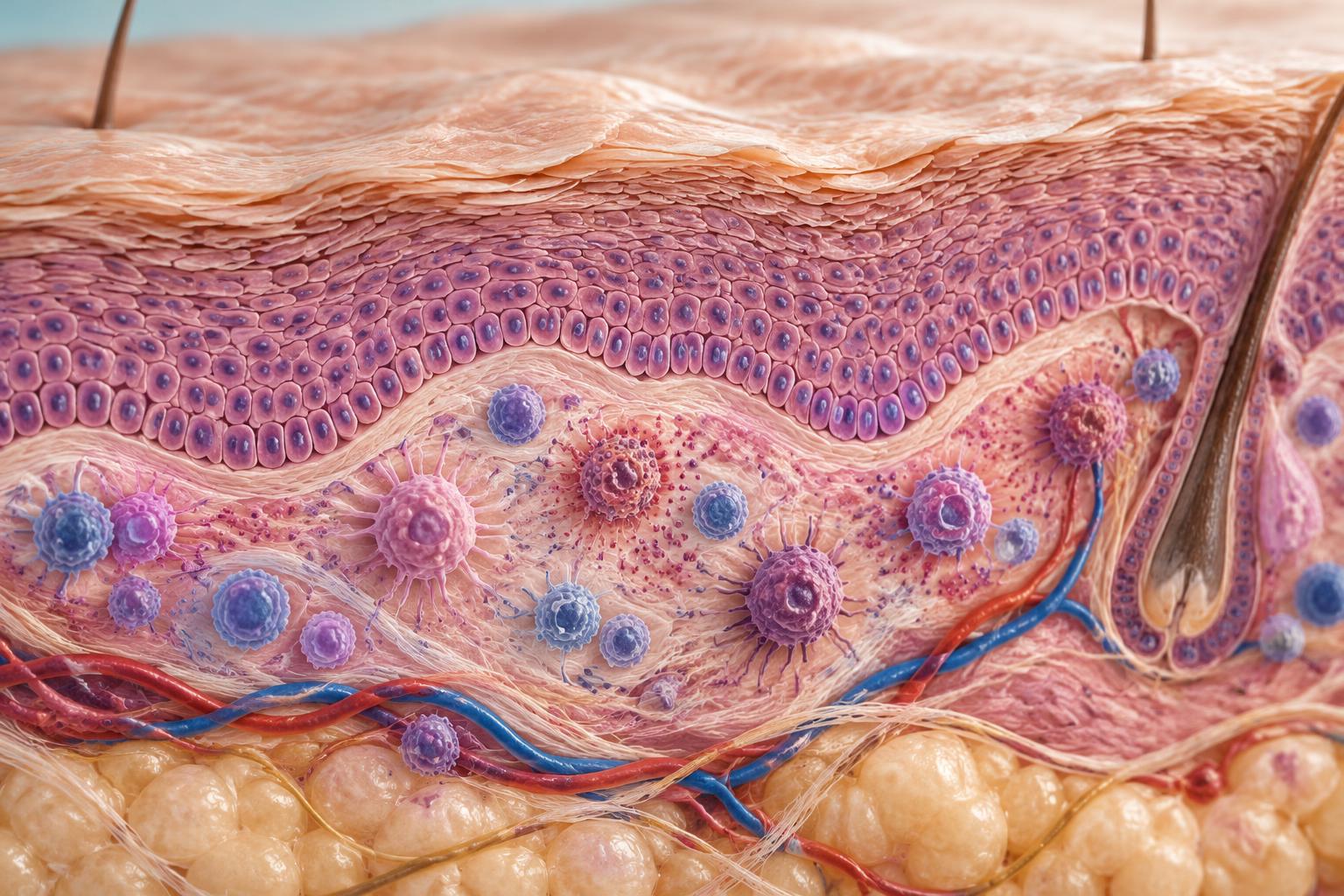
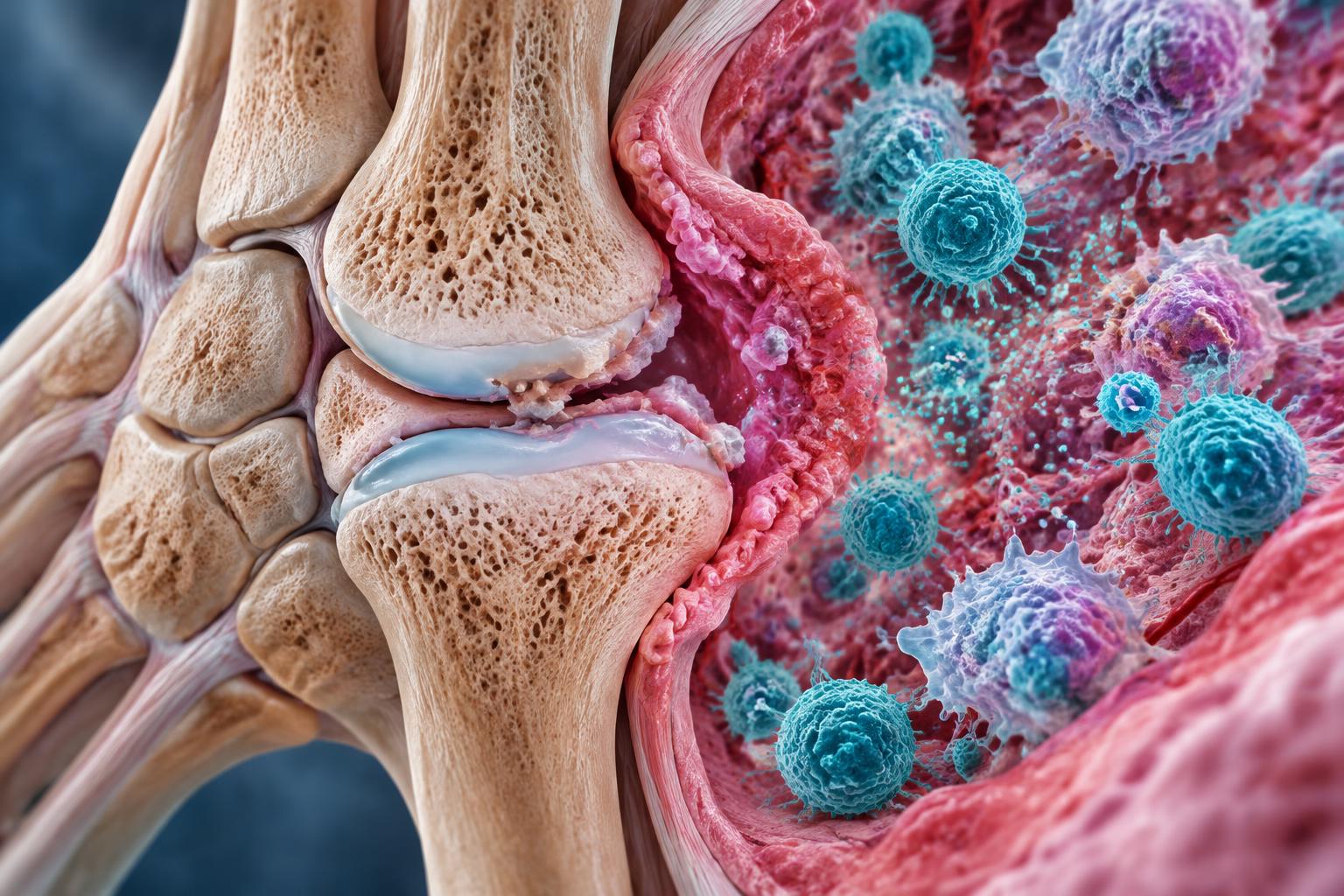
A notable example is ADSTEM, an autologous adipose-derived stem cell therapy, which completed Phase 2 in 2023. A collaborative study with 11 leading university hospitals showed that atopic dermatitis patients experienced a significant reduction in EASI scores. These results were published in the international journal Stem Cell Research & Therapy, confirming the transparency and quality of the research.
Clinical trials are a commitment to safety, turning cell therapy innovation into tangible hope for patients.
Phase 3: Confirming Results and Moving to Standard Care
Phase 3 clinical trials are the final critical step before a drug or treatment is approved for widespread use. This stage involves multicenter studies with randomized control groups to confirm that the innovation provides superior or equivalent therapeutic results compared to existing standards under maximum safety. Currently, EHL BIO has received IND approval from the MFDS to commence Phase 3 trials for ADSTEM in treating moderate-to-severe atopic dermatitis.
Advancing a product to Phase 3 demonstrates the reliability of previous data and its potential as a new alternative for patients. The entire cell cultivation process is conducted in a GMP-certified center capable of handling 6,000 lots per year, ensuring that every batch of cells used in the trial maintains consistent quality throughout the study.

GMP Standards and International Quality Control
Every clinical trial stage at EHL BIO is backed by Good Manufacturing Practices (GMP), the minimum requirement for maintaining consistent quality. We operate Class 100 facilities with integrated cell storage systems, employing patented technologies to isolate cells from fat and urine, resulting in high purity and excellent cell viability rates.
Receiving the Minister of Health and Welfare Award in 2024 and the IR52 Jang Young-shil Award in 2025 confirms EHL BIO's success in developing international standard quality management systems. Our research team of over 85 experts collaborates with a network of over 100 partner hospitals in Korea to drive regenerative medicine toward a future of better quality of life and longevity.
Frequently asked questions
Why are clinical trials divided into Phases 1, 2, and 3?
To ensure maximum safety before expanding tests to larger groups, starting with safety (Phase 1), efficacy (Phase 2), and therapeutic confirmation (Phase 3).
What is an IND trial?
IND (Investigational New Drug) is a clinical trial plan that must be approved by regulatory bodies like the MFDS to ensure product safety before human testing.
Which EHL BIO products are currently in clinical trials?
ADSTEM is entering Phase 3 for atopic dermatitis, and KDSTEM is in Phase 1 for chronic kidney disease, along with other products in medical development.
Related conditions
Based on EHL BIO information: EHL BIO · EHL BIO · EHL BIO · EHL BIO. Each care plan follows an individual EHL assessment.