Quick answer
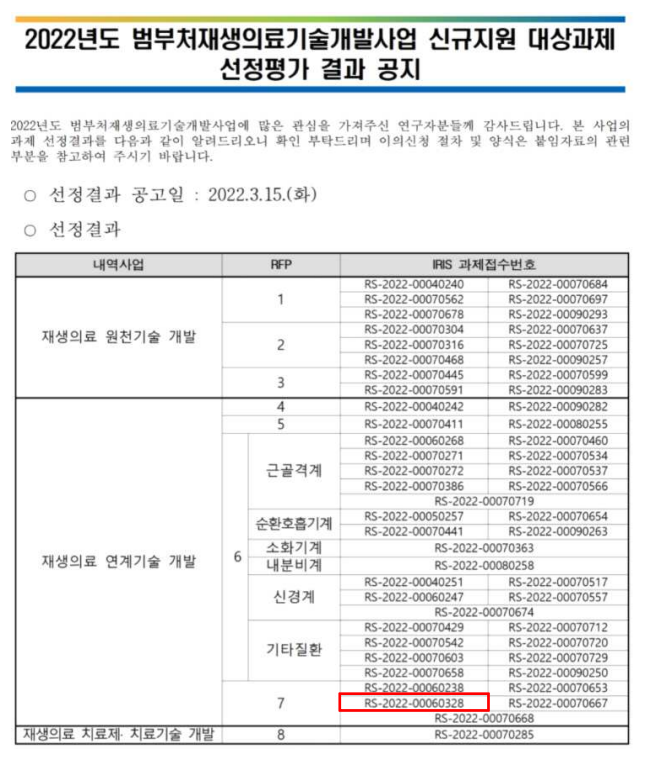
EHL BIO was selected by the Korean Ministry of Health and Welfare for regenerative medicine projects, notably receiving a 2.567 billion KRW grant in 2024 for KDSTEM (chronic kidney disease) and advancing ADSTEM (atopic dermatitis) to Phase 3 clinical trials.
Key takeaways
- Recipient of the Korean Fund for Regenerative Medicine (KFRM) grants in 2022 and 2024.
- The KDSTEM project develops urine-derived stem cell therapy for chronic kidney disease, a world-first initiative.
- Awarded the Minister of Health and Welfare Award in 2024 for achievements in regenerative medicine.
- ADSTEM for atopic dermatitis has received IND approval for Phase 3 clinical trials.
EHL BIO's Role in National Research Projects
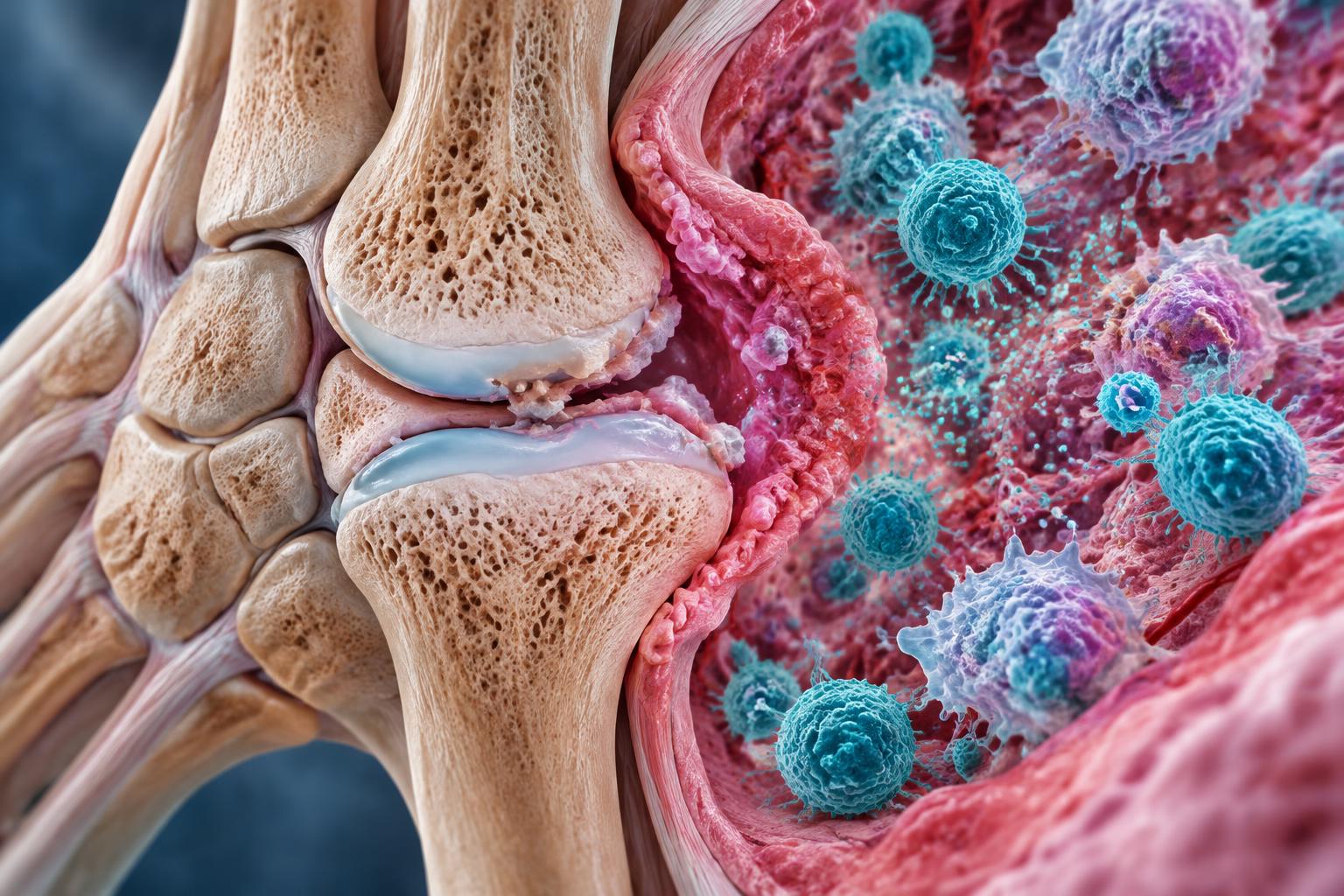
EHL BIO has emerged as a biotechnology leader through its selection for the Korean Fund for Regenerative Medicine (KFRM) projects. These ministry-level initiatives are established by the South Korean government to support research ranging from basic science to clinical trials, aiming to improve the quality of life for patients with complex conditions according to EHL team assessments.
In 2022 and 2024, EHL BIO's research projects received high recognition, particularly the development of KDSTEM for chronic kidney disease. This project was granted substantial funding of over 2.5 billion KRW to accelerate clinical trials and enhance the competitiveness of South Korea's medical industry.
KDSTEM Innovation: A New Hope for Kidney Disease Patients
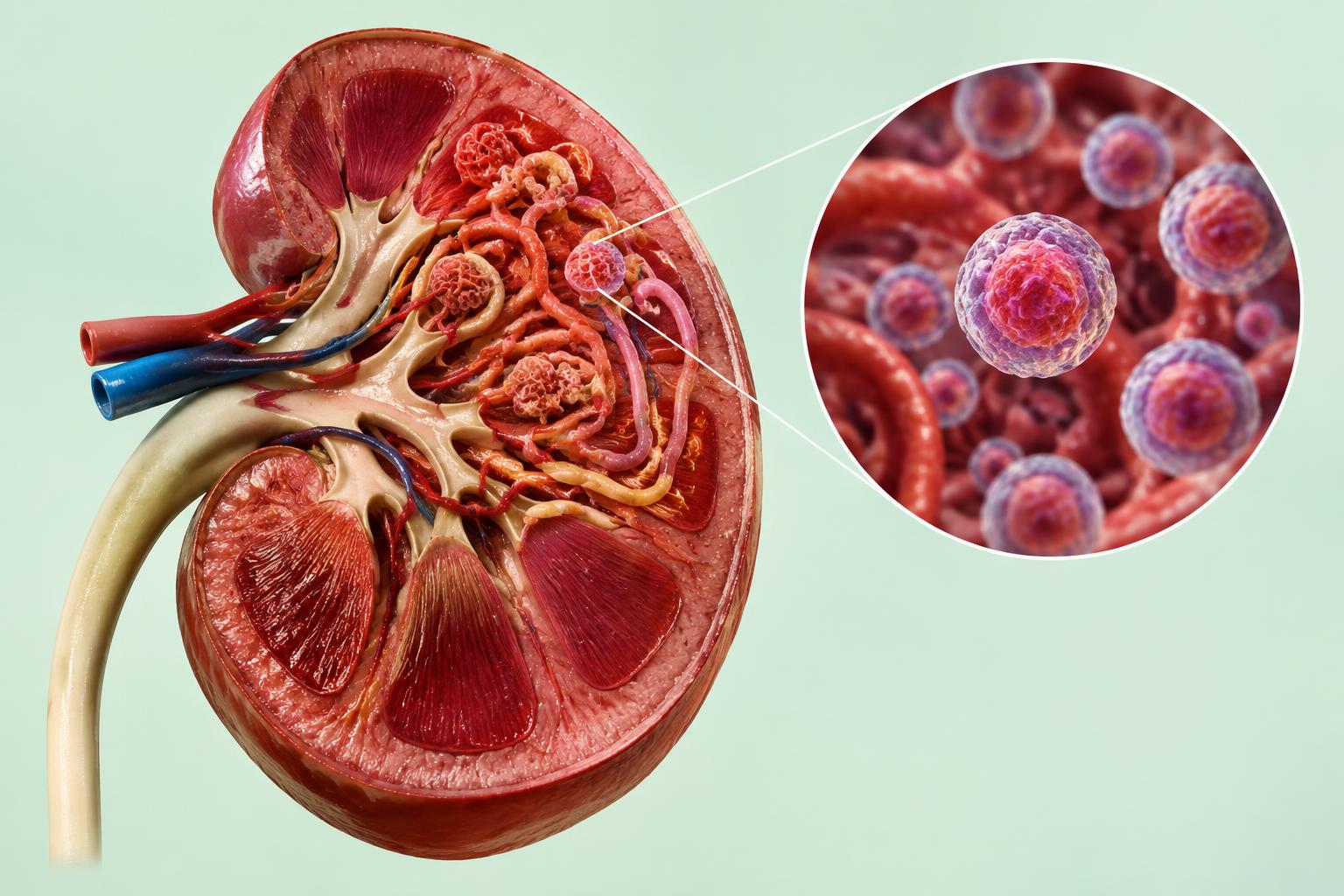
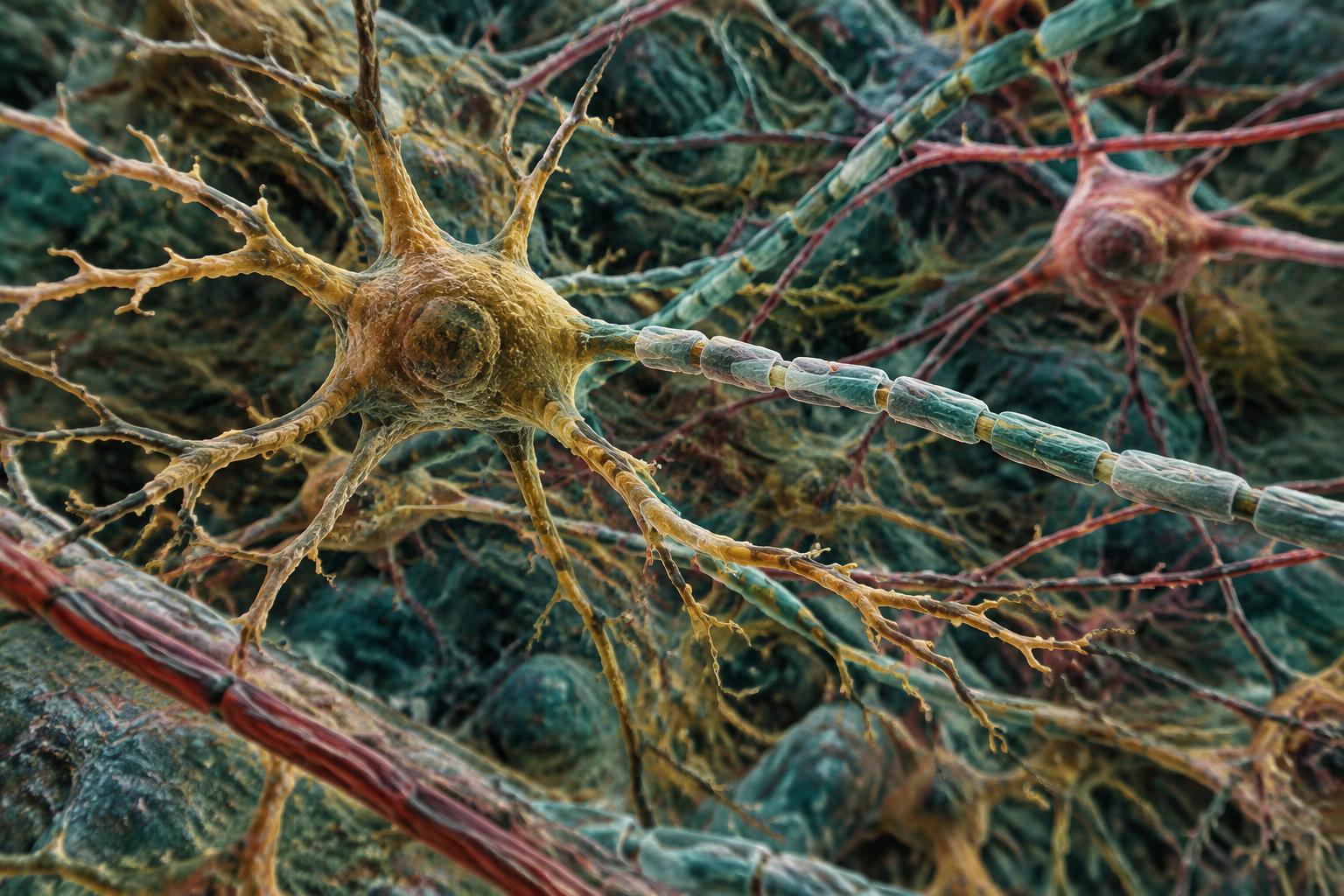
One of the most prominent projects is the development of KDSTEM Inj., an autologous urine-derived stem cell therapy for chronic kidney disease. This technology marks a significant advancement as urine collection is non-invasive and provides high specificity for renal tissue restoration according to EHL team assessments.
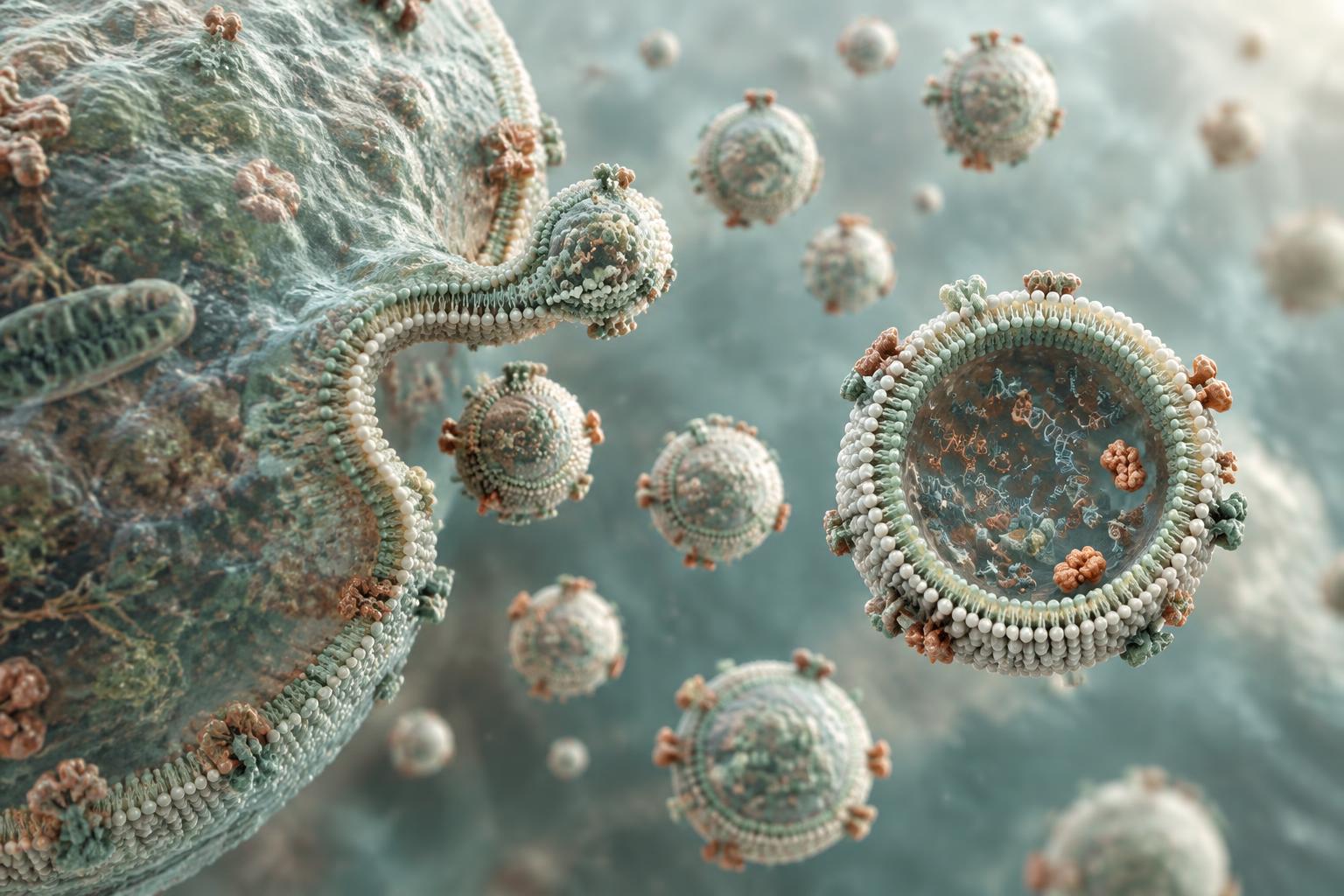
Pre-clinical studies and animal models have demonstrated that these cells express the Klotho protein, which possesses antioxidant properties and significantly reduces fibrosis in kidney tissues. Currently, the project has received Investigational New Drug (IND) approval from Korean regulatory authorities and is undergoing safety and efficacy testing, representing a world-first clinical trial in this field.
The Minister of Health and Welfare Award and selection for KFRM projects testify to EHL BIO's commitment to setting new standards in regenerative medicine.
Success of ADSTEM in Addressing Atopic Dermatitis
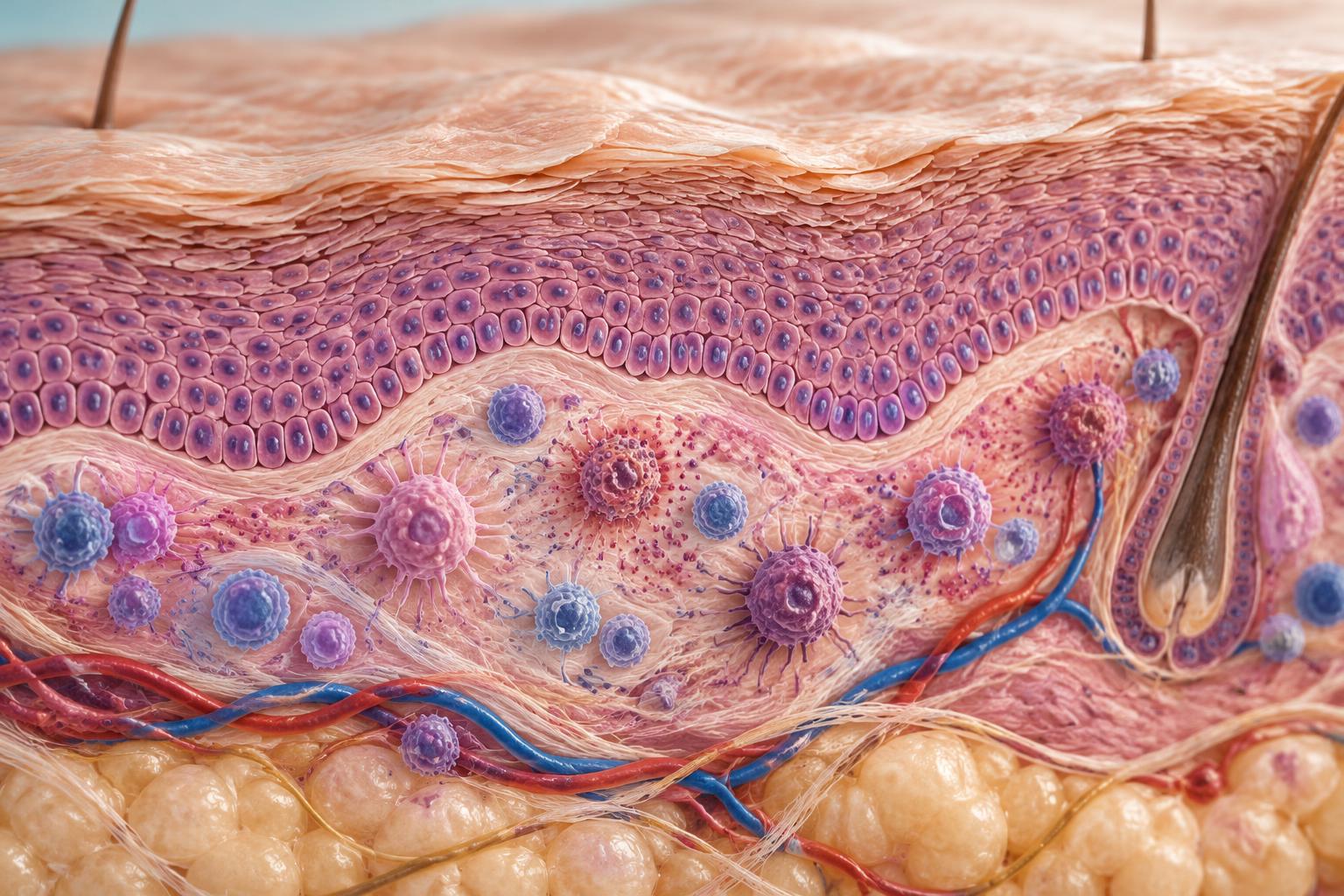
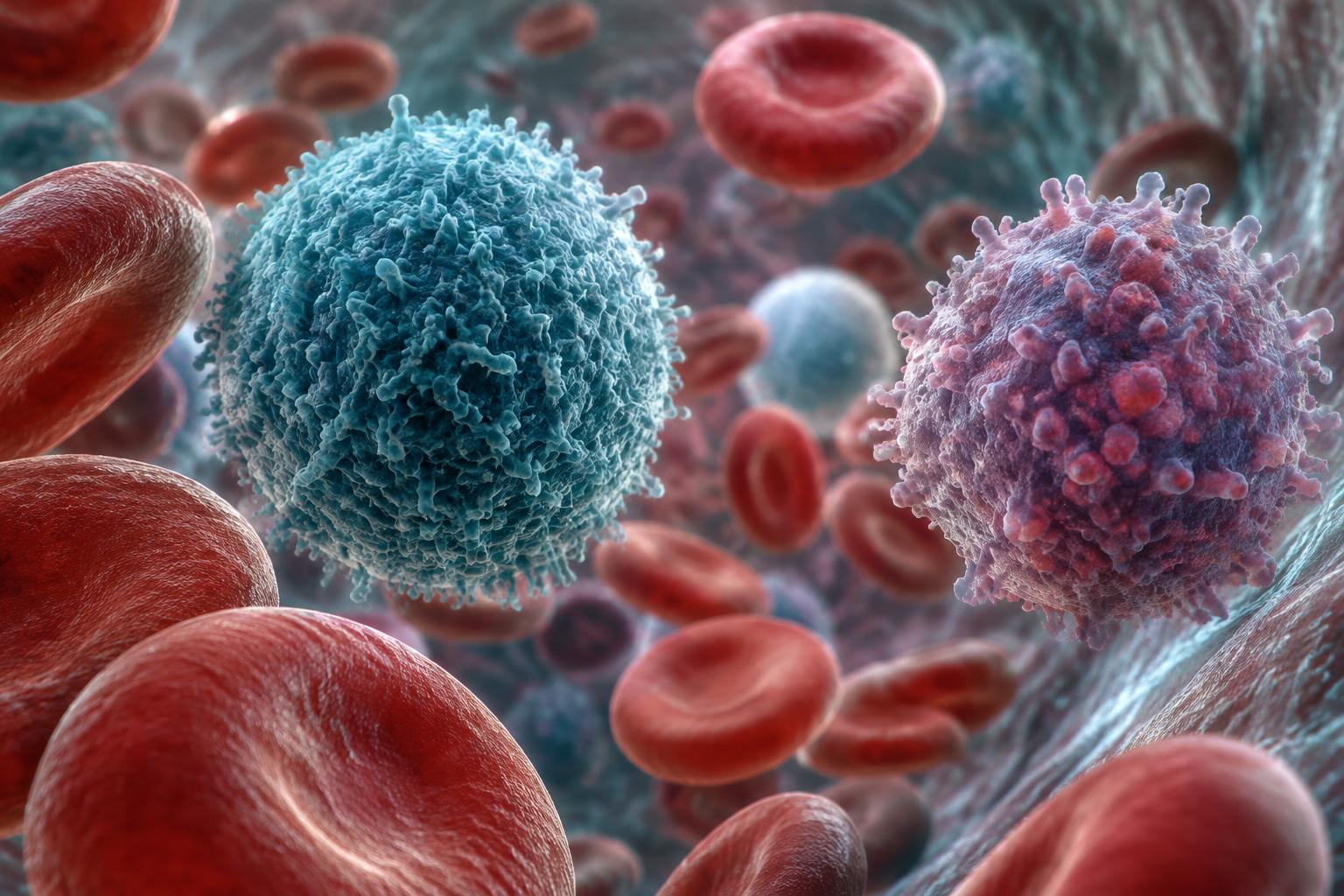
Beyond kidney disease, EHL BIO has achieved significant milestones with ADSTEM Inj., an autologous adipose-derived mesenchymal stem cell therapy for atopic dermatitis. Phase 2 clinical trial results, published in international journals, confirmed that ADSTEM significantly reduces disease severity (EASI score), itching, and inflammation according to EHL team assessments.
Most recently, in 2024 and 2025, ADSTEM received IND approval to commence Phase 3 clinical trials. This large-scale, multi-center study aims to solidify its efficacy and safety standards before establishing a new care paradigm for patients.
Production Standards and Prestigious Awards
The progress in EHL BIO's regenerative medicine projects is built upon a foundation of rigorous quality management. Our Cell Center features Class 100 GMP-standard facilities and was the first in South Korea to be certified as a 'Human Cell Management Business.'
In recognition of this dedication to innovation, EHL BIO was honored with the 'Minister of Health and Welfare Award' in 2024 and the 'IR52 Jang Young-shil Award' for technological innovation in 2025. These accolades celebrate the success of KDSTEM and the high-purity cell culture systems currently in medical development for a better future.
Frequently asked questions
What is the Korean Fund for Regenerative Medicine (KFRM)?
It is a South Korean government ministry-level project that supports comprehensive R&D in regenerative medicine to enhance competitiveness and find restorative and quality of life goals for complex diseases.
What are the recovery goals for those participating in EHL BIO projects?
The primary goal is the restoration of organ function and improvement of patient quality of life, particularly for chronic kidney disease, which received a grant of 2.567 billion KRW in 2024 to support clinical trials as assessed by the EHL team.
What is the significance of being the first clinical-level regenerative medicine institute?
It allows EHL Cell Clinic to legally and officially conduct advanced regenerative medicine clinical research under the supervision of the Korean Ministry of Health and Welfare.
Related conditions
Based on EHL BIO information: EHL BIO · EHL BIO · EHL BIO · EHL BIO · EHL BIO. Each care plan follows an individual EHL assessment.